



Blonde Wood Round Table
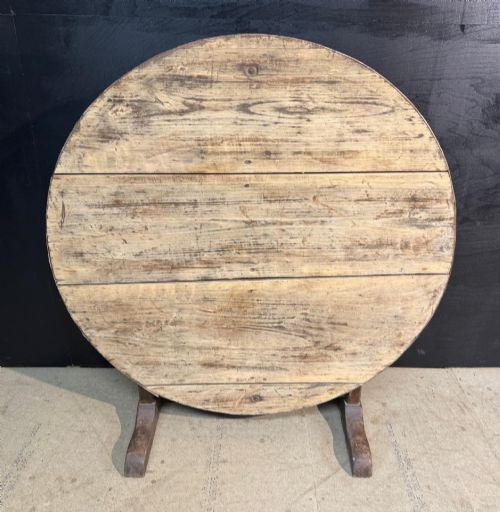
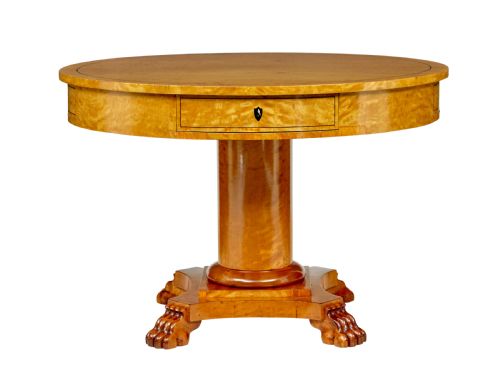
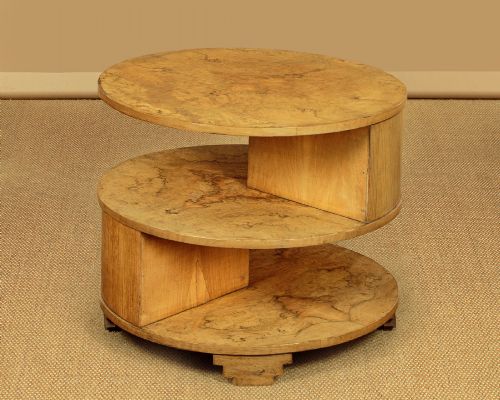
These blonde wood round table examples combine pale timbers with circular forms, offering a bright surface for any room.
Blonde Wood Round Table
When you search for a blonde wood round table, you encounter circular surfaces shaped from light timbers like birch, satin birch, maple, and elm. These pieces span several distinct eras, stretching from nineteenth century Scandinavian designs to nineteen-thirties modernist forms.
You are most likely to meet nineteenth century Swedish centre tables or nineteen-thirties Art Deco coffee tables on this page. The forms range widely across coffee tables, dining tables, lamp tables, and occasional tables.
Origins heavily lean towards Scandinavian workshops, particularly Swedish pieces utilising native birch and burr maple. The variety extends to Victorian console tables and radially veneered dining tables.
How they were made
Maker construction relies heavily on native timbers such as birch and maple, frequently applied as burr veneers across circular tops. Cabinet makers utilised contrasting materials like ebony details and brass accents to frame the pale wood.
Surfaces often feature striking grain patterns achieved through radial veneering of burr root maple or birch. Underlying timber frames provide stable support for these decorative wooden surfaces.
Blonde Wood Round Table Retail Price Guide 2026
Typical asking prices for blonde wood round table among the pieces listed under this phrase on Sellingantiques today, from the lower quarter to the upper quarter. They describe what is for sale here now, not the wider market.
Several tables wear their burr root grain like natural wooden fingerprints, ensuring no two circular surfaces share the same swirls.
What varies in quality
Quality rests upon the selection and matching of the wood grain across the circular top. Radial veneers demand exceptional skill from the cabinet maker to align natural patterns symmetrically.
The choice of secondary timbers and the crispness of inlaid details distinguish standard pieces from superior examples. Preservation of the original blonde tone without harsh chemical stripping maintains the integrity of the piece.
The Blonde Wood Round Table Glossary
- Birch
- A pale, hard timber native to northern Europe, frequently utilised in Scandinavian furniture making. It provides a blonde ground with subtle grain variation.
- Veneer
- A thin layer of figured wood, such as burr maple or birch, applied over a stable timber base. This technique allows makers to display striking natural patterns across large circular surfaces.
- Biedermeier
- A dominant style in Central Europe during the nineteenth century, focusing on clean lines and domestic utility. It often highlights the natural beauty of blonde woods without excessive ornamentation.
- Centre table
- A freestanding table designed to be viewed from all sides, commonly placed in the middle of a room. These pieces frequently feature circular tops supported by a central pillar or pedestal.
- Radial veneer
- Wood slices arranged in a circular pattern from a central point to create a sunburst effect. This demanding technique showcases the symmetry of burr figure.
Blonde Wood Round Table: Frequently Asked Questions
What periods do these tables come from?
The pieces span from the early nineteenth century through to the nineteen-thirties. You will find nineteenth century Swedish works alongside Art Deco designs.
Victorian pieces and mid nineteenth century examples also appear regularly within these listings.
Where were most of these tables made?
A significant portion originates from Scandinavia, particularly Sweden, where native birch was heavily utilised by cabinet makers. Other pieces reflect British Victorian and continental Art Deco movements.
Makers across these regions favoured pale timbers for their clean aesthetic.
How do I style a round blonde wood table?
The neutral tones of birch and maple allow these tables to blend easily into both traditional and modern interiors. A circular top softens rigid room geometries.
Use them as central display surfaces or functional coffee tables in living spaces.
What woods are commonly used?
Construction primarily involves light hardwoods such as birch, satin birch, and various maples. Burr veneers add distinct patterning to the circular tops.
Details in ebony and brass frequently complement the pale primary woods.