



Black Wood Wall Mirror
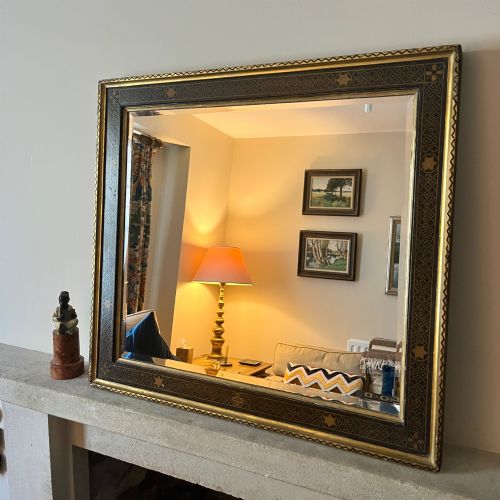
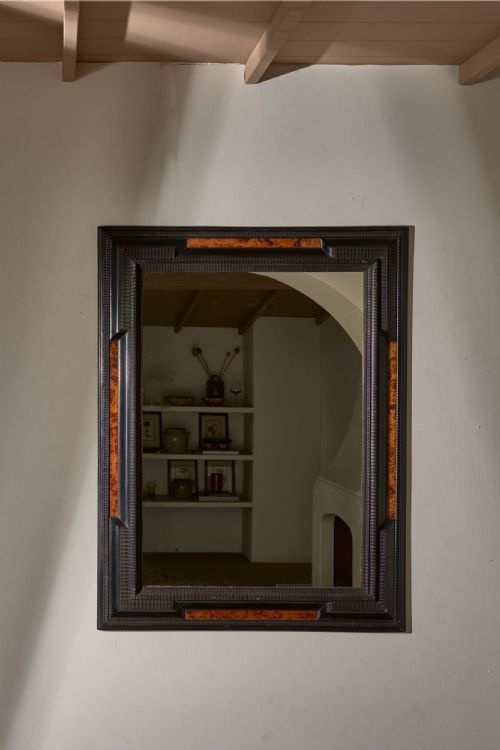
These black wood wall mirrors bring sharp linear focus and deep historical character to a room through dark timber and reflective glass.
Black Wood Wall Mirror
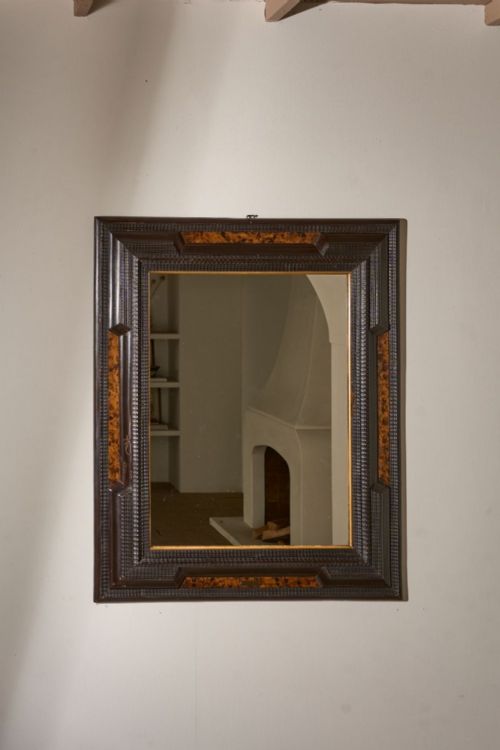
A black wood wall mirror serves as a strong decorative anchor in a room, combining dark wooden frames with reflective glass. When searching for a black wood wall mirror, buyers encounter a variety of nineteenth and early twentieth century forms designed for functional daily use and visual impact.
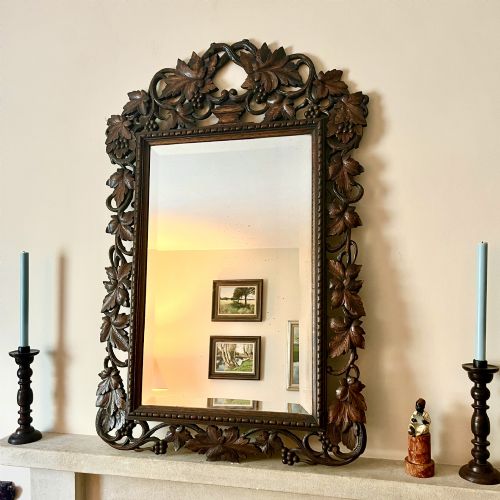
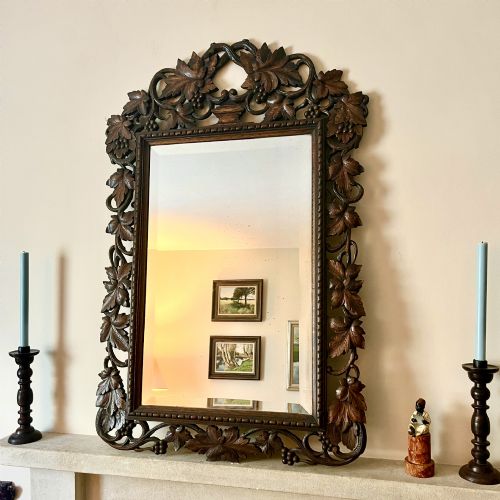
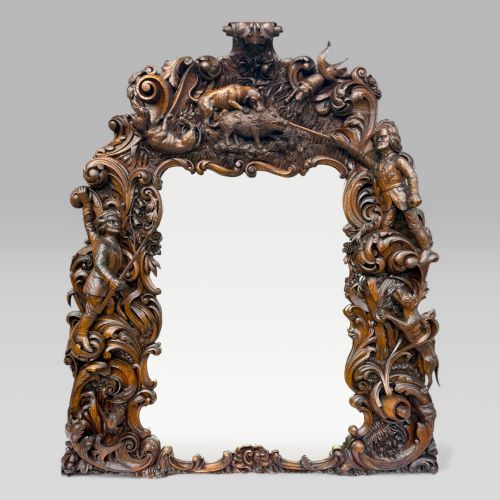
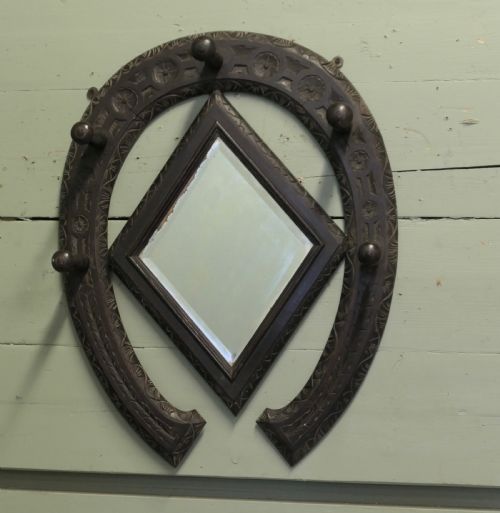
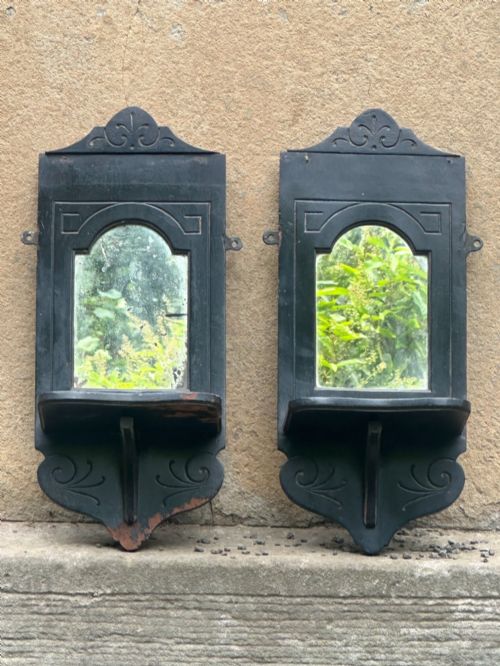
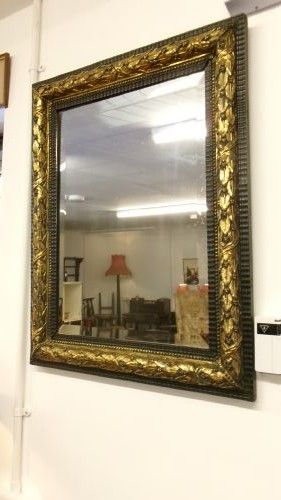
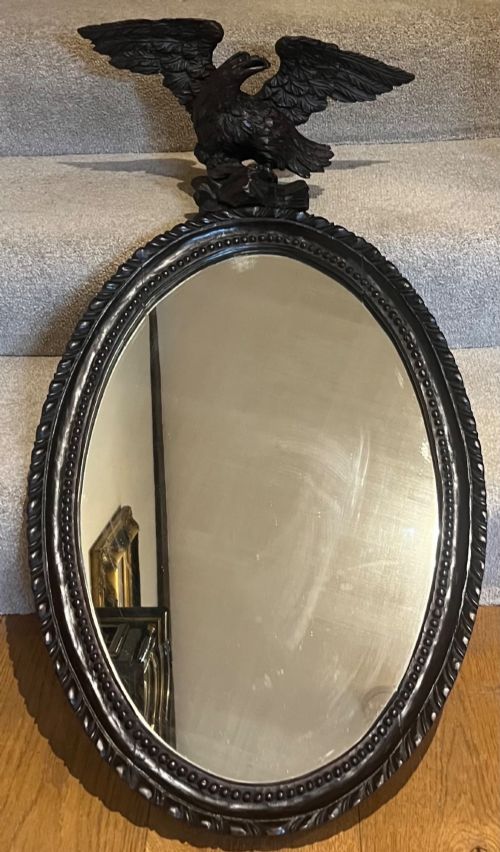
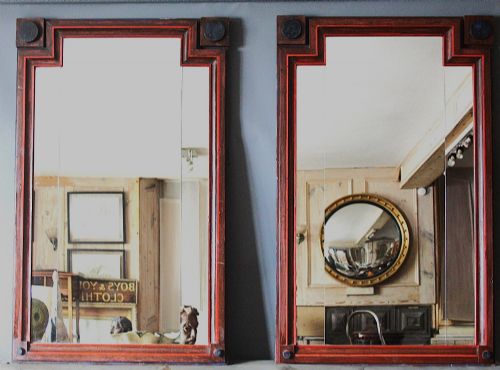
The selection ranges from robust Victorian overmantels and cushion frames to intricate Black Forest carvings and sleek Edwardian lacquered ovals. Oak, linden and painted timber provide the foundational structure for these dark finishes, often accented with gilt details or brass mounts.
Overmantels and large wall hanging mirrors dominate the forms, alongside specialised pieces like fairground distortion mirrors and girandoles. Originating from English, French, Italian and German workshops, each piece reflects the distinct aesthetic movements of its period.
How they were made
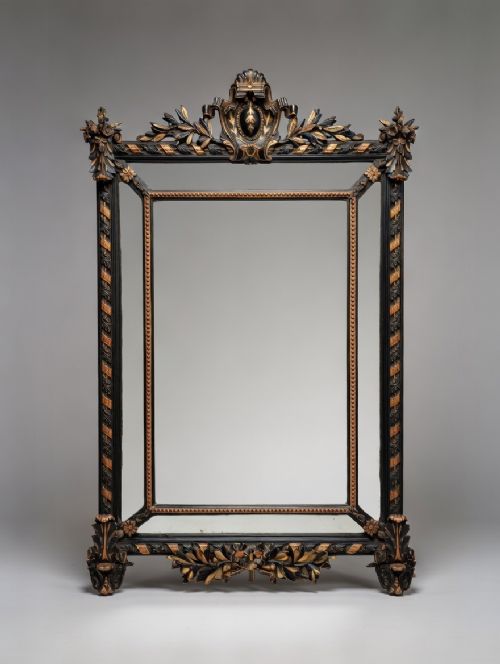
Many frames rely on ebonised wood or black paint applied over base timbers such as oak and linden to achieve a dense, dark surface. Gesso and gold leaf are frequently layered beneath or alongside the black finish to create parcel-gilt highlights that catch the light.
Carving techniques define the more elaborate examples, particularly in Black Forest and Gothic Revival pieces where deep relief work shapes birds, foliage and architectural motifs. Traditional joinery secures the heavy mirror glass within timber frames designed to withstand decades of hanging.
Current listings feature pieces spanning the 19th century, Victorian, Edwardian, and 1930s periods, utilising ebonised wood, oak, glass, paint, and gold leaf.
What varies in quality
The depth and execution of the carved detail separate standard production from exceptional craftsmanship, especially visible in the rendering of foliage or animal figures on Black Forest frames. Crisp lines in the ebonised surface and the harmonious integration of parcel-gilt or silver-gilt accents indicate higher workshop standards.
The integrity of the original mirror glass and the weight of the underlying wooden chassis determine the structural longevity of an overmantel or wall mirror. Pieces retaining their original gesso groundwork and undisturbed surface patination demonstrate superior historical survival.
Cottier & Co
The Black Wood Wall Mirror Glossary
- Ebonised wood
- Timber treated with stain, polish or paint to imitate the dark, dense appearance of ebony. This finish became particularly popular during the Victorian and Aesthetic Movement periods.
- Overmantel mirror
- A large wall mirror specifically proportioned to hang above a fireplace mantelpiece. These pieces often feature substantial wooden frames and decorative crestings.
- Gesso
- A plaster-like mixture applied to wood frames to provide a smooth surface for gilding or painting. It allows craftsmen to mould intricate relief details before finishing.
- Black Forest
- A nineteenth-century style of wood carving originating from the mountainous region of central Europe. Pieces typically feature naturalistic depictions of animals and foliage rendered in deep relief.
- Cushion mirror
- A mirror featuring a convex or sloping frame profile that pushes outward toward the edges. This distinctive shape creates multi-angled reflections and visual depth.
Black Wood Wall Mirror: Frequently Asked Questions
How do I style a black wood wall mirror?
These dark frames work effectively as focal points above mantelpieces, sideboards or in hallways where they contrast cleanly against pale walls. Pair them with metallic accents or natural wood furniture to balance the deep tones of the ebonised timber.
Allow the scale of the frame to dictate its placement, ensuring larger overmantels are securely anchored to wall studs. Smaller wall mirrors can be grouped with art or hung independently to draw the eye.
What periods do these mirrors come from?
The selection spans primarily from the nineteenth century through the early twentieth century, encompassing Victorian, Edwardian and Art Deco eras. Styles range from Gothic Revival and Aesthetic Movement designs to ornate continental Black Forest carvings.
Each period imparts distinct characteristics, from the heavy gesso mouldings of mid-Victorian overmantels to the lighter lacquered finishes of Edwardian Chinoiserie pieces.
How were ebonised mirrors finished?
Craftsmens utilised specialised stains, paints and polishes on woods like oak and linden to simulate expensive ebony timber. This technique allowed makers to achieve a sophisticated, uniform dark surface without relying on imported exotic hardwoods.
Many of these surfaces were further enhanced with parcel-gilt or silvered highlights applied over gesso to create contrast against the black wood.
Where should an overmantel mirror be placed?
Traditionally designed to sit directly above a fireplace mantel, an overmantel mirror reflects light and anchors the vertical space of a room. They also function well above large sideboards or as statement pieces in spacious entrance halls.
Ensure the hanging method matches the substantial weight of these large wooden and glass frames to support them safely.