

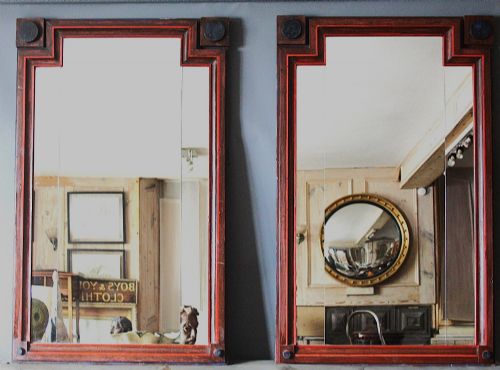


Black Wood Mirror
When you select a black wood mirror, you bring home a piece of historical craftsmanship that combines deep dark timber finishes with reflective depth.
Black Wood Mirror
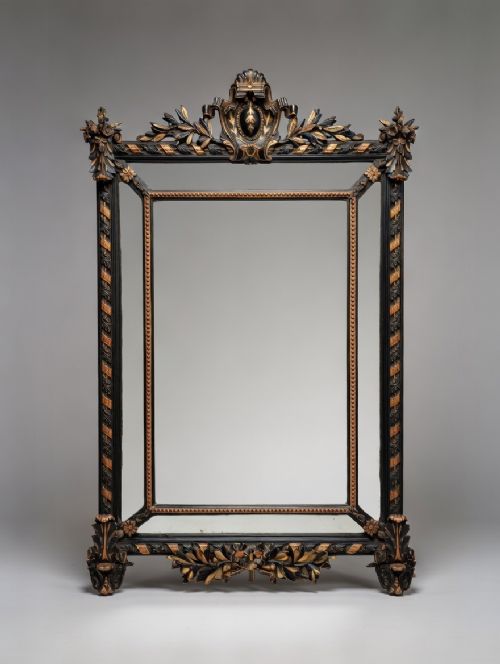
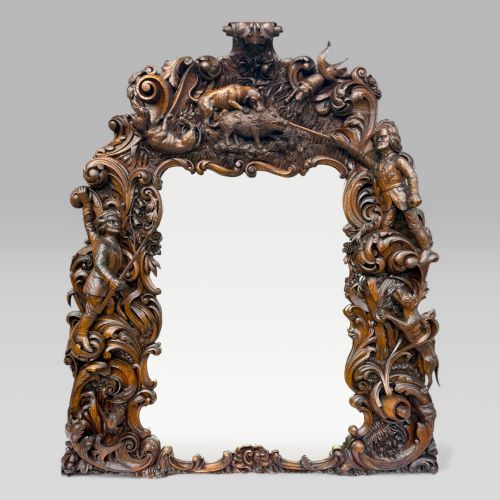
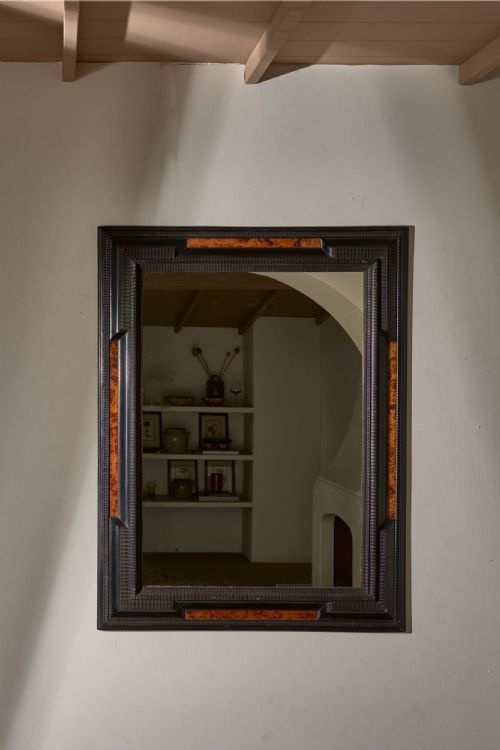
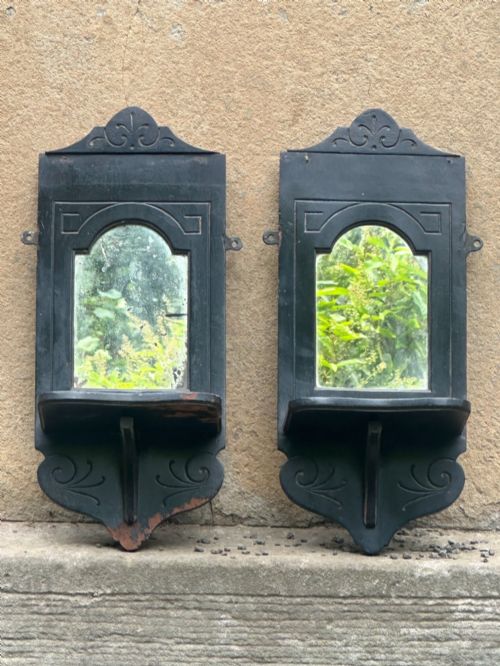
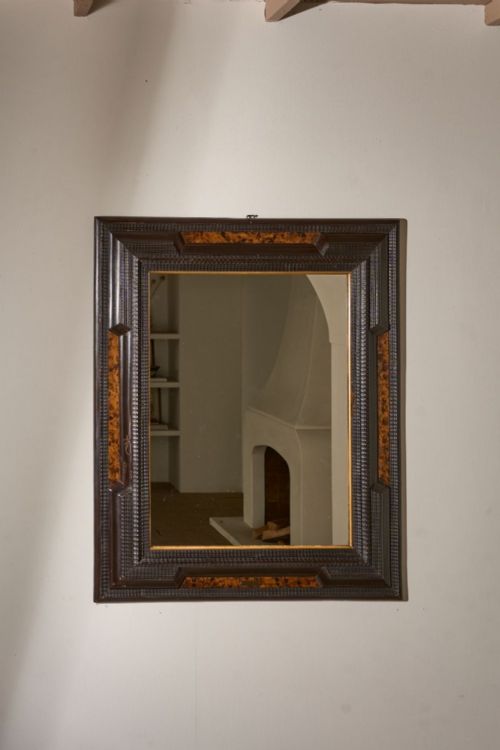
A black wood mirror encompasses a diverse selection of reflective pieces defined by dark timber, ebonised surfaces, or black paint, frequently appearing in forms ranging from compact wall hangings to grand overmantels. Buyers searching this phrase encounter items spanning the nineteenth and early twentieth centuries, with a strong representation of Victorian and Edwardian examples.
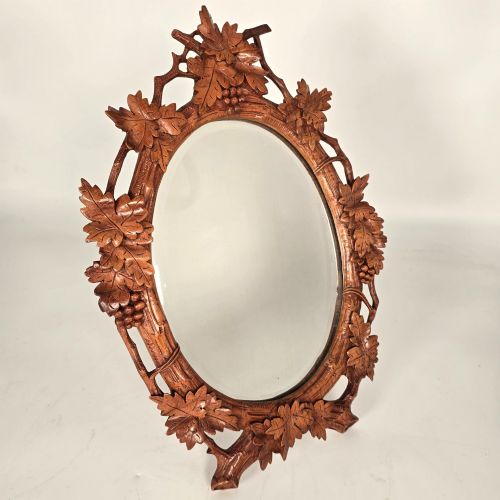
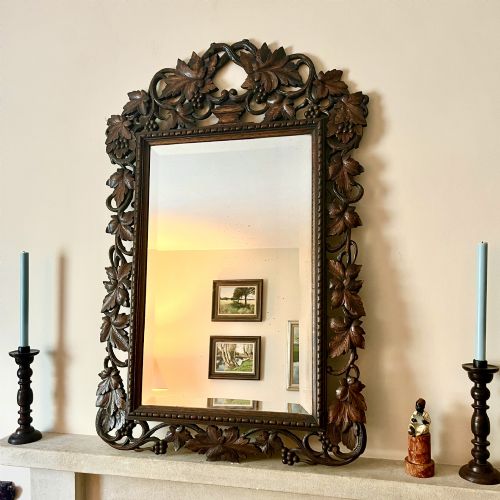
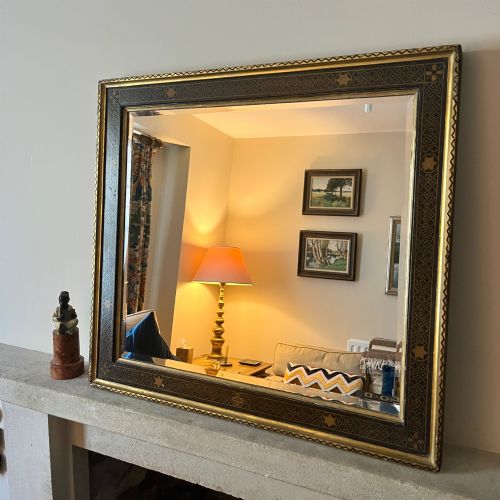
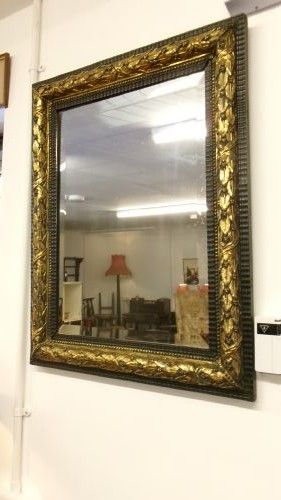
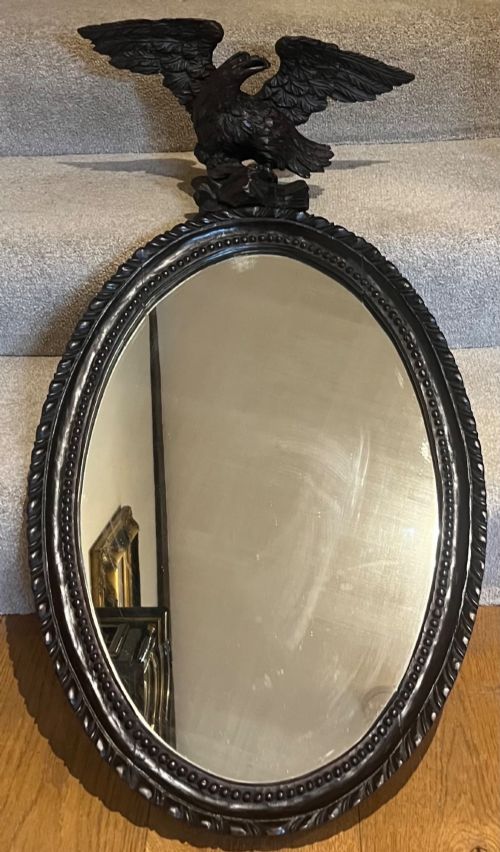
The assortment includes heavily carved Black Forest animal motifs, geometric Aesthetic Movement designs, and French cushion frames accented with parcel gilding or silvering. These objects served utilitarian and decorative roles in historic interiors, functioning as functional looking glasses or grand architectural focal points above fireplaces.
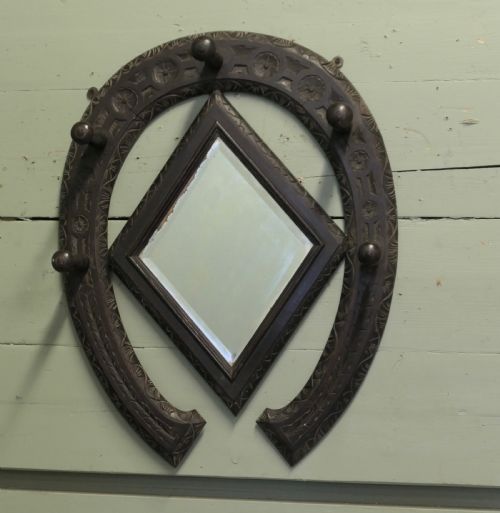
The selection also extends to specialised forms such as table mirrors, fairground distortion glasses, and hall stands incorporating coat racks. Most surviving pieces date to the nineteenth century, utilising natural dark woods or applied black finishes to achieve a striking contrast with original mirror glass.
How they were made
Makers utilised a variety of base timbers including oak, lime wood, and linden, shaping them through hand carving, turning, and joinery. Carved panels frequently featured deep relief work, particularly visible in Swiss or Black Forest productions depicting naturalistic foliage and wildlife.
Surfaces were frequently ebonised to imitate expensive exotic hardwoods like ebony, or treated with black paint and lacquer. Craftsmen applied gesso layers beneath metallic leaf, allowing for intricate parcel-gilt or silvered highlights that caught the candle or gas light of period rooms.
Several mirrors recorded in the listings once served unusual duties, including fairground distortion glasses and specialised hall valet sets featuring integrated clothes brushes.
What varies in quality
The degree of hand-carving intricacy distinguishes standard utility items from masterworks, particularly in Black Forest or Gothic revival pieces where depth and undercut relief require substantial skill. Crisp execution in the gesso mouldings and the retention of original gilding or silvering further separate superior examples from later or heavily restored surfaces.
The integrity of the glass plate itself plays a role, with original bevelled or mercury-silvered mirror plates offering greater authenticity compared to modern replacements. Additionally, the structural joinery of large overmantel frames and the survival of secondary woods indicate the original workshop standards.
The Black Wood Mirror Glossary
- Ebonised
- Wood treated with stain, paint, or chemical processes to turn it jet black, imitating solid ebony. This technique was widely utilised during the Victorian era.
- Gesso
- A plaster-like mixture applied to wooden frames as a base for paint or metal leaf. It allowed carvers to crisp up fine details before gilding.
- Overmantel
- A large mirror designed to hang directly above a fireplace mantelpiece. These frames often spanned significant widths to anchor the room's decorative scheme.
- Cushion mirror
- A frame profile featuring a rounded, convex slope that swells outward towards the edge. This distinctive shape gained popularity during the nineteenth century.
- Parcel-gilt
- A decorative treatment where only specific raised portions or details of an object are gilded with gold leaf, contrasting against a black ground.
Black Wood Mirror: Frequently Asked Questions
How do I date a black wood mirror?
Dating relies on examining the construction methods, backboards, and fastener types used in the frame. Victorian and Edwardian examples often display characteristic joinery and specific styling cues such as Aesthetic Movement geometry.
The nature of the mirror glass provides further clues, as original plates frequently exhibit slight distortions, bevelling styles, or silvering degradation consistent with nineteenth-century manufacture.
Where should I hang an overmantel mirror?
Overmantel mirrors were traditionally designed to sit securely on or immediately above a fireplace mantelpiece to reflect light and fill vertical wall space. Their substantial proportions make them natural focal points for reception rooms and living spaces.
When hanging these heavy frames in modern interiors, ensure the wall fixings are secured directly into structural studs or masonry to support the considerable weight of the wood and glass.
What is ebonised wood?
Ebonised wood is ordinary timber treated to achieve the dense black appearance of genuine ebony, which was scarce and expensive in Europe. Cabinetmakers applied specialised dark finishes to cheaper woods like oak or fruitwood to satisfy fashionable dark interior aesthetics.
This technique allowed nineteenth-century artisans to produce dramatic, high-contrast furniture and frames that imitated exotic materials without prohibitive timber costs.