
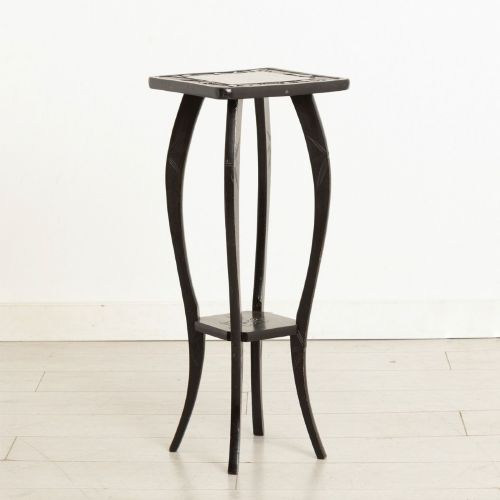
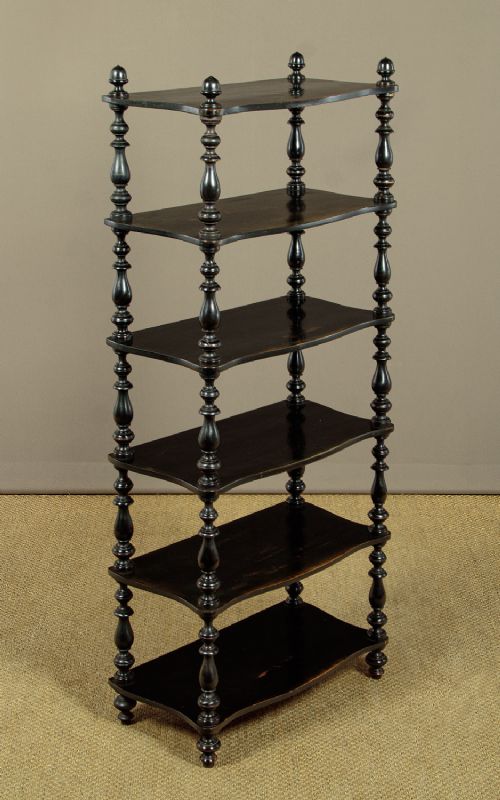
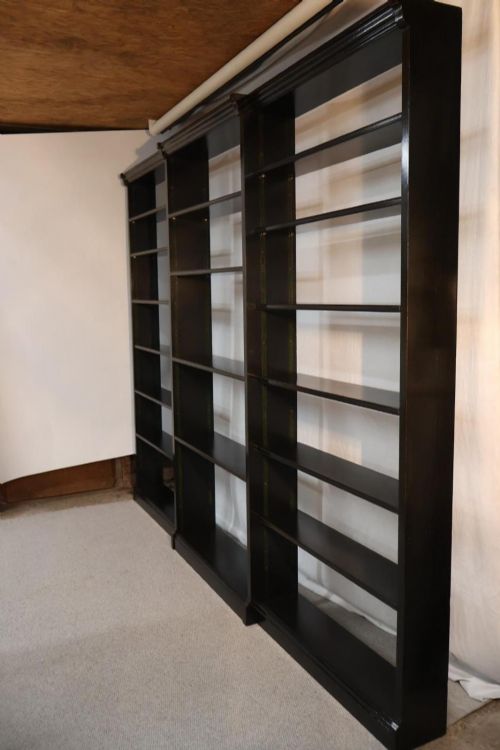


Black Wood Display Stand
A black wood display stand raises your objects with dark timber, ebonised surfaces and carved details.
Black Wood Display Stand
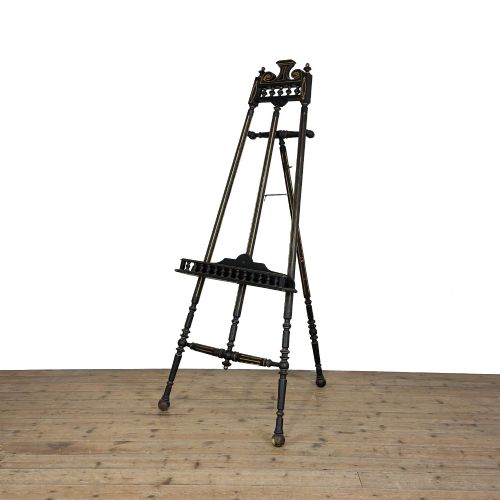
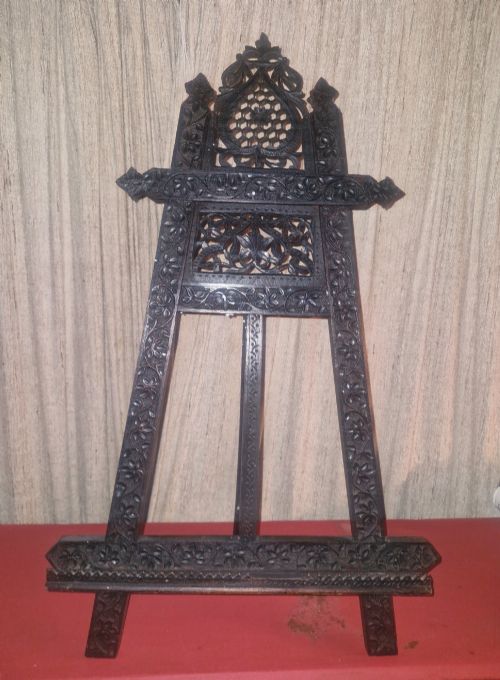
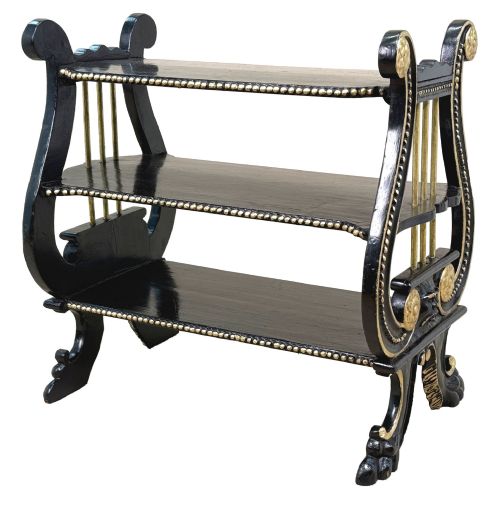
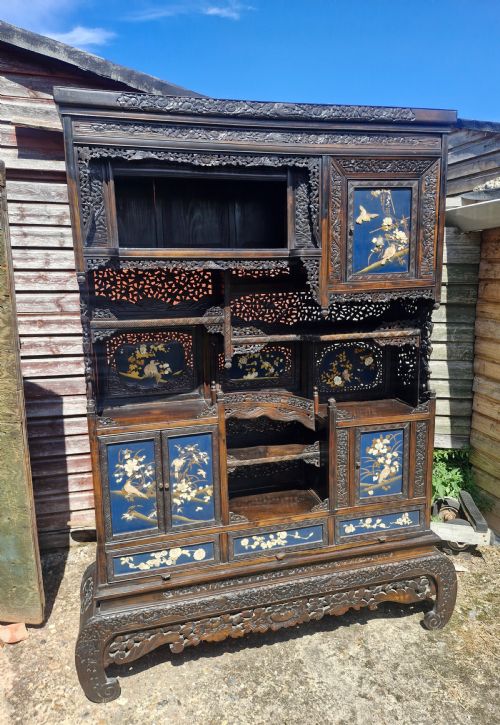
A black wood display stand encompasses everything from carved hardwood pedestals and plant stands to ebonised cabinets, étagères and whatnots. The selection ranges widely across the nineteenth and early twentieth centuries, bringing together Victorian, Aesthetic Movement, Meiji period and Chinoiserie forms designed to elevate decorative items.
You are most likely to encounter ebonised wood and carved hardwood pieces originating from Victorian Britain, continental Europe and East Asia. These utilitarian and decorative structures include tall torchere stands, tiered shelving units and small display tables intended for corners or open floors.
How they were made
Maker's workshops relied heavily on dense timbers, applying ebonised finishes to mimic expensive ebony or working directly with naturally dark hardwoods like ebony and black walnut. Carved elements required skilled hand chiselling, particularly on intricate plant stands, figural supports and floral motifs.
Surfaces frequently received decorative treatments such as parcel gilding, ormolu mounts, lacquer work, or inlay to enhance the dark wood ground. Structural joinery varied from traditional cabinet making to turned columns and fitted tiers secured with brass or iron fixings.
Materials across these listings span ebonised wood, hardwood, glass, lacquer, iron and brass, paired with Victorian, Arts and Crafts and Chinoiserie styles.
What varies in quality
Quality rests upon the depth of the carving and the integrity of the timber preparation, separating mass-produced items from superior workshop output. Crisp execution in hand-carved foliage or figures distinguishes finer examples from softer, shallower cutting.
The sophistication of the finish, whether a deeply polished ebonisation, preserved lacquer, or refined ormolu and parcel gilding, dictates the piece's tier. Solid hardwood construction and robust tier alignment further separate durable structural work from lesser builds.
Liberty of London
The Black Wood Display Stand Glossary
- Ebonised
- Timber treated with stain or paint to imitate the dense, black appearance of ebony. This finish gained immense popularity during the Victorian and Aesthetic Movement periods.
- Torchére
- A tall, slender stand or column designed specifically to support a lamp, vase, or decorative figure. These pieces often feature carved pillars or tripod bases.
- Whatnot
- An open set of tiered shelves used for displaying ornaments and small objects. They appear frequently in corner or freestanding formats.
- Étagère
- A piece of furniture consisting of a set of open shelves for displaying small articles. They are typically light in construction and heavily decorative.
- Shodana
- A traditional Japanese display cabinet featuring asymmetrical shelving. These items often incorporate carved woodwork and ebonised finishes.
Black Wood Display Stand: Frequently Asked Questions
What is the difference between a pedestal and a plant stand?
Pedestals generally feature a flat, elevated top designed to elevate sculptures, urns or heavy decorative objects. They often have heavier architectural columns or classical detailing.
Plant stands typically serve a similar vertical function but tend to be lighter, sometimes incorporating multiple tiers or basins intended to hold potted greenery or jardinières.
Where should I place a display stand in a room?
These stands suit corners, empty wall spaces or flanking larger pieces of furniture where they can draw the eye upward. Corner units utilise awkward angles, while floor-standing easels and torchères anchor open expanses.
Ensure the footprint matches the stability needed for your intended display items, particularly with taller or more slender stands.
How do I identify an Aesthetic Movement stand?
Aesthetic Movement pieces from the late nineteenth century often feature ebonised wood surfaces combined with simple geometric lines, Japanese-inspired motifs, or parcel gilding. They prioritise visual harmony and artistic design over heavy historical revivalism.
Look for clean structures that depart from standard Victorian ornamentation, frequently echoing the cross-cultural fascination with Eastern design.