
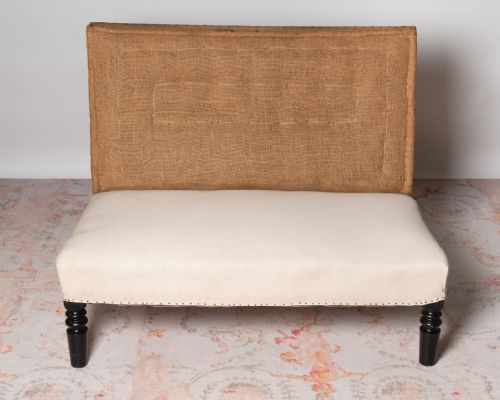
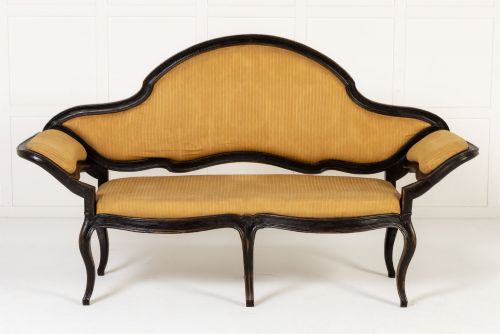
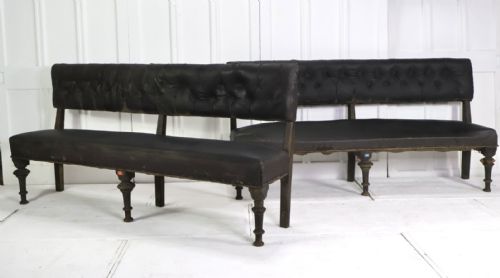


Black Upholstered Bench
A black upholstered bench brings dark woodwork and tactile seating together, offering a striking accent for an entrance hall or living space.
Black Upholstered Bench
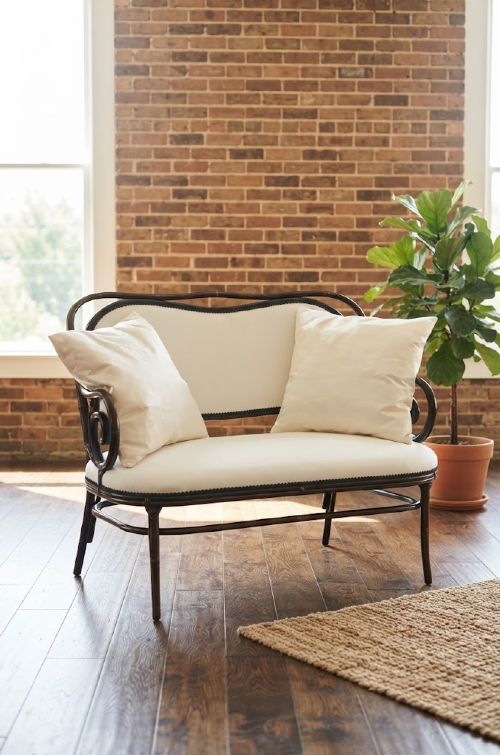
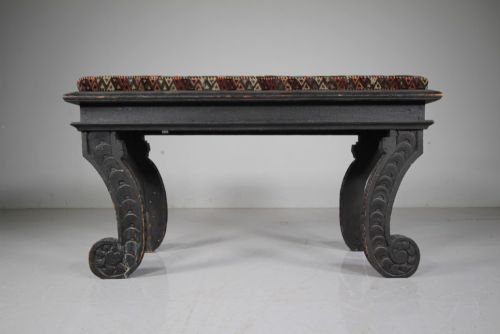
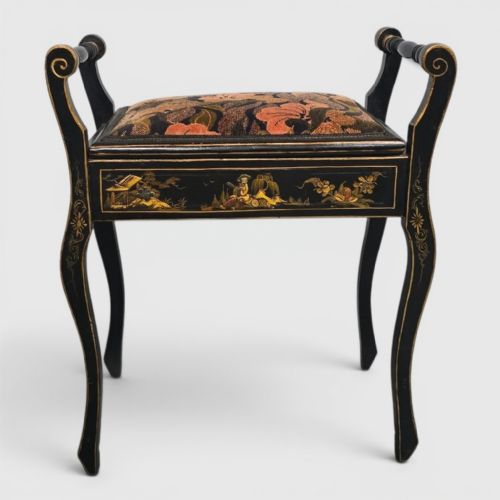
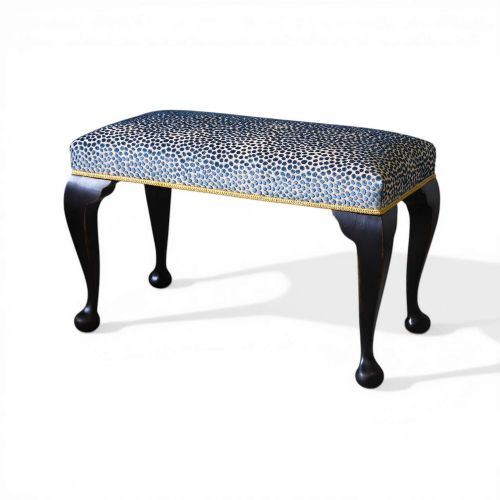
A black upholstered bench encompasses various seating forms designed for multiple rooms, appearing across this selection as window seats, long stools, and settees. These items bridge utilitarian seating and decorative furnishing, utilising ebonised wood or painted finishes paired with soft coverings.
The objects span multiple eras, including pieces from the eighteenth, nineteenth, and early twentieth centuries alongside Edwardian and Victorian examples. Regional variations range from English window seats to Italian painted settees and Irish country house hall benches.
Buyers encounter diverse stylistic influences within these listings, touching on the Aesthetic Movement, Louis XV Revival, Chinoiserie, and Regency aesthetics. This variety means each seating piece carries distinct ornamental details while serving a practical function.
How they were made
Construction relies heavily on timber frameworks, notably pine, mahogany, and bentwood, which provide structural integrity for the seating forms. Woodworkers shaped these frames through traditional carving, turning, and joinery methods suited to each period.
Surface treatments centre on ebonisation, paint, and gold leaf applications, creating dark or gilded finishes that define the appearance of the timber. Upholstery techniques then apply fabrics such as linen, leather, and standard upholstery textiles over padding to complete the seat.
Materials in this selection include ebonised wood, leather, linen, and gold leaf.
What varies in quality
The distinction between tiers rests upon the execution of the woodwork, from simple turned legs to intricate hand-carved details and gilding. Superior examples display precise joinery and sophisticated surface treatments that maintain their integrity over time.
Material selection further separates standard production from finer work, visible in the choice of supportive hardwoods and the quality of the textile coverings. The integration between frame design and upholstery finish dictates the overall refinement of the piece.
Thonet
The Black Upholstered Bench Glossary
- Ebonised Wood
- Timber treated with a dark finish to imitate expensive ebony. This process became widely used during the nineteenth century to achieve a sleek, uniform black surface.
- Window Seat
- A narrow bench designed to fit within a window recess. These items typically feature upholstered tops and elongated proportions suited to narrow spaces.
- Settee
- A medium-sized upholstered seat with a back and arms, accommodating multiple people. These pieces sit between a chair and a full sofa in scale.
- Aesthetic Movement
- A late nineteenth-century design style emphasising visual beauty over narrative meaning. Pieces from this movement often incorporate ebonised surfaces and stylised natural motifs.
- Window Seat
- A compact form intended for placement beneath windows. Historical examples frequently incorporate turned legs and tailored fabric covers.
Black Upholstered Bench: Frequently Asked Questions
Where do I put a black upholstered bench?
These benches suit narrow corridors, bedrooms, and living spaces where a slim profile provides seating without crowding the room. Window seats fit naturally beneath sills, while larger settees anchor reception areas.
Placing one against a plain wall allows the dark woodwork and fabric to stand out as a focal point. Their versatility also makes them practical for pulling up to tables or placing at the foot of a bed.
How do I care for ebonised wood?
Maintain ebonised surfaces by dusting them regularly with a soft, dry cloth to prevent grit accumulation. Avoid harsh chemical cleaners that can strip the dark finish.
Keep wooden frames away from direct sunlight and moisture fluctuations to protect the timber underneath. Occasional gentle waxing helps preserve the lustre of the ebonised coating.
How do I identify Victorian pieces?
Victorian seating often displays heavier proportions and dark ebonised finishes influenced by the Aesthetic Movement. Turned legs and detailed upholstery are common markers of this era. Nineteeth-century construction methods also leave distinct tool marks on internal frames. Examining the joinery and materials helps confirm the period of origin.