
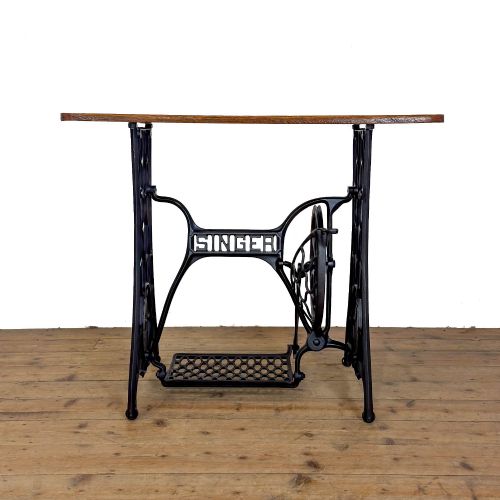
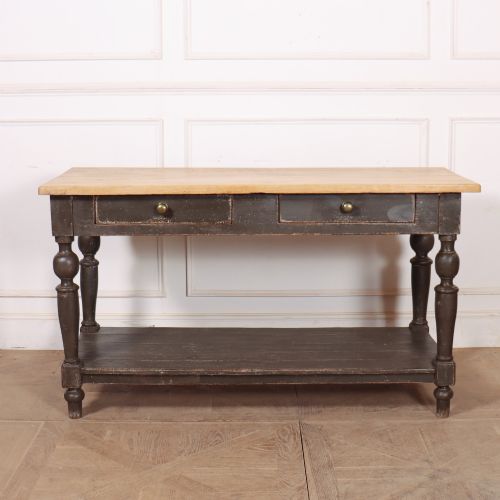

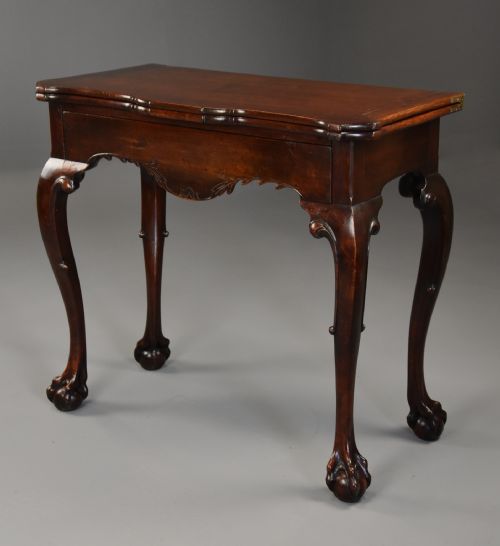


Black Top Console Table
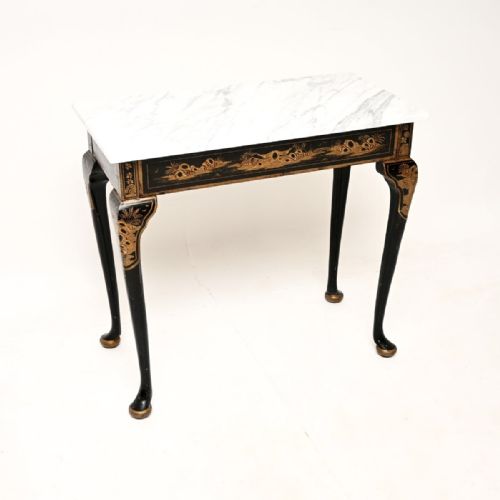
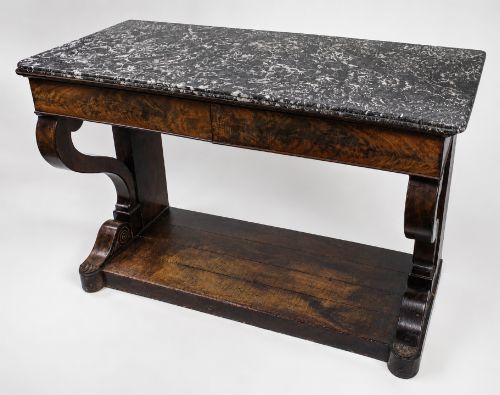
These black top console table pieces combine stone surfaces and timber frames, offering practical surface space for any hallway.
Black Top Console Table
A black top console table is typically found in styles ranging from Regency and Victorian to French Empire and Napoleon III, originating across the nineteenth century alongside earlier eighteenth-century examples. These pieces function as narrow tables placed against walls, often serving entryways, reception rooms, and grand salons.
Makers and creators utilised various woods, metals, and painted finishes to shape these items. Surviving examples demonstrate diverse regional designs spanning French, British, Spanish, Swedish, and Dutch workshops.
How they were made
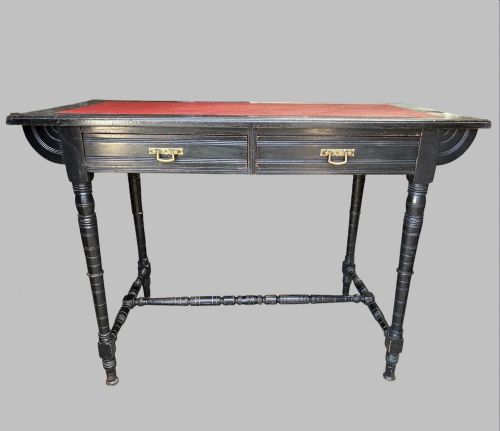
Construction relies heavily on combining robust timber frames with heavy stone slabs, notably marble, which provide a durable and smooth horizontal surface. Frames are built from mahogany, ebonised wood, satinwood, and painted pine.
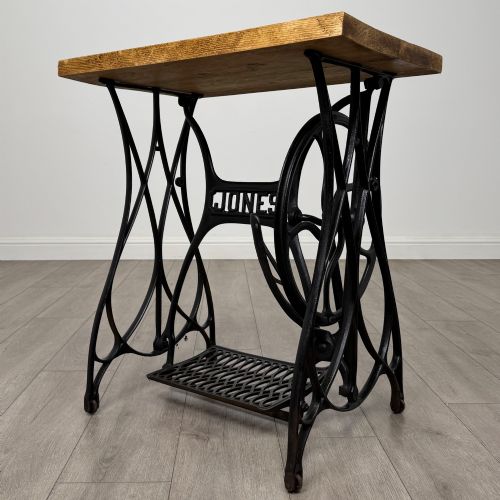
Decorative detailing incorporates brass inlay, gilt accents, and hand-painted geometric or Chinoiserie motifs applied to wood. Iron and wrought elements also appear in industrial and garden variations, showing diverse artisanal techniques.
Some nineteenth-century makers carved side tables in the literal form of seated hounds.
What varies in quality
The refinement of carving, the precision of brass inlay, and the quality of the timber grain distinguish standard examples from finer works. Superior pieces often exhibit sophisticated patination and balanced proportions.
The integration between the stone top and the supporting frame reveals the maker's skill. Finer tables maintain structural harmony while incorporating elaborate stylistic details such as gilding or hand-painted decoration.
KRIEGER of Paris
The Black Top Console Table Glossary
- Console table
- A table designed to be fixed against a wall, frequently supported by ornamental legs or brackets at the front. These pieces often feature decorative stone tops.
- Ebonised wood
- Timber treated with a dark finish to imitate expensive ebony. This technique gained popularity during the nineteenth century for formal furniture.
- Demi-lune
- A half-moon shape characteristic of certain console and side tables. This profile allows tables to sit flush against flat walls.
- Chinoiserie
- European decorative style inspired by Chinese artistic traditions. It frequently appears on lacquerwork and painted furniture.
- Patina
- The surface sheen and colour acquired by materials through age and use. Collectors value this indicator of authenticity.
Black Top Console Table: Frequently Asked Questions
Where should I place a console table?
These tables suit narrow spaces such as hallways, corridors, and living room perimeters where depth is restricted. Their flat rear edges allow them to rest securely against walls.
They also function effectively beneath mirrors or paired with lighting to create a focused display area in a room.
How do I care for a marble top?
Marble surfaces require gentle cleaning with mild soap and warm water to avoid damaging the stone polish. Acidic liquids should be wiped away promptly.
Using coasters and mats helps prevent scratching and staining on antique stone surfaces over time.
What periods do these tables represent?
The selection spans multiple eras including Regency, Victorian, Edwardian, and the eighteenth century. French Empire and Napoleon III styles are also widely represented.
Each period brings distinct stylistic traits, from heavy mahogany frames to delicate painted finishes and gilt details.
Are these tables suitable for everyday use?
Solid construction and durable materials make these tables practical for holding lamps, decorative objects, and daily items. Their historical timber and stone require sensible handling.
Placing them away from direct heat sources helps preserve the stability of the wood and the integrity of the finish.