

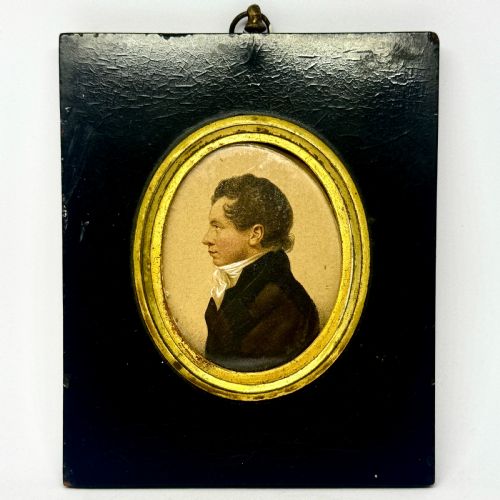
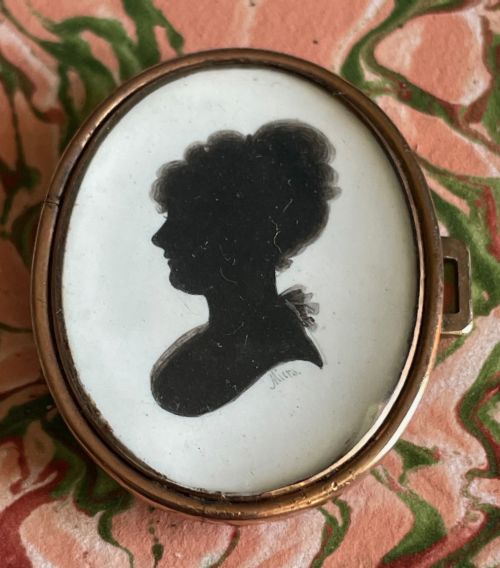


Black Profile Miniature
A black profile miniature captures the sharp likeness of a sitter through ink, paper, or glass.
Black Profile Miniature
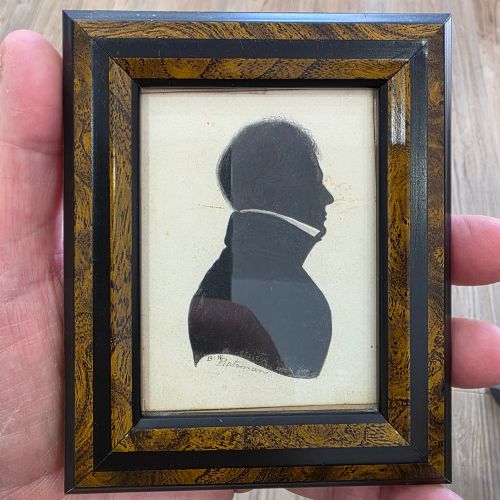
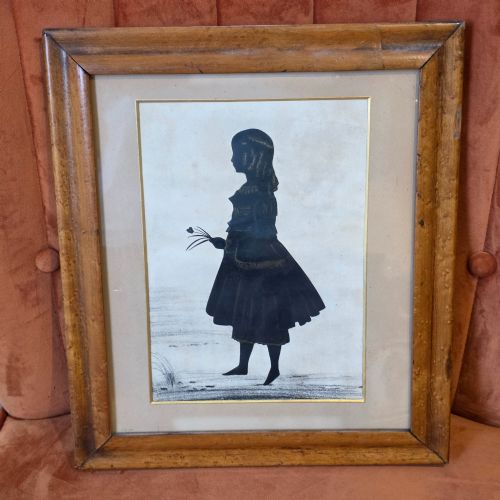
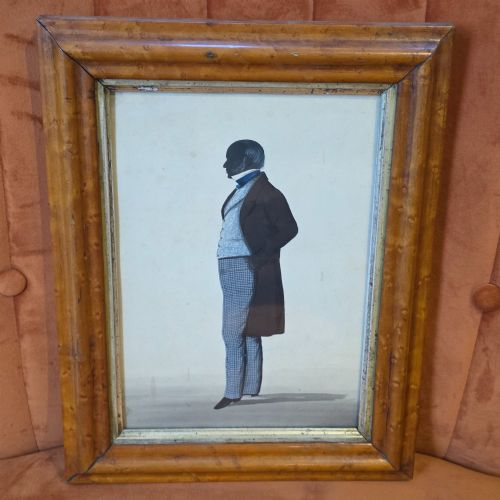
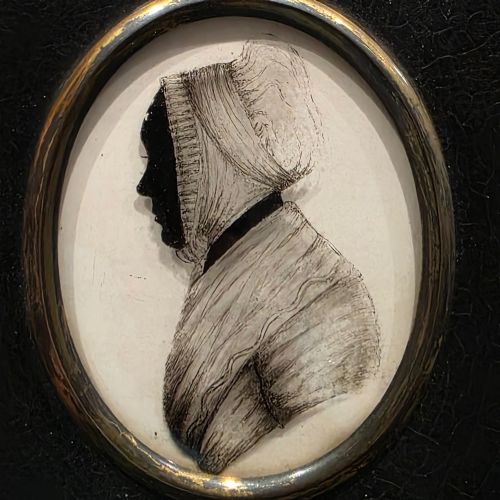
A black profile miniature presents a likeness of a sitter in strict outline, focusing entirely on the contour of the face or figure. When searching for a black profile miniature, collectors encounter works executed across the eighteenth and nineteenth centuries, spanning Georgian, Regency, and Victorian periods.
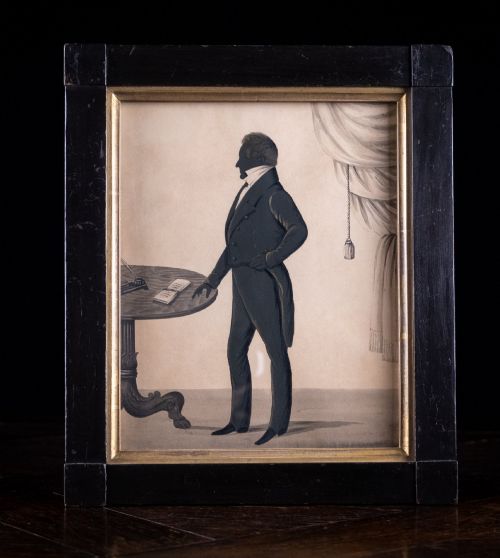
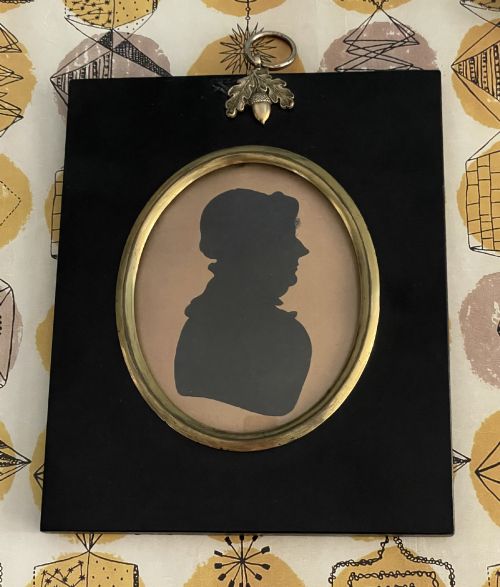
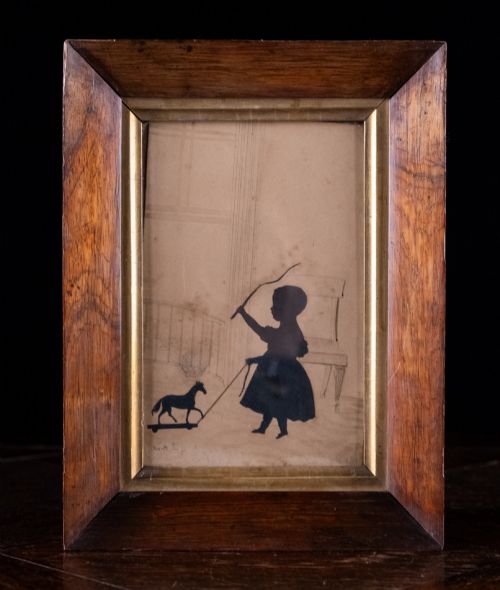
The pieces on this page appear in various forms, including framed wall art, pendant jewellery, and small portrait miniatures. Subjects range from gentlemen and ladies in period attire to children, animals, and classical figures.
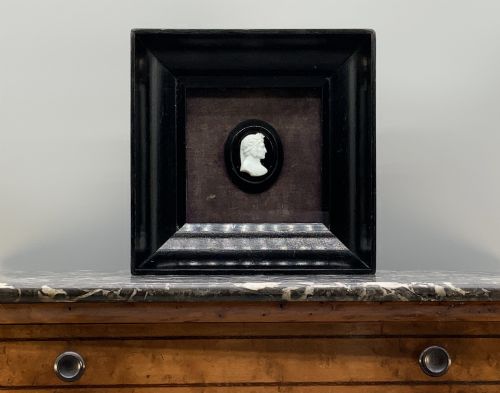
The physical format of a black profile miniature varies from simple paper cut-outs to sophisticated reverse-painted glass panels and pressed glass paste cameos. Many examples retain their original surrounds, such as rosewood frames, ebonised wood, or brass mountings.
Assessing quality
Quality in a black profile miniature rests upon the precision of the cut or the sureness of the brushwork. Master practitioners captured an unmistakable likeness and posture with minimal lines, whereas lesser examples rely on generic forms.
The preservation of delicate details, such as gilded highlights on hair and costume, separates superior works from plainer items. Original mountings, contemporary frames, and legible signatures or inscriptions also elevate the standing of a piece.
Listings feature works from the eighteenth, nineteenth, and early twentieth centuries, utilising glass, paper, brass, wood, ink, ebonised wood, gold leaf, and watercolour.
John Miers·Augustin Edouart·James Tassie·John Smith of Edinburgh·James Ferguson
The Black Profile Miniature Glossary
- Silhouette
- A portrait rendered as a solid dark shape in profile, typically against a pale background. This term forms the core description for most pieces.
- Reverse painted
- A technique where pigment is applied to the back of a piece of glass so the image is viewed through the front. This method imparts a glossy, reflective finish to the miniature.
- Plumbago
- A drawing executed in black lead or graphite. Artists used this medium to achieve fine, subtle details in early portraiture.
- Paste cameo
- An imitation gemstone made from pressed glass. These pieces replicate classical carvings in low relief.
- Ebonised wood
- Timber treated to resemble ebony, providing a dark, uniform border. Frames made from this material frequently house nineteenth-century profiles.
Black Profile Miniature: Frequently Asked Questions
How were silhouettes worn?
Many smaller profiles were mounted into jewellery pieces such as pendants and brooches. This allowed owners to keep the likeness of a relative close to their person.
These wearable formats frequently utilised gold mountings and small glass covers to protect the delicate paper or painted surface within.
What materials did artists use?
Artists worked with paper, card, plaster, ivory, and glass as bases for their portraits. Pigments included dark ink, watercolour, and plumbago.
Gold leaf was frequently applied to accentuate collars, buttons, and hair ornaments on the dark silhouettes.
How do I date a piece?
Dating relies heavily on the costume of the sitter, the framing materials, and any known dates of activity for the artist. Regency styles often feature high waistlines and turban caps.
Georgian pieces frequently appear in smaller, simpler frames, while Victorian examples show changes in dress and broader mounting styles.
Where should I hang them?
These small artworks require careful placement away from direct sunlight to prevent the fading of paper, ink, and watercolour. Grouping several framed pieces together creates a striking display on a wall.
Smaller items housed in pendant or brooch forms suit secure placement in specialised cabinet displays.