
Black Plant Stand
These black plant stand examples range from Victorian ebonised wood to Japanese carved designs, offering sturdy elevated surfaces for display.
Black Plant Stand
A black plant stand serves to elevate greenery and decorative objects within a room, drawing the eye upward through vertical display. These pieces function primarily as pedestals, torcheres, or occasional side tables designed to support jardiniere bowls and heavy pots.
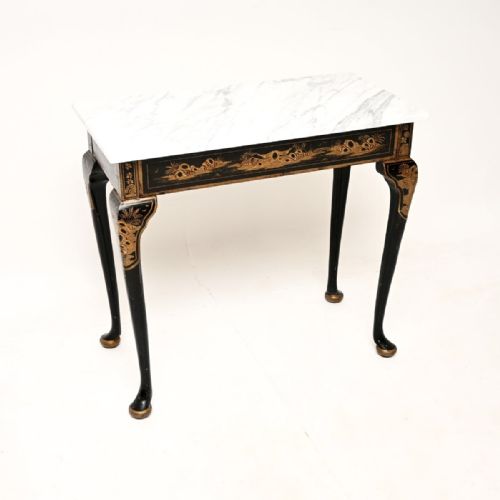
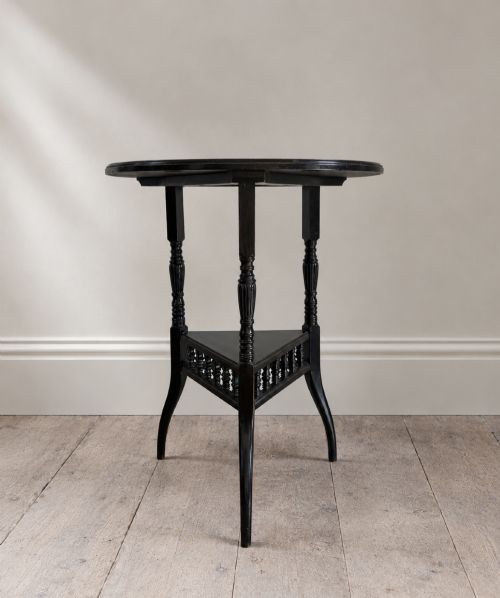
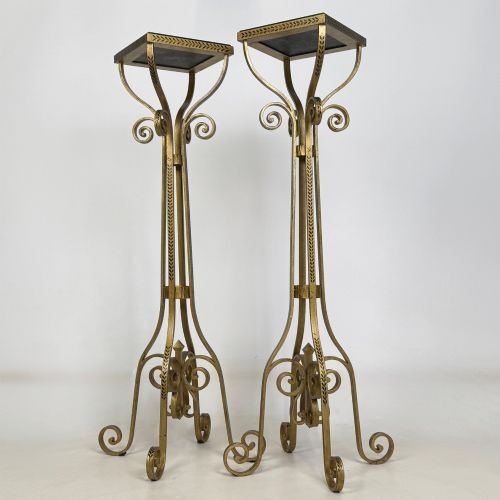
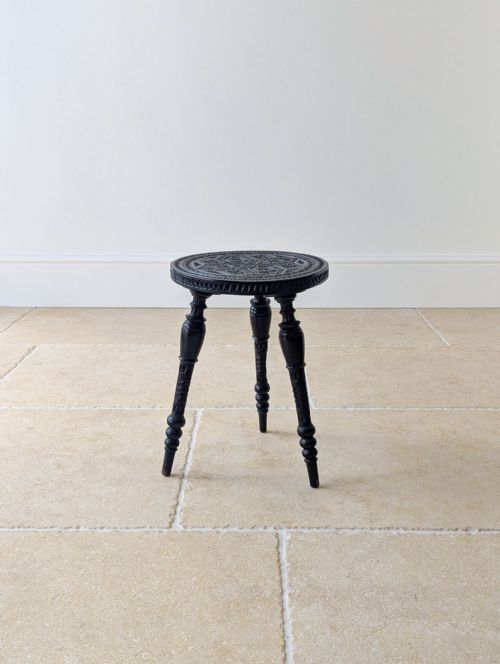
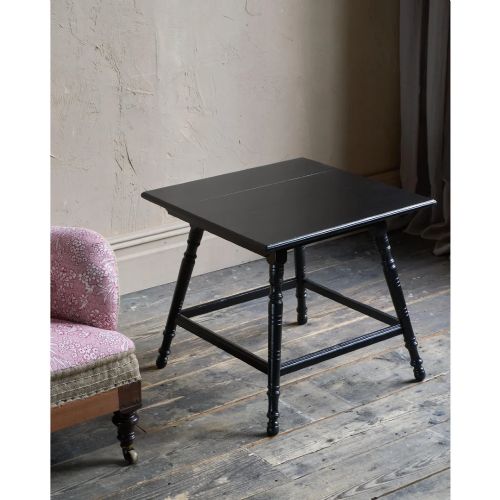
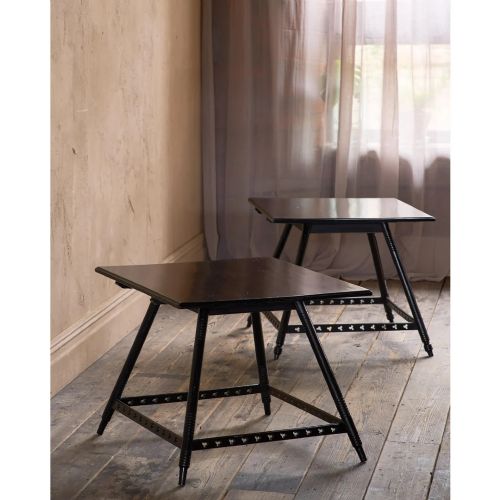
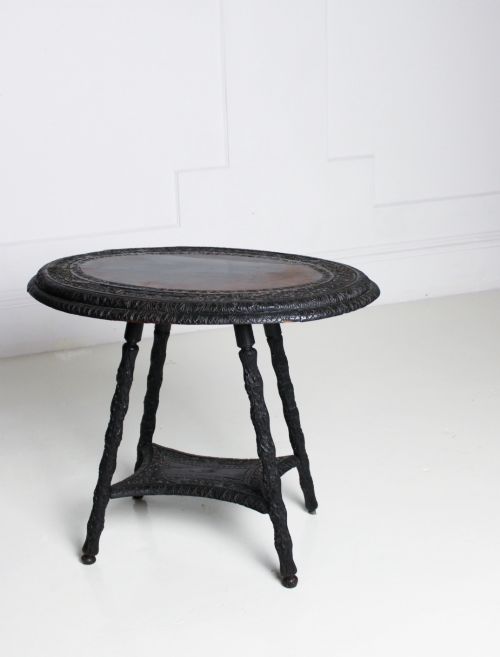
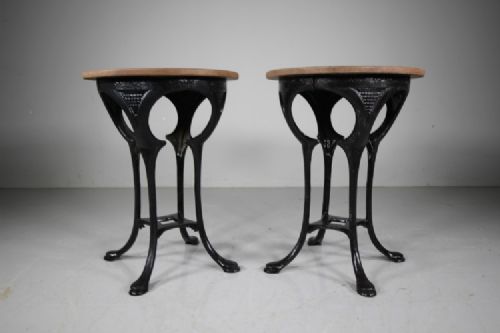
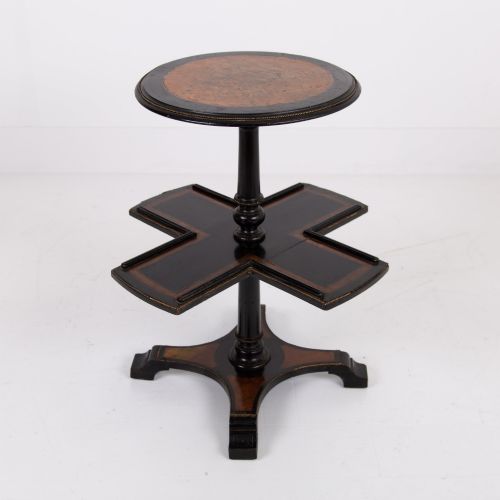
The selections on this page appear most frequently in nineteenth-century Victorian ebonised timber, alongside twentieth-century iterations influenced by Aesthetic Movement and Arts and Crafts principles. Forms stretch from simple round tables to elaborate cast iron structures and carved wooden columns.
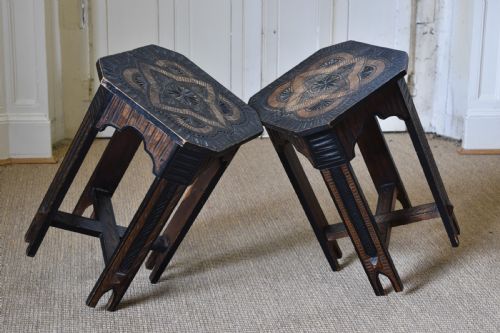
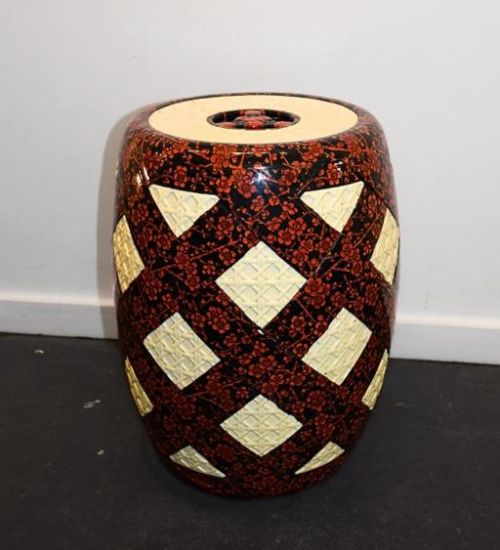
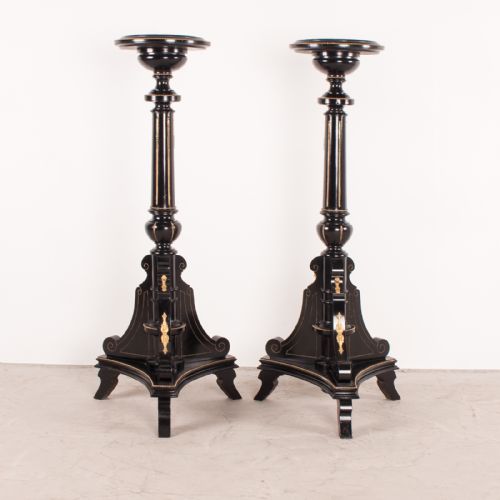
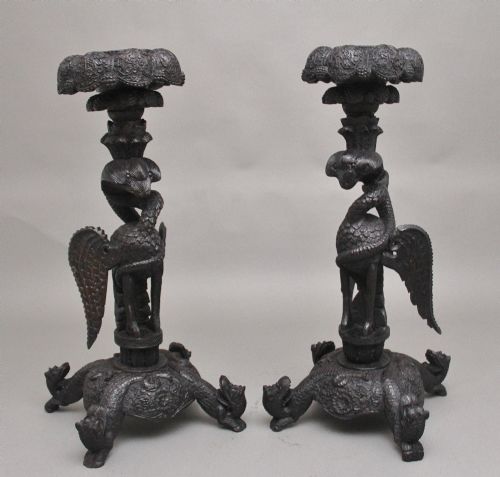
Originating across British, European, and Asian workshops, these stands incorporate diverse regional motifs including Anglo-Indian carving and Japanese lacquer work. Buyers encounter matching pairs as well as singular statement pieces suited for corners or central hallway placements.
How they were made
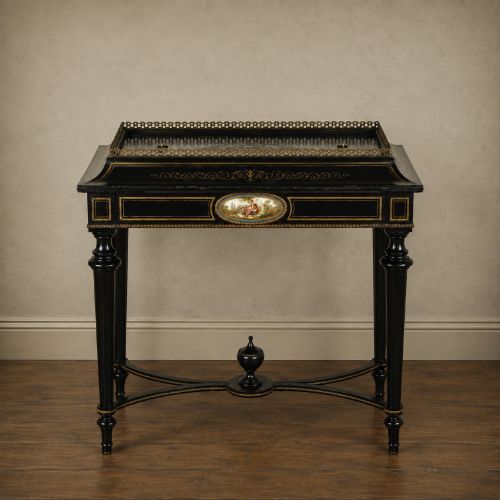
Dark finishes dominate this category, achieved through ebonising standard hardwoods to imitate expensive ebony, or by applying black lacquer and oriental finishes. Artisans combined these treated surfaces with contrasting inlays of bone, marquetry, or painted porcelain plaques.
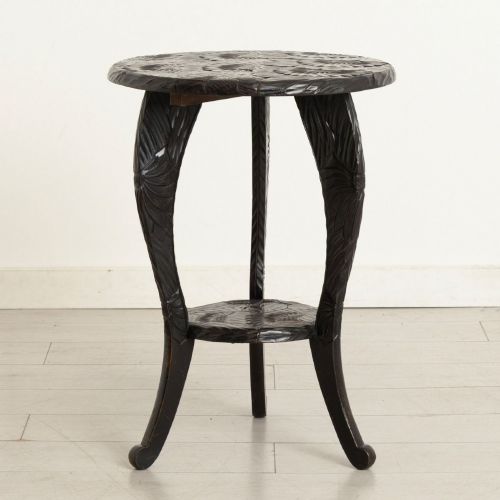
Structural integrity relied on traditional joinery alongside metalworking techniques, seen in cast iron frames, copper attachments, and wrought iron scroll-work. Carved wooden examples utilised dense hardwoods, chip carving, and hand-tooled detailing executed by regional craftsmen.
Elephants occasionally hold up the furniture.
What varies in quality
Quality rests upon the depth of the initial material selection and the precision of the decorative execution. Fine examples display crisp hand-carving and securely fitted marble tops rather than superficial surface paint applied over inferior softwoods.
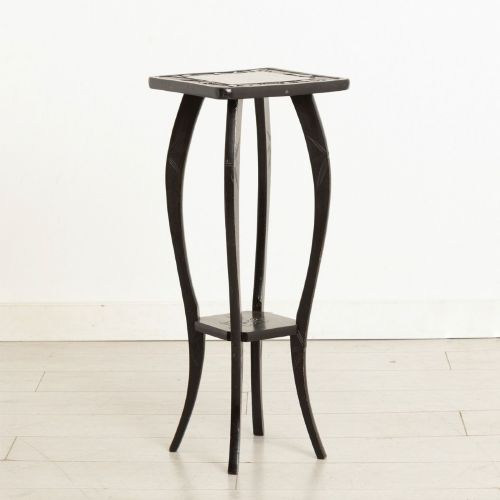
The distinction between standard production and superior craftsmanship lies in structural stability and integrated detailing like bone inlay or parcel gilding. Well-executed pieces maintain balanced proportions across heavier cast iron frames or delicate multi-tier wooden stands.
Hindley and Sons·Liberty of London·Archibald Knox
The Black Plant Stand Glossary
- Ebonised
- Wood treated with stain or dye to resemble true ebony. This dark finish gained immense popularity during the Victorian era for furniture and decorative stands.
- Torchere
- A tall ornamental stand designed to support a light source or decorative object. In this selection, these tall pedestals elevate plants or urns.
- Jardiniere
- A large ornamental pot or stand for flowers and plants. These receptacles often rest upon dedicated wooden or iron bases.
- Marquetry
- The art of applying pieces of veneer to a structure to form decorative patterns. Italian and Victorian examples frequently utilise this technique on table tops.
- Chinoiserie
- European decorative art reflecting Chinese artistic influences. This style appears on lacquered tables and plant stands within the collection.
Black Plant Stand: Frequently Asked Questions
What is a black plant stand used for?
These stands provide an elevated platform for displaying potted plants, ceramic jardinieres, and decorative objects. They help utilise vertical space in interior settings.
Historically, they also served as torchieres for lighting or as occasional side tables for holding small household items.
How do I identify a Victorian ebonised stand?
Victorian pieces typically feature dense hardwoods treated with a dark black finish to mimic costly ebony. Look for period characteristics such as hand-carved detailing, turned legs, and sometimes contrasting parcel gilt highlights.
Makers from this era often combined the dark wood with inset marble tops or painted ceramic plaques.
Are these stands suitable for heavy pots?
Stands constructed from cast iron, wrought iron, or robust hardwoods like oak and mahogany offer strong support for substantial planters. Lighter decorative tables with delicate fretwork are better suited for smaller, lighter ceramic pots.
Checking the stability of the base and legs helps determine the weight capacity of each individual piece.
What styles are available?
The selection includes items from the Victorian and Edwardian periods alongside Arts and Crafts, Aesthetic Movement, and Art Deco designs. Asian influences are also prominent through Japanese lacquer and Anglo-Indian carved wood.
Materials range from ebonised timber and marble to cast iron and copper.