


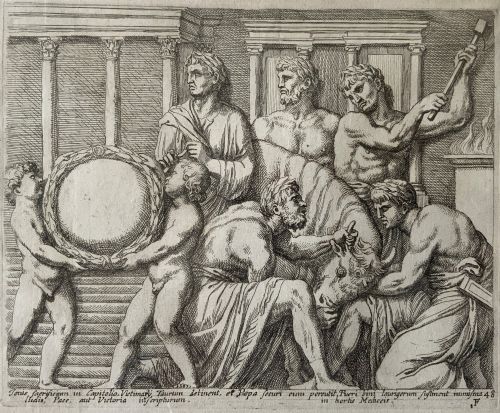
Black Paper Engraving
When you encounter a black paper engraving, you are looking at finely worked graphic art preserved behind glass in period timber frames.
Black Paper Engraving
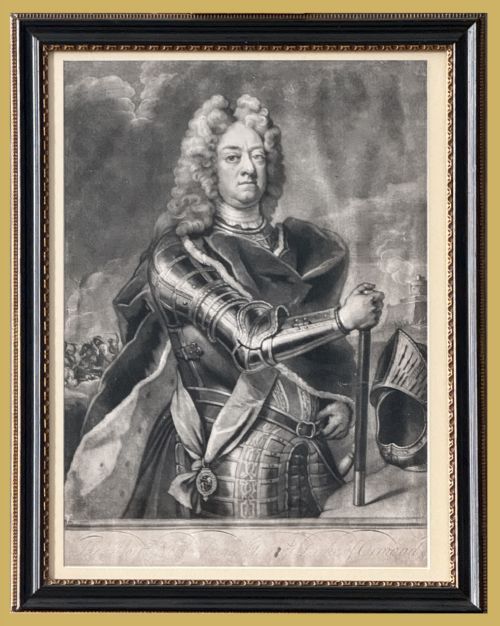
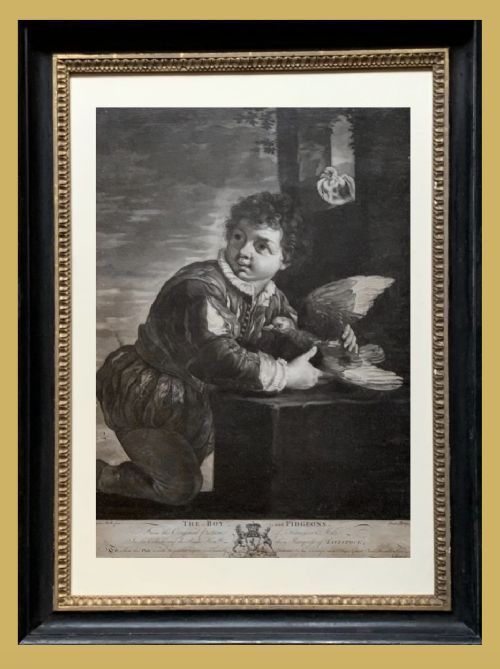
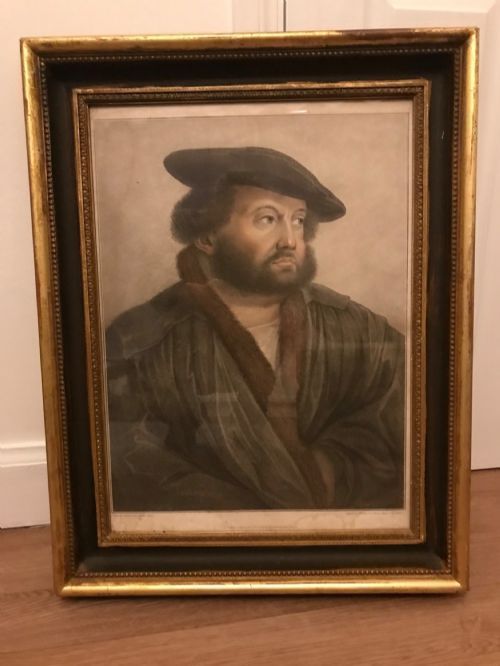
When collectors search for black paper engraving, they are looking at historical prints, etchings, and mezzotints dating from the seventeenth century through to the early twentieth century. These works primarily take the form of framed portraits, classical scenes, and maps produced across the Georgian, Victorian, and Regency periods.
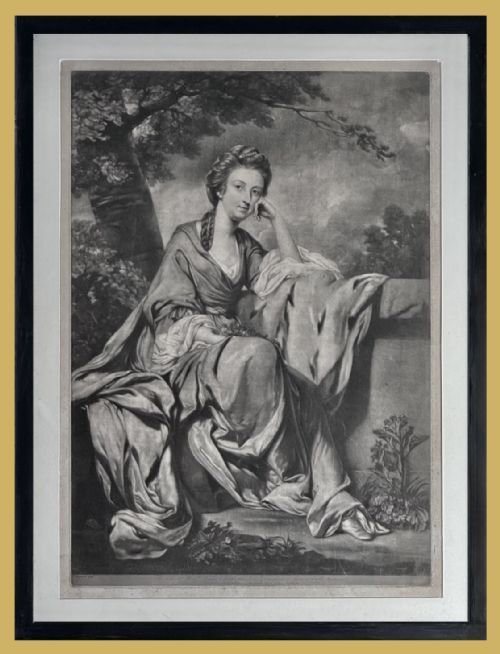
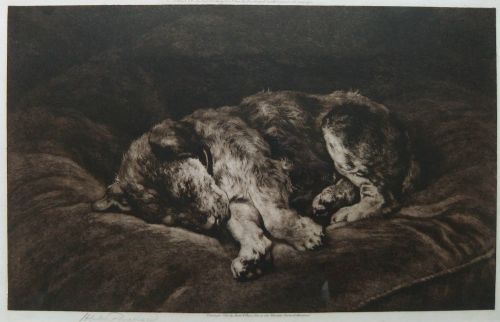
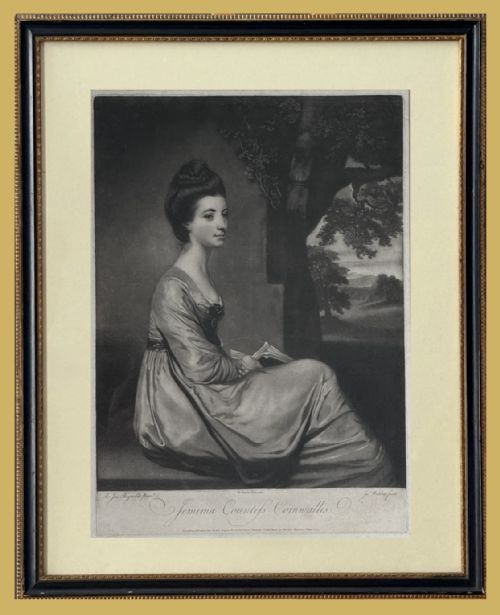
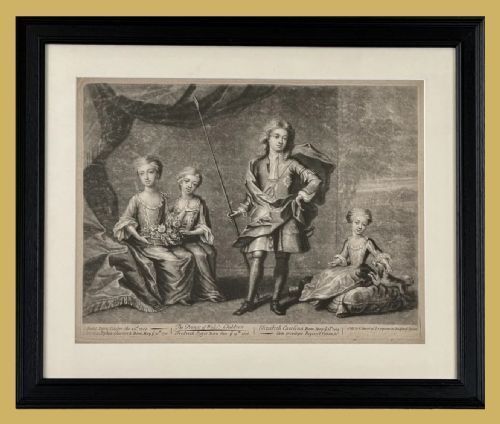
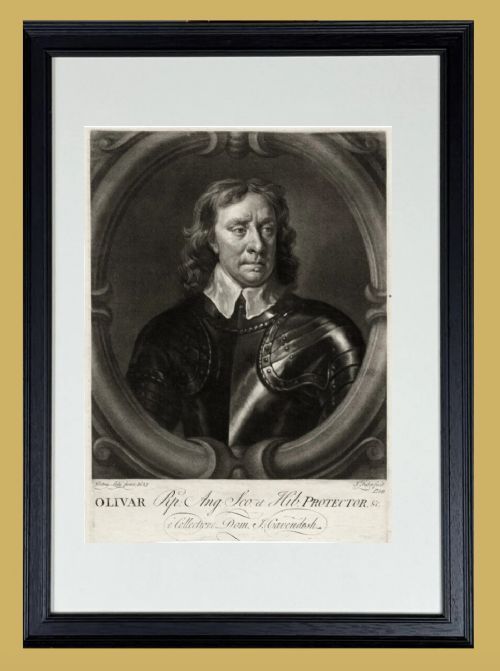
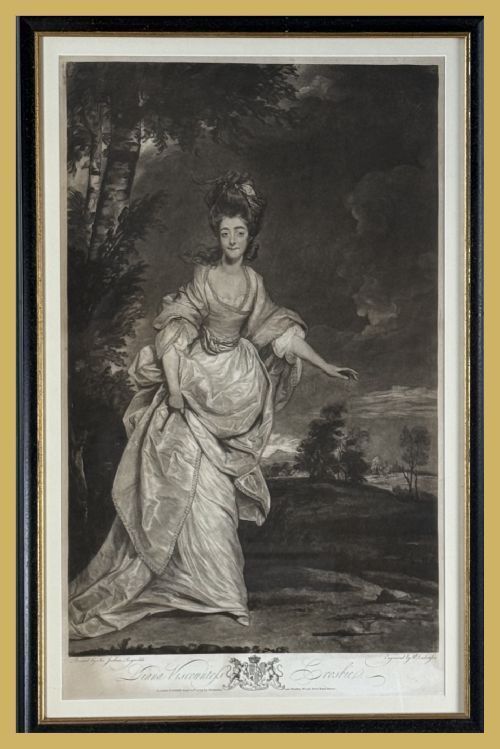
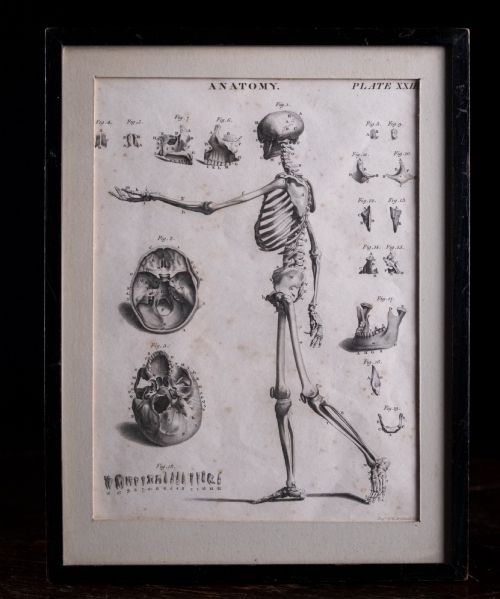
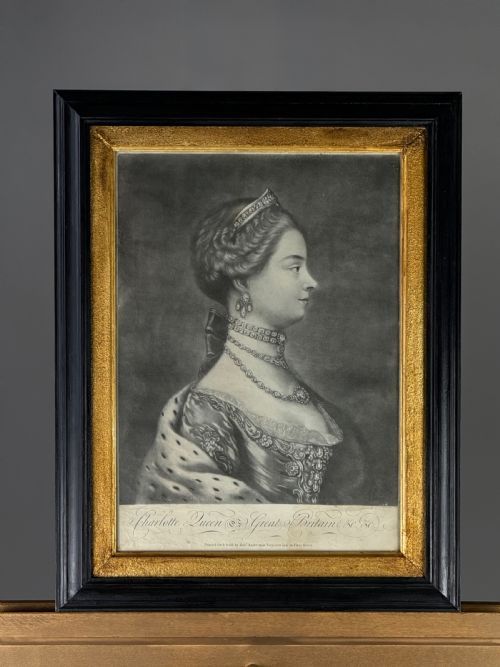
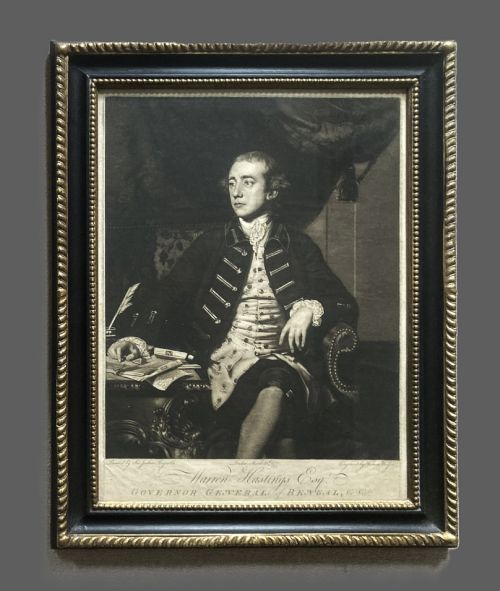
The selection on this page consists largely of eighteenth-century mezzotints and engravings alongside early twentieth-century etchings. Subjects range from aristocratic portraits after painters such as Sir Joshua Reynolds to anatomical studies, maps, and animal subjects framed in period wood and gilt mouldings.
How they were made
The works are executed on paper using ink and watercolour, often employing techniques such as stipple engraving, etching, and mezzotint to create tonal depth. Printmakers worked metal plates by hand before pulling impressions on paper presses.
Many examples retain their original framing materials, incorporating wood, glass, and gold leaf. Hogarth frames and gilt wood surrounds are frequently encountered among these historical prints.
Listings span from the seventeenth-century works of François Perrier to early twentieth-century etchings by Herbert Dicksee on paper.
What varies in quality
Quality in these prints depends on the crispness of the impression pulled from the plate and the survival of the original paper surface. Early proofs and well-maintained impressions retain fine detail in the cross-hatching and tonal gradients that weaker or later impressions lose.
The housing of the print influences overall merit, with original period frames and contemporaneous glass adding historical integrity. Clean margins and stable paper without heavy foxing distinguish finer examples from compromised sheets.
Francesco Bartolozzi·Herbert Dicksee·Jacobus Houbraken·John Smith·Valentine Green
The Black Paper Engraving Glossary
- Mezzotint
- A printmaking process where the copper plate is roughened uniformly to produce rich dark tones and subtle gradations of light. This technique was widely utilised for portraiture during the eighteenth century.
- Etching
- A method where lines are bitten into a metal plate with acid before ink is applied and transferred to paper. It allows for sharp, expressive linework characteristic of artists such as Rembrandt and later etchers.
- Stipple engraving
- A technique using dots of varying density to render form and tonal transitions rather than continuous lines. It gained popularity for reproducing chalk and pencil drawings.
- Hogarth frame
- A narrow, stepped wooden picture frame profile popular in the eighteenth century and revived later. These frames are typically dark in finish and complement period engravings.
- Aquatint
- A variant of etching that produces areas of tone resembling watercolour washes. It was frequently employed for landscape prints and book illustrations.
Black Paper Engraving: Frequently Asked Questions
How should I hang these prints?
Keep historical paper works away from direct sunlight and damp environments to protect the ink and paper substrate. Use picture hooks suited to the weight of the timber frame.
Maintain stable indoor temperatures to prevent the wood and paper from expanding or contracting excessively over time.
Are these prints original period pieces?
The listings comprise historical impressions pulled during the active periods of the artists and engravers rather than modern reproductions. Materials and framing styles correspond to the centuries indicated.
Paper analysis and plate mark examination help confirm the age of each individual sheet.
What is a mezzotint portrait?
A mezzotint portrait is an intaglio print created by scraping and burnishing a roughened metal plate to achieve smooth tonal gradations. This method produced velvety dark backgrounds well suited to dramatic portraiture.
Many examples on this page record notable figures after paintings by artists such as Sir Joshua Reynolds and Sir Peter Lely.
Why do some frames look older than others?
Many prints retain their contemporaneous frames made of wood and gilt detailing from the eighteenth or nineteenth centuries. These housings show the wear and patination expected of age.
Original frames provide context for how the artwork was displayed historically.