
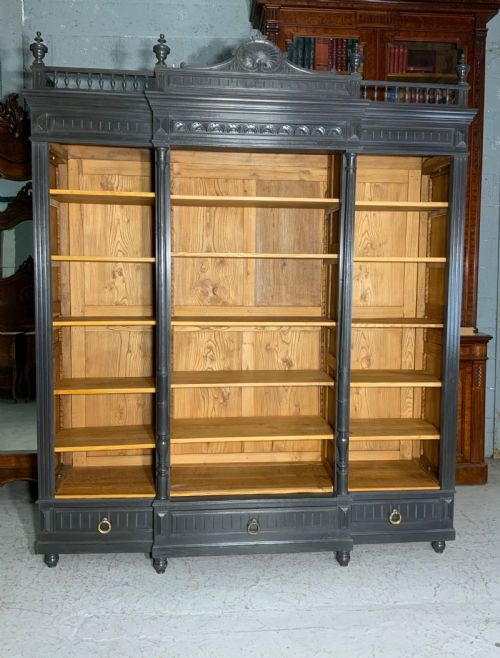
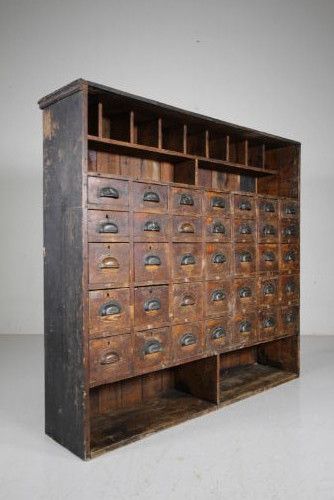
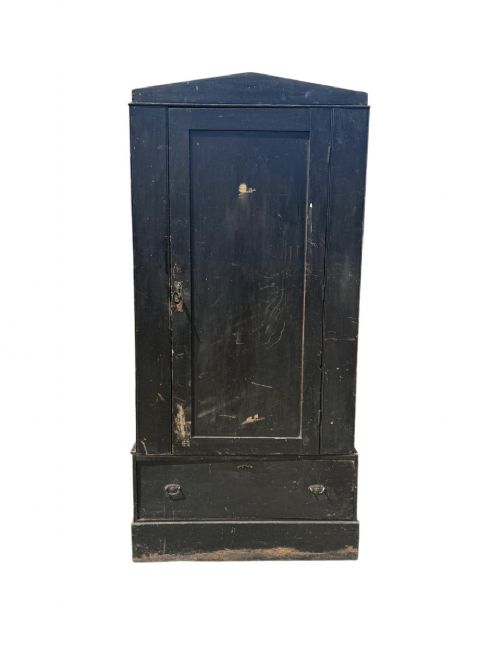


Black Painted Pine Cabinet
A black painted pine cabinet brings robust utility and striking dark surface texture to a room, offering practical storage disguised in period character.
Black Painted Pine Cabinet
A black painted pine cabinet spans various functional forms, including bedside cabinets, bookcases, chests of drawers, and cupboards intended for storage. These pieces emerge from the nineteenth century, encompassing Victorian, continental, and country vernacular traditions.
The buyer meets diverse regional expressions on this page, from Hungarian bedside cabinets featuring marble tops and columns to English country bases and French bookcases. Pine serves as the primary structural timber beneath the historic black paint finishes.
Forms range from compact bedside tables with oak elements to tall pantry cupboards and library bookcases designed for domestic utility. Each piece demonstrates the heavy reliance on painted softwood across European workshops during the eighteen-eighties and nineties.
Materials and construction methods
Makers constructed these pieces primarily using solid pine, occasionally combining oak sections or incorporating marble slabs for durable upper surfaces. Iron and brass fittings provide the functional hardware for doors and drawers.
Surfaces received layers of dark paint, sometimes applied over earlier light grey schemes or enhanced with hand-painted floral decoration and carved details. Joinery relied on traditional methods suited to softwood construction in regional workshops.
Listings feature nineteenth-century pieces incorporating pine, oak, marble, brass, and iron materials across various European styles.
Distinctions in quality
Quality reveals itself in the integrity of the timber framing and the preservation of the original painted surface rather than uniform factory perfection. Pieces featuring secondary materials like marble inserts or columned details demonstrate higher ambition in design.
The depth and survival of the historic black paint layer distinguish superior examples, particularly where decorative elements like hand-painted floral motifs or carved mouldings remain intact. Regional vernacular pieces show varying degrees of joinery refinement depending on the workshop origin.
The Black Painted Pine Cabinet Glossary
- Pine
- A softwood commonly utilised for nineteenth-century furniture carcases and painted domestic pieces. It provides a stable base that accepts dark paint and decorative finishes readily.
- Bedside cabinet
- A compact storage furniture form designed to sit beside a bed, frequently fitted with a single door or drawers. Nineteenth-century examples often incorporate marble tops.
- Vernacular
- Furniture built by local tradesmen for regional domestic use rather than following strict metropolitan stylistic rules. These pieces display practical construction methods tied to specific geographic traditions.
- Columned
- A design feature incorporating architectural pillars or pilasters into the sides of a cabinet or bedside piece. This detail appears on continental European examples from the Victorian era.
- Ebonised
- Wood finished with a dark stain or paint to imitate expensive ebony timber. This decorative treatment gained popularity during the nineteenth century for furniture surfaces.
Black Painted Pine Cabinet: Frequently Asked Questions
What is a black painted pine cabinet?
A black painted pine cabinet is a nineteenth-century storage piece built from softwood and finished with a dark painted surface. These items include bedside units, bookcases, and chests originating from various European regions.
The category encompasses diverse forms designed for practical domestic storage, united by their pine construction and historic black or ebonised paintwork.
How were these cabinets used originally?
Original owners utilised these cabinets for domestic storage in bedrooms, libraries, and living spaces to house books, linens, and personal items. Bedside versions held nighttime necessities beneath marble or wooden tops.
Larger forms like library bookcases and pantry cupboards served functional storage roles in nineteenth-century homes, combining utility with regional stylistic flair.
How do I live with a painted pine cabinet?
Living with a painted pine cabinet involves placing the piece away from direct heat sources to protect the softwood structure and historic paint layers. Normal indoor humidity prevents timber movement and surface cracking.
Cleaning requires gentle dusting with a dry cloth, avoiding harsh modern chemical polishes that can degrade nineteenth-century painted finishes over time.
How do I identify Victorian pine cabinets?
Victorian pine cabinets show nineteenth-century construction methods, utilising solid softwood timbers combined occasionally with oak or marble components. Regional stylistic cues help separate English country pieces from continental examples.
Hardware such as brass or iron fittings and the presence of historic black paint or hand-painted decoration provide further clues to the period and origin.