




Black Painted Drawers
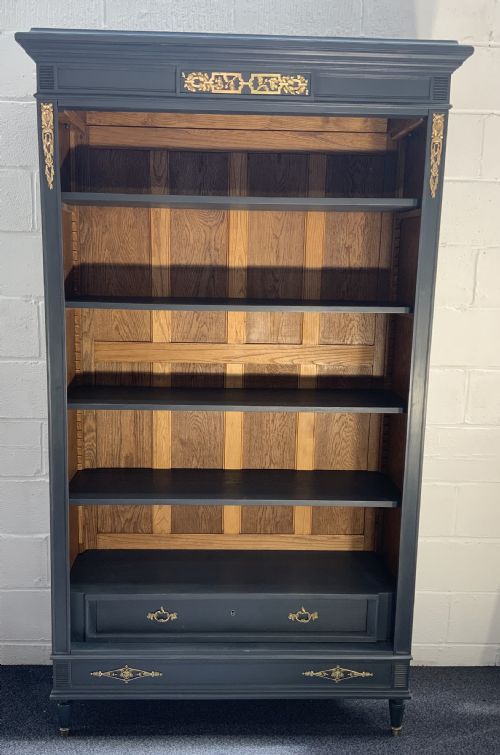
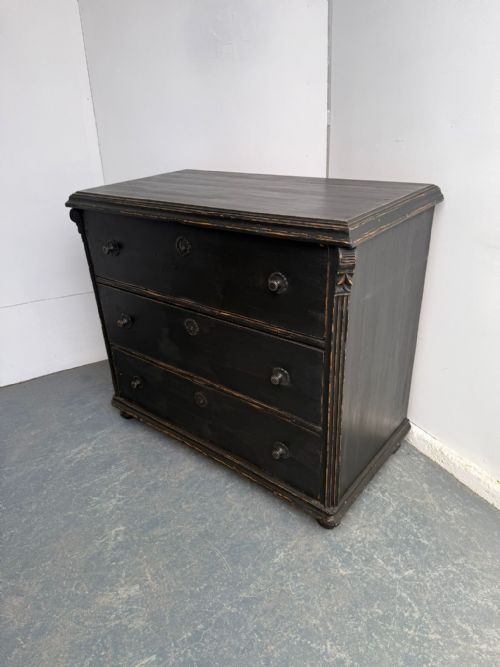
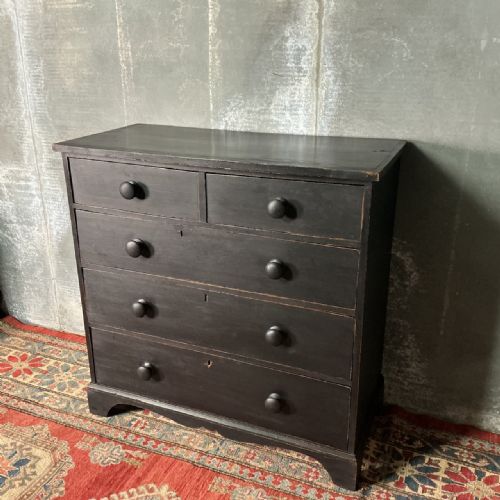
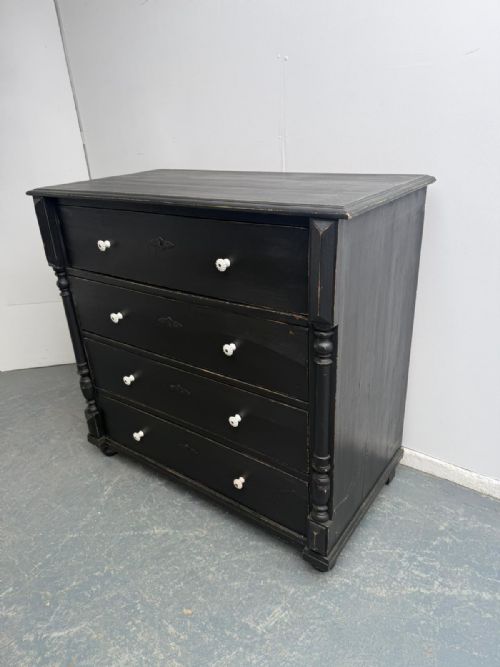
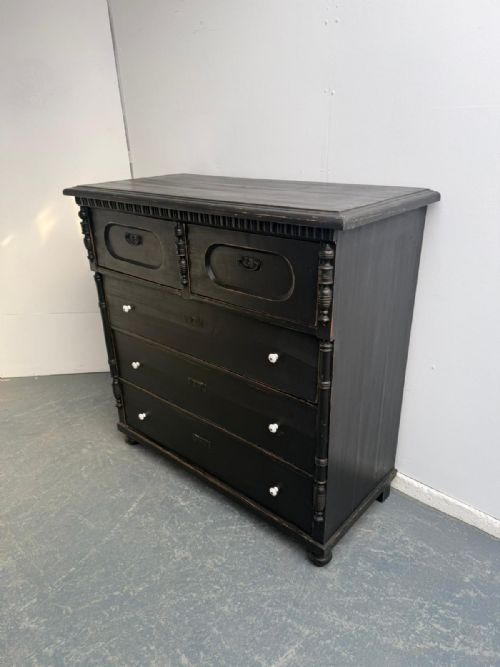
Black painted drawers bring practical storage and dark, striking surfaces into a room, spanning periods from the eighteenth century onwards.
Black Painted Drawers
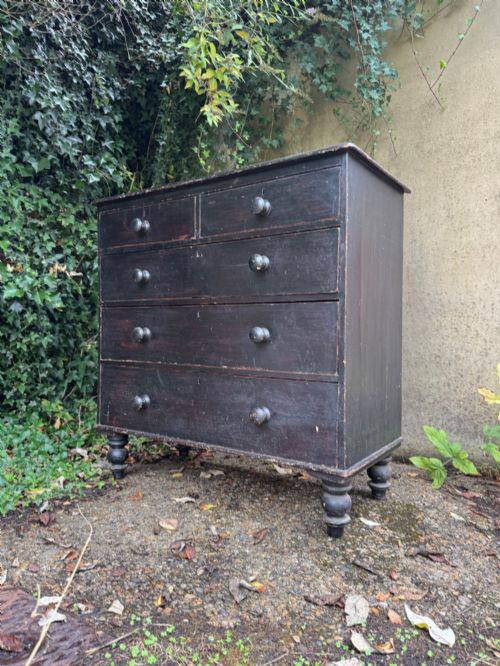
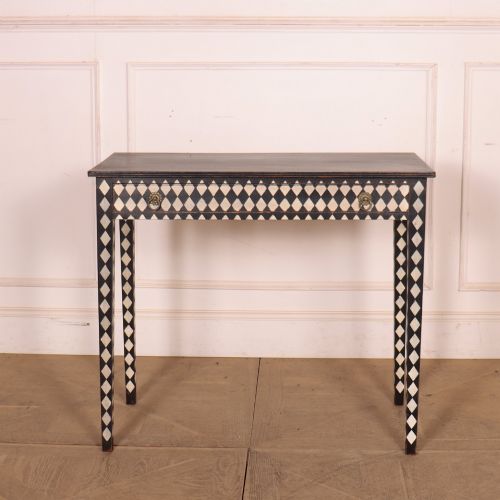
When you search for black painted drawers, you encounter utilitarian storage pieces and decorative commodes alike, originating from English, French, Hungarian, Swedish and Italian workshops. The most common versions on this page are nineteenth-century pine chests of drawers, alongside eighteenth-century commodes and dresser bases.
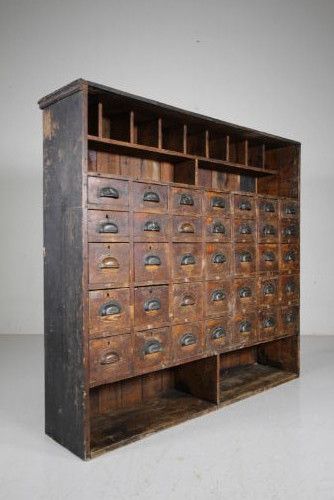
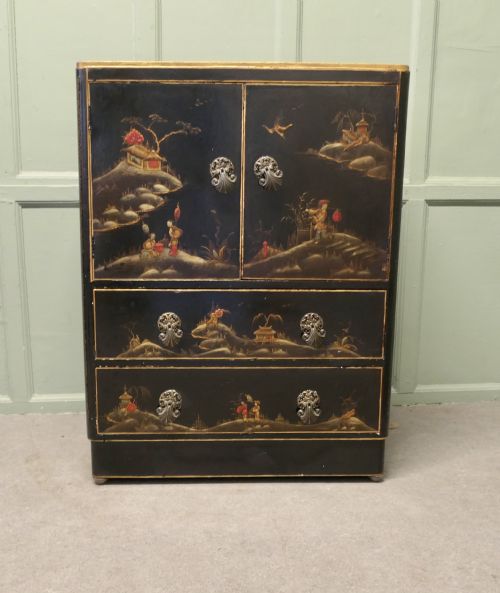
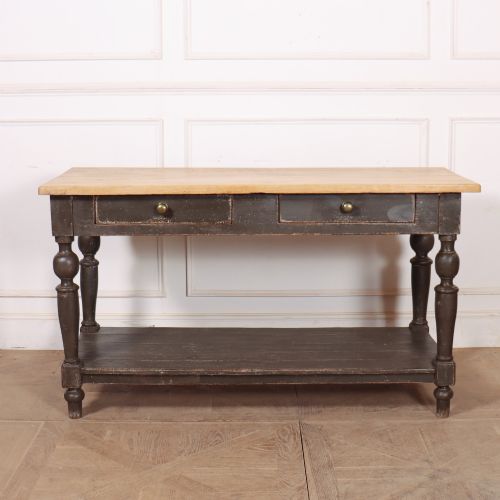
These items take various forms, ranging from tall chests and banks of drawers to lowboys, lamp tables and shop cabinets. Many examples retain original or later dark paint, often combined with painted geometric patterns, stencilling or gilt details.
Originating from domestic and commercial settings, these pieces served diverse purposes in bedrooms, hallways and shops. Their proportions vary from compact bedside tables to massive multi-drawer chests built for heavy storage.
Materials and Construction
Construction relies heavily on solid timber foundations, predominantly pine and oak, joined using traditional cabinet-making methods suited to the period. Surfaces receive layers of dark paint, lacquer or ebonising, occasionally decorated with hand-painted motifs or stencilling.
Hardware plays a key functional and decorative role, with brass embellishments, handles and pulls fitted to drawers and doors. Marble tops appear on selected eighteenth-century commodes, adding weight and a contrasting cooling surface to the dark timber below.
Listings feature pine, oak and painted wood surfaces, spanning the eighteenth, nineteenth and early twentieth centuries.
Evaluating the Pieces
Quality rests on the integrity of the underlying timber carcase and the condition of the surface finish. Pieces retaining original paintwork, whether simple dark coatings or complex black lacquer and chinoiserie decoration, hold greater visual and historical coherence.
Refined proportions, such as bowfronts or serpentine drawer fronts, distinguish finer cabinet-making from straightforward utilitarian workshop output. The retention of period brass handles and stable drawer runners further separates superior examples from heavily altered pieces.
The Black Painted Drawers Glossary
- Commode
- A low French or continental cabinet or chest of drawers, often standing on relatively tall legs. These pieces frequently feature decorative painted finishes.
- Ebonised
- Timber treated with a finish that darkens the wood to resemble ebony. This technique gained popularity in nineteenth-century revival styles.
- Lowboy
- A small English table with drawers, typically used as a dressing table or side table. They date predominantly from the eighteenth and nineteenth centuries.
- Chinoiserie
- European decorative style incorporating imitated Chinese motifs and lacquerwork. It appears on early twentieth-century cupboards and cabinets.
- Serpentine
- A furniture front curved with a convex centre flanked by concave ends. This shaping requires skilled carpentry and adds elegance to chests.
Black Painted Drawers: Frequently Asked Questions
What periods do these black painted chests come from?
The pieces span from the eighteenth century through the Victorian era and into the early twentieth century. Georgian, Victorian and later revival periods are all represented.
Craftsmanship and timber choices shift across these eras, moving from eighteenth-century oak and commode forms to nineteenth-century pine chests and later stencilled or lacquered surfaces.
Are the black painted finishes original?
Some pieces retain their original black paint, ebonised surfaces or lacquerwork applied during manufacture. Others received decorative paint schemes later in their lifespans.
Examining the wear patterns, underlying timber oxidation and relationship between the hardware and the paint surface helps determine the age of the finish.
Where were these dark painted drawers used originally?
They served practical storage functions across domestic bedrooms, dressing rooms and hallways. Larger banks of drawers and shop cabinets functioned in commercial settings like drapery shops.
Domestic examples stored clothing, linens and household goods, while smaller lamp tables and lowboys provided bedside or parlour surface space.
How do I care for antique painted wood furniture?
Protect painted and lacquered surfaces by keeping pieces away from direct sunlight and fluctuating heat sources. Dust gently with a dry or slightly damp cloth.
Avoid harsh chemical cleaning agents that can strip or soften historic paint layers, wax finishes and delicate gilt or stencilled decorations.