


Black Oak Side Table
These black oak side table pieces bring dark timber and sturdy utility into a room, offering compact surfaces rooted in past centuries.
Black Oak Side Table
A black oak side table search brings up sturdy occasional furniture, compact lamp tables, and bedside cabinets fashioned from dark timber or painted finishes. These items emerge from various periods including the nineteenth century, the Victorian era, and the nineteen-thirties.
The pieces on this page span several forms beyond basic stands, taking shape as console tables, occasional tables, and occasional cabinets. Makers drew on styles ranging from Victorian industrial and Arts and Crafts to Regency and French country.
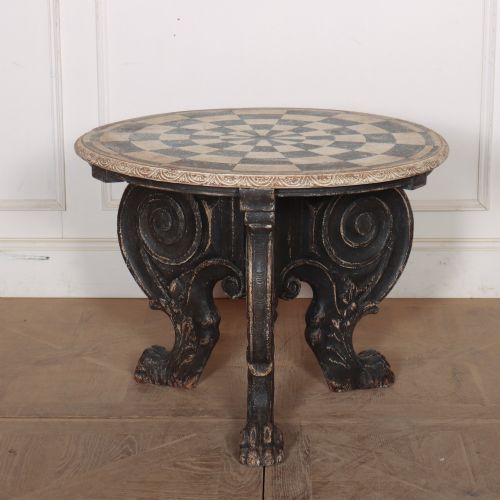
Materials extend beyond pure oak to include ebonised wood, stained wood, pine, marble, and iron details. Buyers encounter tables and cabinets that blend heavy woodwork with contrasting metalwork or stone tops.
How they were made
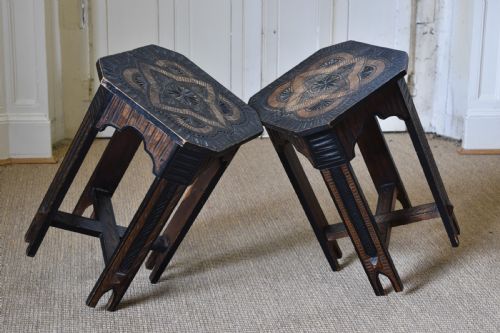
Construction relies heavily on solid oak, pine, and ebonised wood, sometimes enhanced with painted black surfaces or chip carving. Artisans shaped these timbers to create functional surfaces for domestic use.
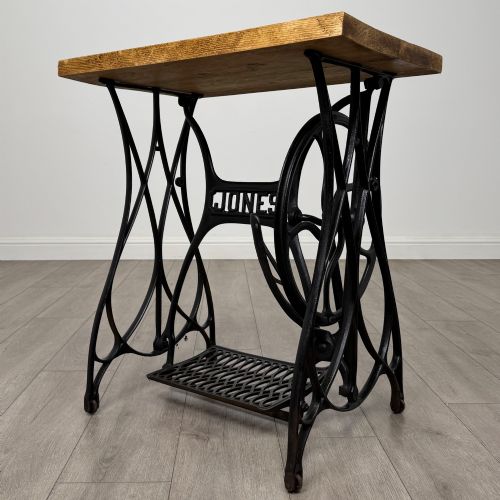
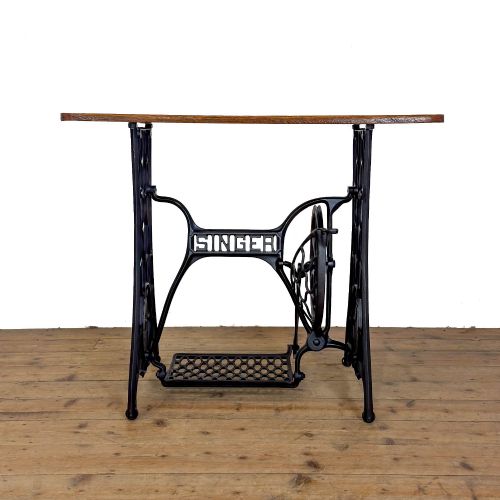
Many examples incorporate mixed materials, pairing oak and pine bodies with marble tops, cast iron bases, or brass fittings. Industrial and occasional forms utilise metal framing alongside wooden tops for increased stability.
The furniture forms span side tables, occasional tables, console tables, bedside cabinets, and desks.
What varies in quality
The standard of a piece rests on the depth of its carving, the integrity of its timber, and the harmony of its mixed materials. Tables featuring intricate chip carving or genuine marble inserts stand apart from simpler painted items.
Construction methods and period execution dictate the distinction between standard utility items and finer decorative pieces. The presence of specific stylistic markers, such as columned supports or distinct hardware, elevates the character of the furniture.
Krieger of Paris
The Black Oak Side Table Glossary
- Ebonised wood
- Timber treated to resemble ebony through staining or painting. This finish creates a dark, uniform appearance found on nineteenth-century and later occasional furniture.
- Occasional table
- A small, movable table designed for specific, intermittent use rather than central placement. These pieces function easily beside seating or in hallways.
- Pietra dura
- An inlay technique using cut and fitted polished coloured stones to create images. This decorative work appears on select nineteenth-century tabletops.
- Chip carving
- A style of carving where small chips are removed from a flat wooden surface in a geometric pattern. It decorates various tables from the early twentieth century.
- Console table
- A table designed to be fixed against a wall, frequently supported by ornamental legs or brackets. These form part of the varied side furniture group.
Black Oak Side Table: Frequently Asked Questions
What periods do these tables represent?
The pieces span the nineteenth century, the Victorian era, the Edwardian period, and the nineteen-thirties. Specific dates reflect the manufacturing eras recorded in the evidence.
Craftsmanship and materials shift across these decades, moving from ornate carved oak to industrial iron and wood combinations.
What materials are used besides oak?
Listings feature pine, ebonised wood, stained wood, marble, brass, and cast iron. These materials often appear in combination within a single piece.
Some items pair wooden frames with stone tops or metal bases to achieve distinct industrial or decorative styles.
How were these tables used originally?
These items served various domestic functions as lamp tables, bedside cabinets, occasional stands, and compact console surfaces. Their sizes suited specific corners or beside seating.
They provided practical placement for lighting, books, and household objects in period rooms.
How do I identify different regional styles?
Stylistic clues include French marble tops, German carved details, Hungarian painted pine, and British industrial ironwork. Regional workshops applied local preferences to standard forms.
Examining the combination of woods and decorative techniques helps distinguish between continental and domestic pieces.