


Black Marble Timepiece
These heavy black marble timepiece examples anchor a room with architectural presence, offering nineteenth-century weight and twentieth-century geometric restraint for the collector.
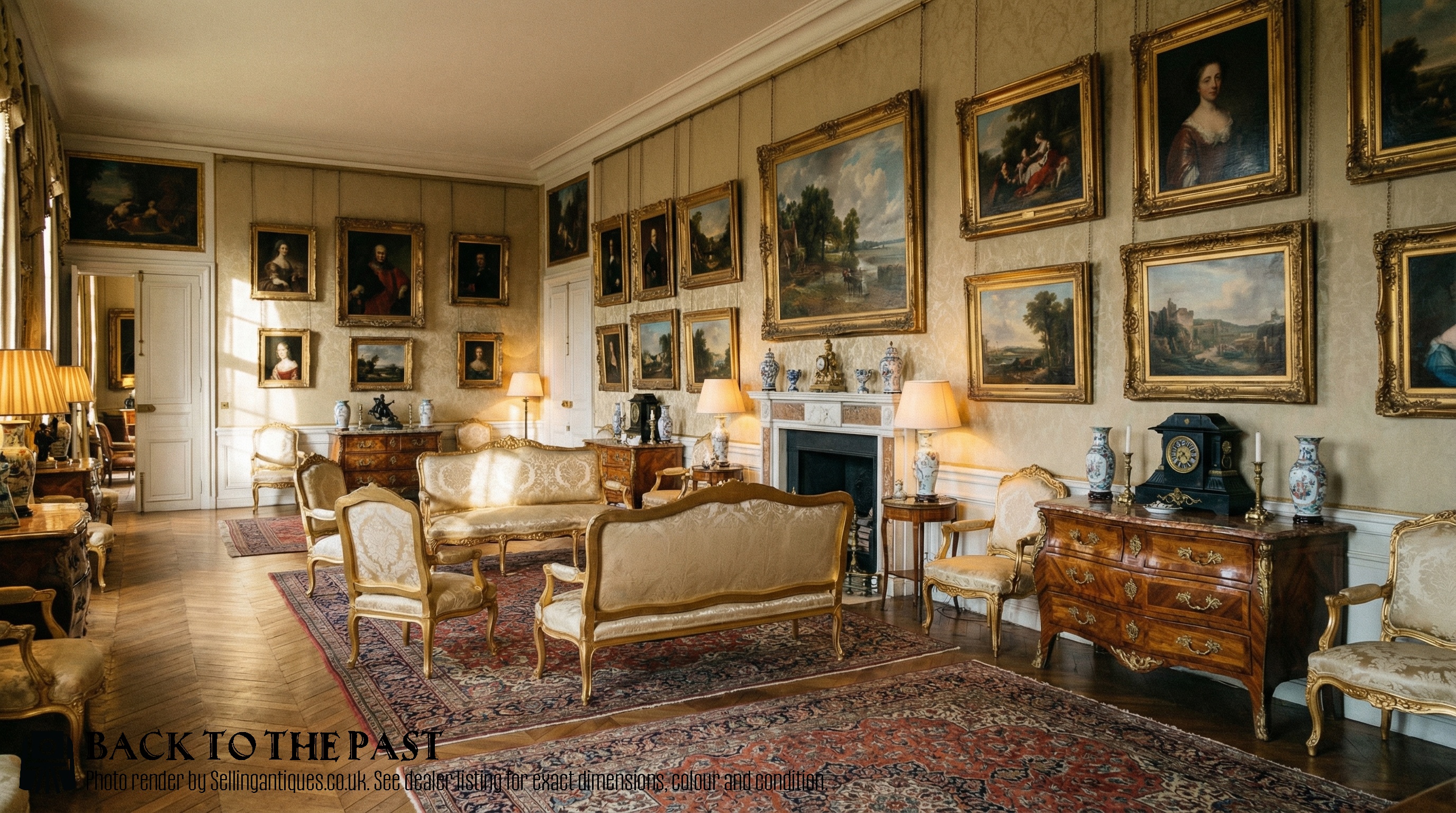
Black Marble Timepiece
When you search for a black marble timepiece, you enter a field dominated by nineteenth-century Victorian designs and later Art Deco interpretations. These heavy mantel clocks and desk clocks combine dark stone with contrasting elements of brass, slate, and patinated bronze to create striking architectural forms.
You are most likely to meet Victorian architectural and classical revival pieces on this page, alongside drumhead clocks and French mantel pieces. The selection spans straightforward nineteenth-century examples to later twentieth-century iterations featuring glass and gilt ormolu details.
How they were made
The makers of a black marble timepiece utilised dense stone and slate as foundational chassis materials, often mounting patinated bronze or brass figures and bezels directly onto the polished housing. Enamel dials with delicate numerals provide the legible face, protected behind thick glass covers.
Movements within these heavy cases relied on mechanical eight-day systems, fusee mechanisms, or perpetual calendars developed by skilled horologists. The heavy stone cases required precise stonemasonry to house intricate French and English escapements securely.
Listings span the nineteenth century through the nineteen-twenties, incorporating marble, slate, brass, bronze, and glass materials across various mantel and desk clock formats.
What varies in quality
The distinction between ordinary and exceptional pieces rests upon the crispness of the stone polish and the integration of bronze mounts. Superior examples display harmonious proportions, substantial weight, and finely cast decorative elements rather than mass-produced ornamentation.
The quality of the internal movement and the legibility of the enamel dial further divide the range. Makers who incorporated signed movements or specialised industrial series mechanisms elevated simple stone housings into significant horological works.
Philippes Paris·Guilmet Industrial Series·Achille Brocot·Henry Berkeley Square London·P.M.Favre
The Black Marble Timepiece Glossary
- Fusee
- A conical pulley used in clock movements to maintain an even pull as the mainspring unwinds. This mechanism ensures more consistent timekeeping throughout the duration of the power reserve.
- Drumhead clock
- A timepiece featuring a circular dial housing shaped like a drum mounted on a rectangular stone base. This specific silhouette is frequently encountered in Victorian slate and marble designs.
- Ormolu
- Gilt bronze created by applying a mixture of gold and mercury to a bronze base. This decorative technique adds a bright metallic contrast to dark stone clock cases.
- Garniture
- A set consisting of a clock and matching side ornaments such as urns or vases. These decorative suites were designed to sit harmoniously together on a mantelpiece.
Black Marble Timepiece: Frequently Asked Questions
How do I date a black marble timepiece?
Examine the overall architectural style, as pieces range from Victorian classical revival designs of the mid-nineteenth century to geometric Art Deco forms from the nineteen-twenties. The materials, dial typography, and movement signatures offer further clues to the decade of manufacture.
Consult any maker marks stamped on the backplate or dial to narrow down the origin. Stylistic markers such as Egyptian revival motifs or exposed glass components point toward specific manufacturing periods.
Are these clocks very heavy?
Yes, genuine stone and slate cases possess considerable weight that requires a sturdy mantelpiece or shelf for safe placement. The dense materials used in their construction give them an anchoring presence in a room.
Take care when moving or lifting any timepiece featuring marble and slate components. Assistance is often required to position these heavy decorative objects securely.
How do I wind the movement?
Most mechanical pieces utilise a key inserted into winding holes on the enamel dial to tension the mainspring. Care must be taken not to overwind the mechanism, stopping as soon as resistance is felt.
Consult the specific movement type, whether an eight-day or fusee system, to determine the correct winding interval. Regular maintenance by a professional horologist ensures the longevity of these antique mechanisms.
What is a mantel clock garniture?
A garniture comprises a central timepiece accompanied by matching side ornaments, traditionally designed to create a balanced display across a fireplace mantel. These matched sets share the same stone, bronze, and architectural motifs.
Displaying the complete set together highlights the decorative ambition of the original maker. Individual pieces from a garniture occasionally become separated over time.