




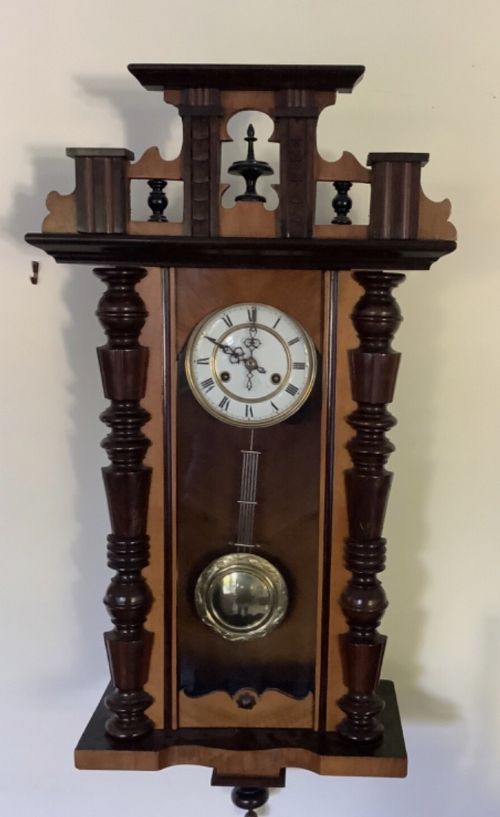

Antique Architectural Clock
An antique architectural clock brings the monumental presence of a grand building onto a mantelpiece through columns, pediments and stone.
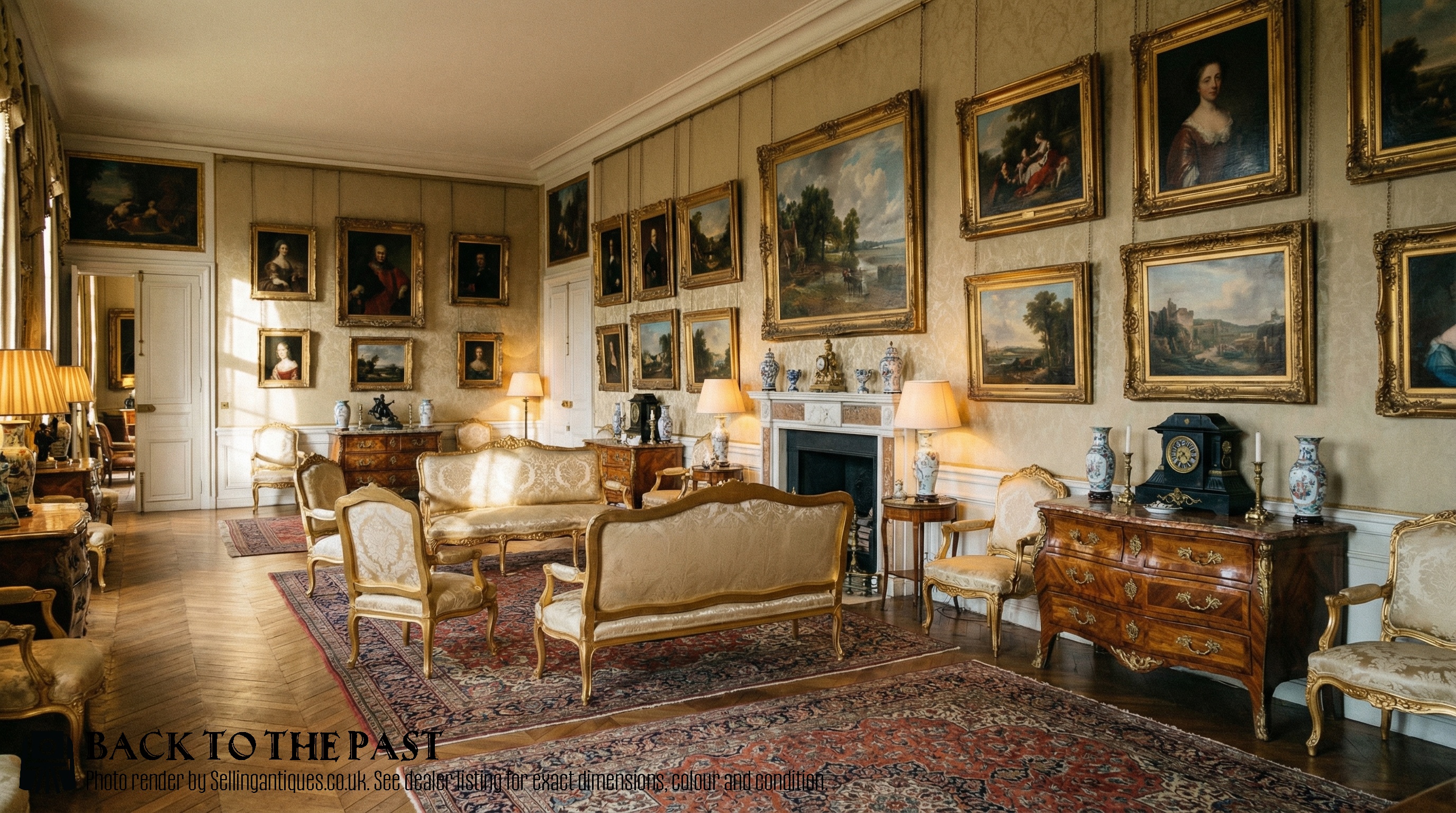
Antique Architectural Clock
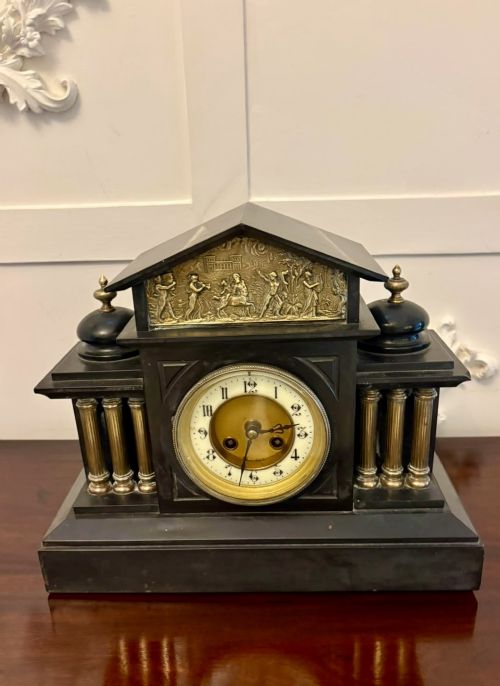
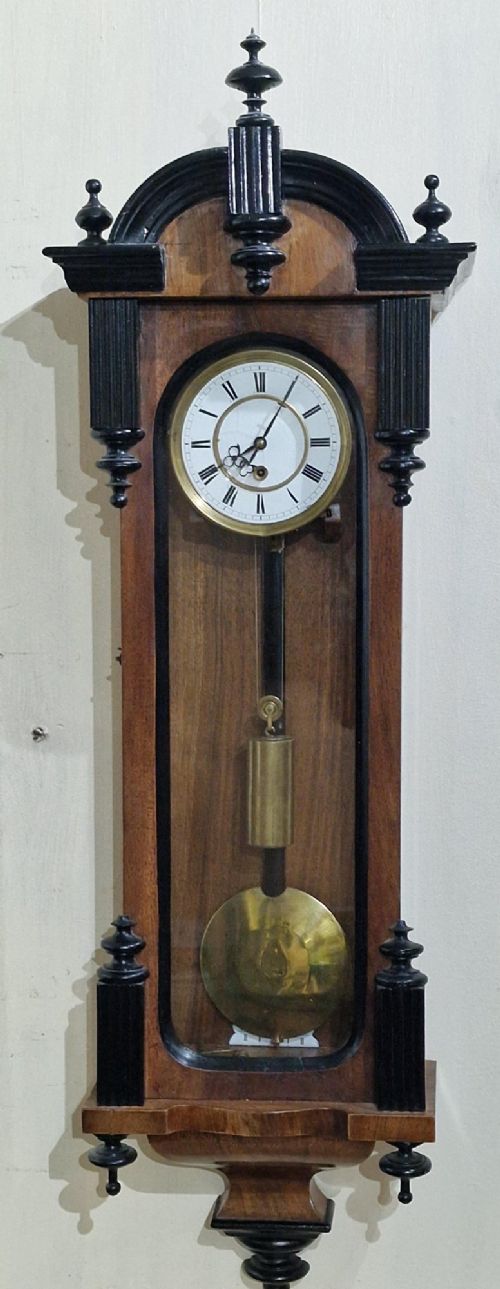
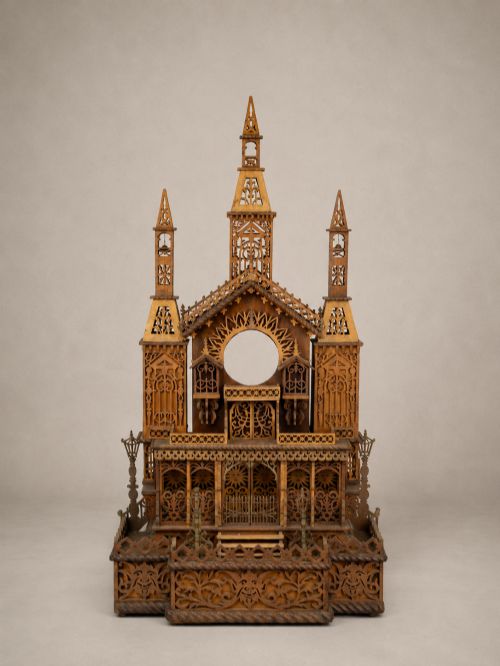
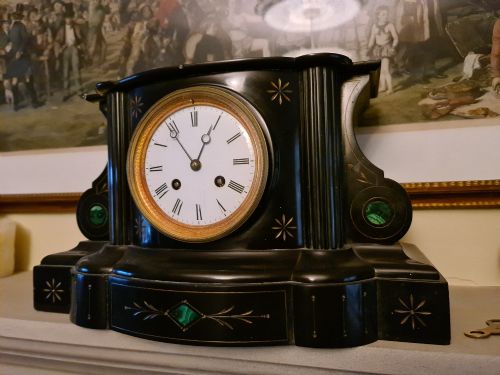
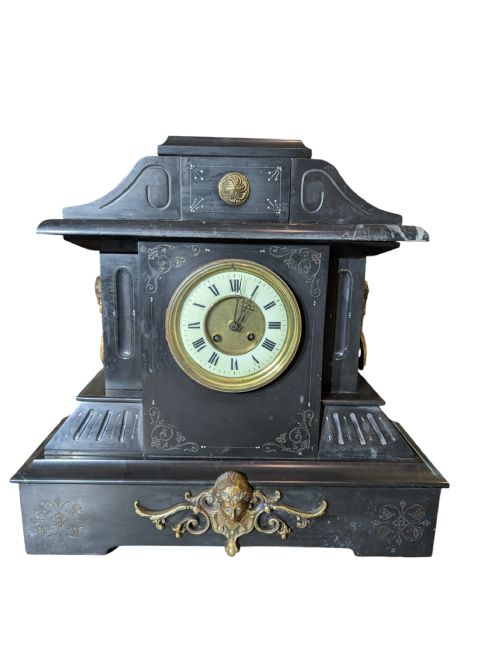
When you search for an antique architectural clock, you encounter heavy stone cases, temple facades and substantial porticos designed to mimic classical or gothic buildings. The listings show a strong presence of French marble and slate mantel pieces alongside Austrian and German wall regulators.
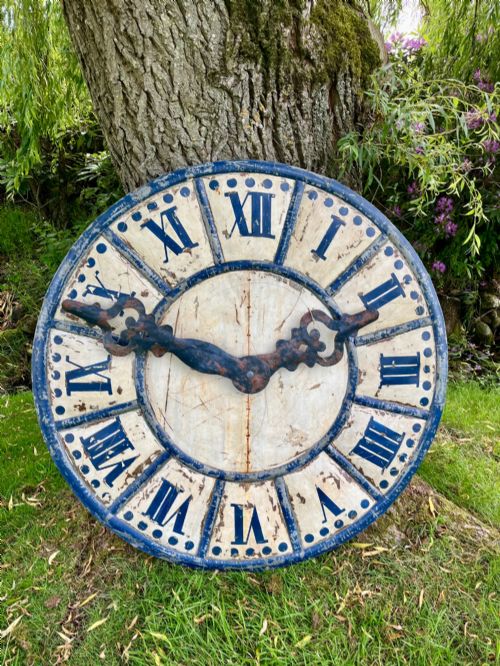
Most examples date from the nineteenth century, drawing heavily on Victorian, Gothic Revival and French Empire styles. You will find items ranging from large black slate temple forms to walnut wall cases and detached enamel turret dials.
These pieces served as both timekeepers and focal points for principal rooms, constructed to project permanence and status. The domestic mantel clock dominates the selection, though large outdoor turret clock faces also appear.
Distinctions in quality
The division between standard production and the finest work lies in the architectural ambition of the case and the crispness of the stonework. Superior examples integrate bronze mounts and inlays seamlessly into solid marble or walnut bodies rather than relying on surface finishes.
Movement sophistication also dictates value, with twin fusee systems and signed maker plates representing higher standards of workshop production. The balance between the weight of the stone case and the refinement of the enamel dial determines the overall success of the piece.
Some turret clock dials measure over three feet across, designed to be read from across a village square rather than a mantelpiece.
Philippes Paris·Baby and Jannings·D. Munsey of Cambridge·Johann Baptist Beha·Gibbs London
The Antique Architectural Clock Glossary
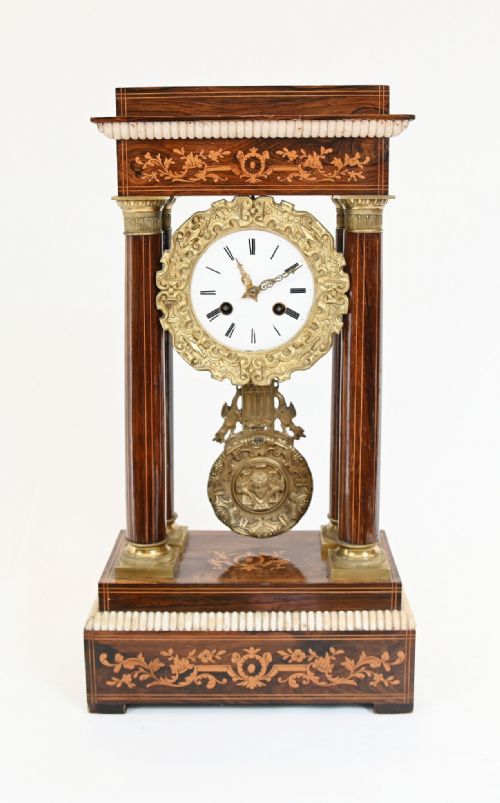
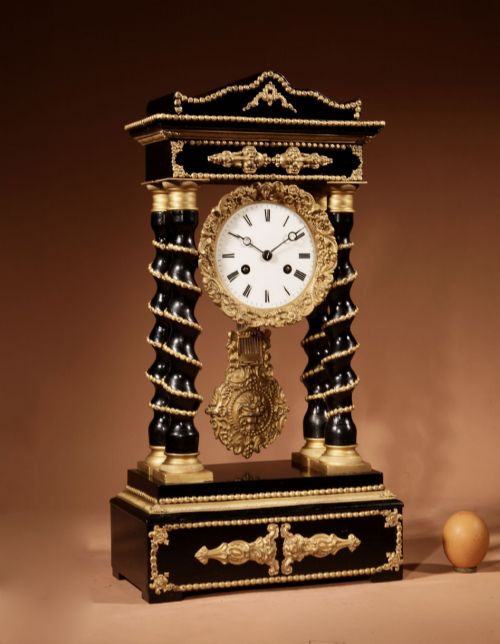
- Portico clock
- A distinct architectural style featuring four or more columns supporting a central entablature, popular during the Charles X and French Empire periods. These often house the pendulum visibly within the central cavity.
- Fusee
- A conical pulley used in better quality clocks to maintain an even pull on the movement as the mainspring unwinds. This mechanism ensures more accurate timekeeping throughout the duration of the wind.
- Turret clock
- A large clock designed for a tower or architectural apex, featuring an exterior dial exposed to the elements. Surviving examples often retain original iron hands and substantial enamel faces.
- Ormolu
- Gilded bronze used for decorative mounts, architectural capitals and dial bezels on French mantel pieces. The technique involves applying a mercury and gold amalgam to bronze before firing.
- Bracket clock
- A portable clock designed to sit on a table, bracket or shelf, frequently built with architectural pediments and carrying handles. They often house double fusee movements striking on bells.
Antique Architectural Clock: Frequently Asked Questions
How do I maintain an antique architectural clock?
Keep the heavy marble or slate case on a stable, level surface to ensure the pendulum swings evenly. Professional cleaning and oiling every few years will protect the brass movement.
Avoid placing the piece near direct heat sources or damp walls, as temperature fluctuations can affect the wooden elements and dry out lubricants within the gear train.
Where were architectural clocks displayed?
These clocks typically stood upon mantelpieces in principal reception rooms, dining halls and libraries where their monumental facades commanded attention. Wall-mounted variants hung in studies or hallways for easy viewing.
Their substantial weight meant they required sturdy marble shelves or dedicated wooden brackets fixed directly to masonry walls.
What is a portico clock?
A portico clock is a specific French architectural style shaped like a classical temple with supporting columns. The pendulum often swings openly between the pillars behind the dial.
Cabinetmakers built these using wood veneers, ormolu mounts and marble bases to mimic ancient architectural forms during the nineteenth century.
How do I date an architectural clock?
Examine the materials and stylistic revival cues, such as Victorian Gothic elements or French Empire ormolu mounts. The combination of black slate, marble and visible escapements typically points to the nineteenth century.
Inspect the movement backplate for maker signatures, serial numbers or exhibition stamps that provide more precise chronological markers.