

Black Lacquer Chest
A black lacquer chest brings centuries of decorative art into a room through rich surfaces, gilded motifs and substantial storage forms.
Black Lacquer Chest
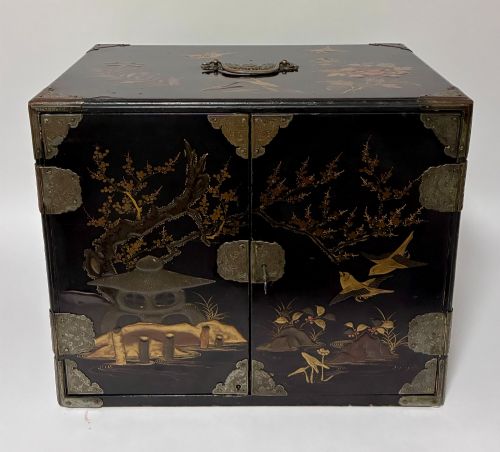
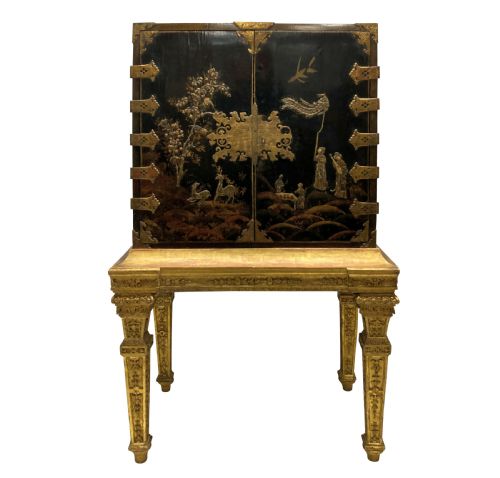
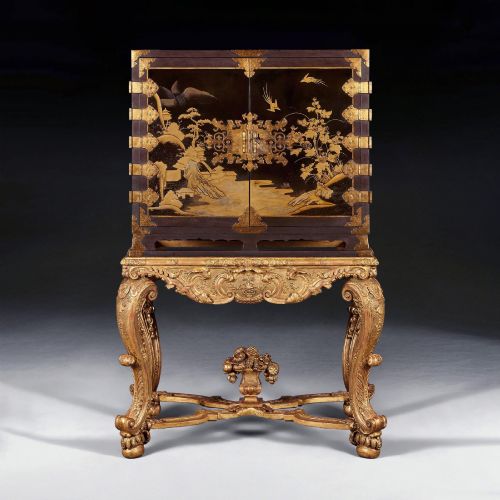
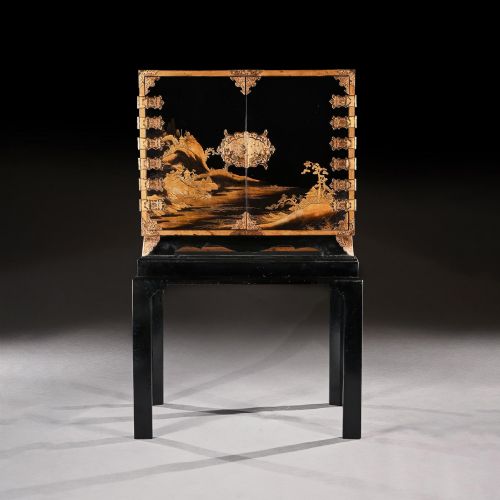
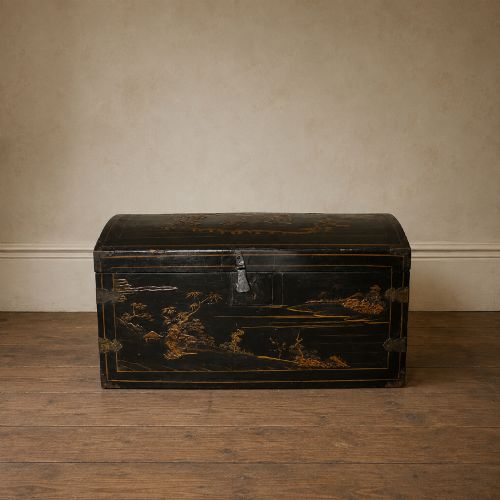
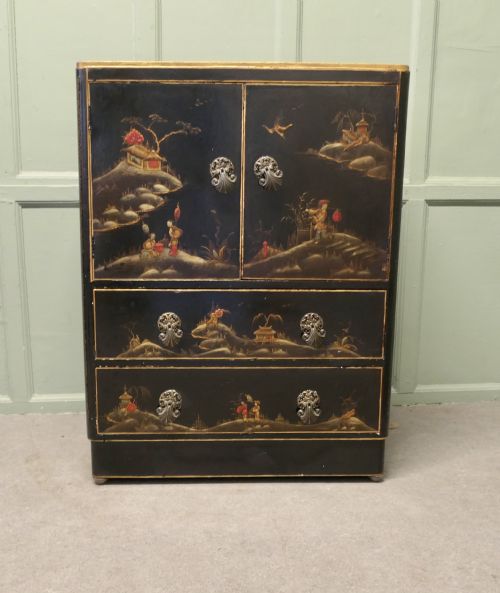
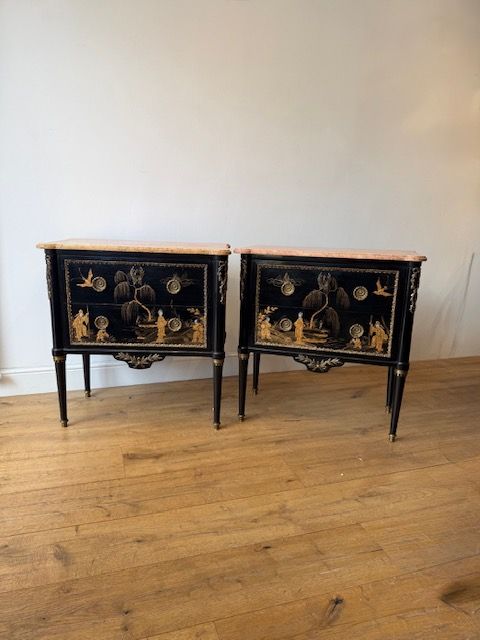
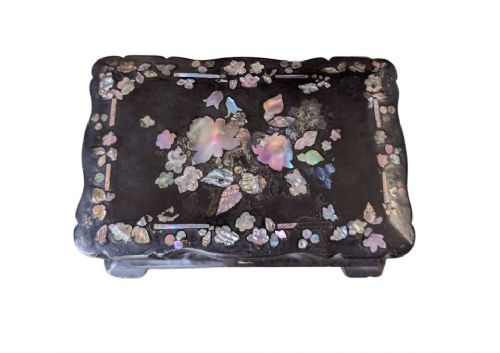
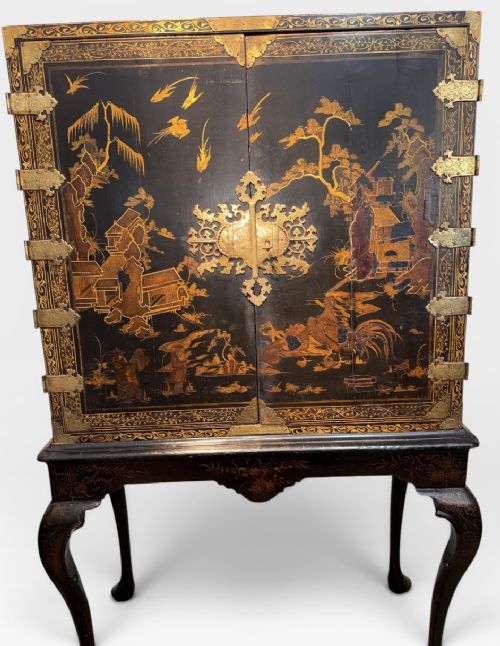
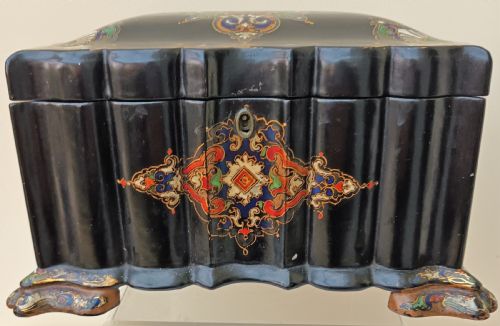
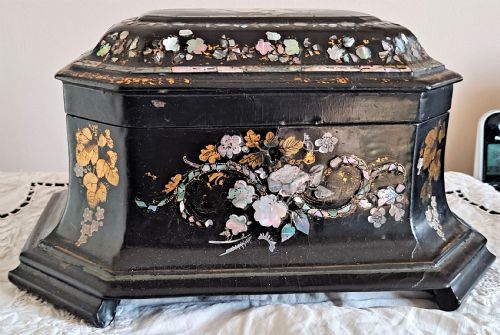
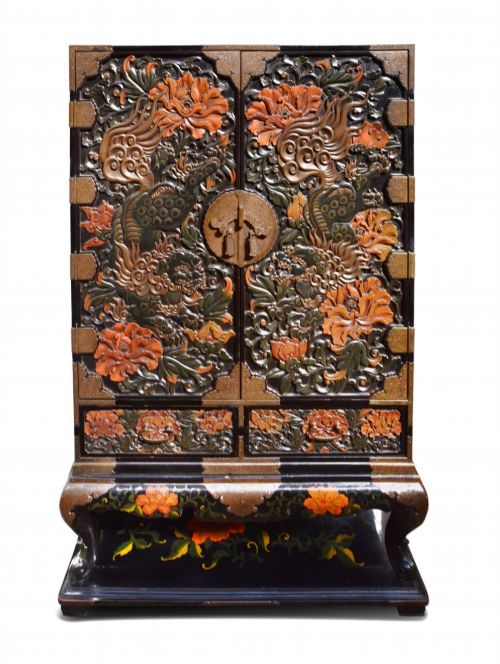
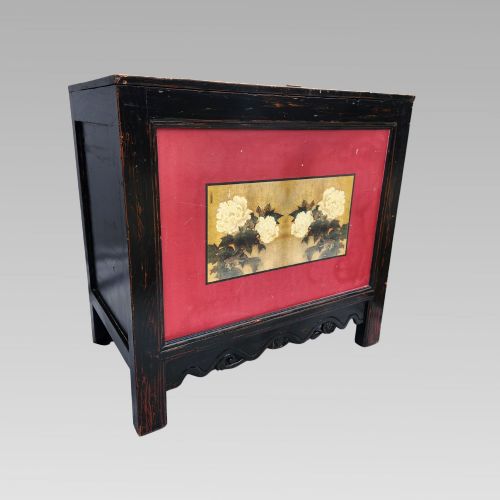
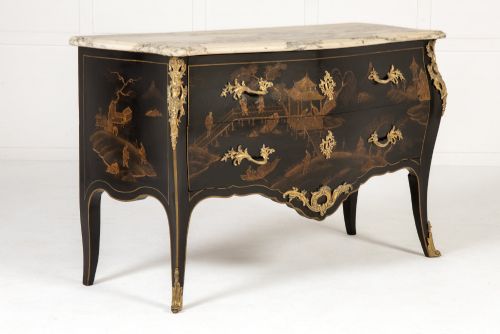
A black lacquer chest encompasses a diverse range of forms designed for storage and display, appearing across this page as table cabinets, tea caddies, larger trunks, and sophisticated cabinets on stands. Buyers seeking this phrase encounter pieces spanning from the seventeenth century through the early twentieth century, originating from Chinese, Japanese, English, and French makers.
The selection leans heavily toward cabinet forms on stands and compact table cabinets alongside domestic trunks and tea caddies. Pieces from the seventeenth and eighteenth centuries often present complex Chinoiserie or Japanned surfaces, while nineteenth- and twentieth-century examples introduce varied regional influences and decorative floral schemes.
How they were made
These works rely on wooden foundations treated with layers of lacquer, creating a smooth dark ground suited to detailed ornamentation. Artisans applied gold leaf, metallic pigments, and mother of pearl inlay to build pictorial scenes of landscapes, birds, and figures.
Hardware plays a structural and decorative role, with brass mounts, locks, and handles securing the corners and doors of cabinets and trunks. Certain pieces incorporate carved wooden stands, sometimes gilded or painted to complement the main body of the chest.
The listings demonstrate centuries of craftsmanship, spanning periods from the seventeenth century through to 1930.
What varies in quality
The refinement of the surface decoration determines the distinction between standard domestic items and high-end artistic works. Finer examples display intricate hand-painted gold leaf details, precise inlay work, and cohesive proportions between the chest and its accompanying stand.
The integrity of the lacquer surface and the retention of original decorative elements dictate the overall standard of preservation. Pieces retaining their original stands, mounts, and uncompromised painted schemes represent the upper tier of the range.
Louis Majorelle
The Black Lacquer Chest Glossary
- Chinoiserie
- European theatrical interpretation of Chinese and East Asian artistic styles, popular in furniture decoration during the seventeenth and eighteenth centuries. This style employs motifs of pavilions, figures, and exotic landscapes rendered in gold and colour upon dark grounds.
- Japanned
- European imitation of Japanese and Chinese lacquerwork developed during the seventeenth century. Craftsmen built up layers of varnish and paint, frequently curing them in heat to achieve a hard glossy finish.
- Cabinet on Stand
- A storage furniture form consisting of a principal cabinet enclosing multiple small drawers, elevated upon a separate supporting frame or table. The stand itself often reflects the specific architectural taste of its period.
- Tea Caddy
- A small lidded box or chest originally constructed to store loose tea leaves securely. These containers frequently feature internal compartments and delicate surface ornamentation.
- Kodansu
- A traditional Japanese small portable cabinet featuring multiple drawers and compartments. These items were utilised for storing documents, seals, or personal valuables.
Black Lacquer Chest: Frequently Asked Questions
How do I date a black lacquer chest?
Dating relies on examining the construction methods of the underlying wood, the style of the brass hardware, and the aesthetic conventions of the painted decoration. Seventeenth- and eighteenth-century examples often feature distinct cabinet-on-stand proportions and hand-tooled hinges.
Later nineteenth- and twentieth-century pieces introduce varied regional manufacturing techniques, machine-finished elements, and distinct stylistic revivals. Comparing the specific lacquer techniques and motifs to documented examples helps narrow the period of origin.
Where were these chests originally placed?
Larger cabinets on stands and trunks served as prominent display and storage furniture within principal rooms such as drawing rooms, halls, and formal bedchambers. Their decorative surfaces were intended to be visible to guests as symbols of worldly taste.
Smaller forms like tea caddies and table cabinets sat upon desks, tables, or dedicated stands within private studies and parlours. They kept precious commodities and personal papers close at hand.
How do I care for antique lacquer?
Antique lacquer surfaces require gentle treatment, keeping them away from direct sunlight, extreme temperature fluctuations, and high humidity. Dusting should be performed softly with a dry, lint-free cloth without applying modern liquid polishes or chemical cleaners.
Maintaining a stable indoor climate prevents the underlying wood from expanding or contracting, which protects the delicate lacquer layers and gold leaf from cracking. Professional conservation is recommended for any structural repairs.
What is the difference between Chinese export and Chinoiserie?
Chinese export pieces were manufactured within China specifically for Western markets, combining traditional Asian materials and craftsmanship with shapes requested by European buyers. These items reflect authentic regional execution adapted for international trade.
Chinoiserie describes European-made furniture and decorative art created by Western artisans imitating Asian design motifs. These works utilise European timber frameworks and local lacquering traditions to achieve an exotic visual effect.