




Black Iron Sculpture
Black iron sculpture brings formidable presence to a room, offering robust forms shaped through enduring metalwork traditions.
Black Iron Sculpture
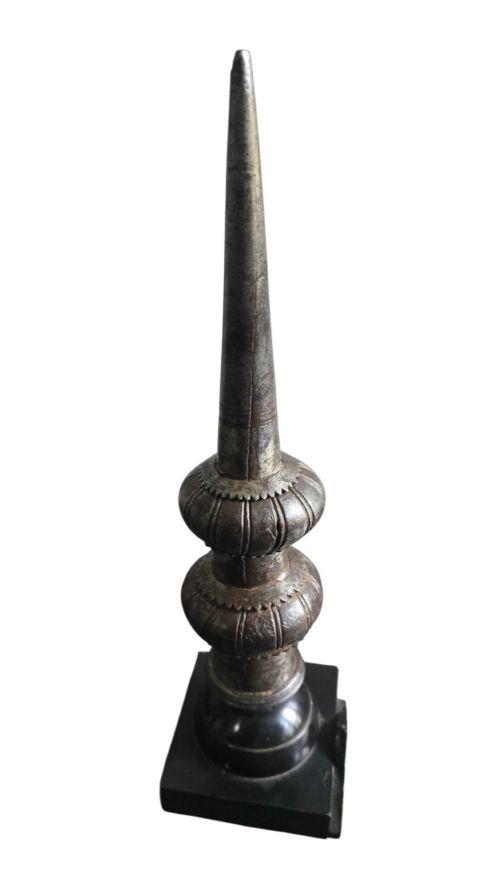
When you search for black iron sculpture, you encounter a robust selection of utilitarian and decorative objects spanning the Victorian era through the early twentieth century. The inventory on this page consists predominantly of cast iron and sheet metal items, ranging from architectural doorstops and fireplace fenders to animalier figures and portrait busts.
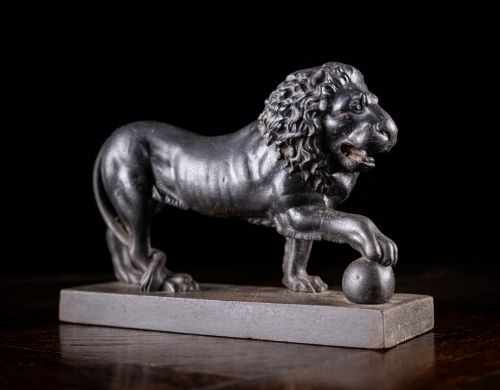
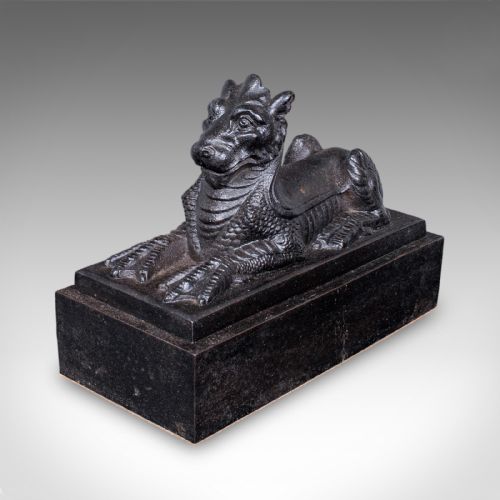
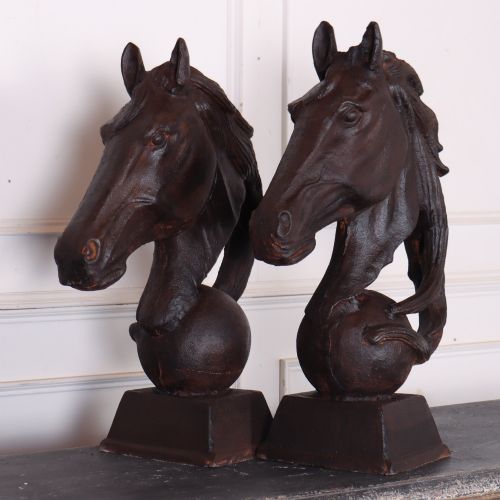
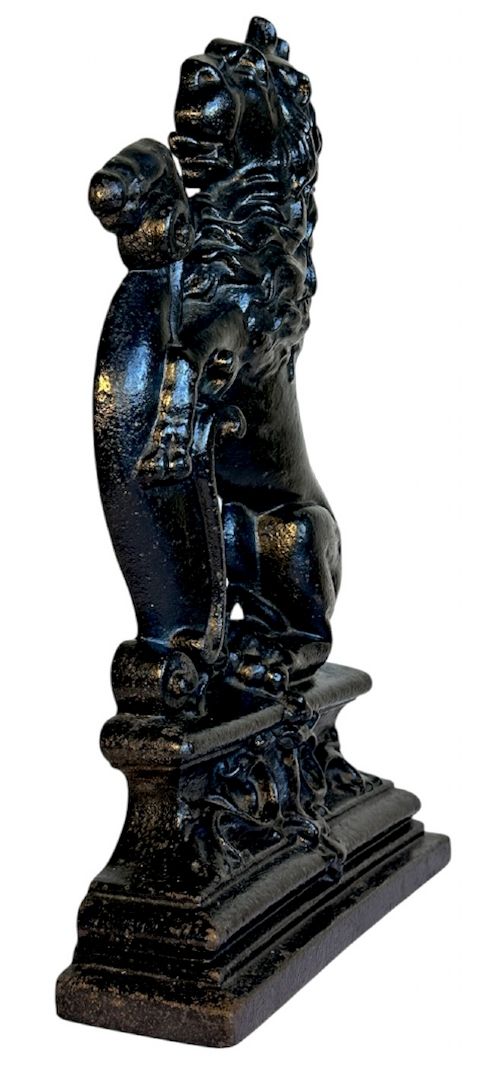
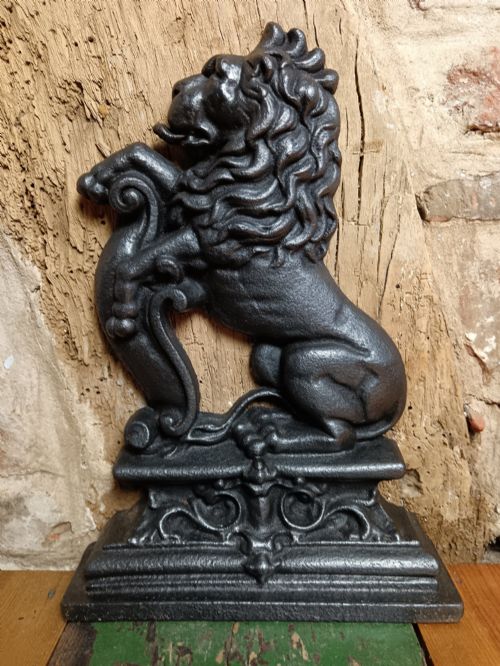
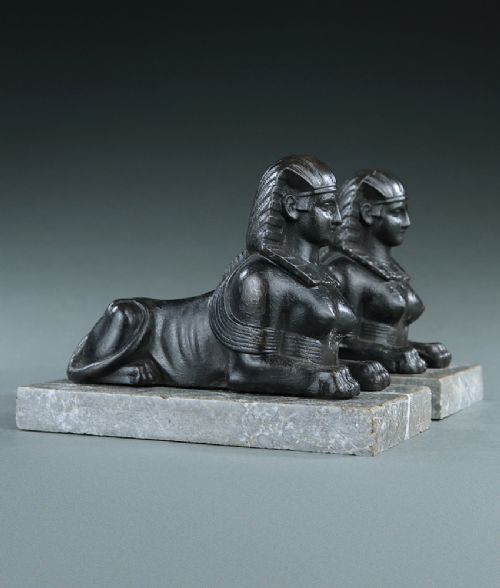
Forms in this category bridge decorative art and practical household duty, as seen in rampant lions, sphinxes, horses, and avian bird scarers. Pieces originate from English, French, and Russian workshops, utilising heavy metal casting alongside mounted elements like marble and hardwood.
How they were made
Surface treatments typically involved dark painting or natural oxidation to seal the metal, occasionally paired with contrasting materials such as brass fittings, wooden bases, or marble plinths to elevate the stature of the sculpture.
Black Iron Sculpture Retail Price Guide 2026
Typical asking prices for black iron sculpture among the pieces listed under this phrase on Sellingantiques today, from the lower quarter to the upper quarter. They describe what is for sale here now, not the wider market.
Listings feature items from the Victorian period through the 1930s, utilising cast iron, sheet metal, marble, and hardwood.
What varies in quality
The integrity of the surface finish and the preservation of secondary materials like marble plinths or brass accents influence the overall presence of the object. Consideration extends to how cleanly seams and joints are finished, reflecting the skill of the original foundry.
The Black Iron Sculpture Glossary
- Cast iron
- An iron-carbon alloy poured into a mould to create solid, heavy objects. This material forms the primary substance for the majority of nineteenth-century decorative figures and doorstops.
- Animalier
- A nineteenth-century artistic style focusing on realistic depictions of animals. Sculptors in this tradition captured beasts in dynamic poses, such as galloping horses and hunting spaniels.
- Fender
- A low metal guard placed in front of a fireplace to contain embers. These items often incorporate cast iron and brass elements designed to match surrounding hearth furniture.
- Sheet metal
- Metal formed into thin, flat pieces by industrial processes. This lighter material allows for silhouette wall art and dynamic animal figures that differ from heavy castings.
- Plinth
- A heavy base supporting a statue or bust. Examples in this category utilise black marble to elevate portrait sculptures and decorative items.
Black Iron Sculpture: Frequently Asked Questions
How do I care for iron sculpture?
Iron sculpture requires a dry environment and gentle dusting with a soft cloth to prevent moisture accumulation. Avoid abrasive cleaners that might strip the protective dark finish or painted surfaces.
Applying a light microcrystalline wax periodically helps protect the bare metal areas from oxidation.
What is Egyptian Revival style?
Egyptian Revival style draws upon the art and motifs of ancient Egypt, experiencing revivals during the Victorian period. Items in this style often feature sphinxes and architectural elements.
Foundries translated these classic proportions into durable cast iron for domestic display.
Are these pieces English or French?
The selection includes works from various European origins, with English and French pieces appearing alongside continental European foundry output. Stylistic cues in the casting and mounting help distinguish regional workshops.
Each region brought distinct aesthetic preferences to animalier subjects and architectural metalwork.