





Black Hall Table
A black hall table grounds an entrance with dark authority, bringing architectural presence and practical surface space right where the house begins.
Black Hall Table
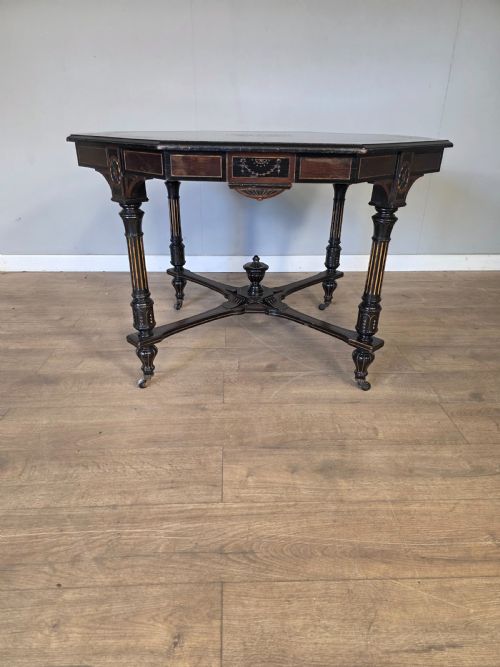
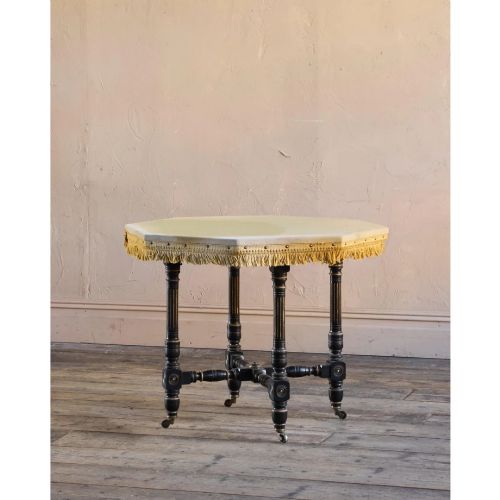
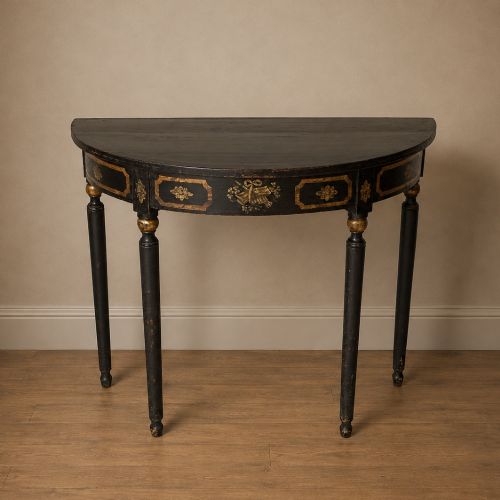
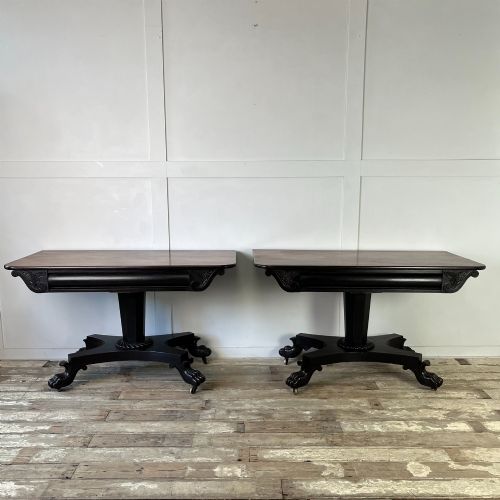
A black hall table encompasses console tables, side pieces, and centre tables finished in deep dark tones, spanning the eighteenth, nineteenth, and early twentieth centuries. These pieces appear in Georgian, Regency, and Victorian iterations, with French Empire and Aesthetic Movement designs also represented.
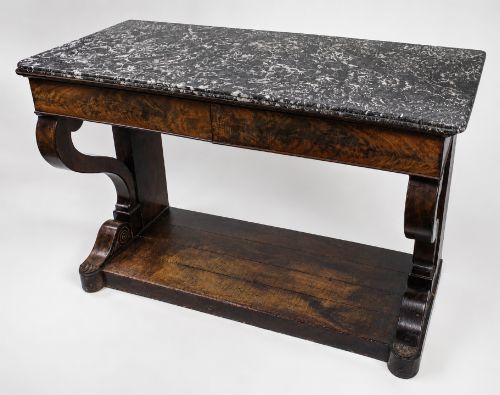
Console tables designed for placement against a wall dominate the selection, frequently featuring demi-lune shapes or marble tops. Buyers will also encounter occasional tables, lowboys, and writing desks adapted for use in entranceways and reception spaces.
Materials and construction methods
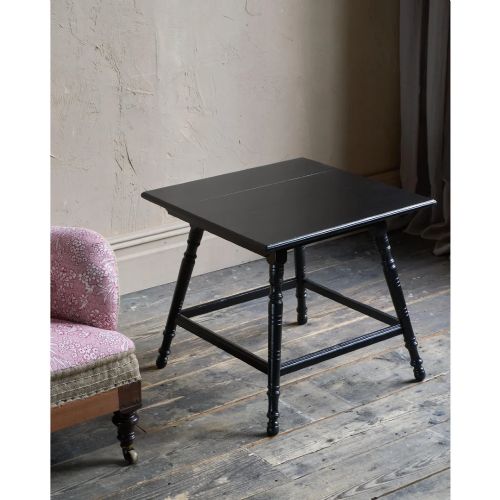
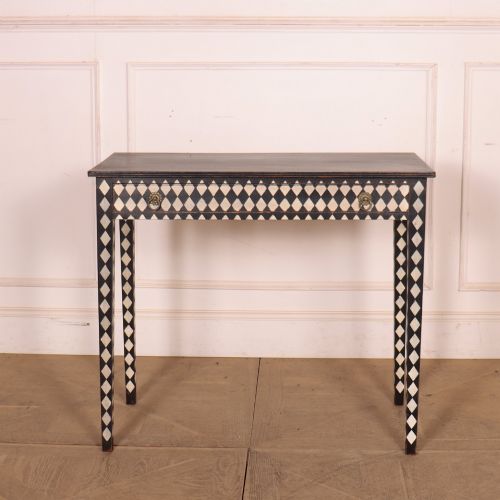
Cabinetmakers utilised timber carcasses built from mahogany, oak, and satinwood, applying ebonisation, black paint, or dark lacquer to achieve the desired tone. Parcel gilding and silvering frequently highlight carved details, mouldings, and turned legs.
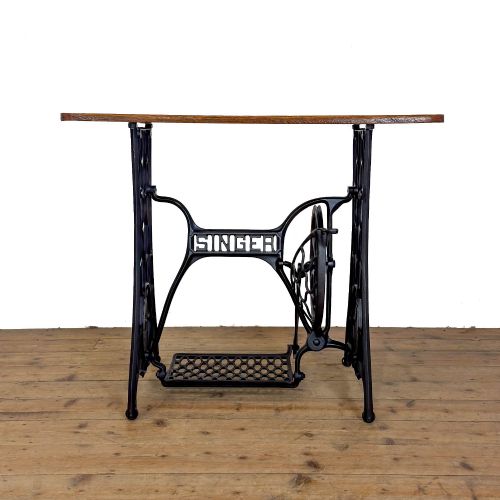
Insets of white or specimen marble provide durable, cool-to-the-touch surfaces on console and centre tables. Wrought iron and brass accents further diversify the structural vocabulary of these dark-finished reception pieces.
The listings demonstrate that nineteenth-century ebonised wood and painted finishes dominate the category of black hall tables.
Markers of distinction and craftsmanship
Quality rests in the depth and durability of the ebonisation or painted surface, alongside the crispness of carved woodwork and parcel gilding. Superior examples integrate heavy inset marble slabs with precise edge profiling and stable framing.
Maker attribution elevates certain pieces significantly, particularly those bearing documented origins from workshops such as Hindley and Sons. The integration of high-status elements, like hand-painted geometric tops or family coats of arms, separates standard utility furniture from high-society commissions.
Hindley and Sons·Gillows
The Black Hall Table Glossary
- Ebonised wood
- Timber treated with chemical stains or dark pigments to imitate expensive ebony. This technique gained immense popularity during the Victorian and Aesthetic periods.
- Demi-lune
- A half-moon shape characteristic of console tables designed to sit flush against a wall. This silhouette conserves floor space in narrow hallways.
- Parcel gilt
- The practice of applying thin gold leaf to selected raised portions of a carved or painted surface. It provides contrast against the surrounding black finish.
- Gueridon
- A small circular table on a central pillar or tripod base, frequently utilised as a centre table in grand entrance halls. French examples often feature marble tops.
Black Hall Table: Frequently Asked Questions
Where should a console table go?
A console table belongs against a flat wall in an entrance hall, reception room, or narrow corridor where floor space is limited. Because these pieces often feature flat backs, they anchor neatly beneath mirrors or paintings without obstructing flow.
Placing one near the front door creates an immediate drop-zone for keys and correspondence while establishing the decorative tone of the interior.
How do I care for marble tops?
Marble surfaces require gentle cleaning with mild, pH-neutral soap and warm water to protect the stone from acidic etching. Avoid placing citrus, wine, or vinegar directly onto unsealed marble without protective coasters.
Routine dusting with a soft cloth keeps the polish intact without scratching the cool, dense mineral surface over decades of daily use.
What is a demi-lune table?
A demi-lune table is constructed with a semicircular top and a straight back edge designed to sit directly against a wall. This specific geometry maximises surface utility while minimising the physical footprint in confined spaces.
Paired versions frequently flank doorways or fireplaces to create symmetrical balance in formal reception rooms.
How are ebonised woods cleaned?
Ebonised surfaces should be dusted regularly with a dry microfibre cloth to prevent particulate buildup from dulling the dark finish. Avoid harsh chemical polishes or silicone sprays that can leave a greasy residue over the pigmented wood.
Occasional application of high-grade wax helps nourish the underlying timber and maintains the subtle sheen characteristic of period black furniture.