
Black Gold Lacquer
Black gold lacquer pieces bring together dark surfaces and gilt detail across items ranging from mirrors and tables to cabinets and trays.
Black Gold Lacquer
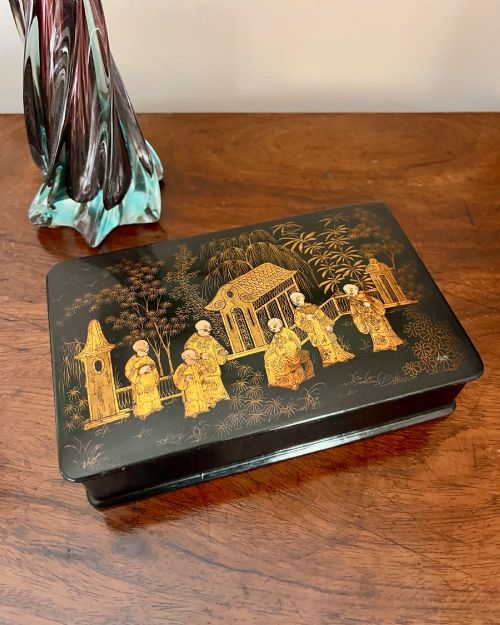
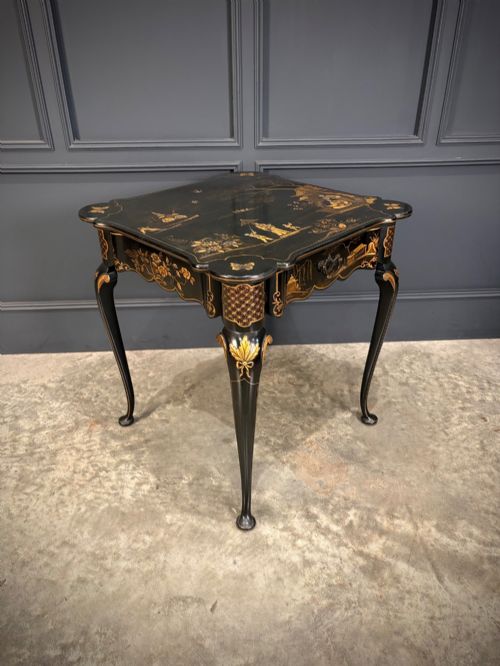
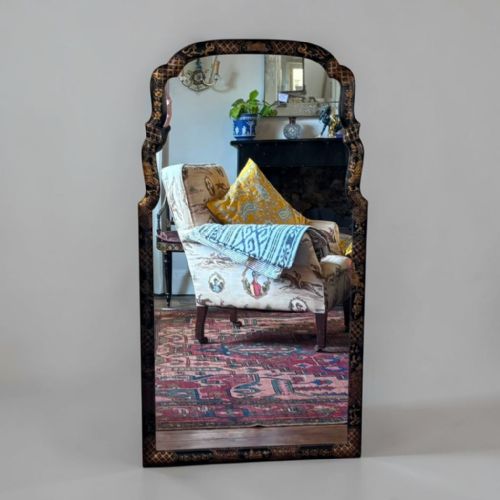
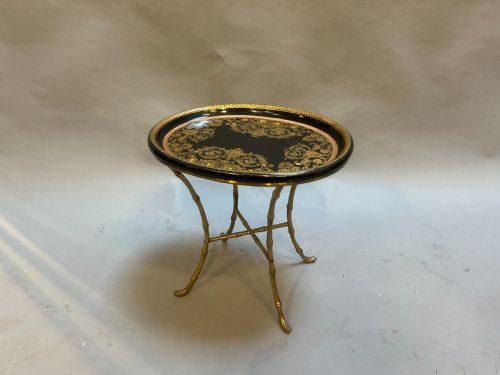
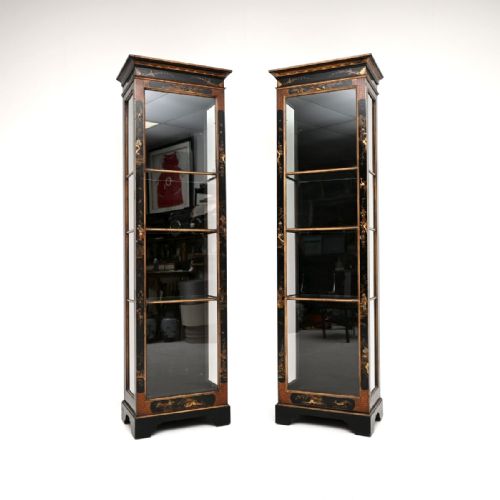
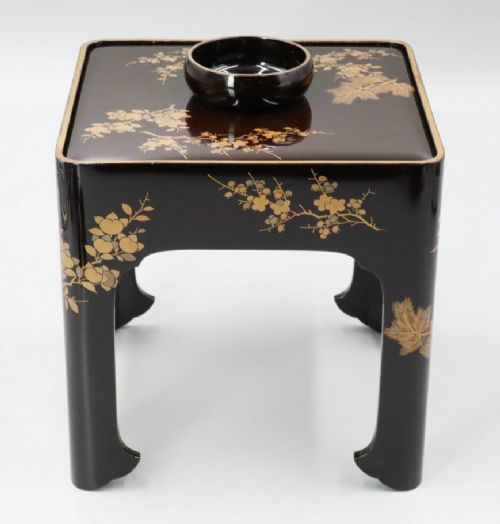
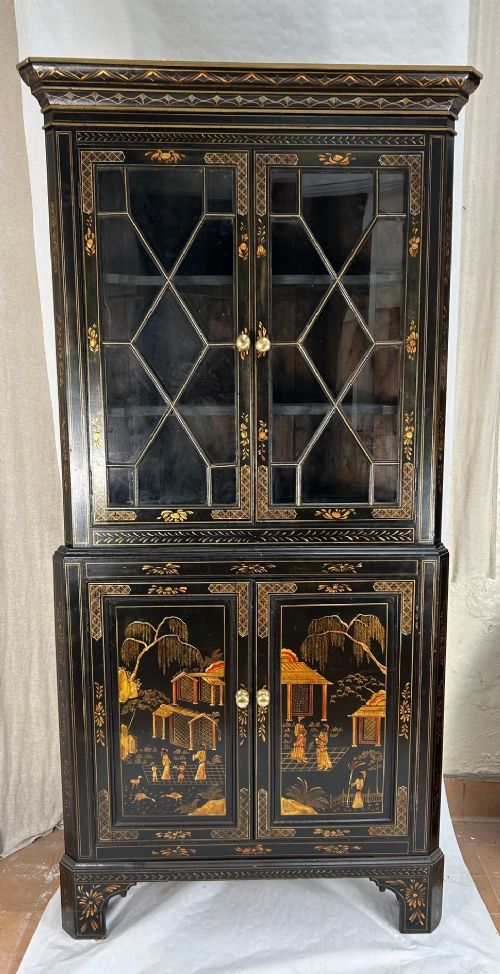
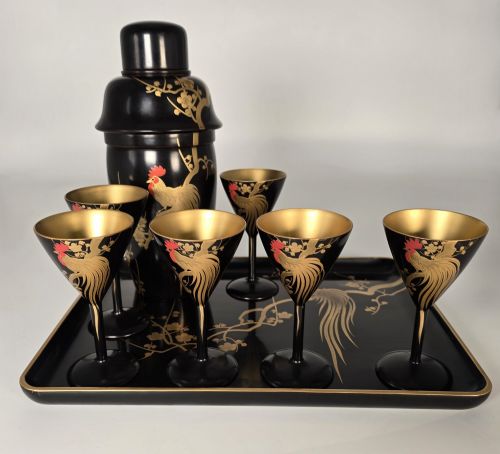
When searching for black gold lacquer, buyers encounter items finished with dark dark grounds and metallic highlights, predominantly in Chinoiserie, Chinese Export, and Regency styles. These objects take practical domestic forms such as wall mirrors, occasional tables, decorative trays, and display cabinets.
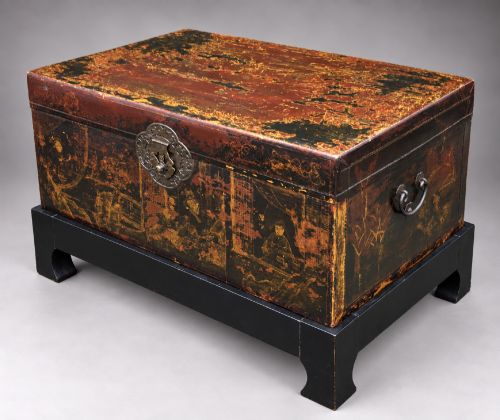
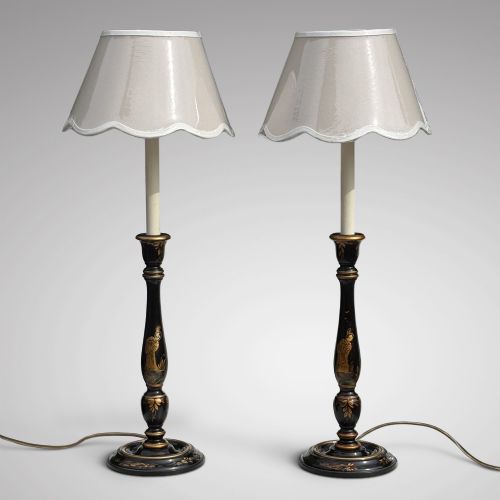
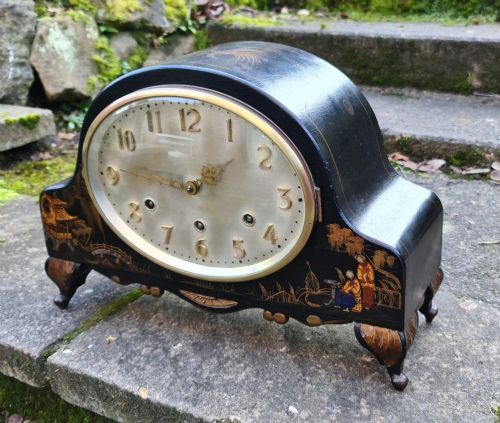
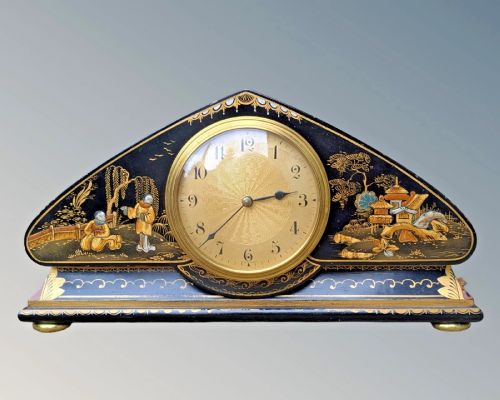
The pieces span several centuries, with early examples originating in the seventeenth century, while the majority date from the nineteenth and early twentieth centuries including the Edwardian period and the 1920s. Common furnishings comprise blanket boxes, mantel clocks, nest of tables, and side chairs displaying painted or gilt decoration.
How they were made
Craftsmen built these items using wood, papier-mâché, and glass, applying layers of dark lacquer to create the primary surface finish. Gold leaf, gilt, and brass accents were then introduced to delineate intricate decorative motifs.
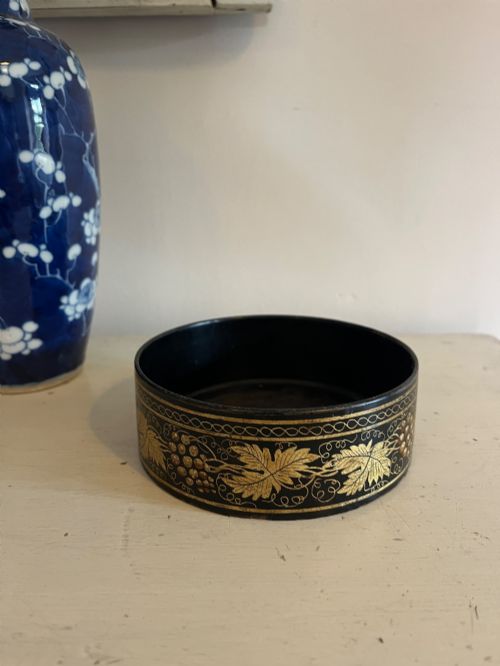
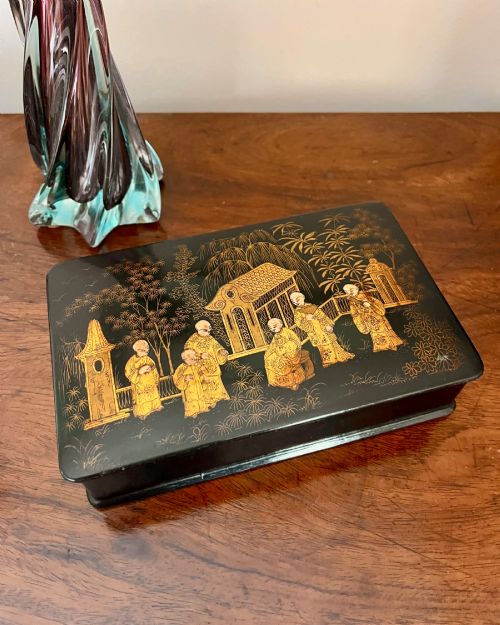
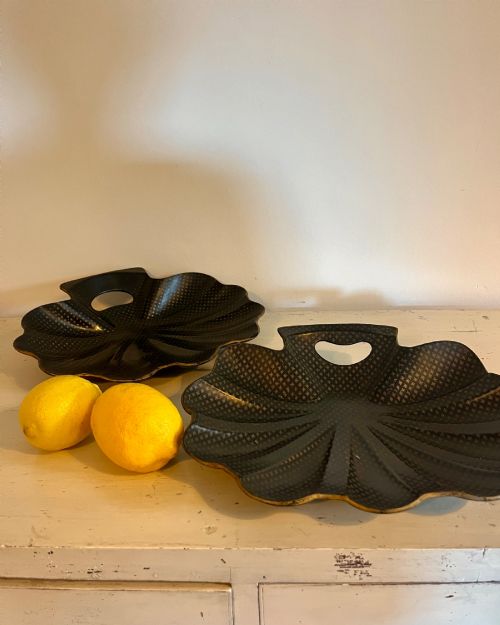
Many objects utilise traditional Asian and European techniques, combining carved or turned wooden frames with hand-painted pictorial scenes. Papier-mâché items rely on compressed paper pulp moulded into rigid trays and coasters before receiving protective lacquered coats.
Listings feature items spanning from the 17th century through the 1920s, incorporating materials such as lacquer, wood, gold leaf, brass, and papier-mâché.
What varies in quality
The standard of a piece rests upon the depth of the lacquer finish and the precision of the gilt work. Superior examples exhibit intricate, hand-painted detailing that retains its crispness across complex forms like cabinets and mirrors.
Materials also dictate the grade of the item, with solid timber construction and well-preserved papier-mâché bases holding greater distinction than simpler utilitarian builds. The integration of decorative stands, such as French giltwood supports on early cabinets, further elevates the tier of the object.
Vishnyakov Workshop
The Black Gold Lacquer Glossary
- Chinoiserie
- European interpretation and imitation of Chinese and East Asian artistic traditions, widely seen in decorative lacquerwork.
- Papier-mâché
- A composite material consisting of paper pieces or pulp, sometimes reinforced with textile, bound with glue and lacquered.
- Gilt
- A thin layer of gold applied to surfaces such as wood, metal, or lacquer to create metallic highlights.
- Edo Period
- A period in Japanese history spanning from 1603 to 1867, notable for the production of fine lacquer cabinets and decorative items.
- Occasional table
- A small table designed for flexible use in a room, frequently produced in lacquered finishes.
Black Gold Lacquer: Frequently Asked Questions
How do I clean lacquered furniture?
Dust surfaces gently with a soft, dry cloth to prevent scratching the delicate lacquer finish. Avoid using chemical polishes or water, which can damage the aged surface.
Keep pieces away from direct sunlight and extreme temperature changes to protect the wood and gilt decoration from cracking over time.
What is papier-mâché?
Papier-mâché is a durable composite material formed from paper pulp or layered paper mixed with binding agents. Once moulded into items like trays and coasters, it accepts lacquer and paint exceptionally well.
This technique allowed makers to produce smooth, lightweight domestic objects decorated with intricate gilt patterns during the Regency and Victorian periods.
How do I date a lacquer piece?
Dating relies on examining the construction methods, material types, and stylistic indicators present in the piece. Seventeenth-century examples often feature distinct cabinetry on stands, while Edwardian and 1920s items frequently include mirrors and lamp tables.
Cross-referencing the decorative motifs, such as Chinoiserie scenes or Regency gilt borders, helps establish the era of manufacture.
Where should I place these items?
These pieces function well as focal points in living rooms, hallways, and studies, where their dark surfaces and metallic highlights contrast with lighter interiors. Items like wall mirrors and occasional tables integrate easily into both traditional and contemporary spaces.
Ensure placement avoids damp areas and direct heat sources to preserve the integrity of the lacquer and gold leaf.