




Black Glass Showcase
A black glass showcase is a glazed enclosure for prized objects, bringing architectural presence and dark framing to domestic or commercial interiors.
Black Glass Showcase
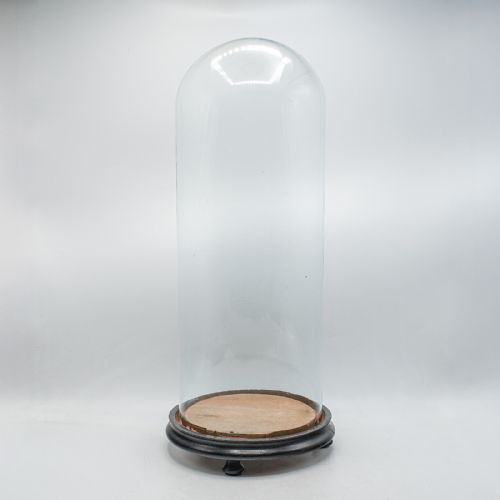
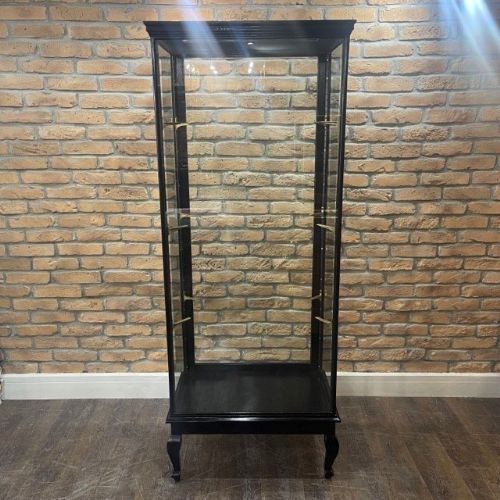
A black glass showcase encompasses a diverse range of glazed enclosures, from countertop display cabinets and tower units to large taxidermy domes resting on ebonised wooden bases.
The selections span the Victorian, Edwardian, and Art Deco periods, alongside early twentieth-century commercial pieces.
Forms vary significantly, taking the shape of freestanding shop counters, wall-mounted jewellery cases, and tall specimen enclosures designed to protect delicate contents from dust.
Materials and construction methods
Construction relies on clear glass panes paired with ebonised wood, mahogany, brass, steel, and metal frames.
Interiors frequently incorporate tactile surfaces such as felt, baize, velvet, and leather to cushion displayed items.
Structural elements range from simple joined timber to complex ormolu mounts and substantial steel frames built for commercial endurance.
Several domes were originally manufactured solely to keep nineteenth-century mantel clocks safe from dust and wandering cats.
Factors determining quality
Quality rests in the precision of the joinery and the integrity of the glass panels, whether curved ovoid domes or flat plate panes.
The treatment of the dark surfaces, from deep ebonised finishes to polished steel, dictates the visual weight of the piece.
Commercial provenance and maker attribution elevate certain cabinets, distinguishing standard utility designs from specialised retail counters and towering architectural cases.
Quincy Showcase Works
The Black Glass Showcase Glossary
- Ebonised wood
- Timber treated to resemble ebony, providing a deep black finish that frames transparent glass panels. This technique was widely utilised during the Victorian and Art Deco eras.
- Cloche
- A bell-shaped glass cover designed to sit over a base and protect objects such as clocks or specimens. The term originates from the French word for bell.
- Taxidermy showcase
- A glazed dome or cabinet specifically proportioned to house preserved specimens and natural history collections. These enclosures shielded delicate feathers and fur from domestic soot and handling.
- Ormolu
- Gilded bronze mounts applied to cabinetry for decorative effect. They appear on mid-nineteenth-century French and English pieces to accent dark woods.
Black Glass Showcase: Frequently Asked Questions
How do I clean the interior?
Access typically involves opening a hinged door, lifting a glazed tower section, or lifting a glass dome straight off its wooden base.
Use a soft lint-free cloth for the glass and avoid harsh chemical sprays near antique baize or velvet linings.
Where should I place a tower cabinet?
Tower cabinets require stable flooring away from direct sunlight to protect internal linings and any organic specimens.
Position them against solid walls where their height provides structural security and strong vertical lines.
Can I display heavy items inside?
Countertop and freestanding shop display cabinets are built to hold retail merchandise or collections securely.
Check the internal shelving material, whether wood, metal, or glass, to gauge its weight capacity before loading heavy objects.
How do I distinguish Victorian from Art Deco?
Victorian examples often feature ornate ebonised wooden bases, taxidermy domes, and ormolu mounts.
Art Deco and 1920s variants lean towards clean geometric lines, steel frameworks, and shop counter proportions.