

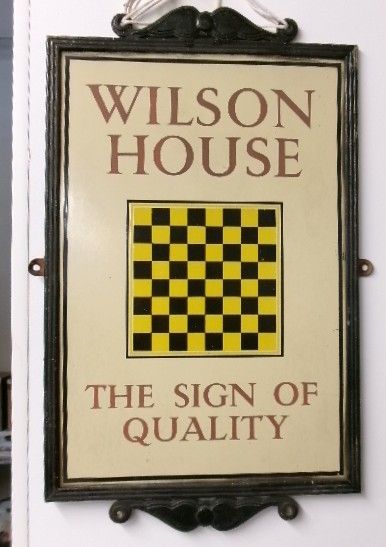


Black Framed Sign
A black framed sign gathers wall art, prints, paintings, silhouettes and advertising panels across eras from the seventeenth century to later than nineteen sixty.
Black Framed Sign
A black framed sign encompasses diverse wall art, directional markers, pub boards and graphic works enclosed within dark surrounds. These pieces bridge domestic decoration and commercial or public utility, drawing from Georgian, Victorian, Edwardian and mid-century traditions.
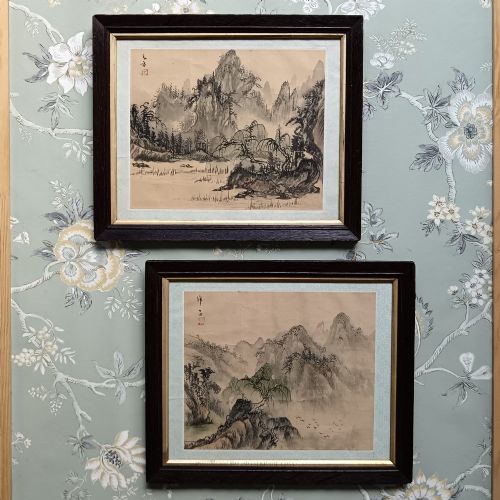
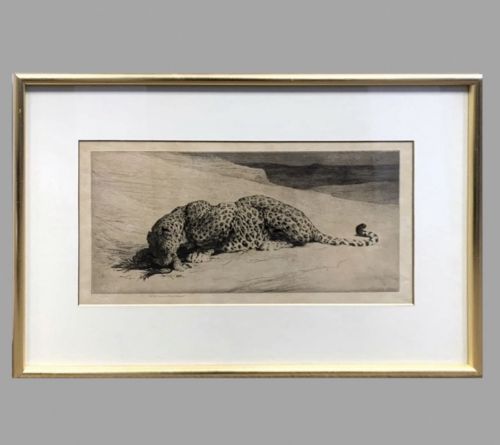
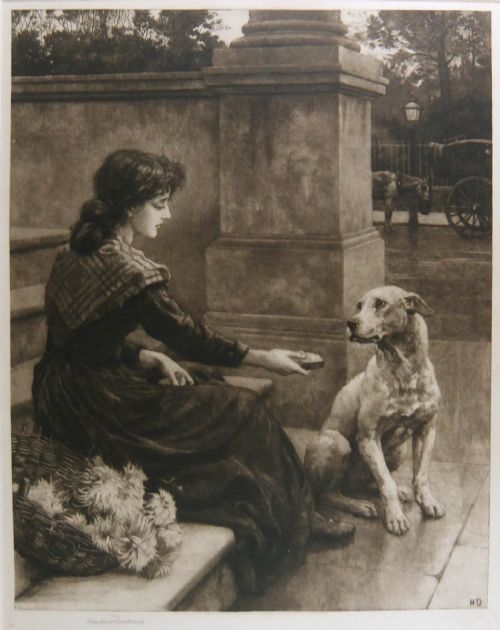
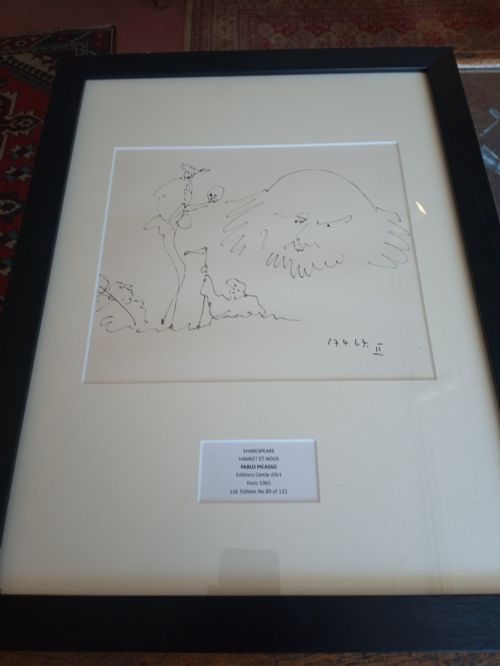
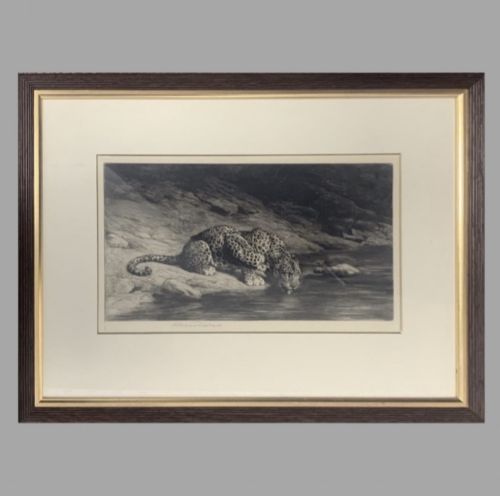
The selections span silhouettes, etchings on paper and vellum, oil paintings, ink watercolours and enamel advertising boards. Their physical boundaries are defined by timber, glass and paper elements tailored to hang directly on interior walls.
Materials and construction
Construction relies on timber frames, notably oak and painted wood, matched with protective glass panes covering paper, canvas, silk or card substrates. Ink, graphite, oil paint and enamel provide the primary illustrative and typographic mediums.
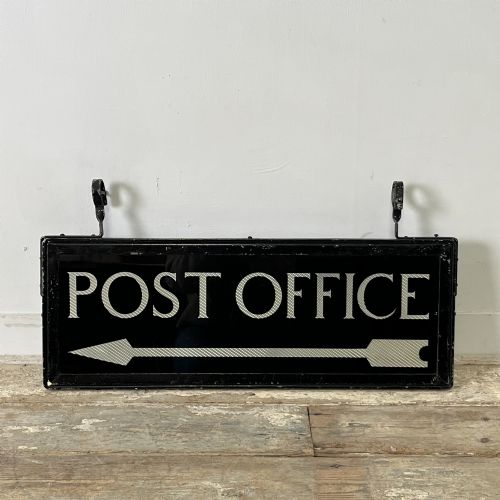
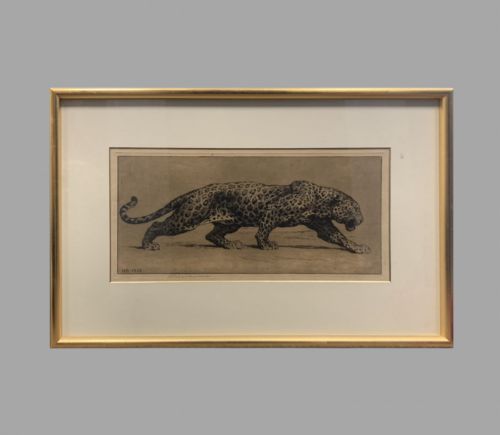
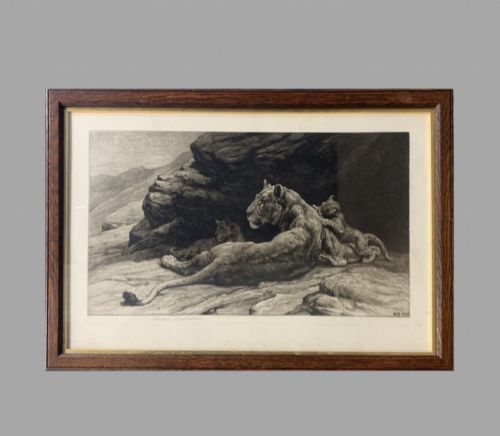
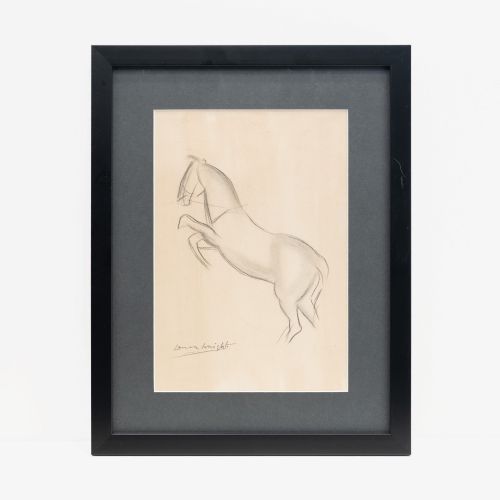
Etchings, prints and drawings utilise paper or vellum surfaces marked by plate impressions or hand-applied pigments. Double-sided pub and post office direction items integrate structural glass and heavy framing to withstand utilitarian service.
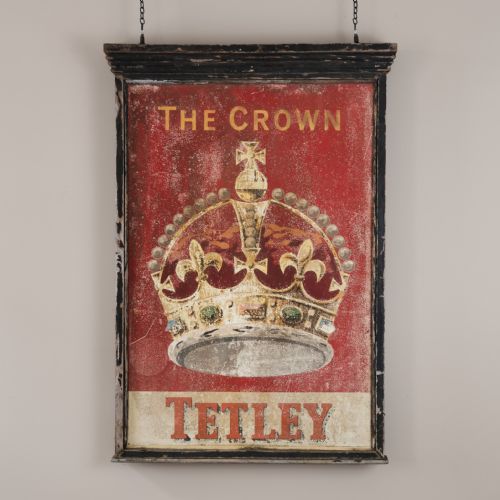
Several items double as domestic guides, including post office direction signs and pub boards that once directed thirsty travellers.
The markers of quality
Quality rests upon the crispness of the original mark-making, whether the fine lines of an artist proof etching or the steady hand of a painted panel. Retaining original framing or early glass enhances authenticity and historical integrity.
Pieces bearing distinct signatures by established printmakers and painters carry greater documentary weight. The integration between the dark frame and the artwork it encloses demonstrates the piece's overall cohesion.
The Black Framed Sign Glossary
- Etching
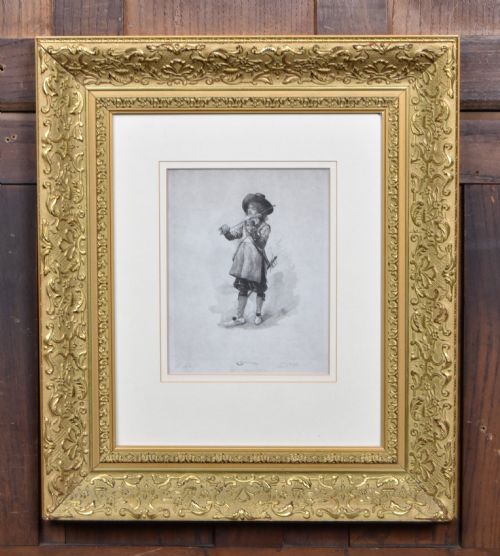
- A printmaking method where acid cuts into unprotected parts of a metal plate to hold ink. This technique allows for fine, detailed lines across early twentieth-century paper works.
- Silhouette
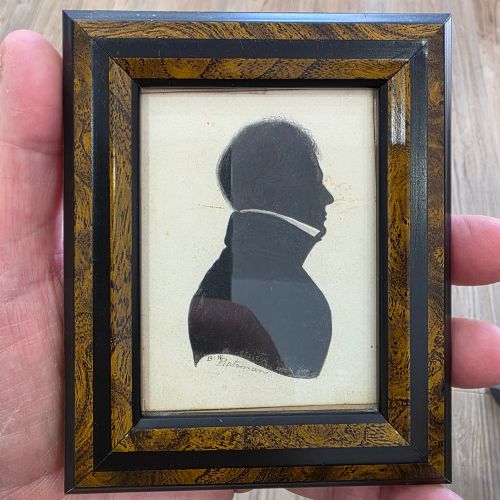
- A portrait or profile cut from black paper or painted onto a solid background. These shadow likenesses date from Georgian and nineteenth-century practices.
- Vellum
- A fine parchment prepared from calfskin used as a durable writing and drawing surface. It offers a smooth texture for signed artist proof prints.
- Vitriolite
- An opaque structural pigmented glass popular in early twentieth-century architectural signage. It provides a glossy, hard-wearing surface for street and public notices.
- Artist proof
- An impression of a print taken before the final edition is produced, retained by the creator. These carry particular significance for collectors of graphic art.
Black Framed Sign: Frequently Asked Questions
Where should I hang a black framed sign?
These pieces suit hallways, studies and living rooms where wall art or structural notices create a focal point. Their dark borders anchor lighter wall tones and contrast against neutral plaster.
Ensure placement avoids direct, prolonged sunlight to protect vulnerable paper, ink and watercolour surfaces from fading over time.
How do I clean the glass on a framed piece?
Wipe the glass surface gently with a soft, lint-free cloth lightly dampened with water or a mild glass cleaner. Avoid spraying liquid directly onto the frame to prevent moisture seeping beneath the rebate.
Take care near older timber mouldings and exposed paper edges to avoid water damage or staining.
Are double-sided signs meant to be hung flat?
Double-sided pieces, such as pub or direction markers, are generally designed to project outward from a wall or partition so both faces remain visible. Hanging them flat against a surface obscures one side entirely.
Consider specialist brackets that allow the piece to swing or project outward safely.
How can I tell the period of a framed sign?
Examine the materials of the frame, the backing boards and the type of glass or fixings used at the corners. Early twentieth-century and Victorian pieces often show hand-planed timber, old nails or early paper tape.
The style of the script, the printing technique and signatures offer further clues to the decade of origin.