



Victorian Shop Sign
A victorian shop sign carries the commercial history of the street into domestic rooms through bold painted lettering and metalwork.
Victorian Shop Sign
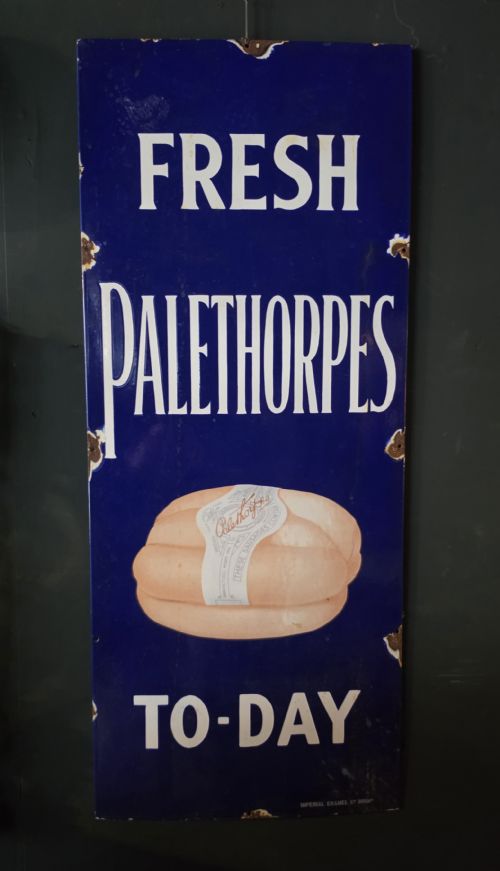
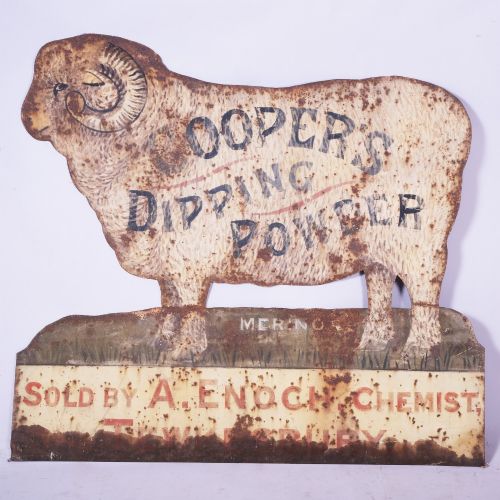
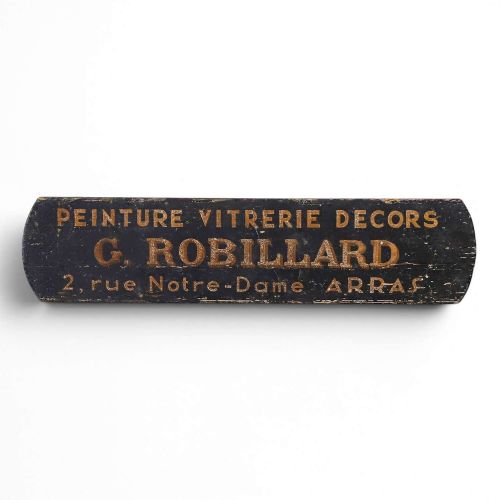
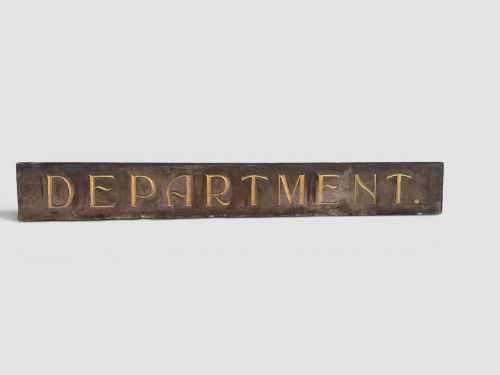
A victorian shop sign encompasses trade figures, hanging iron symbols, enamel panels, and painted wooden boards that once advertised high street merchants. Buyers frequently encounter nineteenth-century painted boards, cast iron trade shapes, and glazed cabinets bearing later commercial lettering.
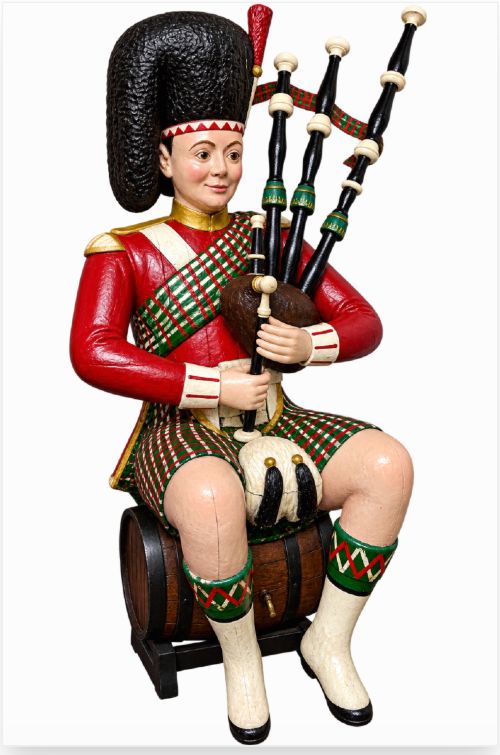
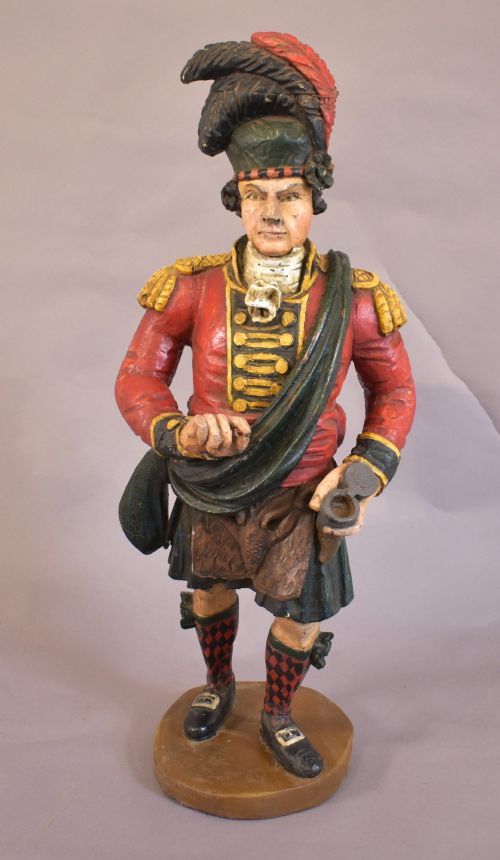
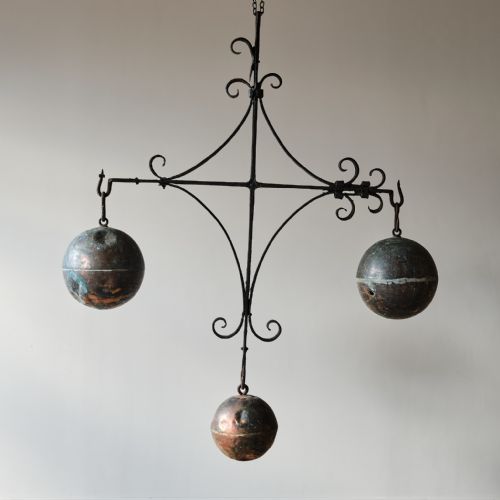
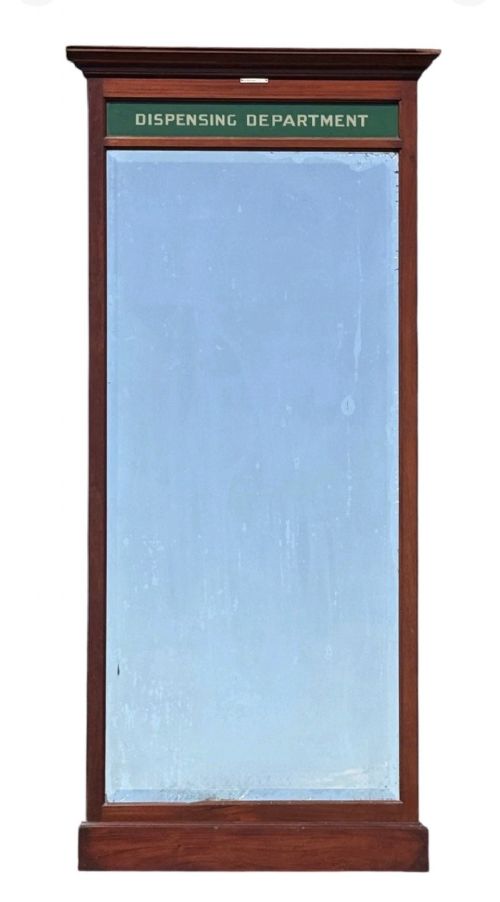
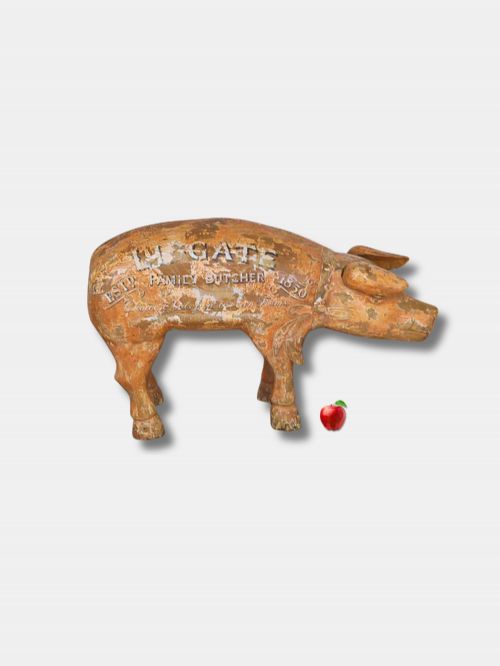
The selection ranges from massive pawnbrokers' symbols and butchers' window displays to delicate chemist mirrors and tobacco shop glass panels. Commercial trade figures carved as highlanders or bagpipers represent the sculptural branch of these advertising antiques.
Many survivors date from the nineteenth century into the early twentieth century, spanning industrial commercial styles and folk art interpretations. These artefacts functioned as physical landmarks for grocers, drapers, ironmongers, and apothecaries before standardised plastic fascias took over.
How they were made
Makers shaped these objects from solid mahogany, pine, cast iron, brass, and heavy plate glass, applying hand-mixed oil paints, gold leaf, and vitreous enamel. Signwriters used precise lettering techniques directly onto wood or glass panels, sometimes reversing the text to protect the paint behind the transparent surface.
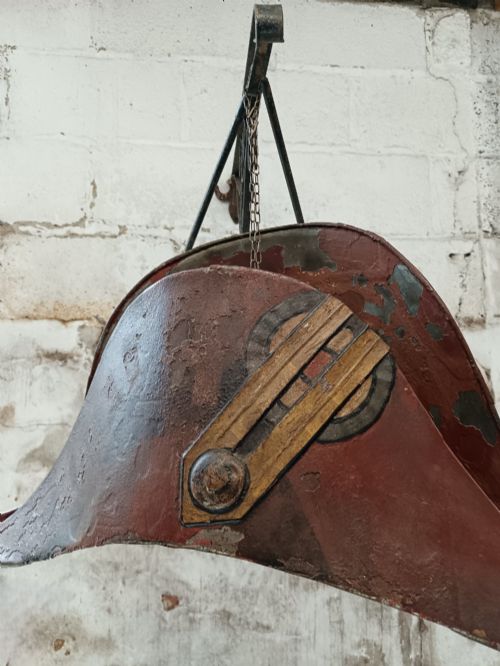
Three-dimensional trade figures were carved from wood or cast in iron and bronze, then hand-painted with durable pigments to withstand outdoor weather. Structural framing utilised dovetail joints in timber cabinets alongside forged iron brackets for hanging pocket watch and bicorn hat signs.
Listings feature traditional materials including mahogany, cast iron, vitreous enamel, gold leaf, and reverse-painted glass across nineteenth-century forms.
What varies in quality
Quality rests upon the crispness of the original signwriting and the integrity of the surface finish rather than mere age alone. Pieces retaining their untouched, weathered paint layer command greater interest than those subjected to heavy modern repainting.
The sculptural finesse of carved trade figures and the complexity of reverse glass painting separate standard commercial output from exceptional examples. Substantial hardware, such as solid brass brackets and heavy cast iron bodies, indicates superior original manufacture.
Gerwin & Co Birmingham·John Piggott & Co Ltd·Fred Wade·Cha’s Baker
The Victorian Shop Sign Glossary
- Toleware
- Lacquered or enamelled metalware used for decorative and trade objects. It appears frequently in military-inspired hat signs.
- Reverse glass painting
- An artistic technique where the image and lettering are applied to the back of the glass to be viewed from the front. This protects the pigments from atmospheric wear.
- Trade figure
- A sculptural representation placed outside or inside a shop to indicate the specific merchandise sold within. Examples include tobacco figures and highlanders.
- Enamel sign
- A durable advertising plaque made by fusing powdered glass to a metal sheet at high temperatures. These panels resisted weathering on exterior brickwork.
- Sign written
- The traditional craft of painting lettering and pictorial graphics by hand using specialised brushes and oil-based paints. Many domestic cabinets received this treatment later for commercial display.
Victorian Shop Sign: Frequently Asked Questions
How were these signs mounted?
Most hanging signs utilised heavy forged iron brackets fixed directly to exterior brickwork or timber shopfronts to catch the attention of passing pedestrians.
Interior advertising mirrors and glass panels were usually wall-mounted or integrated directly into mahogany and walnut display shelving.
Are these items waterproof for outdoor display?
While original iron, enamel, and thick painted wood variants withstood nineteenth-century weather conditions outdoors, modern environments can accelerate deterioration.
Most surviving examples are now preserved indoors to protect delicate hand-painted surfaces and historic timber structures from dampness.
What trades used hanging figures?
Tobacconists traditionally displayed carved wooden figures like highlanders or bagpipers outside their doorways to signal the sale of leaf tobacco.
Pawnbrokers relied on universally recognised symbols, such as three hanging spheres or large metal cutouts, to attract customers in crowded commercial districts.
How do you distinguish original lettering from later additions?
Original lettering displays natural craquelure, paint shrinkage, and fading consistent with decades of exposure to light and atmosphere.
Many period cabinets feature later hand signwriting applied to repurpose the furniture for shop displays long after initial manufacture.