


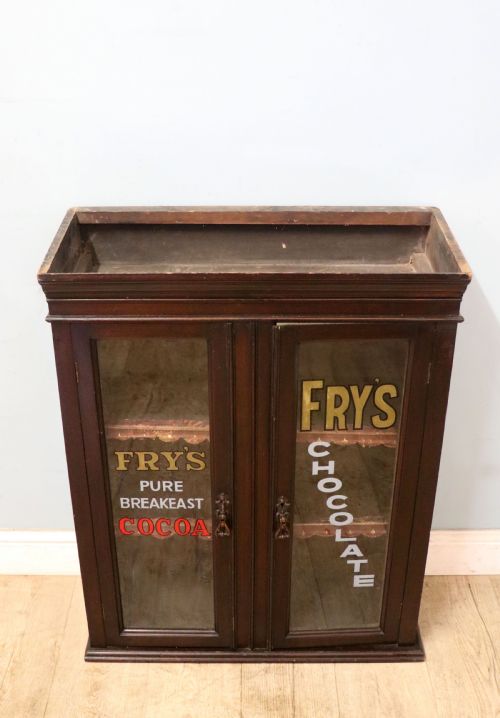

Glass Shop Sign
A genuine glass shop sign brings the character of early commerce straight into a room, offering striking reverse-painted lettering and aged mirror glass.
Glass Shop Sign
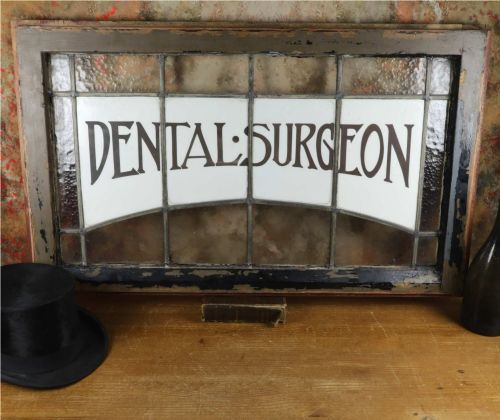
A glass shop sign is an authentic piece of commercial history, often emerging from the Victorian and Edwardian eras to advertise apothecary, dental, and grocery services. When searching for a glass shop sign, buyers encounter specialised window panels, double-sided direction markers, and advertising mirrors designed to catch the eye of the nineteenth and twentieth-century public.
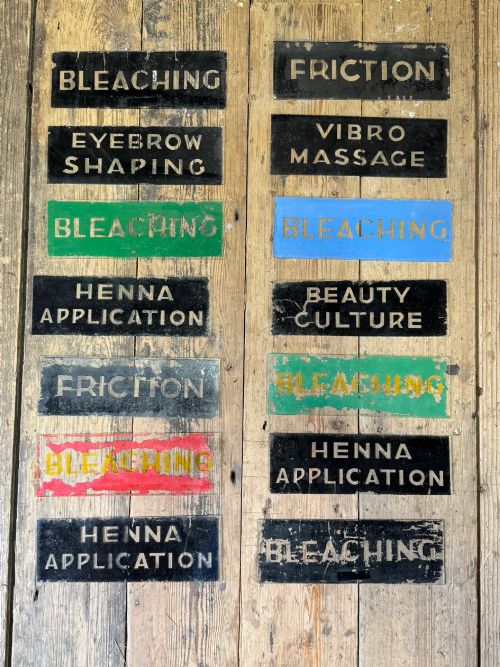
The selection here draws from trade signs, wall signage, and glazed shopfitting cabinets carrying sign-written lettering for tobacco, confectionery, and chemists. Pieces range from early nineteenth-century examples to mid-century industrial lights and Scandinavian boutique panels, reflecting the diverse trades of past high streets.
How they were made
Techniques such as reverse cutting and painting demand immense precision, as artisans paint details backwards so they appear correctly from the front. Sign-writing on both wood and glass incorporates durable pigments designed to withstand bustling commercial environments.
The inventory spans Victorian, Edwardian, Art Deco, and mid-century industrial aesthetics.
What varies in quality
The standard of lettering and the complexity of the reverse-painted design dictate the distinction between ordinary utility and superior craftsmanship. Original wooden frames and untouched brass mountings elevate a piece, whereas later sign-written additions on older cabinets represent a different tier of historical layering.
The depth of the gold leaf work and the clarity of the cut glass separate standard trade notices from high-end merchant advertising. Preservation of the original paintwork without excessive restoration determines the integrity of surviving specimens.
The Glass Shop Sign Glossary
- Reverse painting
- A technique where the artist paints directly onto the back of the glass so the image is viewed correctly from the front. This method protects the pigment from dust and damage.
- Gold leaf
- Hammered gold beaten into extremely thin sheets, utilised on signs to catch the light and create brilliant lettering. It remains a hallmark of traditional sign-writing.
- Trade sign
- A board or glass panel hung outside or placed inside a shop to identify the proprietor's profession. These items formed the visual language of the historic high street.
- Architectural salvage
- Building elements and fixtures rescued from demolition or remodelling, including shop windows and signage. Salvaged items preserve materials no longer in production.
Glass Shop Sign: Frequently Asked Questions
Where were glass shop signs hung?
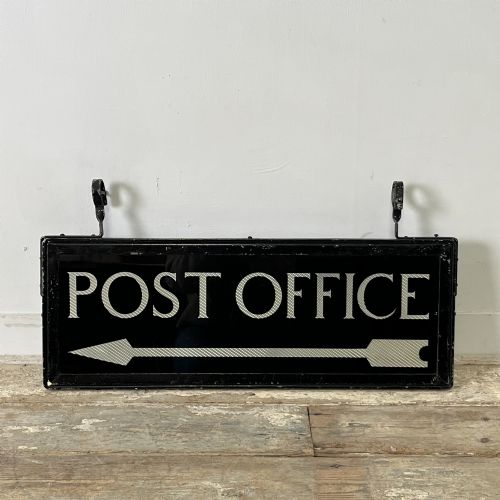
These signs hung in windows, above doorways, or projected outwards from building facades to attract passing pedestrians on busy streets. Double-sided variants also sat perpendicular to walls so shoppers could read them from either direction.
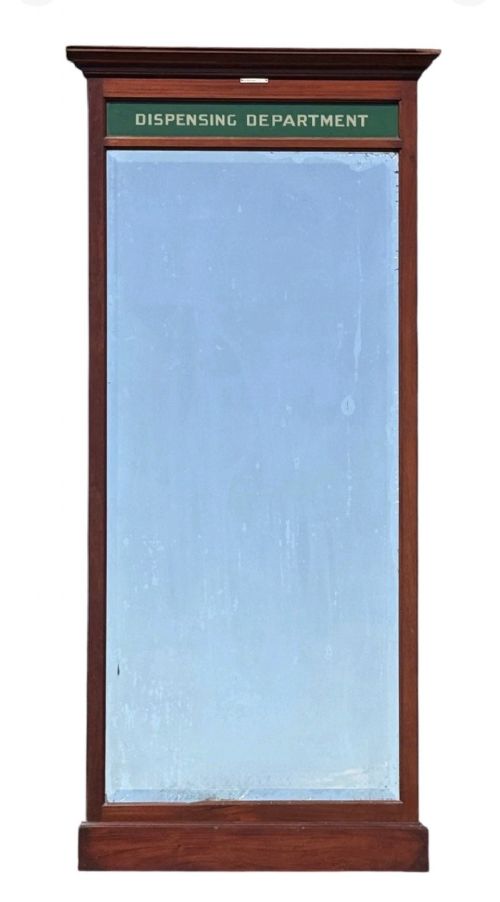
Inside the premises, smaller advertising mirrors and trade signs adorned counters and back walls near dispensing departments.
How do I date a glass sign?
Dating relies on the typeface, framing materials, and the specific trade mentioned, with Victorian and Edwardian examples showing distinct serif lettering styles. Mahogany and pine frames often match the cabinet-making trends of the nineteenth and early twentieth centuries.
Changes in commerce, such as the evolution from chemist shops to modern pharmacies, also provide contextual clues for the active decade.
Can I hang these on a wall?
Many wall signs and mirrors arrive fitted with original hanging hardware suitable for domestic display. Heavier cabinet-mounted panels require secure wall fixings to support the combination of wood and glass.
Consulting a professional ensures the weight of mahogany, walnut, and iron components is safely distributed.
Are these signs waterproof?
Reverse-painted glass protects the pigmented artwork from moisture on the display side, but wooden frames and exposed metal edges remain vulnerable to damp environments. Exterior double-sided signs were built to endure the elements, though indoor survival leaves the old paint in better condition.
Keeping them away from humid bathrooms preserves the integrity of the original lead and gold leaf.