



Black Framed Animal Art
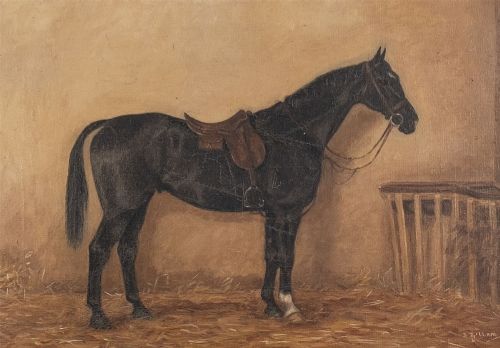
Black framed animal art brings together Victorian and twentieth-century portrayals of dogs, big cats, and horses within dark mouldings.
Black Framed Animal Art
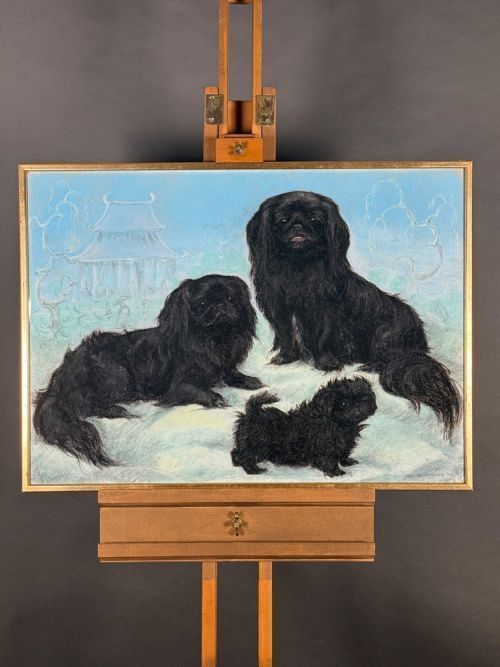
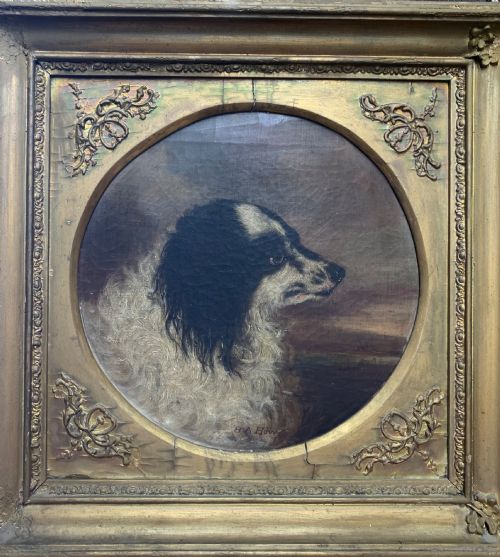
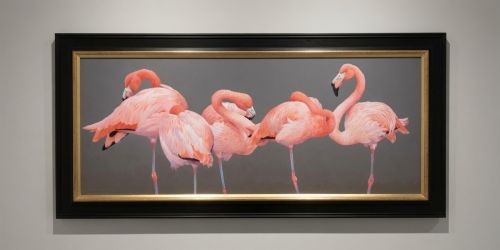
Black framed animal art comprises works centred on dogs, horses, leopards, and flamingos, housed in dark or blackened surrounds. These pieces emerge primarily from the nineteenth century, the Edwardian era, and the mid-twentieth century.
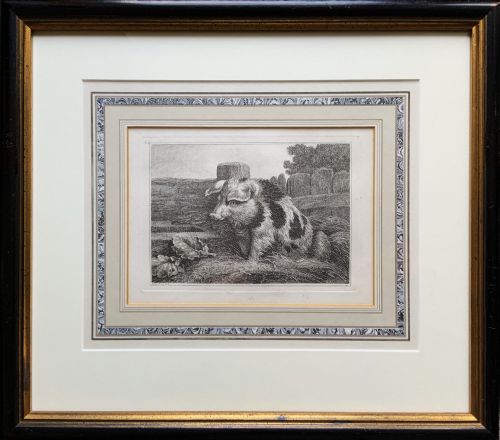
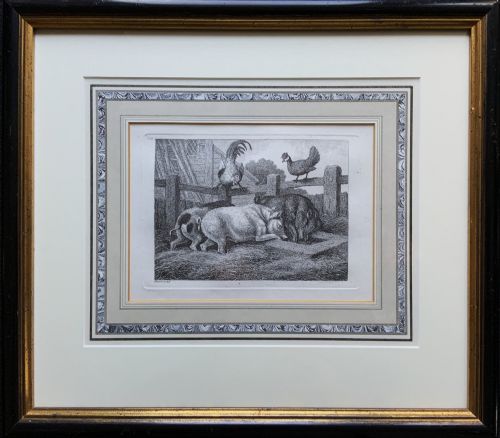
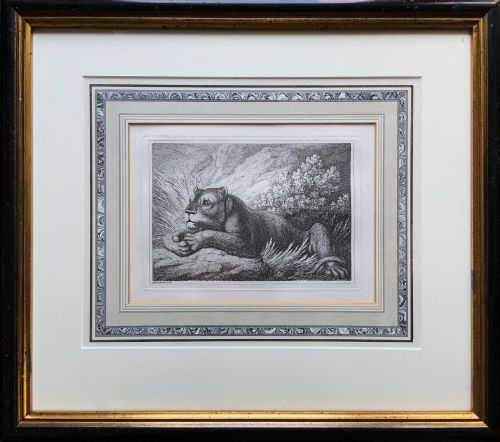
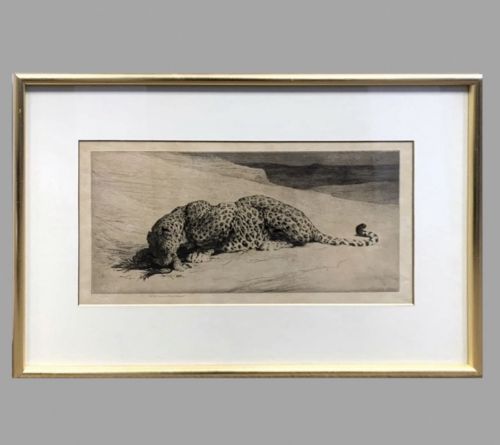
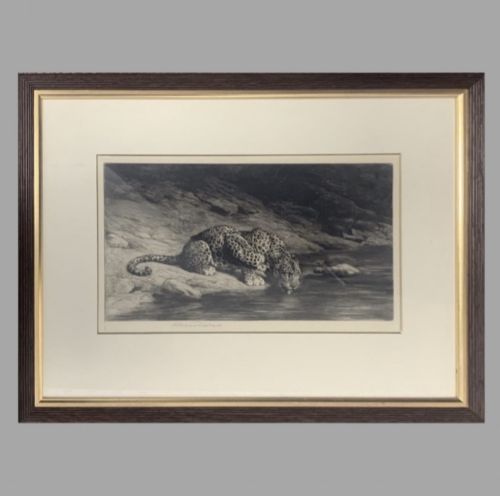
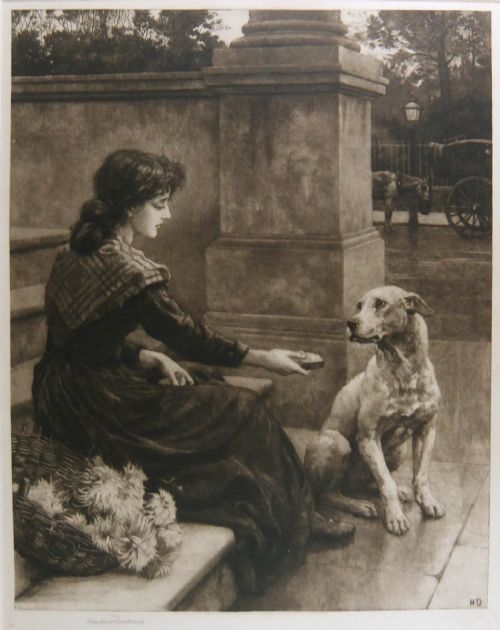
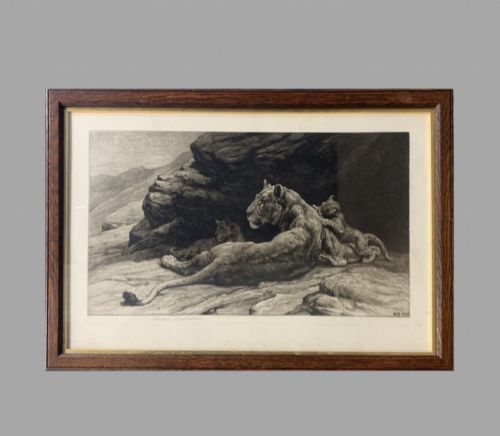
The selections span oil paintings, etchings, drypoint proofs, charcoal drawings, and watercolours. Domestic dogs, notably spaniels and terriers, appear alongside wild subjects like leopards and jungle fowl.
Victorian realists and early twentieth-century printmakers dominate the output. Buyers encounter detailed animal studies executed on paper, canvas, vellum, and board.
How they were made
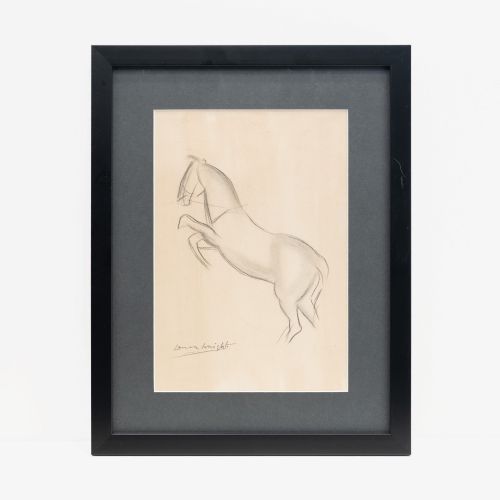
Artists employed oil paint on canvas and board, pastel and charcoal on paper, and ink for detailed etchings. Etchings and drypoint works often appear on paper or vellum as signed artists proofs.
Framing relies on wood, frequently finished with giltwood accents or plain dark surrounds that complement the monochrome or tonal palette of the graphic works within.
Black Framed Animal Art Retail Price Guide 2026
Typical asking prices for black framed animal art among the pieces listed under this phrase on Sellingantiques today, from the lower quarter to the upper quarter. They describe what is for sale here now, not the wider market.
Dogs and leopards share the wall space amicably here.
What varies in quality
Quality rests upon the direct observation of animal anatomy and expression by the artist. Master printsmen achieve depth through precise line work in drypoint and etching, whereas lesser pieces lack tonal nuance.
The preservation of the paper or canvas dictates the desirability of the piece. Strong signatures, limited edition proofs, and period framing elevate the standing of the work.
Herbert Dicksee·William Barraud·Louis Wain·Dame Laura Knight·Mabel Gear
The Black Framed Animal Art Glossary
- Drypoint
- A printmaking process where an image is scratched directly onto a metal plate with a sharp needle. This technique creates a rich, velvety burr that holds ink during printing.
- Artists proof
- An impression of a print taken before the main edition is printed, retained by the artist for inspection. These carry particular weight among collectors.
- Vellum
- A fine parchment made from calfskin, offering a smooth surface for detailed etching and ink work. It holds fine lines with exceptional clarity.
- Giltwood
- Wood carved and prepared with a thin layer of gold leaf or metallic gilt. It frequently highlights the inner edges of dark wooden frames.
Black Framed Animal Art: Frequently Asked Questions
How do I care for these works?
Keep works on paper and canvas away from direct sunlight to prevent fading of inks and watercolours.
Maintain stable room humidity to protect wooden frames and organic materials like vellum and paper.
Are these original prints?
Many listings feature original etchings and drypoint prints pulled directly from plates by the artist.
Look for pencil signatures and artist proof designations to confirm early impressions.
What subjects are most common?
Domestic dogs such as spaniels, terriers, and bulldogs form a large portion of the portraiture.
Wild animals, including leopards, flamingos, and horses, appear in nineteenth and twentieth-century fine art.
How do I date the framing?
Dark wooden frames often correspond to the period of the artwork, ranging from Victorian moulding styles to twentieth-century profiles.
Examine the backboards and fixings for age indicators when assessing the frame.