




Antique Animalier Artwork
Antique animalier artwork captures the raw spirit of the natural world, offering collectors vivid painted studies of wildlife, farm animals and household pets.
Antique Animalier Artwork
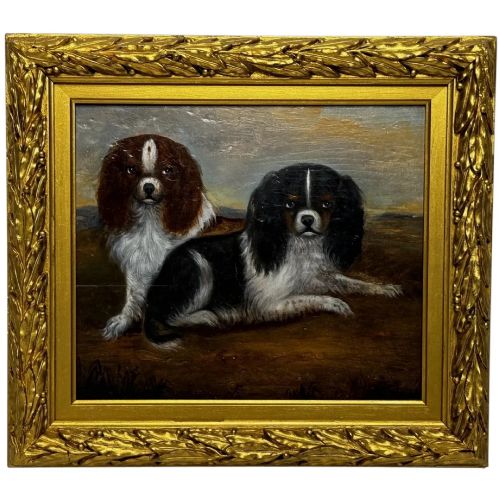
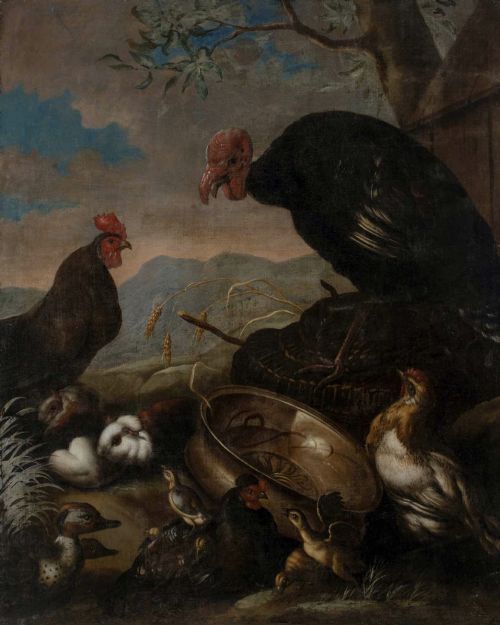
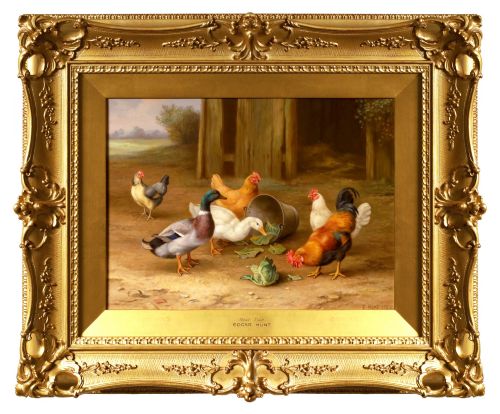
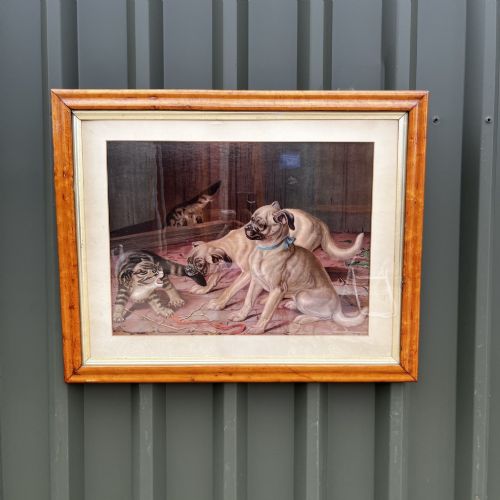
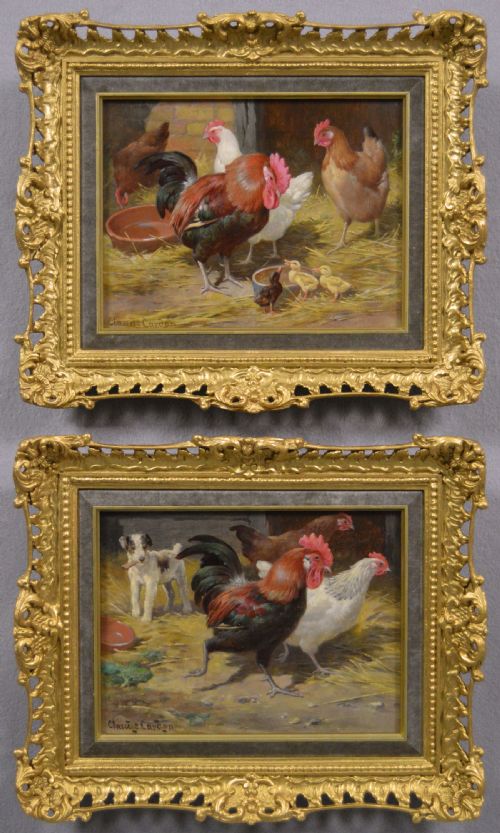
When you search for antique animalier artwork, you encounter paintings and works on paper that focus on the behaviour and form of animals rather than human subjects. These pieces range from seventeenth-century Italian landscapes filled with birds and fowl to nineteenth-century British depictions of sheep, chickens, pugs and cats.
The works appearing here span from the seventeenth century through to the early twentieth century, taking in Victorian academic styles alongside romantic and realist approaches. You find framed oils on canvas, studies on paper and chromolithographs representing the persistent fascination artists held for domestic and wild creatures.
Materials and technique
Makers utilised oil paint applied to canvas or wood panels, building up texture and tone to render fur, feathers and natural light with precision. Works on paper rely on drawn studies that capture the immediate posture and muscle structure of the subject.
Many historical frames utilise carved and gilded wood, known as giltwood, which frames the painted canvas and provides a structured border that complements the period aesthetic of the composition.
Antique Animalier Artwork Retail Price Guide 2026
Typical asking prices for animalier artwork among the pieces listed under this phrase on Sellingantiques today, from the lower quarter to the upper quarter. They describe what is for sale here now, not the wider market.
Listings incorporate works spanning from the seventeenth century through to the 1930s, utilising oil paint, canvas, paper and giltwood.
Distinctions in quality
Quality rests upon the artist's command of animal anatomy, movement and expression, where superior works render fur and feathers with convincing weight and individual character. Weaker examples often rely on rigid posture and formulaic backgrounds that lack observational depth.
The integration of the animal within its landscape setting further separates fine examples from standard pieces, as accomplished painters balance the natural lighting of the environment with the focal subject.
Valentine T Garland·Angelo Maria Crivelli·Edgar Hunt·Horatio Henry Couldrey·Claude Cardon·Eugene Joseph Verboeckhoven·John Macallan Swan·Geza Vastagh·Cuthbert Edmund Swan
The Antique Animalier Artwork Glossary
- Animalier
- Art that depicts animals as the primary subject matter, encompassing paintings, drawings and sculpture. The term is widely applied to nineteenth-century European works.
- Chromolithograph
- A multicoloured print produced through a lithographic process using multiple stones or plates. This technique allowed for faithful reproduction of original colour paintings.
- Giltwood
- Wood that has been coated with gold leaf or gold paint for decorative effect. It is commonly found on traditional picture frames housing oil paintings.
- Realism
- An artistic movement focused on depicting everyday subjects and situations in a contemporary setting accurately and truthfully. In animal art, this means rendering creatures without romantic idealisation.
Antique Animalier Artwork: Frequently Asked Questions
What is antique animalier artwork?
Antique animalier artwork comprises paintings and works on paper dedicated to the study and portrayal of animals, ranging from farm fowl to wild big cats. These pieces reflect historical changing attitudes towards domestic pets, livestock and exotic wildlife.
Created primarily during the seventeenth, eighteenth and nineteenth centuries, these artworks record how different European schools approached natural history and animal behaviour through paint and drawing.
How do I identify the period of an animal painting?
Period identification relies on examining the painting technique, canvas preparation, framing style and the characteristic dress or landscape details surrounding the animals. Seventeenth-century works often employ darker baroque palettes, whereas Victorian pieces tend toward brighter realism.
Signatures, stamps and canvas stretcher construction also provide concrete clues to date the piece accurately within the broader nineteenth-century or earlier traditions.
How should I hang and care for oil paintings?
Oil paintings require stable indoor environments away from direct sunlight, dampness and rapid temperature fluctuations that can cause canvas slackening or paint cracking. Hang them securely on internal walls using appropriate fixings rated for the weight of the frame.
Dust the frame and canvas surface gently with a soft, dry brush, and avoid using any liquid cleaners or chemical agents on the painted surface.
What is the difference between oil on canvas and studies on paper?
Oil on canvas involves pigment bound in oil applied to a stretched woven fabric support, creating a durable and layered finished painting. Studies on paper are typically quicker preparatory works or finished drawings created with mediums like pencil, ink or wash.
Canvas works are generally intended as primary display pieces in substantial frames, while paper studies often offer intimate insights into an artist's working method.