

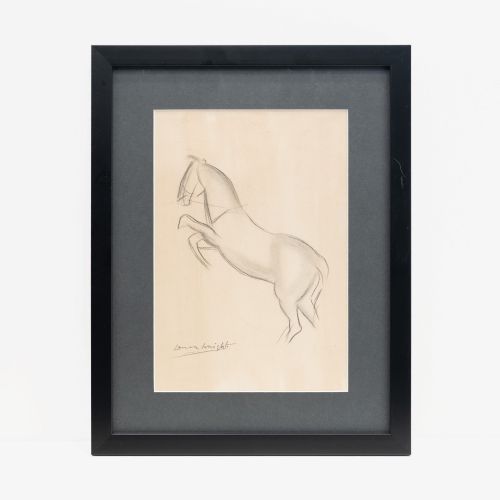


Framed Animal Study
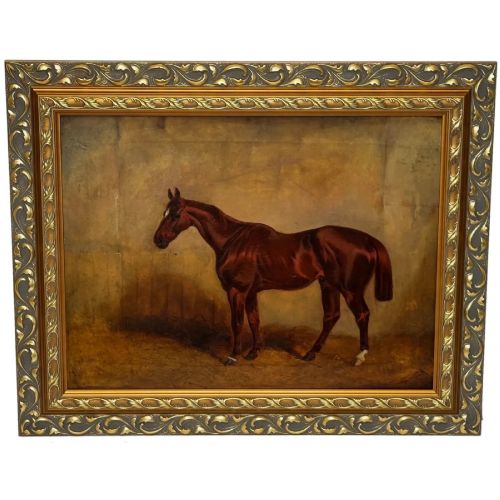
A framed antique animal study brings the quiet intensity of nature into a room, rendered in oil, charcoal or pastel behind glass and wood.
Framed Animal Study
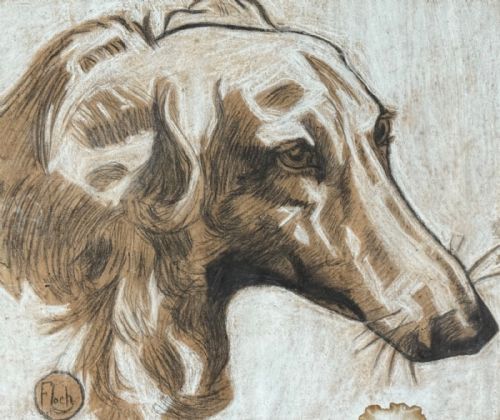
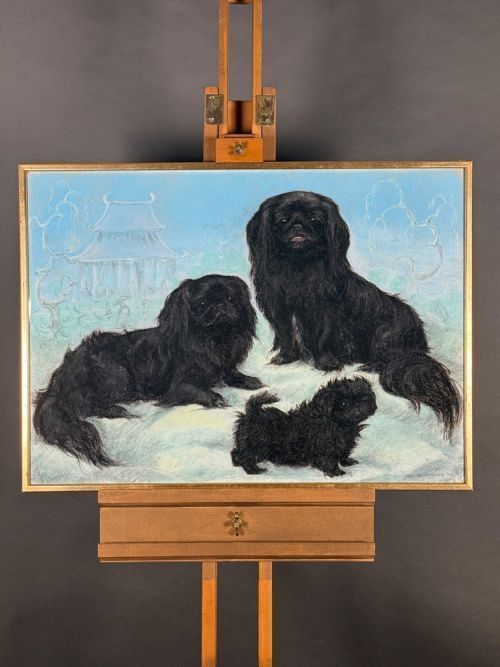
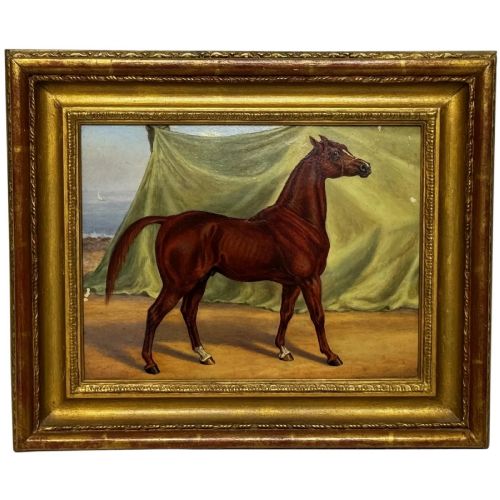
When you search for a framed antique animal study, you are looking at works capturing dogs, horses, rodents and other creatures across several centuries. The pieces on this page span from the eighteenth century through the Victorian era into the early twentieth century, taking the form of oil paintings, drawings and works on paper.
The versions you are most likely to meet here include Victorian dog portraits, traditional equestrian scenes and charcoal or oil studies after notable artists. These range from French impressionist studies and Art Deco dog drawings to colonial Indian horse paintings and Georgian pairs of animal portraits.
The subjects appear in various settings, from stables and pastoral backgrounds to simple focused studies on buff paper. Each piece preserves a moment of animal life through the hand of artists working in oil paint, pastel, gouache, pencil and charcoal.
How they were made
These works rely on traditional drawing and painting supports, utilising paper, buff paper and canvas stretched or mounted for handling. Artists applied charcoal, pastel, gouache, pencil and oil paint to build up the forms of dogs, horses and rodents.
Framing forms an integral part of the survival of these pieces, with giltwood frames, gold leaf accents and glass protecting the delicate surfaces of paper and canvas. Wood provides the structural backing and outer moulding for the display of these studies.
Framed Animal Study Retail Price Guide 2026
Typical asking prices for framed animal study among the pieces listed under this phrase on Sellingantiques today, from the lower quarter to the upper quarter. They describe what is for sale here now, not the wider market.
Listings here feature materials including wood, paper, glass, giltwood, charcoal, oil paint, canvas and gold leaf across multiple centuries.
What varies in quality
Quality in these animal studies rests upon the sureness of the draftsmanship and the fidelity with which the artist captures the anatomy and character of the creature. Pieces executed by named followers or direct hands show a superior grasp of light and texture compared to simpler decorative works.
The materials and framing also set pieces apart, distinguishing works housed in period giltwood frames with gold leaf from those in standard surrounds. The preservation of the paper or canvas beneath the glass dictates the visual clarity of the study.
Sir Edwin Landseer·John Emms·A. Betts·John Macallan Swan
The Framed Animal Study Glossary
- Gouache
- An opaque water-based paint that dries to a matte finish, often used on paper for detailed animal studies.
- Giltwood
- Wood carved and covered with a thin layer of gold leaf or gold paint, standard for period frames.
- Buff paper
- A warm yellowish-grey paper stock frequently selected by artists in the early twentieth century for pastel and pencil work.
- Charcoal
- A dry drawing medium made from organic carbon that produces rich dark lines and soft tonal shadows.
Framed Animal Study: Frequently Asked Questions
What is a framed antique animal study?
A framed antique animal study is an artwork depicting creatures such as dogs, horses or rodents, created in mediums like oil, charcoal, pastel or gouache on paper or canvas.
These pieces are typically housed in period frames, including giltwood designs, and date from the eighteenth century up through the early twentieth century.
How were these animal studies used historically?
Historically, these studies served as preparatory sketches for larger oil paintings, direct commissions for owners of prized animals, or decorative artworks for domestic interiors.
Equestrian and canine subjects were particularly popular in Georgian and Victorian households to celebrate valued pets and horses.
How do I live with a paper animal study?
Works on paper require careful placement away from direct sunlight to prevent the fading of charcoal, pastel, gouache and paper supports over time.
Keeping the piece behind glass in its original or a compatible antique frame protects the delicate medium from atmospheric moisture and dust.
How can I tell the period of a framed animal study?
The period of an animal study is often indicated by the framing materials, the type of paper or canvas used, and the stylistic conventions of the drawing or painting.
Victorian realists, Art Deco illustrators and Georgian portraitists each employed distinct palettes and mark-making techniques that help date the work.