




Black Forest Timber Statue
These black forest timber statue pieces bring centuries of alpine craftsmanship straight into a room, offering both character and naturalism.
Black Forest Timber Statue
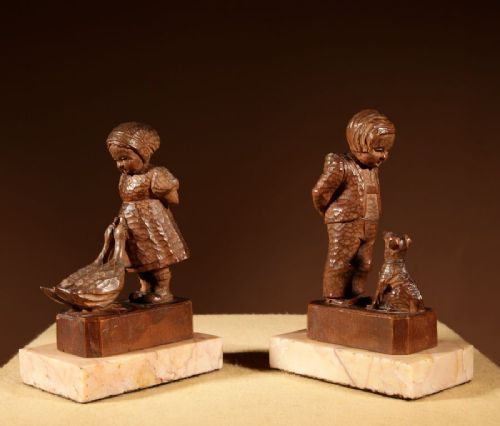
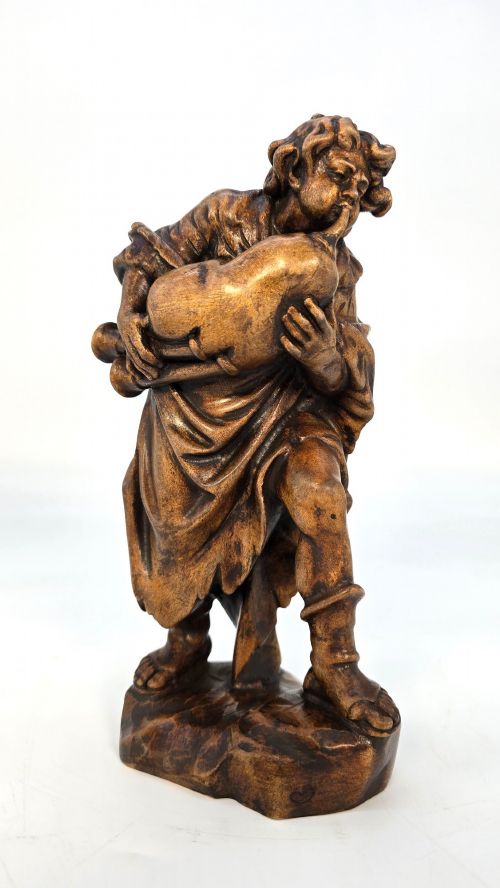
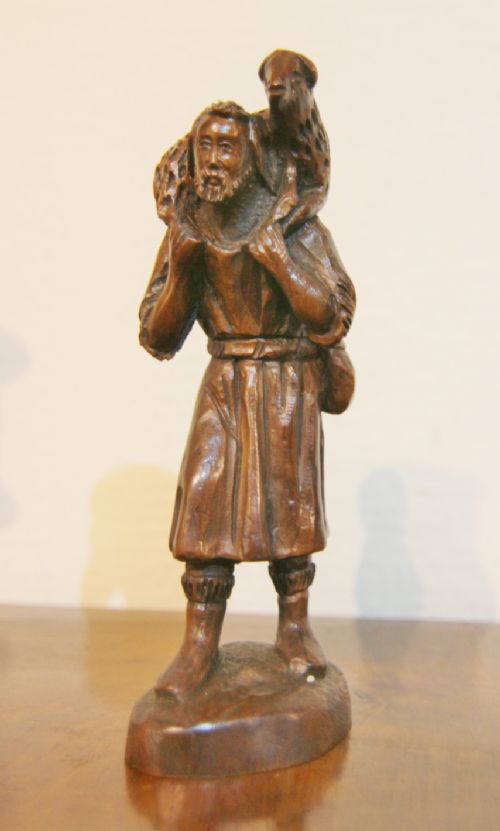
A black forest timber statue represents intricate woodworking traditions originating from the mountainous regions of central Europe during the nineteenth and early twentieth centuries. When searching for a black forest timber statue, collectors encounter representations of wildlife, human figures, and domestic items carved with remarkable detail.
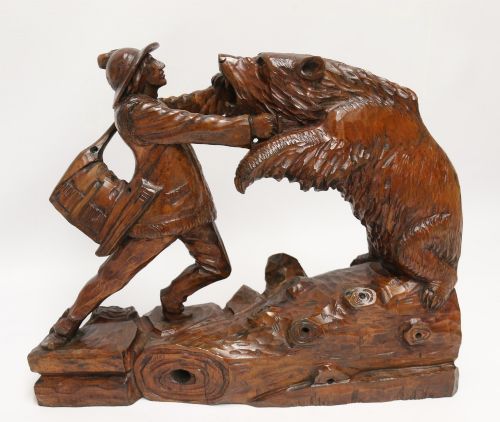
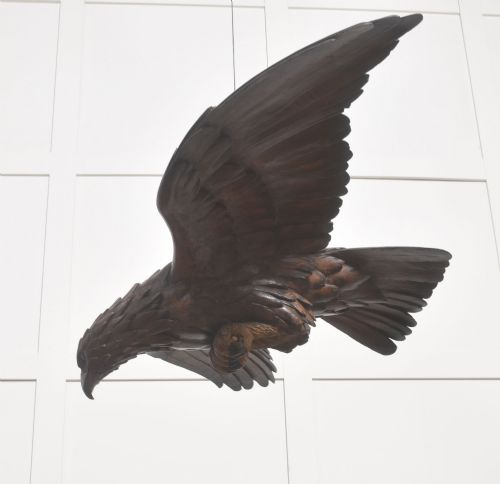
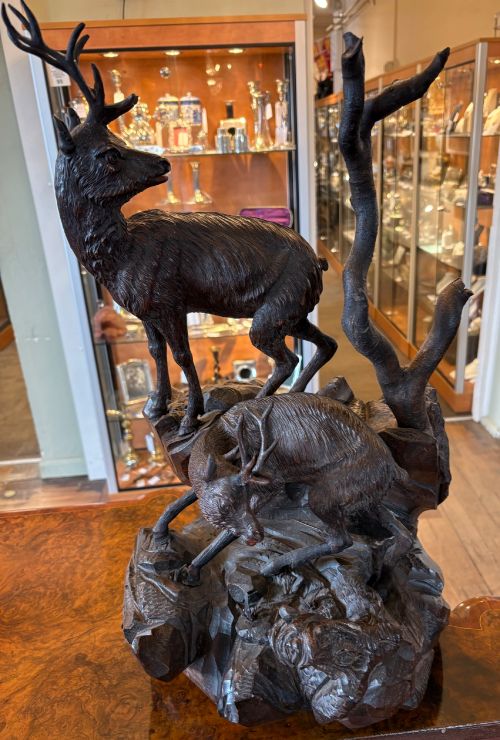
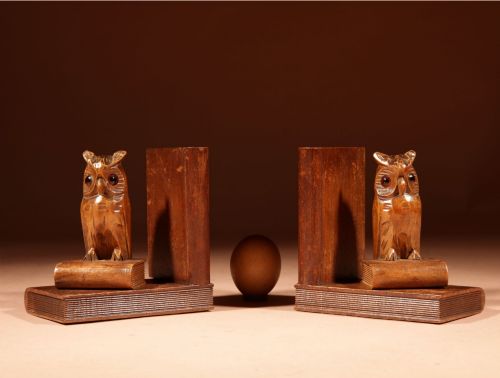
The objects on this page span several decades, featuring subjects such as bears, deer, birds, and figures in traditional dress. These sculptures range from small desk accessories and bookends to larger floor-standing pieces and table lamps.
Most examples align with the Victorian period and later decades around nineteen hundred, showcasing the enduring appeal of alpine folk art. Buyers often find pairs of animals, single studies of wildlife, or figurative carvings depicting traditional rural life.
Assessing quality in carved timber
Quality rests upon the anatomical accuracy and the depth of relief achieved by the carver. Superior pieces display lifelike proportions and expressive details rather than generic or stiff forms.
The complexity of the subject matter also dictates the standard of the work, with multi-figure groups and detailed wildlife studies demanding higher skill than simplified ornaments.
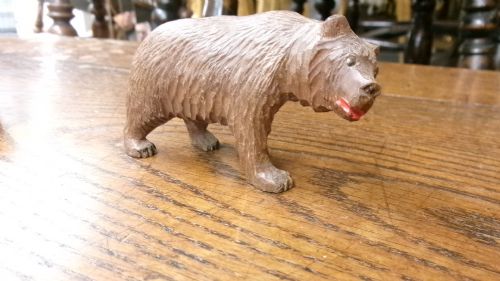
Several miniature bears stand ready to guard your desk, some fitted with glass eyes that catch the light.
The Black Forest Timber Statue Glossary
- Folk art
- Traditional decorative items produced by self-taught or regionally trained artisans outside mainstream academic traditions. These objects emphasise utility and local cultural motifs.
- Walnut
- A dense, hard timber prized for its rich colour and durability in detailed furniture and sculpture. It takes a sharp edge from carving tools and polishes to a warm sheen.
- Undercutting
- A carving technique where wood is removed beneath a projection to create a three-dimensional effect of depth and separation from the background. This method requires steady hands and sharp tools.
Black Forest Timber Statue: Frequently Asked Questions
How do I date a timber carving?
Dating relies on stylistic clues, the type of timber used, and any accompanying hardware or glass components.
Victorian and early twentieth-century examples often exhibit specific tool marks and finishing techniques distinct from later reproductions.
What animals appear most frequently?
Bears are the most common subject in this category, followed by deer, owls, and dogs such as Saint Bernards.
Other animals like ibex and chamois also appear, reflecting the alpine fauna of the origin regions.
How should I clean these statues?
Dusting with a soft, dry brush preserves the surface wax and prevents moisture damage to the timber.
Avoid liquid cleaners or polishes that might strip the original finish or darken the wood.
Where were these pieces originally carved?
Production centred primarily in the mountainous regions of Switzerland and Germany, particularly around the Black Forest.
Local workshops produced these items for travellers and international export throughout the nineteenth century.