


Black Ebonised Framed Art
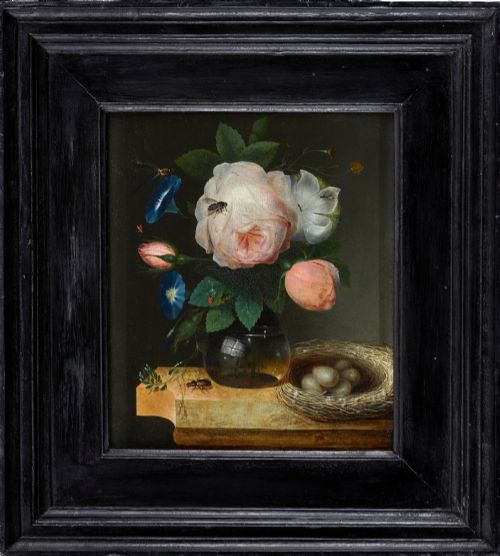
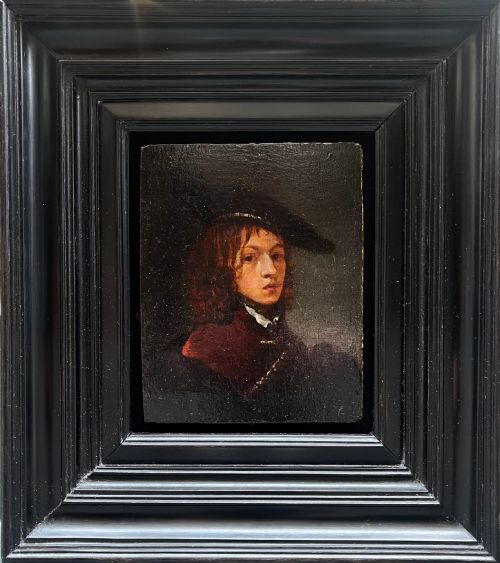
Black ebonised framed art brings together centuries of portraiture and printmaking encased in dark, polished surrounds.
Black Ebonised Framed Art
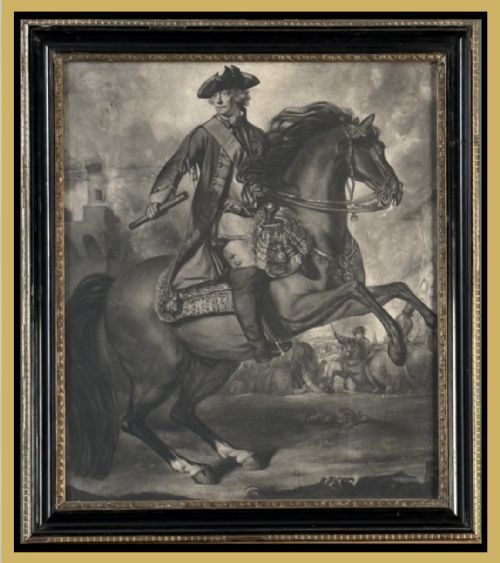
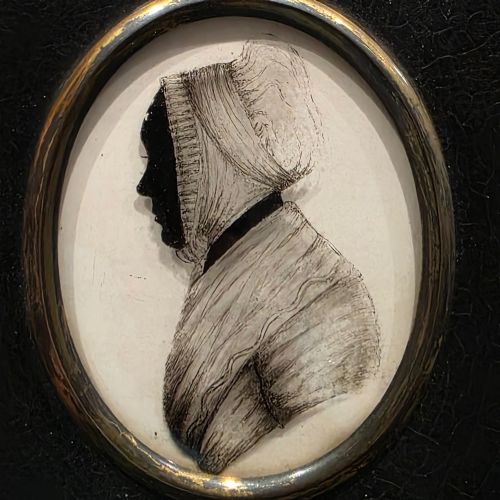
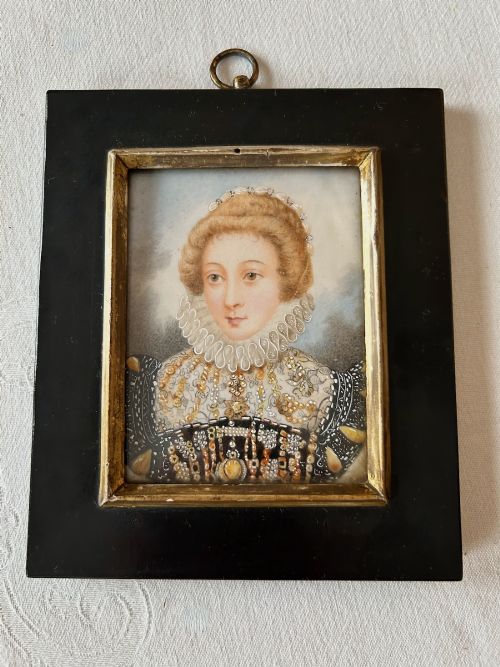
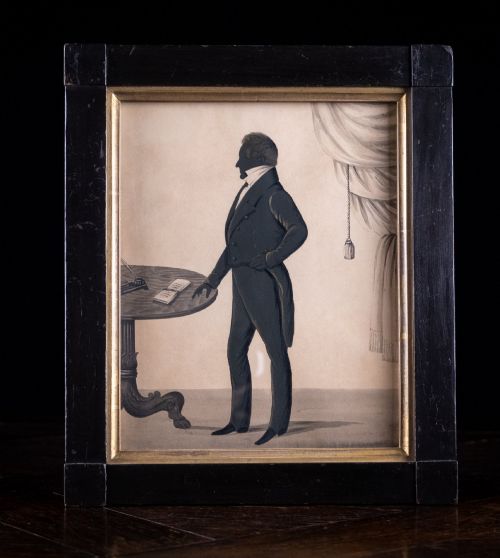
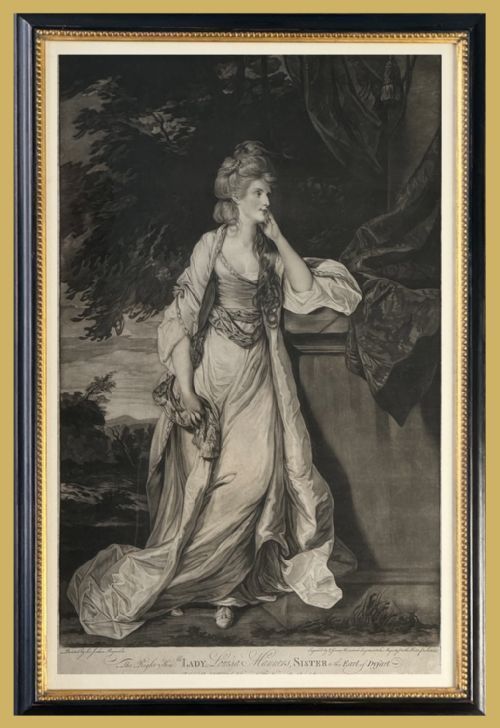
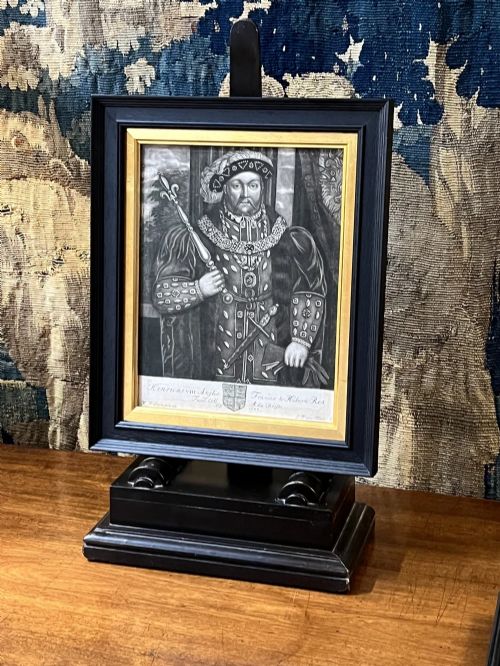
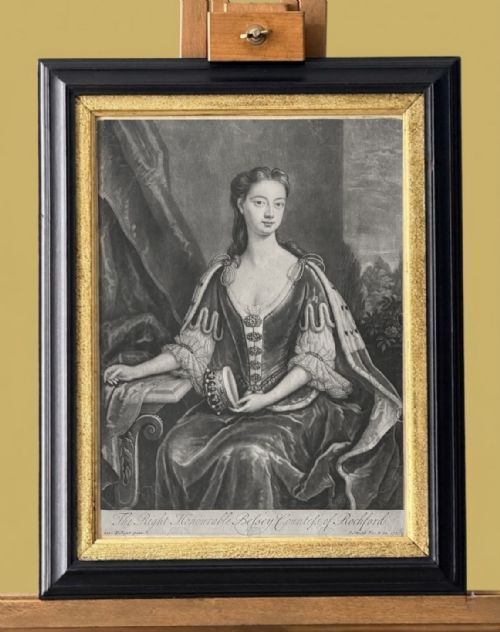
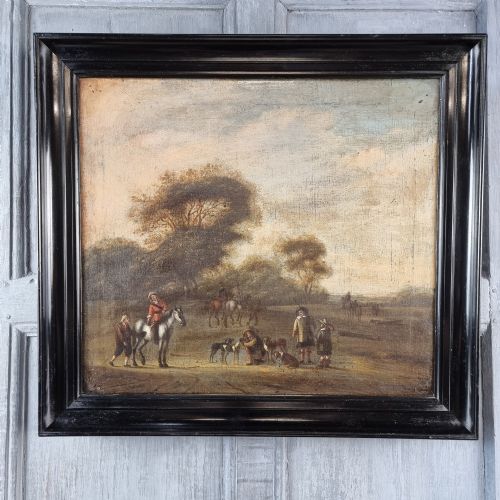
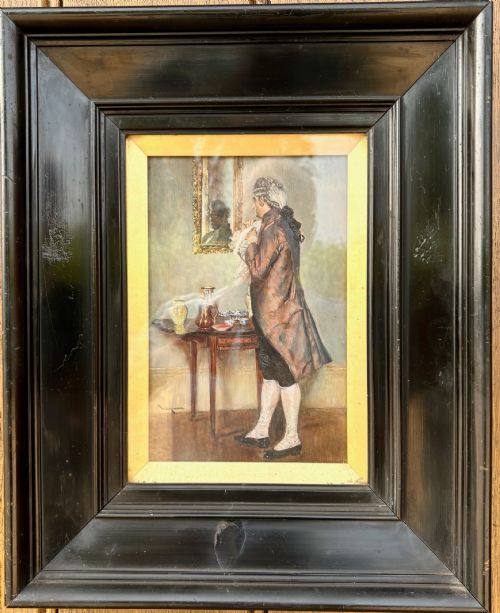
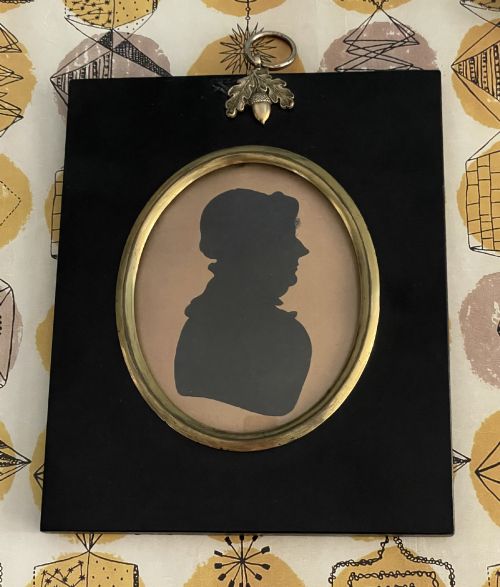
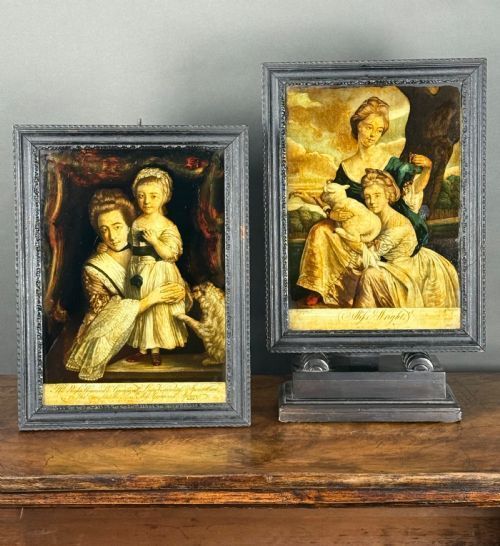
Buyers encounter a variety of forms ranging from oval portrait miniatures and cut paper silhouettes to large oil paintings and reverse glass prints. The dark framing provides a stark, contrasting border that draws the eye directly into the detailed imagery of the central work.
Originating across British, Dutch, and Italian schools, these pieces reflect domestic portraiture and decorative arts from the Georgian, Regency, and Victorian periods. The combination of dark wood frames and historic works creates a distinct visual weight suitable for traditional interiors.
Materials and construction
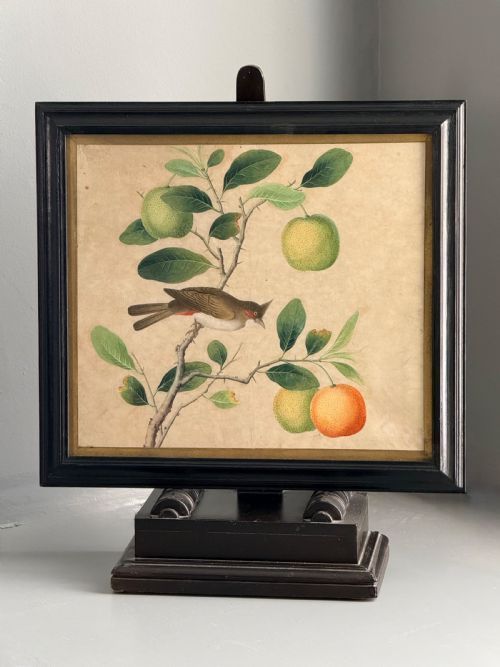
Makers utilised wood finished with ebonisation techniques to imitate costly ebony, pairing these dark frames with glass, paper, canvas, and copper plates. Artists applied oil paint, watercolour, gouache, and gold leaf, alongside techniques such as mezzotint engraving and reverse glass painting.
The construction often involves hand-carved wooden mouldings fitted around delicate works on paper or panel, sometimes protected behind convex or flat glass panes. Portrait miniatures and silhouettes frequently incorporate brass hangers and hand-turned bezels within the ebonised housing.
Several portraits feature subjects wearing intricate ruff collars that demand absolute stillness from the viewer.
Factors of quality
The depth and clarity of the inner artwork set finer examples apart, particularly in the crispness of silhouette cutting or the tonal richness of eighteenth-century mezzotints. Precision in the application of ebonised finishes and the preservation of original glass and backing materials also influence the standing of a piece.
Hand-painted details on miniatures and the quality of the surrounding timber mouldings distinguish workshop output, where skilled draughtsmanship elevates standard decorative items into notable portraits of historical subjects.
Edward Fisher·Sir Joshua Reynolds·Henri Fradelle·John Faber Snr·Hans Holbein The Younger
The Black Ebonised Framed Art Glossary
- Ebonised wood
- Timber treated with a chemical stain or black finish to simulate genuine ebony. This technique gained popularity for framing works on paper and miniatures to create high contrast.
- Mezzotint
- A printmaking process where the copper plate is roughened to achieve rich tonal gradations rather than simple lines. It was widely used in the eighteenth century for reproducing oil paintings.
- Silhouette
- A portrait represented as a solid shape, usually black, profile-view and cut from paper or painted onto card or glass. These became fashionable in the Georgian and Regency eras.
- Plumbago
- A drawing executed in graphite, taking its name from the early term for the mineral. These works offer fine, detailed monochromatic portraits often found in period frames.
- Reverse glass painting
- An artistic technique where the image is painted directly onto the back of a glass panel and viewed from the front. This method imparts a glossy surface finish.
Black Ebonised Framed Art: Frequently Asked Questions
What periods do these framed pieces cover?
The selection spans from the seventeenth century through the Georgian and Regency eras up to the Victorian period and early twentieth century. This range encompasses diverse artistic movements from Dutch Golden Age styles to nineteenth-century romantic revivals.
Buyers find both early oil paintings and later portrait miniatures housed in complementary ebonised surrounds that reflect the aesthetic preferences of their respective eras.
How were silhouette miniatures created?
Silhouettes were produced either by cutting profile shapes from black paper with scissors or by painting directly onto glass, card, or plaster. Artists utilised fine brushes to add subtle highlights in gold leaf or white pigment.
These small portraits were then sealed within protective glass frames, often featuring distinctive brass bezels and ebonised wooden borders.
Are the frames original to the art?
Many pieces retain their period ebonised frames, which were specifically chosen or constructed to complement the dark tones of the print or painting within. The relationship between the artwork and the frame often reflects framing conventions of the eighteenth and nineteenth centuries.
Examining the timber construction and backing materials helps determine whether the pairing dates back to the creation of the central piece.
How do I care for antique glass and paper art?
These works require placement away from direct sunlight to prevent the fading of watercolours, prints, and painted silhouettes. Maintaining stable indoor humidity protects both the paper substrates and the wooden ebonised frames from warping.
Cleaning should be limited to gentle dusting of the exterior frame, avoiding liquid cleaners near the joins of historic glass panels.