

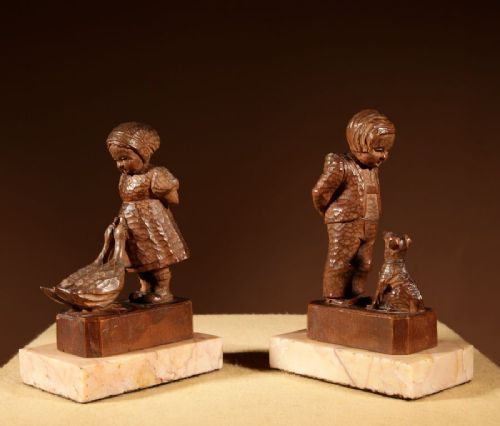
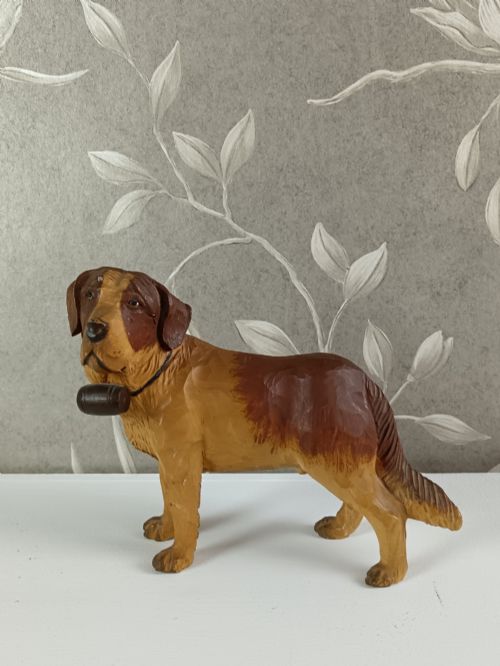
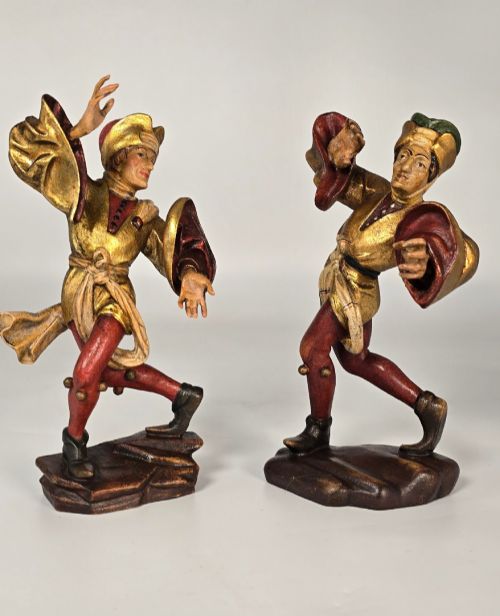
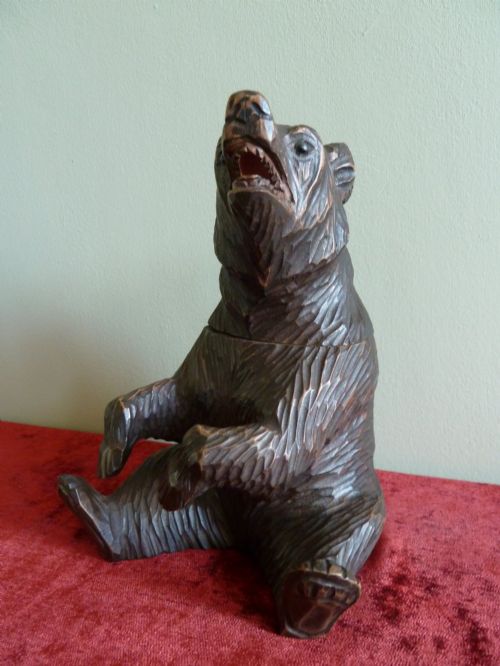
Black Carved Wood Statue
Every black carved wood statue brings substantial regional detail to a room, ranging from Swiss forest wildlife to Asian mythological figures.
Black Carved Wood Statue
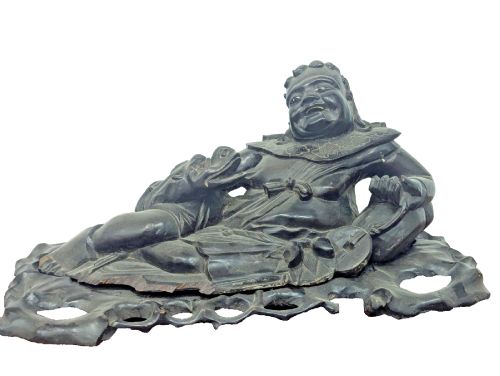
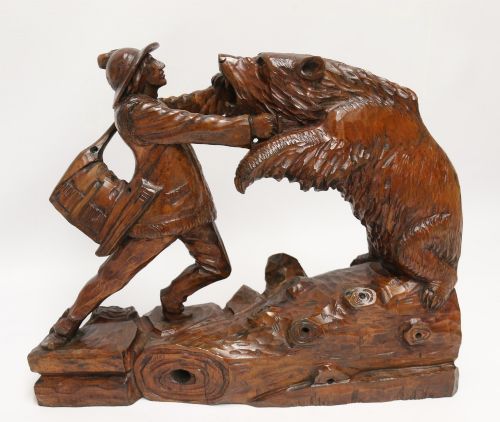
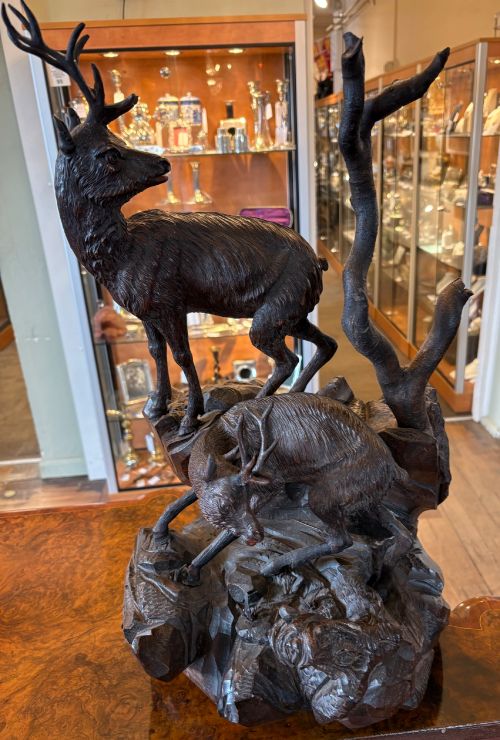
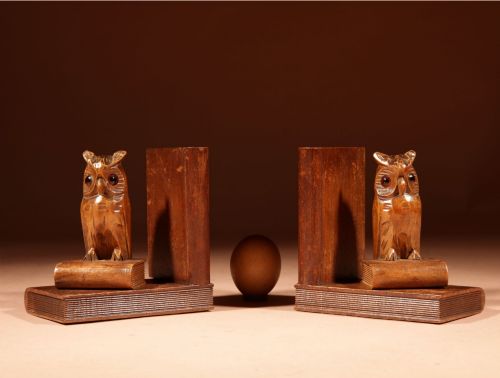
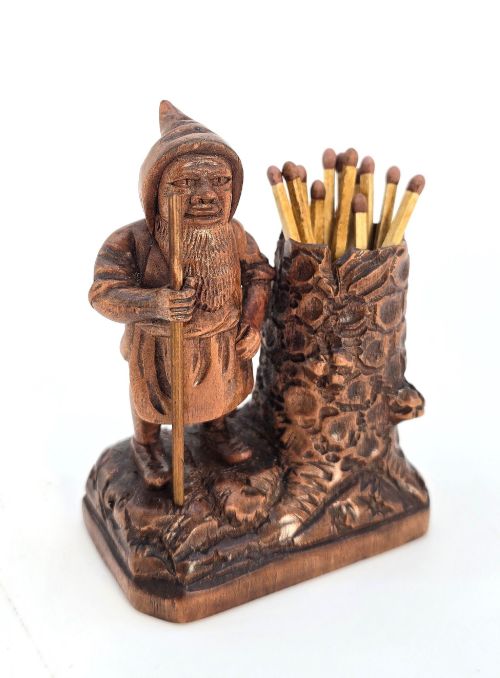
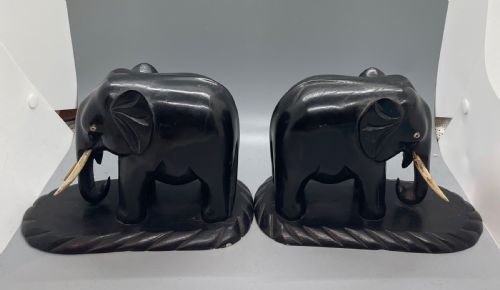
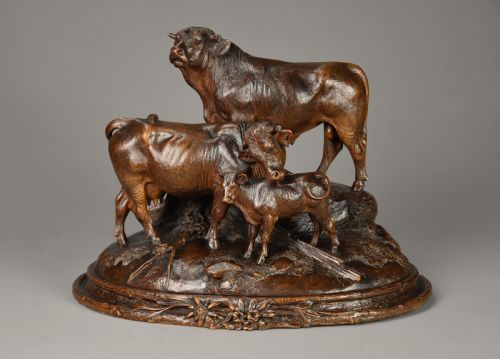
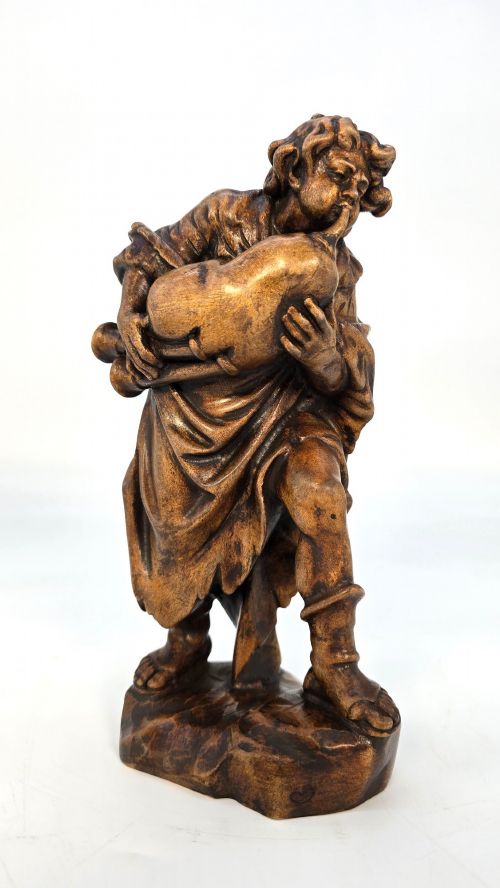
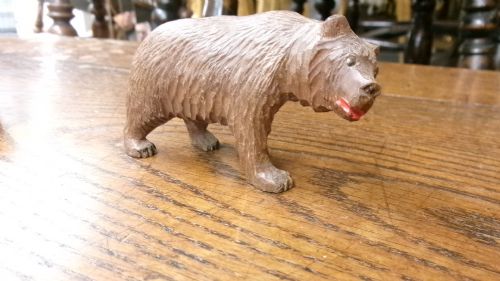
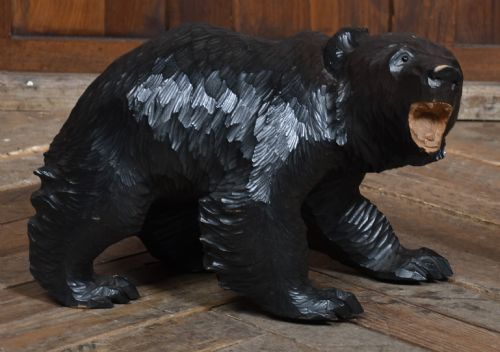
A black carved wood statue encompasses a diverse group of sculptural objects, with Black Forest animal studies and human figures appearing most frequently on this page. These carvings span the nineteenth and early twentieth centuries, drawing on European folk traditions as well as Qing dynasty and Anglo-Indian origins.
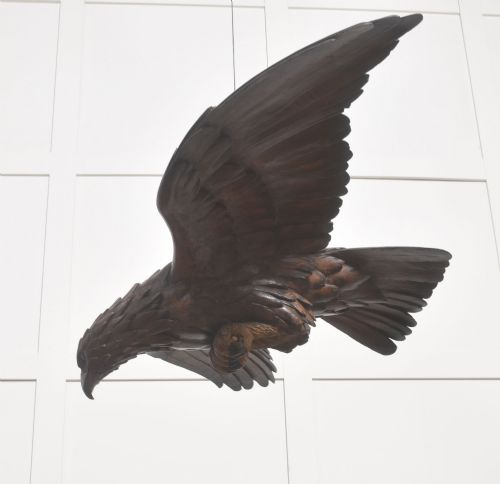
The selection includes functional items such as bookends, match strikers, and tobacco holders alongside purely decorative animal and human forms. Buyers encounter bears, deer, birds, elephants, and human figures carved from various woods and often darkened or ebonised.
Regional styles dominate the selection, linking specific workshops to Swiss, German, Italian, and Asian carving traditions. Many pieces reflect the intense naturalism of Alpine woodcarvers or the stylised forms of Art Deco design.
How they were made
Carvers utilised native European timbers such as limewood, walnut, linden wood, and oak, alongside dense exotic woods like ebony and hardwoods. Soft limewood allowed for minute, deep undercutting in complex animal groups, while harder woods supported crisp, durable outlines.
Makers applied dark stains, ebonising techniques, and occasionally gold leaf or polychrome decoration to finished surfaces. Glass eyes were frequently inserted into animal sculptures to add realism, and selected pieces incorporated marble bases for stability.
Bears smoke pipes, hold matchboxes, and act as table lamps with surprising regularity.
What varies in quality
The precision of anatomical rendering and the depth of undercut relief determine the standing of an individual carving. Superior examples capture musculature, texture, and natural posture with acute anatomical accuracy rather than flat generalised shaping.
Maker signatures and workshop stamps, such as those by identified Swiss carvers, elevate certain pieces above anonymous production work. The crispness of surface tooling and the integration of functional elements like bookends also distinguish higher grade examples.
J Huggler·Eugene Emile Borga
The Black Carved Wood Statue Glossary
- Black Forest
- A style of wood carving originating in the mountainous regions of central Europe, renowned for realistic animal studies and rustic figures. These pieces frequently depict bears, deer, and alpine inhabitants.
- Limewood
- A pale timber favoured by European woodcarvers for its fine grain and lack of prominent figuring. It cuts cleanly in any direction, making it ideal for intricate undercut details.
- Ebonised
- Wood treated with stain, dye, or polish to simulate the dark, dense appearance of ebony. This treatment gives lighter timbers a uniform black surface.
- Foo Dog
- A traditional guardian lion figure derived from Asian art traditions. These mythical beasts appear frequently in carved wood pairs.
- Byeri
- A reliquary guardian head associated with African tribal art traditions. These sculptures served protective functions within their original cultural contexts.
Black Carved Wood Statue: Frequently Asked Questions
What woods were used for these statues?
Makers selected limewood, walnut, oak, and linden wood for European alpine carvings, while denser hardwoods and ebony appear in Asian and colonial pieces.
Surface treatments such as dark stains and ebonising were commonly applied to alter the natural timber tone.
How do I identify Black Forest carvings?
Authentic pieces typically feature realistic representations of forest animals, deeply carved foliage, or rustic human figures produced in Swiss and German workshops.
Many examples date from the nineteenth or early twentieth centuries and rely on native timbers like limewood and walnut.
How should I clean carved wood?
Dust surfaces gently with a dry, soft brush to prevent accumulation in recessed carved areas without disturbing the aged patina.
Avoid liquid cleaners, moisture, and direct sunlight to protect the timber and any applied dark finishes.