
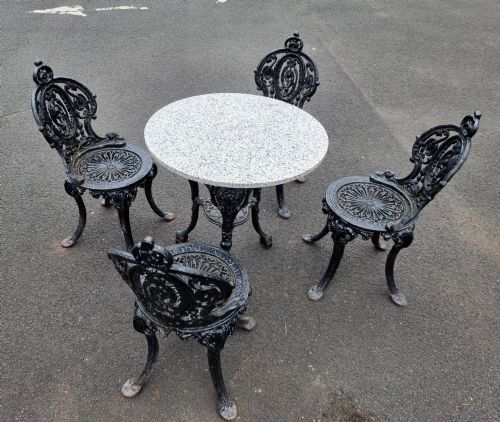
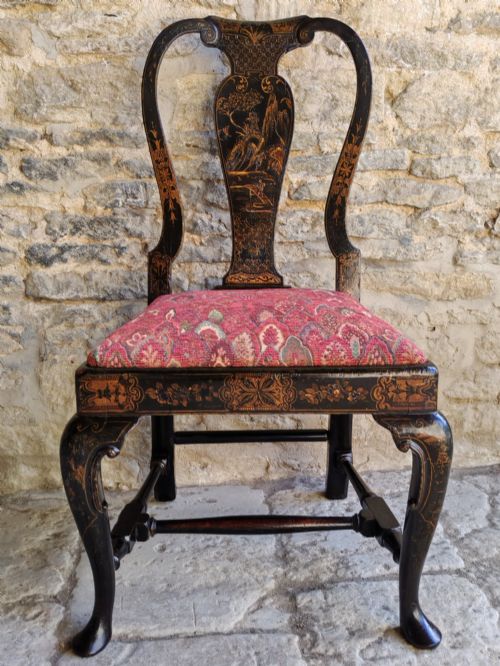
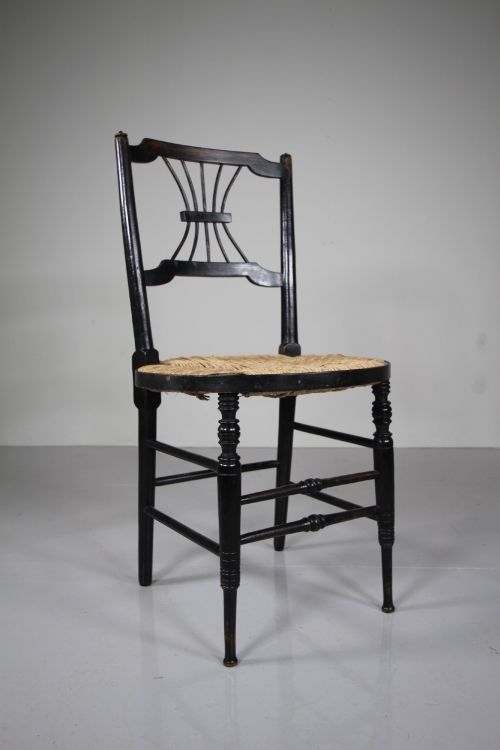
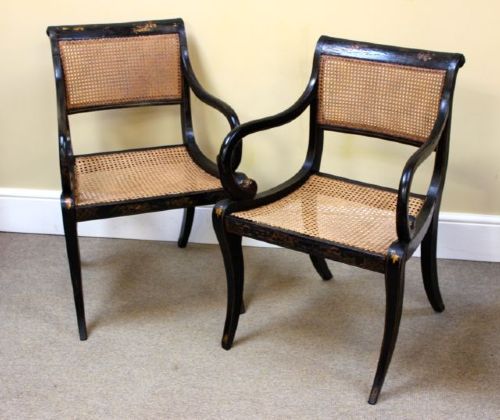
Black Dining Chairs
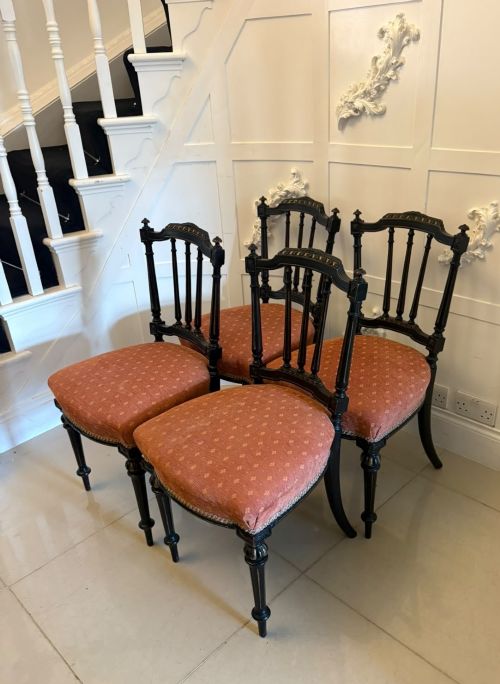
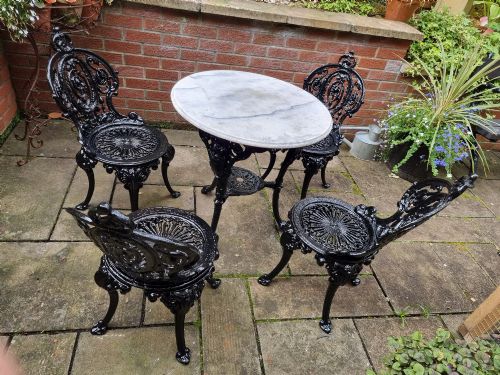
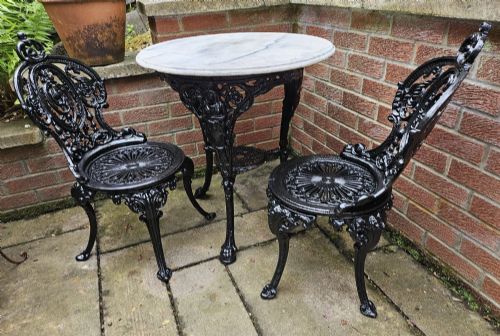
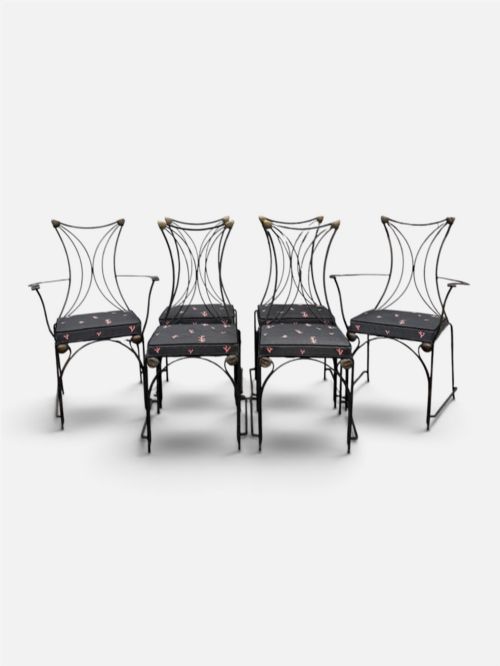
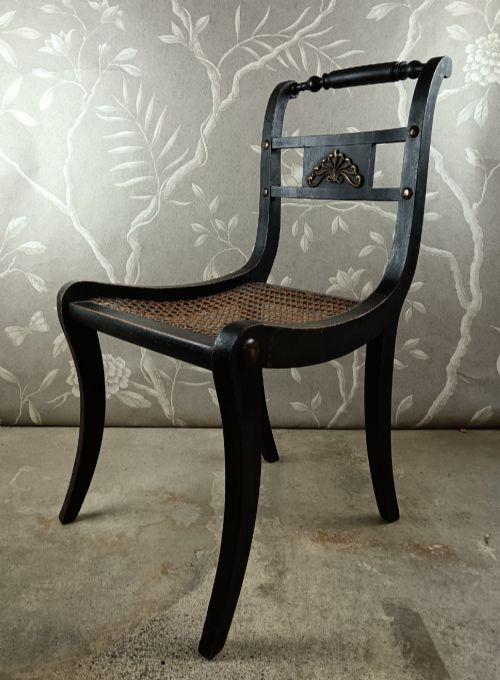
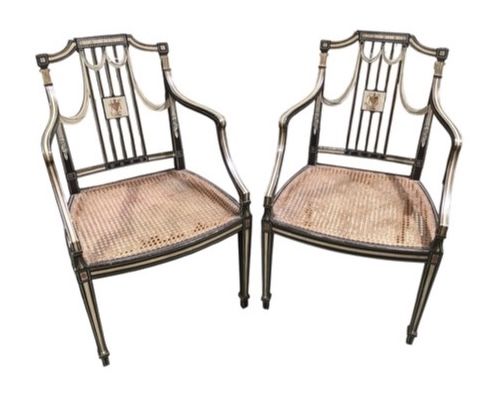
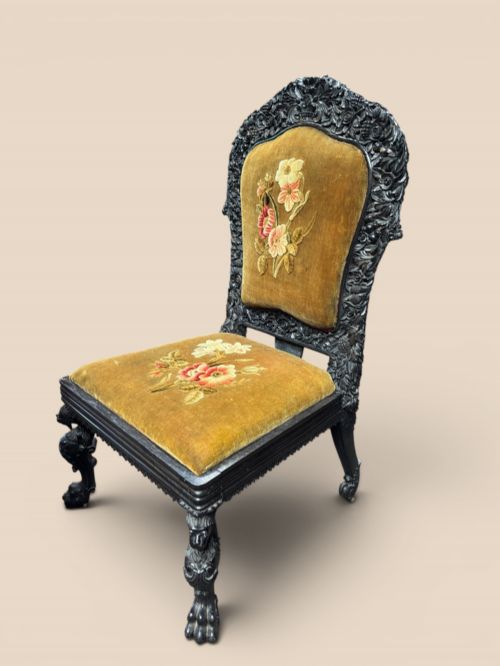
These black antique dining chairs range from ebonised Regency and Victorian seating to carved ebony and painted wooden forms.
Black Dining Chairs
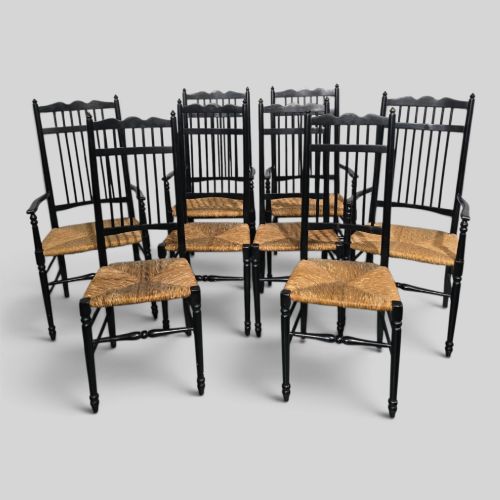
When buyers search for black antique dining chairs, they encounter seating spanning the eighteenth, nineteenth, and early twentieth centuries. The selection includes side chairs, carver chairs, and large dining suites built in styles such as Regency, Victorian, Arts and Crafts, and Chippendale revival.
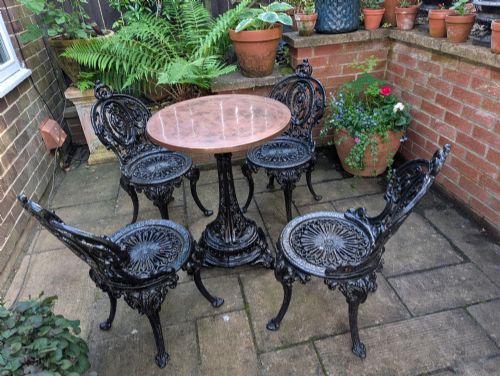
Most pieces meet the dark finish requirement through ebonised wood, painted surfaces, or naturally dark timbers like ebony. These chairs serve formal dining rooms, informal parlours, and garden spaces depending on their construction and period origin.
How they were made
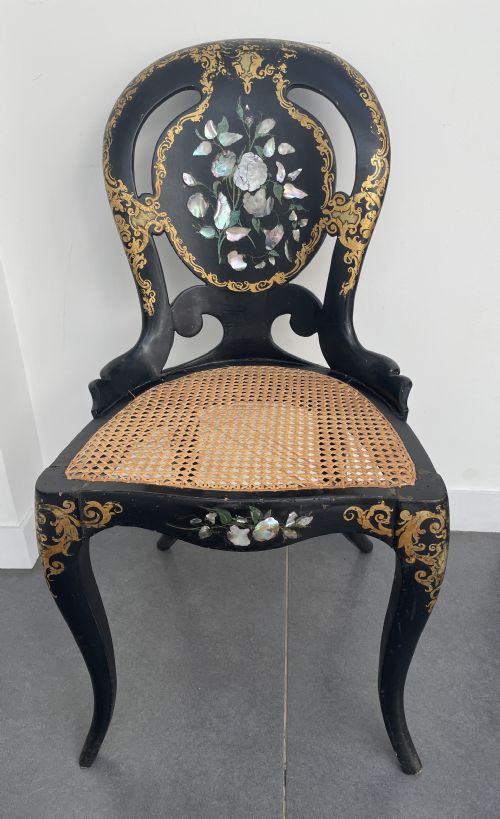
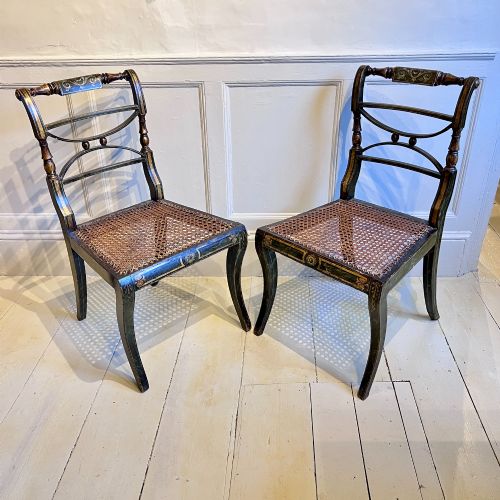
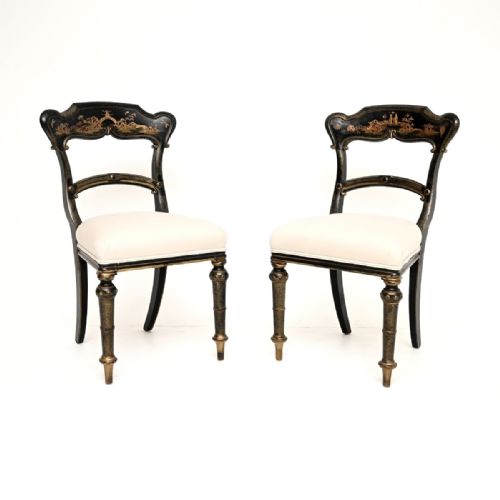
Cabinet makers utilised dense timbers such as mahogany, oak, walnut, and exotic ebony, often applying ebonisation or dark lacquer to achieve a uniform black appearance. Surface decoration frequently involved gilt detailing, mother of pearl inlay, hand painting, or fine carving.
Seats incorporate traditional materials including woven cane, studded leather, and fabric upholstery. Structural integrity relies on joined wooden frames, turned legs, and sabre or block foot designs.
The inventory spans diverse periods including George III, Regency, Victorian, and Arts and Crafts design movements.
What varies in quality
The standard of carving and painted detail distinguishes simpler utility seating from fine parlour pieces. Crisp mouldings, intact gilt work, and original cane or leather indicate superior craftsmanship.
Completeness of a matching set heavily influences character and utility, particularly when dealing with larger dining suites or paired armchairs. The integrity of the original ebonised surface and underlying timber stability determine lasting resilience.
William Morris·Rossetti·Philip Webb·Bruce J. Talbert·Morris Co
The Black Dining Chairs Glossary
- Ebonised
- Wood treated with stain, paint, or chemical processes to imitate costly ebony. This dark finish became particularly popular during the Regency and Victorian periods.
- Caning
- Woven rattan material used for seat panels. Original cane seats require careful preservation due to their delicate nature.
- Sabre leg
- A concave curving leg that sweeps outward, commonly found on Regency dining and side chairs. This form draws inspiration from classical Greek furniture.
- Chinoiserie
- European imitation of Chinese artistic motifs and lacquerwork. These decorated surfaces often feature distinct black and gold schemes.
Black Dining Chairs: Frequently Asked Questions
How do I clean an ebonised finish?
Dust surfaces regularly with a soft, dry cloth to prevent dirt accumulation. Avoid harsh chemical cleaners that strip the historic dark surface.
Apply a microcrystalline wax sparingly if the wood appears dry, buffing gently to maintain a soft sheen.
Are cane seats suitable for daily use?
Original cane seats support regular sitting provided the weave remains taut and undamaged. Distribute weight evenly and avoid kneeling on the panel.
Condition old cane occasionally with a damp sponge to maintain flexibility and prevent snapping.
How can I date a black chair?
Examine the timber species, joinery methods, and secondary woods beneath the seat or frame. Hand-cut dovetails and pegged joints point toward earlier manufacturing periods.
Compare decorative motifs such as faux bamboo turning, gilt chinoiserie, or heavy carving against known stylistic eras.
Can I mix different chair styles together?
Pairing armchairs at the head of a table with side chairs along the sides creates a balanced dining arrangement. Stick to similar dark finishes or complementary periods to maintain visual harmony.
Eclectic dining sets work well when united by a common colour palette like ebonised wood or black paint.