
Birmingham Sterling Silver
Birmingham sterling silver brings together centuries of Midlands metalwork, offering practical boxes, desk items and table wares marked by the assay office.

Birmingham sterling silver
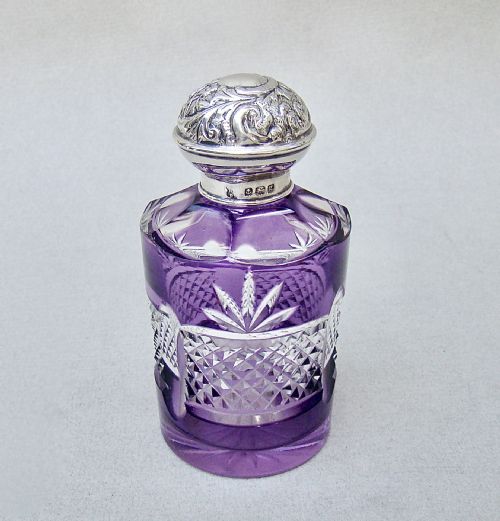
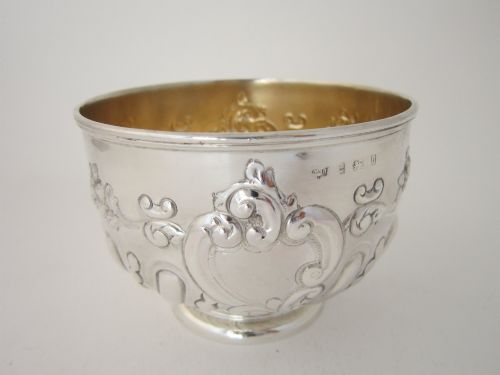
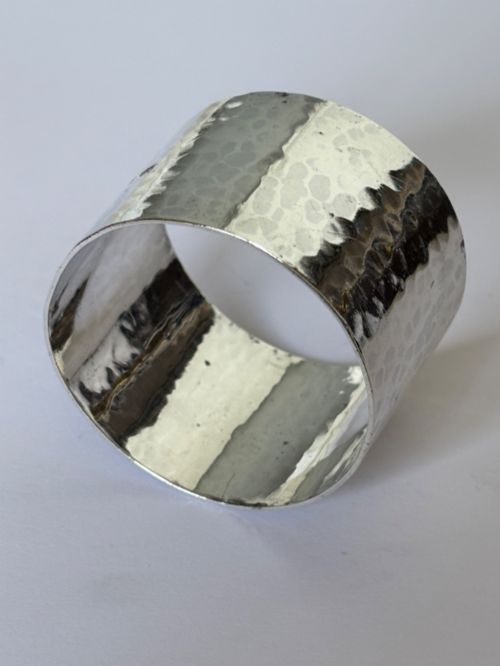
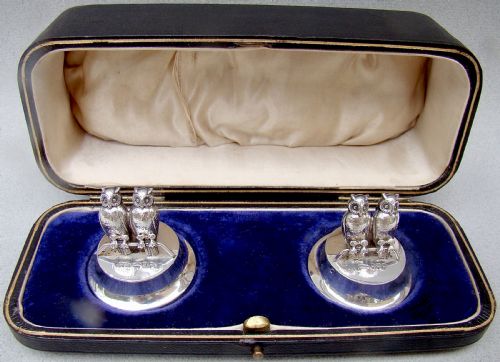
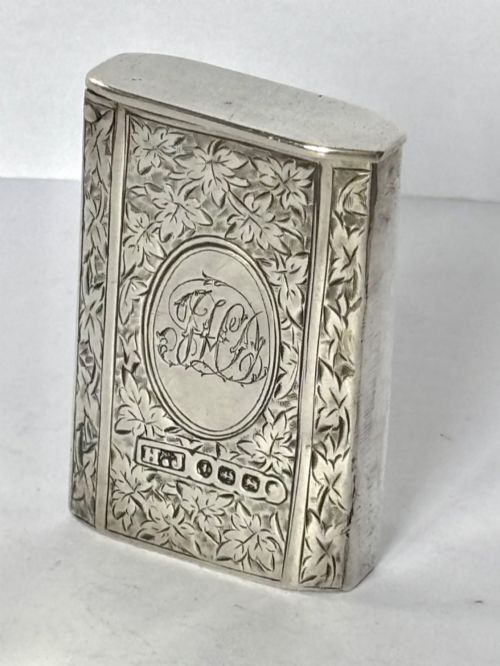
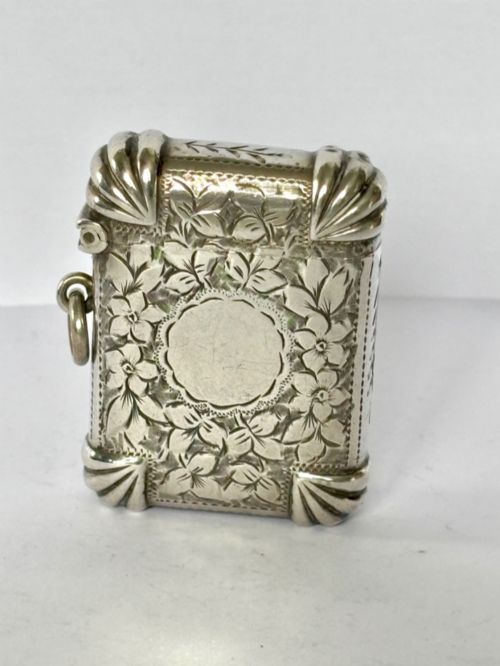
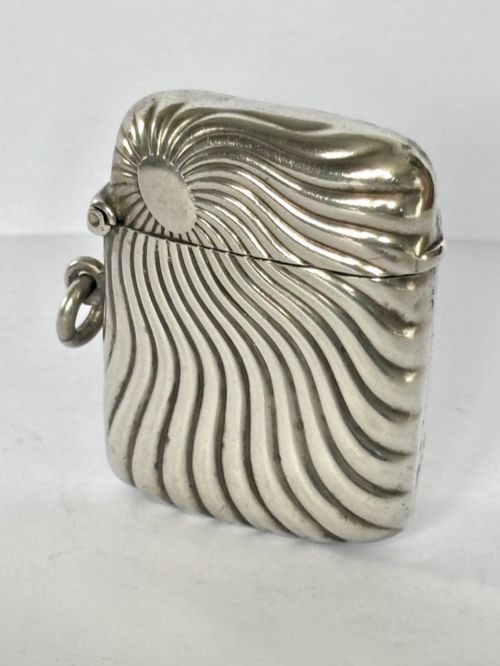
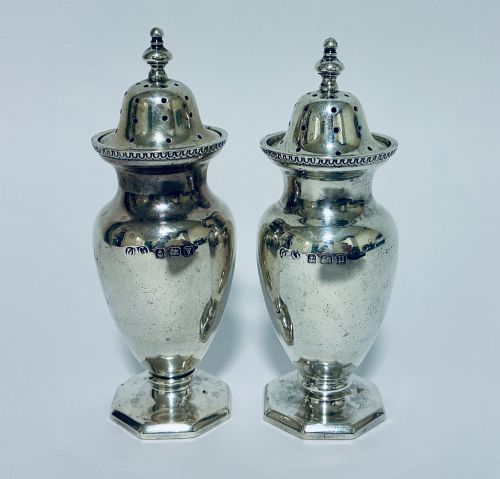
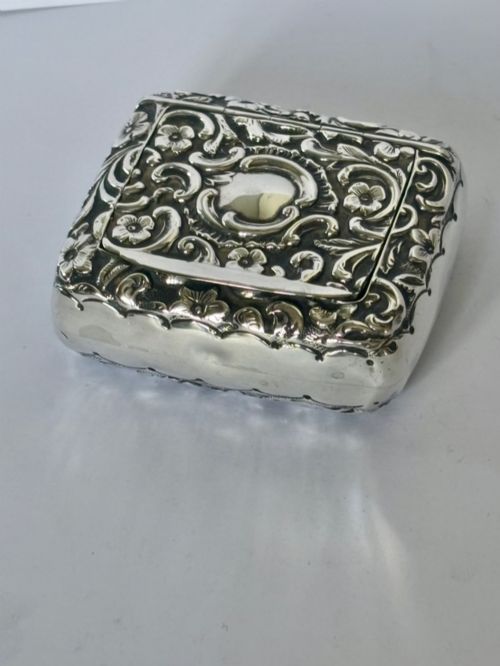
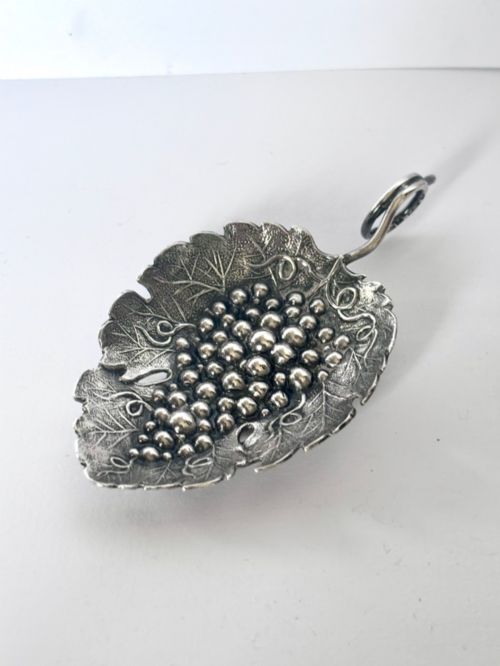
Birmingham sterling silver covers a diverse range of functional and decorative items produced in the Midlands from the Georgian period through to the mid-twentieth century. Buyers searching for birmingham sterling silver encounter everything from small pocket items like patch boxes, pill boxes and vesta cases to larger domestic objects such as toast racks, cream jugs, candlesticks and trophy cups.
The objects on this page lean heavily towards Victorian and early twentieth-century examples, reflecting the massive industrial output of the Midlands assay office during those eras. While pocket cases and small boxes dominate the surviving record, table wares and desk accessories also appear regularly.
Makers working within the city utilised established workshop traditions to produce both utilitarian items and finely decorated presentation pieces. Each piece carries the anchor hallmark alongside date letters and maker's marks that anchor its production firmly in the city.
Materials and technique
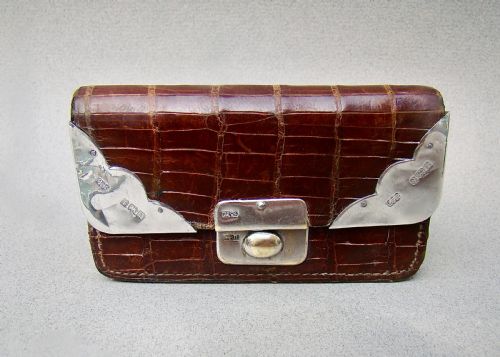
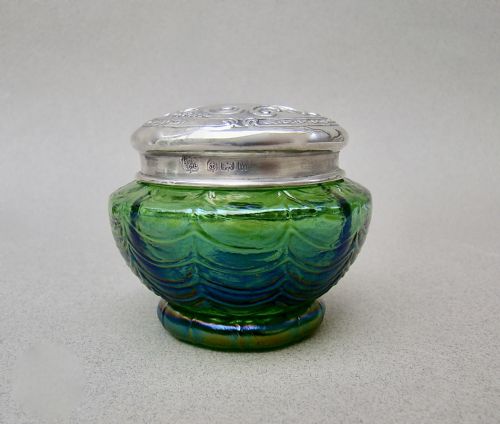
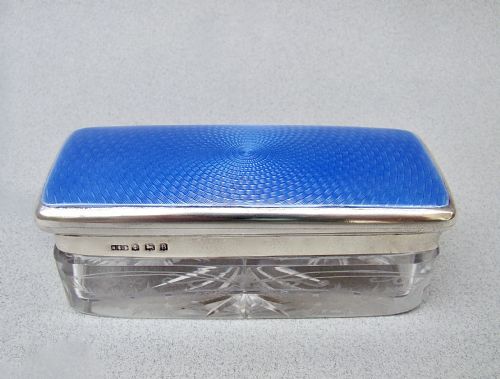
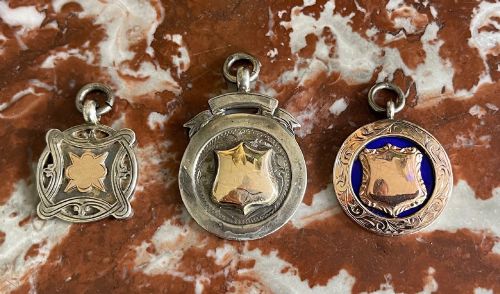
Objects are formed predominantly from sterling silver, occasionally augmented by gold gilt interiors or coloured enamel panels on vesta cases, compacts and cocktail sticks. Some pieces incorporate organic elements such as leather lids on jewellery boxes or fitted glass inserts within inkwells.
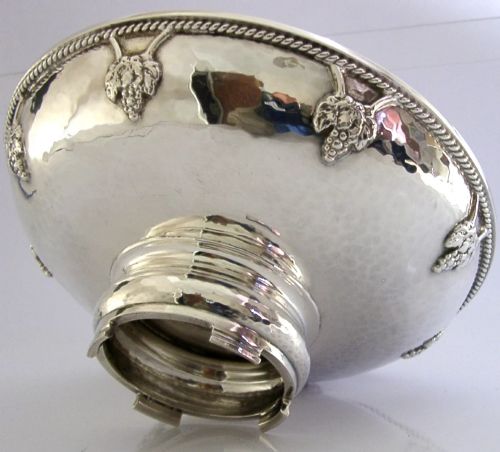
Manufacturing techniques combine traditional silversmithing with industrial presswork, utilising methods like repousse relief decoration, engine turning and hand engraving. Components are soldered together before receiving the official hallmarks stamped by the Birmingham Assay Office.
Retail Price Guide 2026
Typical UK retail prices for birmingham sterling silver, calculated from the Sellingantiques database of over a million retail prices indexed since 2003. This retail price guide relies exclusively on Sellingantiques data; no external sources or auction records are used, so the figures do not describe the wider market.
Several items were made specifically to skewer cocktail cherries, stir drinks or hold golfers' scorecards.
Distinctions in quality
Quality rests upon the crispness of the original stamping or hand chasing, particularly where repousse cherubs, engraved crests or guilloche enamel patterns ornament the surface. Finer examples retain sharp details on decorative borders and opening mechanisms that operate smoothly without slackness.
The weight of the metal and the structural integrity of hinges, clasps and feet separate standard production pieces from superior workshop output. Maker attribution also plays a role, with items bearing marks from known specialists commanding greater attention from collectors.
Henry Tatton & Son·Francis Webb·William Aitken·Samuel Pemberton·Joseph Taylor·Henry Mathews·Rose & Son·Deakin & Francis·A. Scott·John Barrett·Reynolds·Taylor and Perry·Adie Brothers·William Devenport·William Suckling Ltd·J. Gloster Ltd·Joseph Gloster
The Birmingham Sterling Silver Glossary
- Anchor mark
- The town mark for the Birmingham Assay Office, stamped onto silver to guarantee its origin. It appears alongside the lion passant and date letter.
- Vesta case
- A small pocket container designed to hold matches and strike them on a ribbed base. These often feature engraved decoration or enamel coats of arms.
- Repousse
- A metalworking technique where the design is hammered into relief from the reverse side. This creates raised patterns such as cherubs or floral scrolls.
- Guilloche
- An intricate mechanical engraving technique producing precise repetitive patterns beneath translucent enamel. It frequently decorates compacts and cocktail stick sets.
- Vinaigrette
- A small hinged box containing a pierced internal grille soaked in aromatic vinegar. These were carried during the Georgian and Victorian periods to mask unpleasant odours.
Frequently Asked Questions
How do I read Birmingham silver hallmarks?
Hallmarks typically include a standard mark like the lion passant for sterling quality, an anchor denoting the Birmingham office, and a specific letter representing the year of assay alongside the maker's mark.
Matching these individual punches against established date tables reveals the exact year the item was tested and passed for sale.
Were these items made by hand or machine?
Production combined traditional hand-raising and chasing with nineteenth-century stamping machinery. While decorative details like repousse work required skilled manual labour, many bodies and boxes relied on industrial presses.
Specialist silversmiths assembled the final components by hand, ensuring functional parts like hinges and latches operated correctly.
What is the difference between silver and sterling silver?
Sterling silver denotes an alloy containing 925 parts of pure silver per thousand, with the remainder made up of other metals like copper for added durability. Unmarked silver lacks the official assay office guarantee.
The presence of the lion passant stamp confirms that an item meets this precise standard.
How should I clean antique silver boxes?
Gentle cleaning with a soft cloth and specialist silver polish removes tarnish without wearing away thin surface engraving or repousse details. Avoid harsh abrasive cleaners or dipping solutions that strip the natural patina.
Items featuring enamel panels or leather inserts require particular care to keep moisture away from vulnerable sections.
Why do some pieces have gold gilding inside?
Gilding involved applying a thin layer of gold to the interior surfaces of items like vinaigrettes, pill boxes and cream jugs. This protected the base silver from chemical corrosion caused by acidic contents.
It also added a contrasting visual warmth when the lids were opened.