



Birmingham Sterling Silver Salts
Birmingham sterling silver salts are finely worked table wares that bring Georgian, Victorian and twentieth-century craftsmanship directly to the dining table.
Birmingham Sterling Silver Salts
The objects span multiple eras, stretching from the early nineteenth century through the Victorian period and into the Art Deco years of the twentieth century. Alongside traditional open salts, the selection encompasses vinaigrettes, scent bottles, and cruet sets marked by the same assay office.
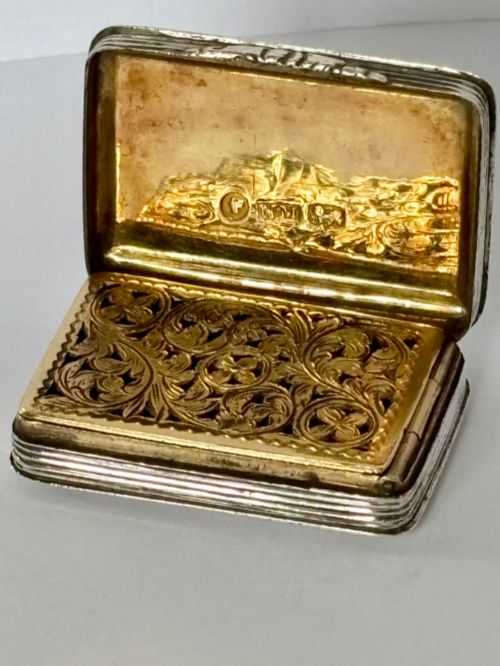
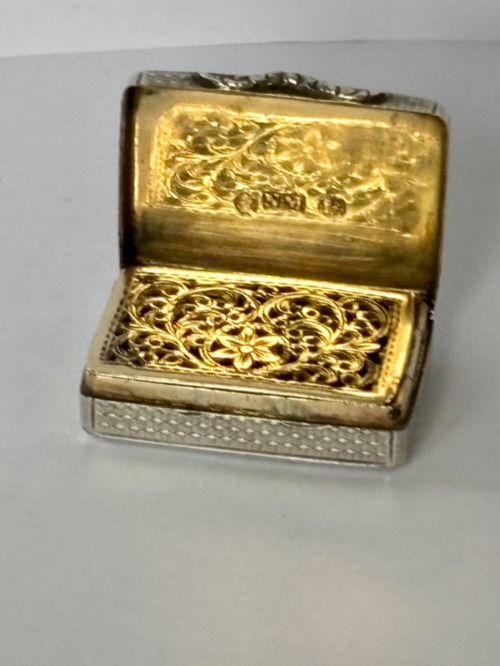
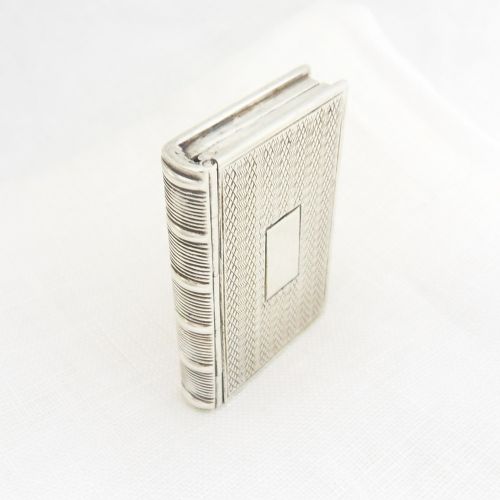
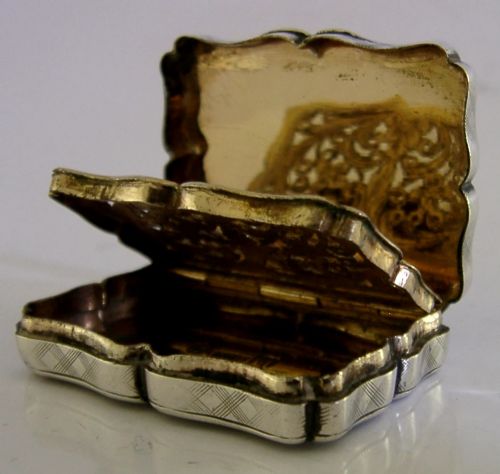
Buyers frequently meet small silver boxes and book-form vinaigrettes alongside functional dining wares, reflecting the broad output of Birmingham silversmiths. Each item carries the hallmarks confirming its silver standard and regional origin.
How they were made
These items rely on sterling silver, frequently enhanced with gold gilding or silver gilt interiors to prevent corrosion from salt and condiments. Glass inserts appear in mustard pots and certain open cellars to protect the metal from direct contact with contents.
Silversmiths employed techniques such as casting, hammering, and lobing to shape the metal into structured forms like six-lobed bowls and rectangular boxes. Precision engraving and hallmarks stamped directly into the silver complete the fabrication process.
Listings span from the Georgian era through the Victorian period to Art Deco twentieth-century designs, utilising sterling silver, glass, and gold gilding.
What varies in quality
Quality depends upon the crispness of the chased or engraved detail and the retention of the original gold gilt lining inside the bowl or box. Pieces preserving their matching original spoons or glass liners demonstrate higher integrity than matched or later assemblages.
The reputation of the maker and the clarity of the Birmingham hallmarks influence the standing of each piece. Heavier gauge silver providing a solid weight in the hand distinguishes finer examples from lighter productions.
Nathaniel Mills·Taylor and Perry·John Bettridge·Wilmot Manufacturing Co·Mappin and Webb·Heath and Middleton·Vale Brothers and Sermon
The Birmingham Sterling Silver Salts Glossary
- Sterling silver
- A silver alloy containing 92.5 percent pure silver and 7.5 percent other metals, usually copper. This standard composition provides the durability required for functional tableware.
- Silver gilt
- Sterling silver that has been coated with a thin layer of gold on the surface. This technique protects the interior of salt cellars and vinaigrettes from the corrosive action of contents.
- Hallmark
- An official stamp applied to precious metals by an assay office to indicate the purity of the metal, the maker, and the year of production. Birmingham pieces display the anchor mark.
- Vinaigrette
- A small decorative silver box containing a perforated inner grille soaked in aromatic vinegar. These portable accessories were popular during the Georgian and Victorian eras.
- Condiment set
- A matched grouping of small vessels designed to hold table seasonings such as salt, pepper, and mustard. They often include specialised spoons and glass liners.
Birmingham Sterling Silver Salts: Frequently Asked Questions
What are sterling silver salts used for?
These small vessels hold table salt for individual diners before modern shakers became common.
Open cellars allow diners to take a small pinch using a dedicated spoon.
How do I clean antique silver salts?
Warm water and a soft cloth remove everyday dust without damaging the metal surface.
Harsh chemical dips should be avoided, especially on pieces with gold gilding or interior fabric.
How can I tell the date of a Birmingham piece?
Official hallmarks stamped into the silver include a specific letter code representing the year of assay.
Matching these letters against Birmingham assay office records reveals the exact year of manufacture.
Are original spoons important?
Finding a salt cellar with its matching original spoon preserves the historical completeness of the set.
Many pieces survive separated from their original implements over decades of use.