

Birmingham Silver Hallmark
A birmingham silver hallmark guarantees the origin and standard of diverse domestic objects created across Victorian, Edwardian and later periods.
Birmingham Silver Hallmark
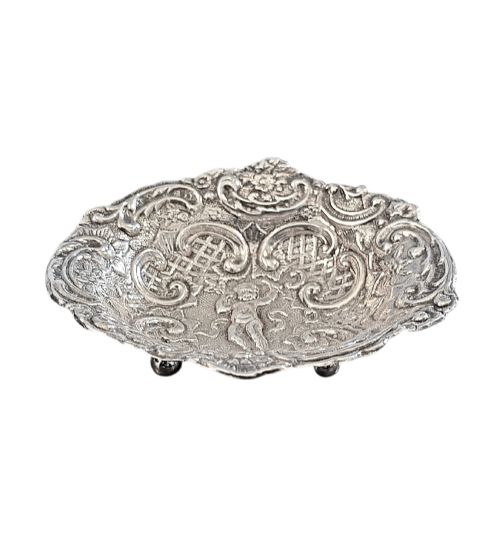
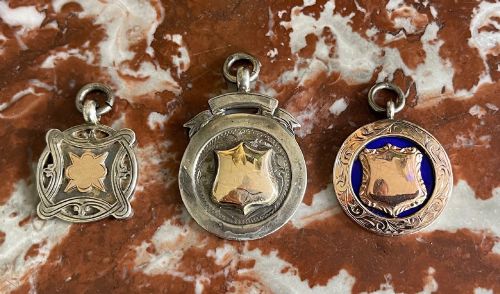
A birmingham silver hallmark identifies items produced in the Midlands assay office, spanning from Georgian vinaigrettes to Art Deco sauce boats. Buyers encounter practical domestic goods and personal accessories created to serve daily functions or decorative roles in past homes.
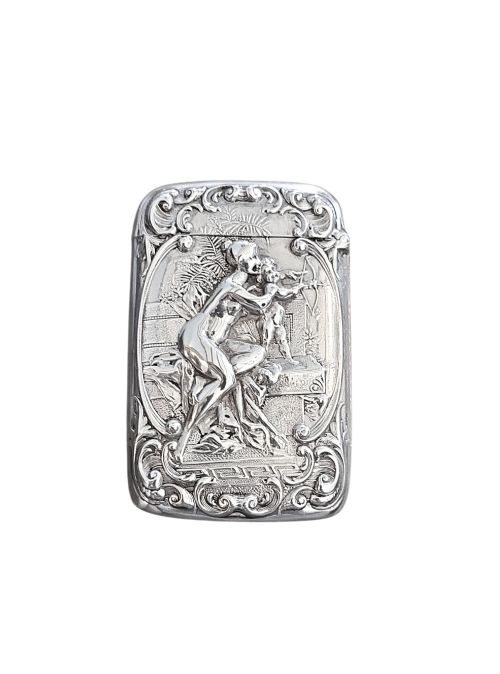
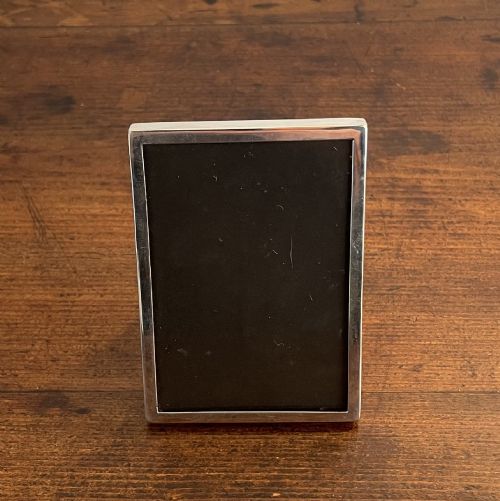
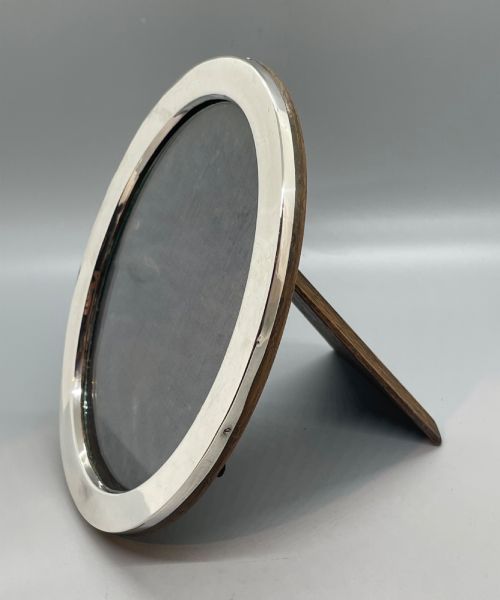
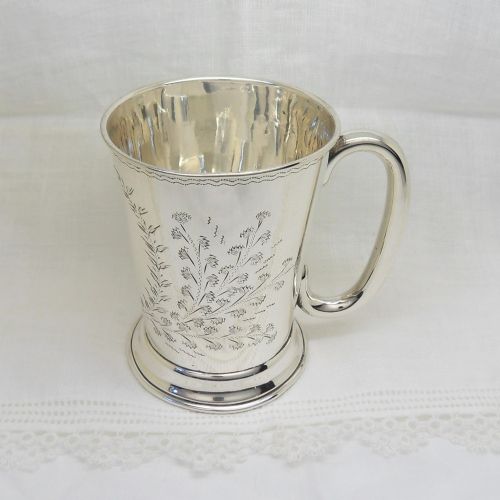
Photo frames, vesta cases, trinket boxes and christening mugs dominate the selection, often paired with materials such as glass, wood or enamel. These items reflect the shifting aesthetic preferences of successive reigns including George V and the Edwardian era.
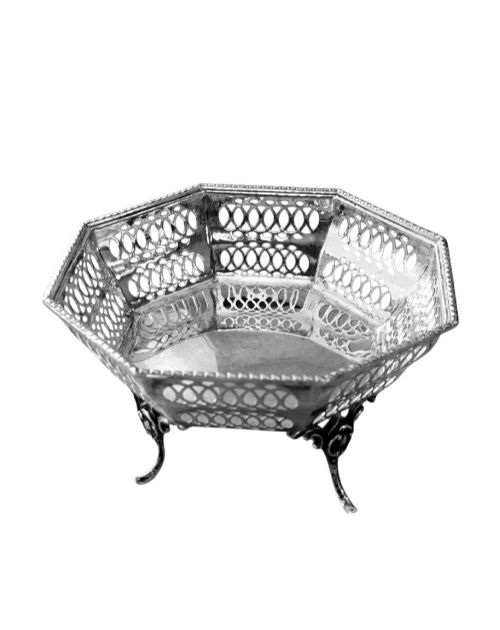
Makers utilised sterling silver to fashion everything from simple napkin rings to elaborate figural menu holders and pin cushions. Each piece carries official stamping that records its testing and standard.
How they were made
Silversmiths employed techniques like casting, hammering and stamping to shape sterling silver into functional items and decorative accessories. Many objects incorporate auxiliary components, combining metal mounts with glass vessels, wooden backings or leather and silk interiors.
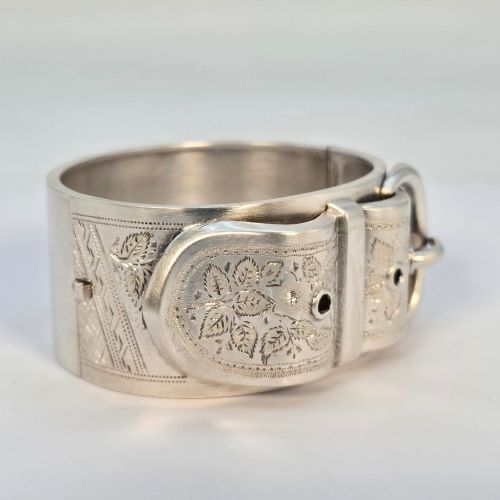
Specialised surface decoration such as enamelling, gilding or delicate pierced work enhances items like vinaigrettes, compacts and belt buckles. Makers applied these methods to achieve both tactile richness and visual contrast against the polished silver ground.
Birmingham Silver Hallmark Retail Price Guide 2026
Typical asking prices for birmingham silver hallmark among the pieces listed under this phrase on Sellingantiques today, from the lower quarter to the upper quarter. They describe what is for sale here now, not the wider market.
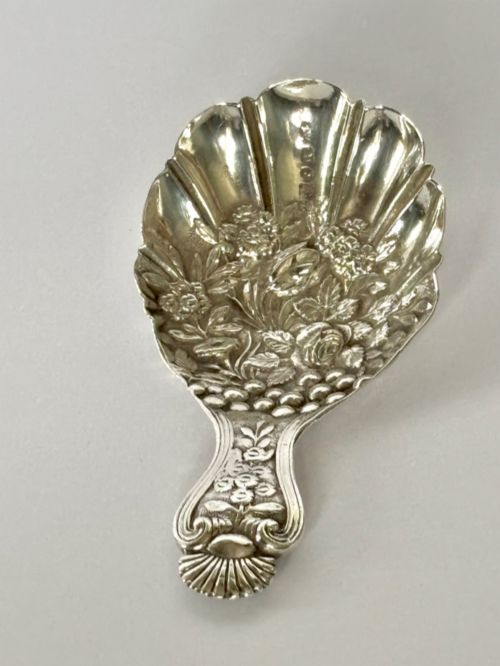
Functional objects range from small personal accessories like stamp cases and compacts to larger table items including tea caddies and candlesticks.
What varies in quality
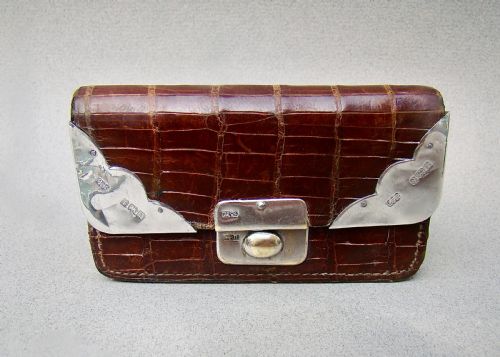
Quality rests in the crispness of the stamping and the delicacy of any applied decoration, distinguishing mass-produced items from finely worked studio pieces. The preservation of structural details, such as hinges on vesta cases and clasps on purses, indicates original craftsmanship.
The integration of secondary materials like glass, enamel or wood affects the overall standard of survival and visual harmony. Pieces retaining complete original components and clear assay marks command greater appreciation among collectors.
William Aitken·Joseph Gloster·Charles Penny Brown·Levi & Salaman·Howard James·EV Pledge & Son·Samuel Pemberton·Thomas Hayes·Robert Thornton·Walker & Hall·WI Broadway & Co·James Fenton·Daniel Manufacturing Co·William Neale·George Unite·CT Burrows & Sons·Crisford & Norris·G Norman·Henry Matthews
The Birmingham Silver Hallmark Glossary
- Assay office
- The official body responsible for testing the purity of precious metals and applying statutory marks. The anchor symbol specifically denotes testing in Birmingham.
- Vesta case
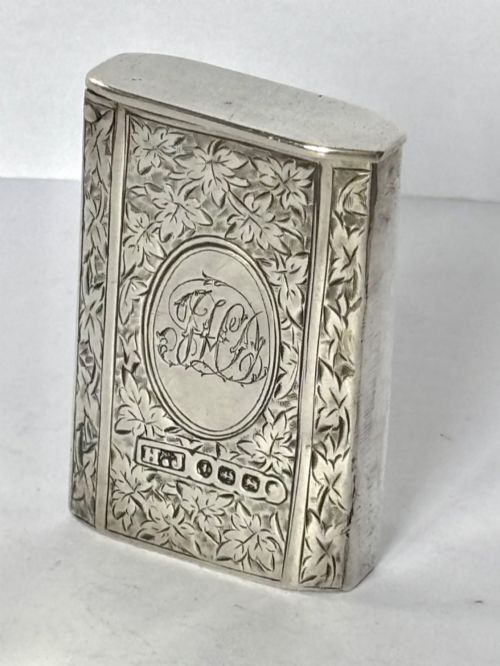
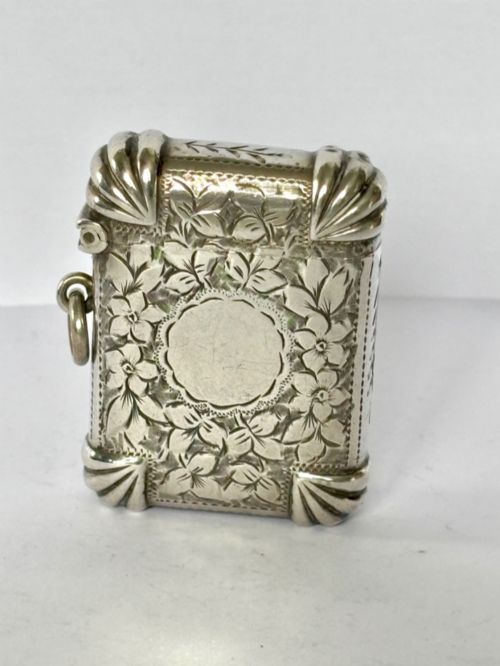
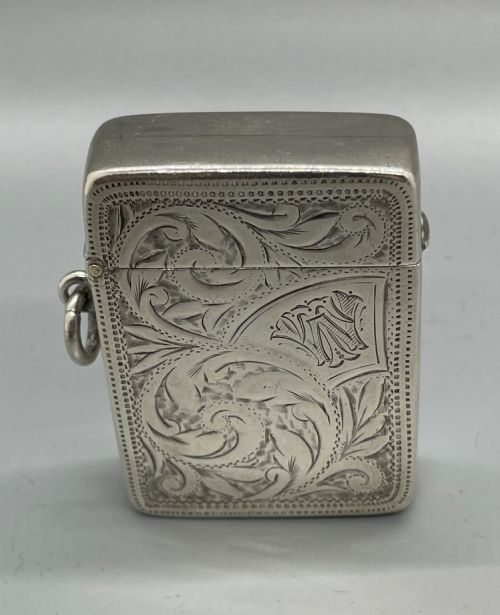
- A small pocket container designed to hold matches, typically featuring a hinged lid and a striking surface on the base. Victorian and Edwardian examples often display ornate engraved decoration.
- Vinaigrette
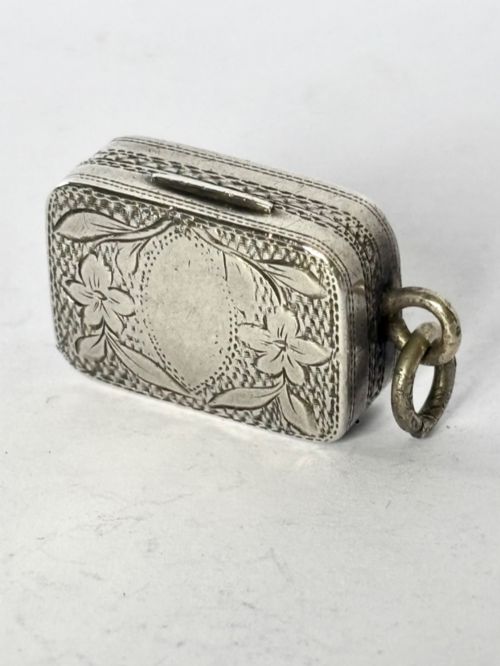
- A small ornamental box containing a perforated inner grille, formerly soaked with aromatic vinegar to counteract unpleasant odours. Georgian examples in silver-gilt demonstrate miniature metalworking skill.
- Hallmark
- A series of stamped symbols indicating the maker, metal standard, assay office and year of testing. These marks provide a reliable chronological anchor for antique silver.
- Pin cushion
- A decorative domestic accessory formed into novelty shapes such as animals or shoes, mounted in silver. Edwardian examples often incorporate velvet or fabric to receive pins.
Birmingham Silver Hallmark: Frequently Asked Questions
How do I read a Birmingham silver hallmark?
Look for the anchor symbol, which confirms the piece was tested in Birmingham. Additional marks show the sterling standard lion, the maker's initials and a designated date letter.
Comparing these stamps against official assay records reveals the exact year of manufacture and the workshop responsible for the piece.
What were vesta cases used for?
Vesta cases held short matches known as vestas, protecting them from moisture in the pocket or handbag. They were essential daily accessories before the widespread availability of safety matches and lighters.
People carried them daily, leading to frequent surface wear that softens the engraved patterns over decades of handling.
Are photo frames dated by their hallmarks?
Yes, the date letter stamped into the silver mount indicates the exact year the frame passed through the assay office. This date reflects when the metal mount was tested, though the wooden backing or easel stand might show minor later repairs.