





Birdcage Tea Table
A birdcage tea table brings ingenious Georgian mechanism together with a tilting top, offering clever space-saving utility for the modern interior.
Birdcage Tea Table
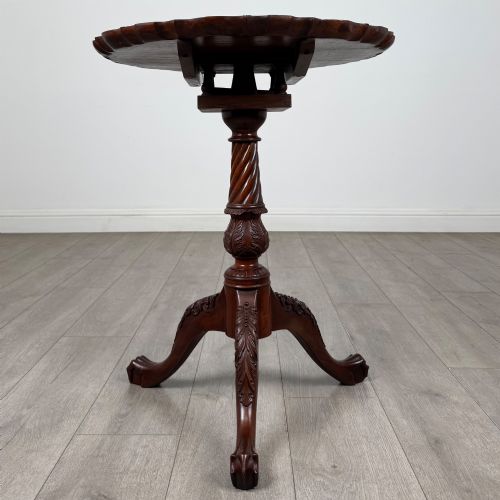
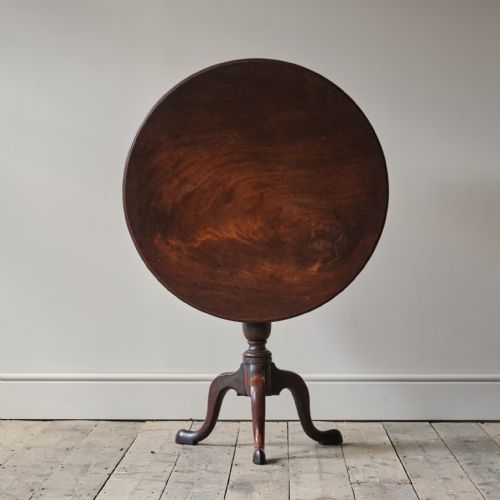
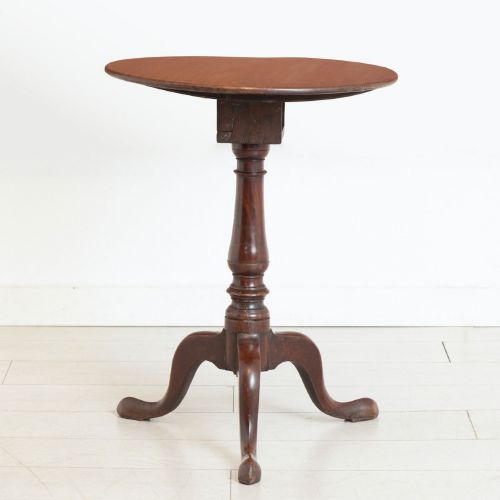
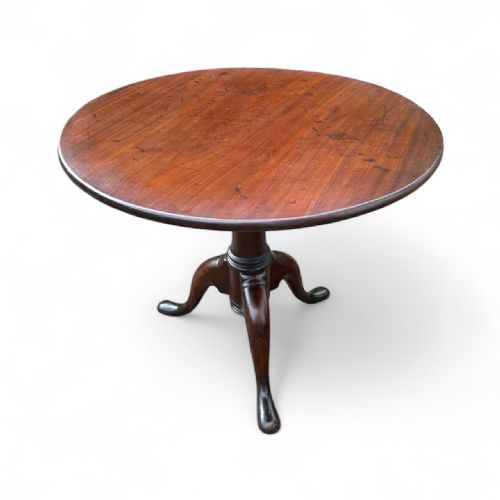
A birdcage tea table is a specialised form of occasional table defined by a revolving wooden frame beneath the top that allows the surface to tilt and turn. When people search for a birdcage tea table, they encounter pieces originating largely from the eighteenth and nineteenth centuries, spanning George II, George III, and William IV periods.
The pieces on this page appear predominantly in forms such as tripod tables, wine tables, side tables, and occasional tables. Mahogany is the principal timber utilised across these centuries, supplemented occasionally by oak.
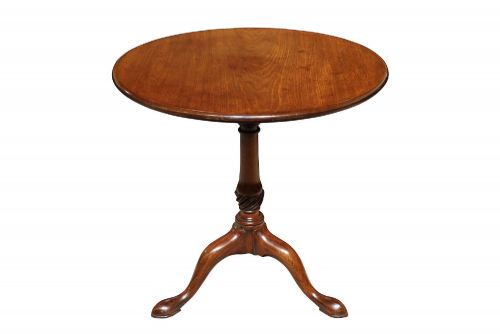
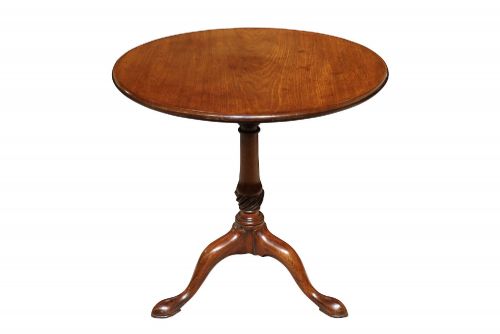
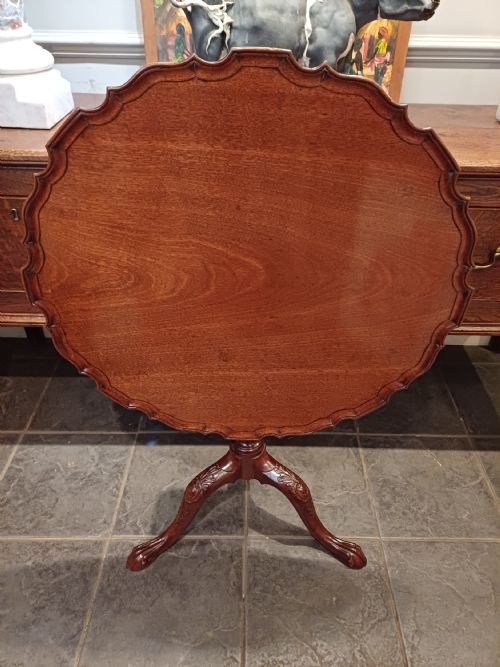
Most examples feature circular or octagonal tops, sometimes with dish edges or pierced galleries, supported by a central column and three legs.
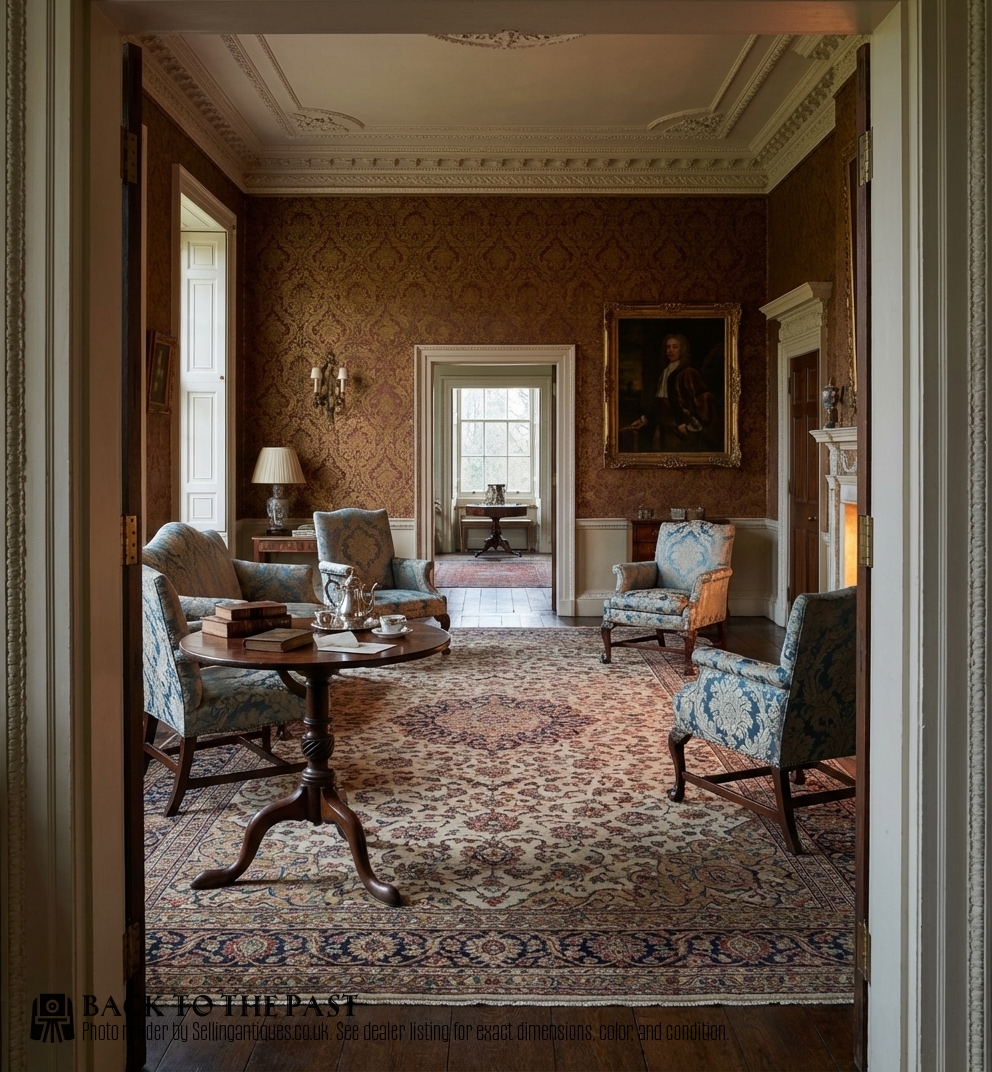
Materials and construction methods
Makers constructed these tables primarily using dense mahogany, occasionally selecting single pieces of timber for broad tabletops or turning to oak for country pieces. Brass components and iron fixtures frequently strengthen the internal birdcage mechanism and tripod mountings.
The characteristic birdcage action employs a wooden box-like framework of vertical spindles that connects the rotating tabletop to the central pillar. This ingenious joinery allows the surface to tilt flat for storage and revolve independently without straining the central pedestal.
Birdcage Tea Table Retail Price Guide 2026
Typical asking prices for birdcage tea table among the pieces listed under this phrase on Sellingantiques today, from the lower quarter to the upper quarter. They describe what is for sale here now, not the wider market.
Listings on this site show birdcage tables spanning the Georgian, Edwardian, and William IV periods, constructed predominantly in mahogany with occasional oak examples.
Distinctions in quality and execution
Quality reveals itself in the crispness of the timber turning, the stability of the revolving birdcage mechanism, and the selection of the tabletop timber. Superior examples utilise figured mahogany boards and incorporate refined details such as piecrust edges or pierced galleries.
Simpler country pieces display sturdier, heavier proportions with plain wooden tops and minimal ornamentation, whereas high-status urban pieces demonstrate meticulous cabinet-making in every visible joint and turned component.
John Bivins
The Birdcage Tea Table Glossary
- Birdcage
- A revolving wooden framework of small pillars and rails situated beneath a tabletop that permits both tilting and rotation. This clever mechanism allows the surface to be stored flat against a wall when not in use.
- Tilt top
- A tabletop mounted on a pivot or catch mechanism that tips into a vertical position. It defines the multi-functional nature of Georgian occasional furniture.
- Tripod table
- A small freestanding table supported by a central pillar resting on three legs. This configuration prevents wobbling on uneven floors.
- Piecrust edge
- A raised, scalloped tabletop border carved from the solid wood of the top. It represents a high level of cabinet-maker artistry.
- Dish top
- A circular tabletop carved with a concave depression near the rim. This feature prevented tableware from sliding off during use.
Birdcage Tea Table: Frequently Asked Questions
How did people use them?
These tables were brought into the centre of a room for serving tea or supper and tilted upright against a wall afterwards. The revolving mechanism made it easy for guests to access items from any seating position.
Their versatility suited them for use as wine tables, lamp tables, or general occasional tables in domestic parlours.
How do I identify a Georgian piece?
Georgian tables display characteristic timber patination, hand-turned mahogany pedestals, and traditional joinery methods. The presence of a wooden birdcage action rather than modern metal hinges points directly to this period.
Look for subtle signs of hand-working on the underside, including pegged joints and traditional lathe marks on the central column.
Where should I place one at home?
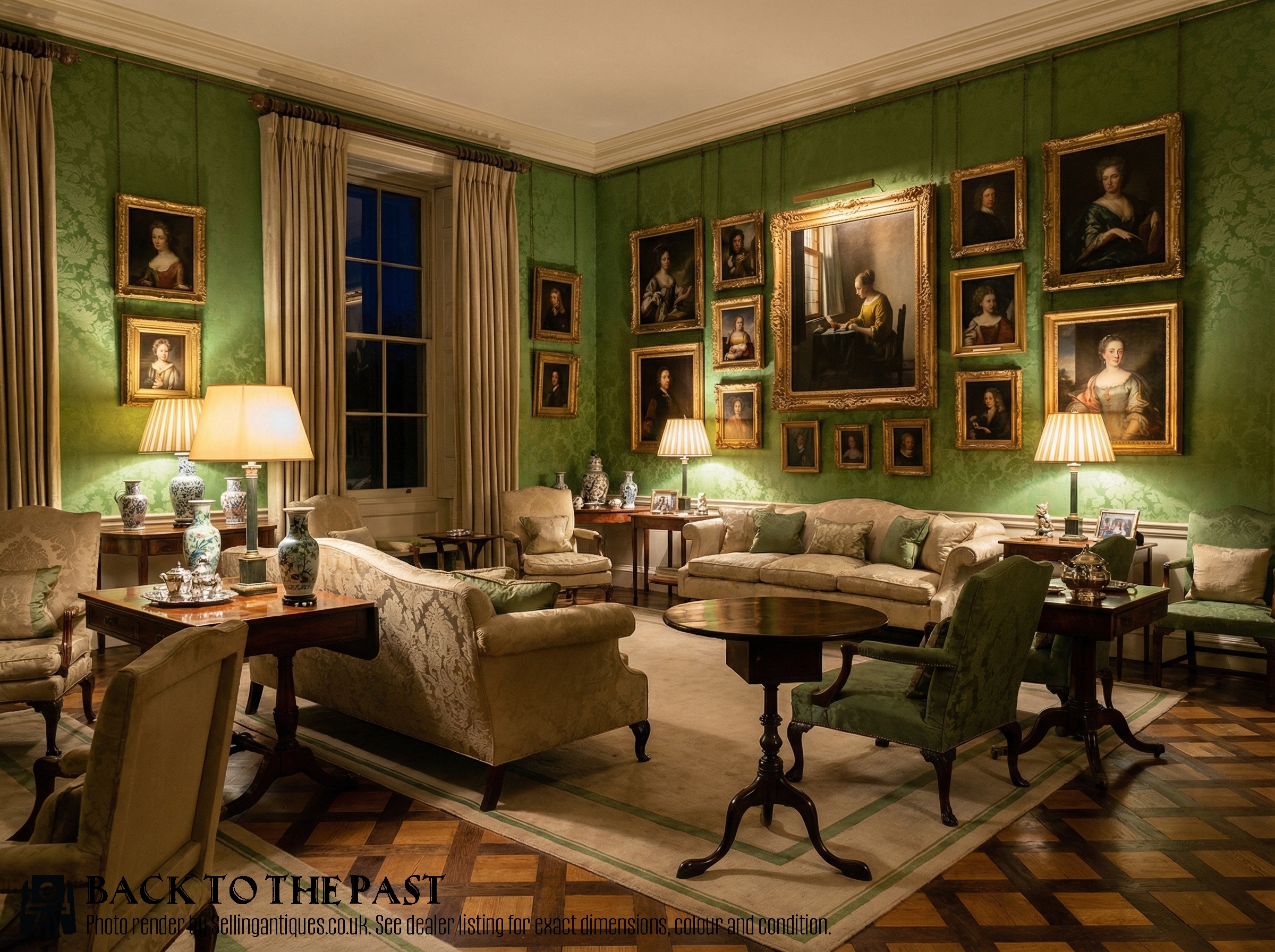
A birdcage tea table fits well beside an armchair or sofa where its compact tripod base occupies minimal floor space. Keeping the top tilted flat against a wall when not in use highlights the mechanism as a decorative feature.
Avoid placing antique mahogany in direct sunlight or near strong heat sources to protect the polished timber surface.