

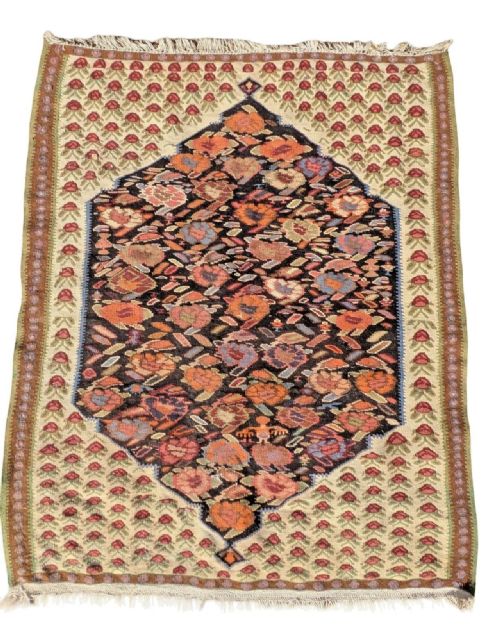
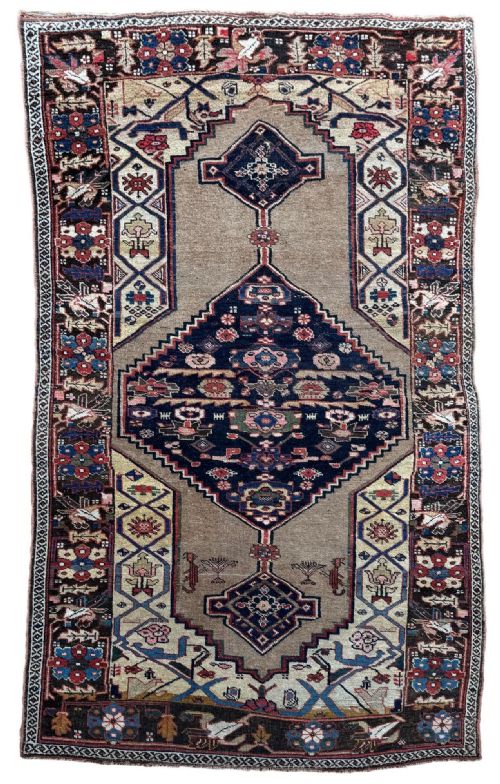
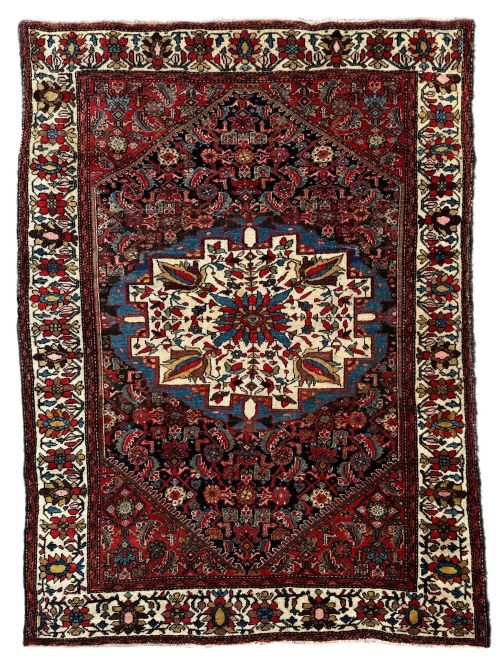


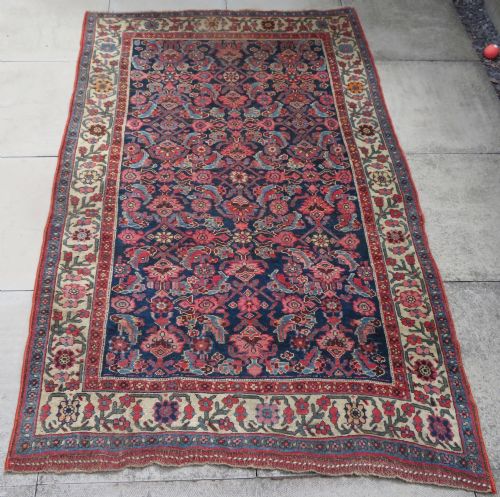



Bidjar Oriental Runner
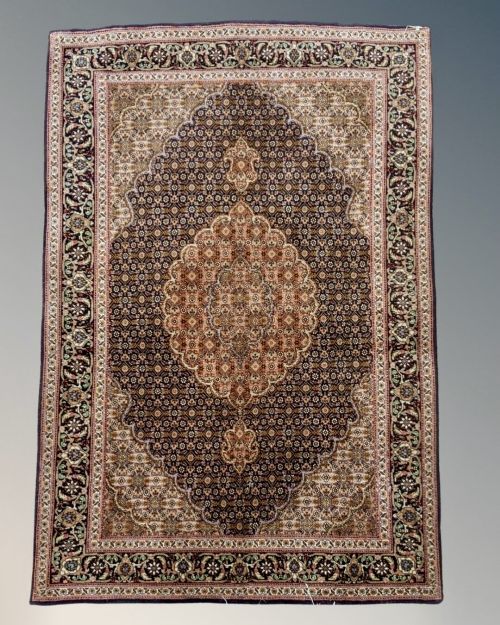
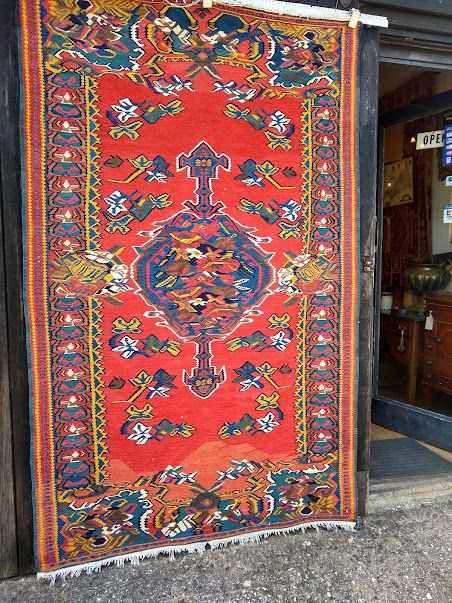
These heavy, durable bidjar oriental runner examples come from Persian Kurdish weavers, offering dense wool foundations that handle centuries of heavy hallway traffic.
Bidjar Oriental Runner
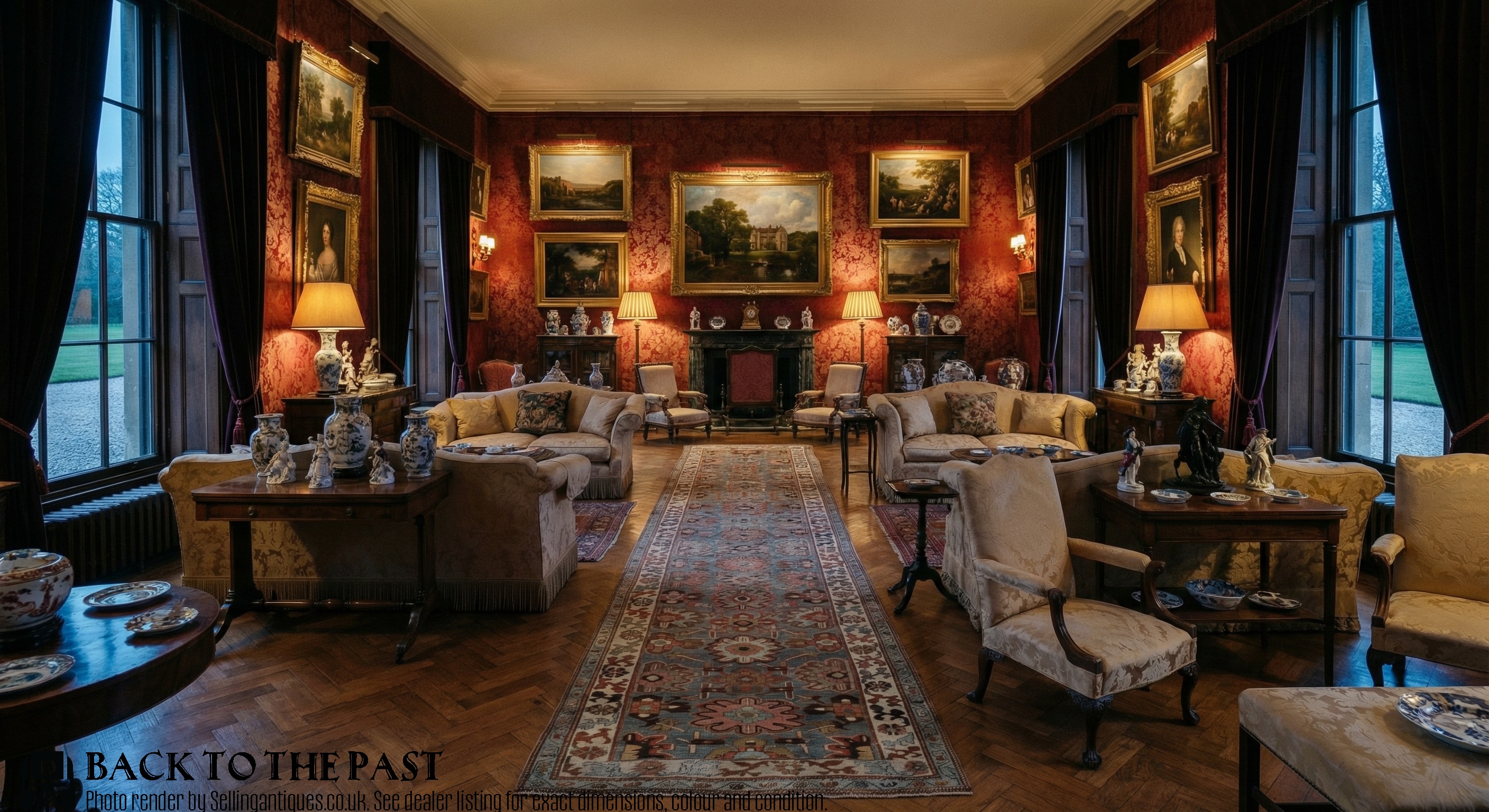
A bidjar oriental runner brings traditional Persian craftsmanship into narrow spaces, originating from the Kurdish weavers of western Iran. These floor coverings span from the late nineteenth century into the early twentieth century, showing strong tribal village characteristics.
The selection on this page centres on wool and cotton construction, encompassing formats described as long rugs, kelleh carpets, and kilims. Pieces range from room-sized carpets down to narrow formats designed specifically for corridors and halls.
Materials and Construction
Weavers constructed these pieces using wool pile tied firmly onto cotton foundations. The heavy-duty nature of the weave comes from packing the knots tightly together during construction.
Makers utilised traditional Persian and Kurdish tribal designs, incorporating geometric and floral motifs into carpets, rugs, and runners. Natural dyeing traditions produced deep, saturated tones across the wool surface.
Bidjar Oriental Runner Retail Price Guide 2026
Typical asking prices for bidjar oriental runner among the pieces listed under this phrase on Sellingantiques today, from the lower quarter to the upper quarter. They describe what is for sale here now, not the wider market.
Listings span production dates from 1870 through 1930, utilising wool and cotton materials within Persian tribal village styles.
Assessing Quality and Execution
Quality rests upon the tightness of the wool knotting and the crispness of the tribal pattern execution. Finer examples display greater density in the weave, giving the fabric a heavy, rigid handle.
The precision of the geometric or floral layout separates standard village production from superior pieces. Well-balanced proportions and clear, saturated dye lots elevate a runner above simpler domestic work.
The Bidjar Oriental Runner Glossary
- Kelleh
- A large format carpet, typically longer than standard carpets but broader than a runner. These rugs often served specific reception room layouts in Persian homes.
- Kilim
- A flat-woven carpet or rug produced without a pile. These pieces rely on interlocking weft threads to create geometric patterns.
- Kurdish
- Pertaining to the tribal groups of western Persia who produced these distinctive textiles. Their weaving traditions combine village motifs with exceptional structural durability.
- Runner
- A long, narrow carpet format designed for hallways, staircases, and corridors. They protect high-traffic wooden floors while adding pattern to transitional spaces.
Bidjar Oriental Runner: Frequently Asked Questions
How do I clean a wool runner?
Regular gentle vacuuming without a rotating brush helps remove embedded dust and grit from the wool pile. Professional specialist cleaning is recommended for deep washing to protect the cotton foundation.
Avoid harsh chemical treatments or soaking the piece at home, as traditional dyes can be sensitive to moisture. Proper care ensures the wool remains resilient against daily friction.
Where should I place a long runner?
These narrow formats suit hallways, entryways, and corridors where heavy foot traffic requires durable floor coverings. Their dense wool construction handles constant movement without losing structural integrity.
Ensure the placement allows doors to swing freely over the thickness of the pile. Using a quality underlay prevents slipping on smooth wooden or tiled surfaces.
How are these dates determined?
Dates rely on stylistic analysis, material evaluation, and structural characteristics recorded by dealers. Weavers utilised specific regional palettes and knotting techniques that shifted across decades.
Comparing structural wear and dye chemistry helps experts assign pieces to periods such as the late nineteenth or early twentieth century.
Why are these rugs so heavy?
The dense packing of wool knots onto cotton warps creates a stiff, substantial handle unique to this weaving region. Weavers beat the weft down firmly after each row of knots.
This rigorous technique produces a rigid fabric designed to withstand heavy use in domestic settings. The weight indicates a high density of materials within the foundation.