

Bevelled Mirror Frame
A bevelled mirror frame brings depth and reflected light into a room, framing glass with angled edges that catch the eye.
Bevelled Mirror Frame
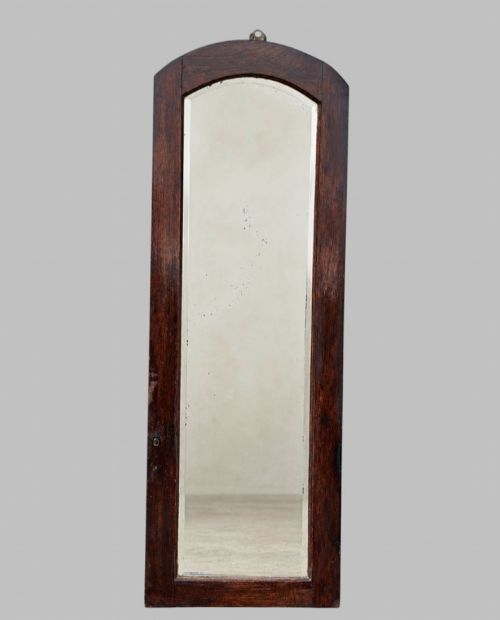
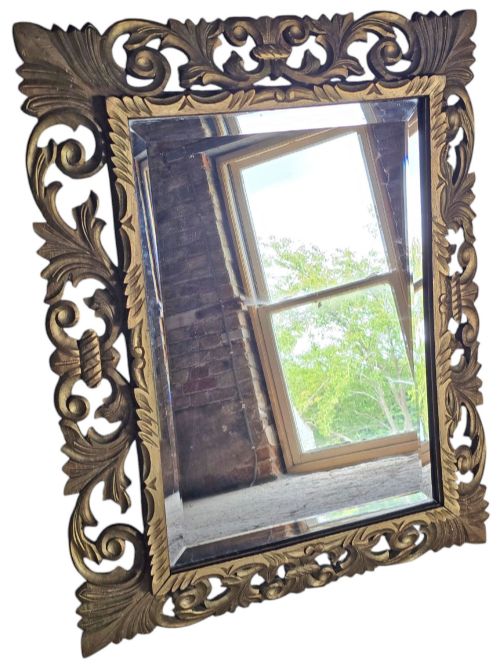
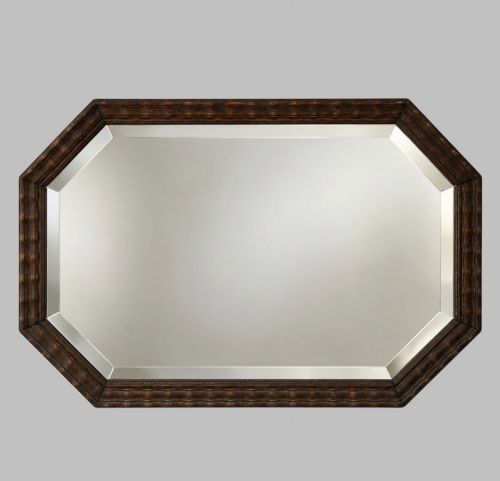
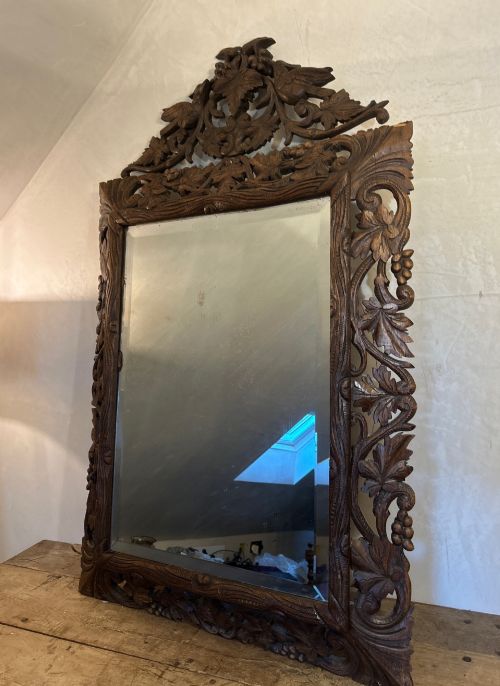
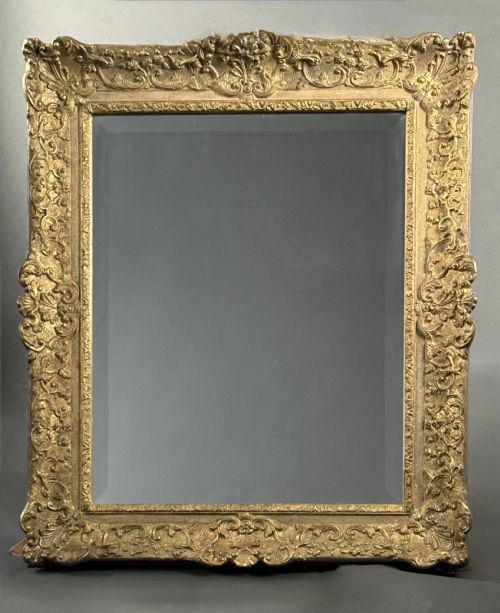
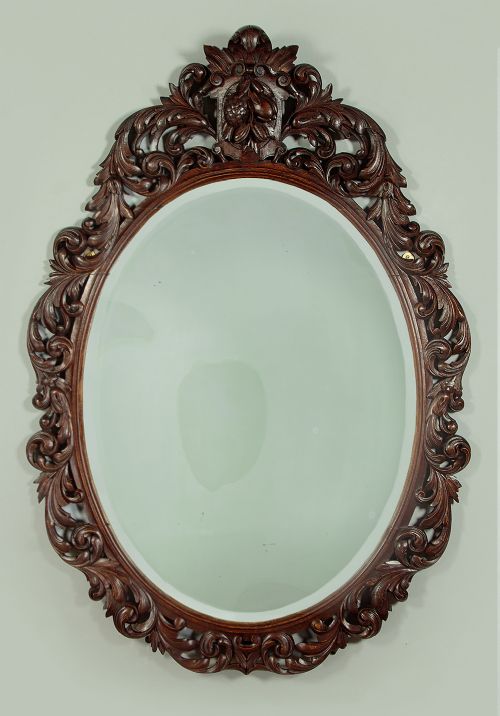
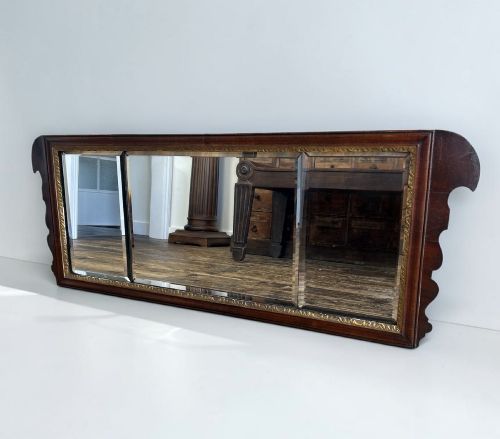
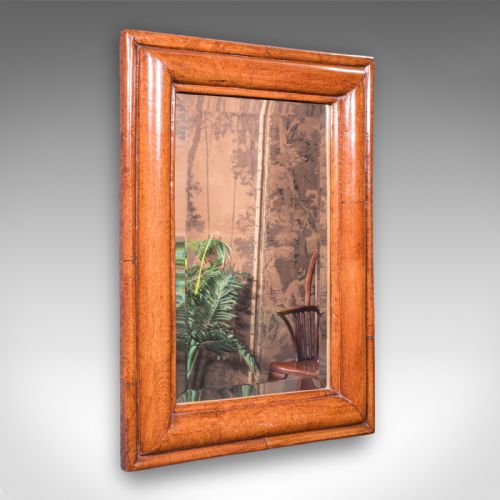
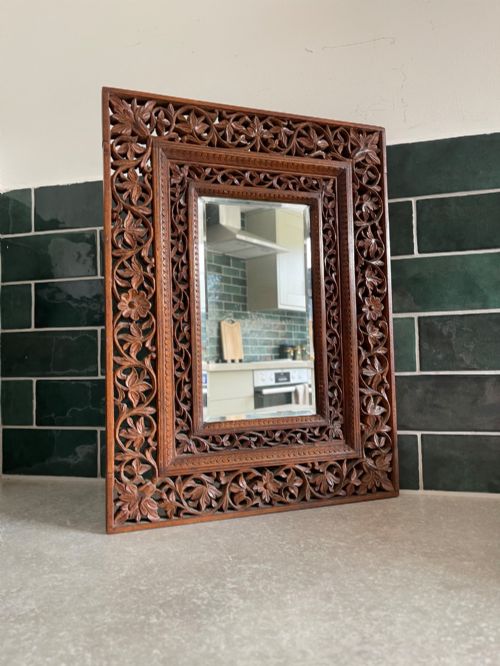
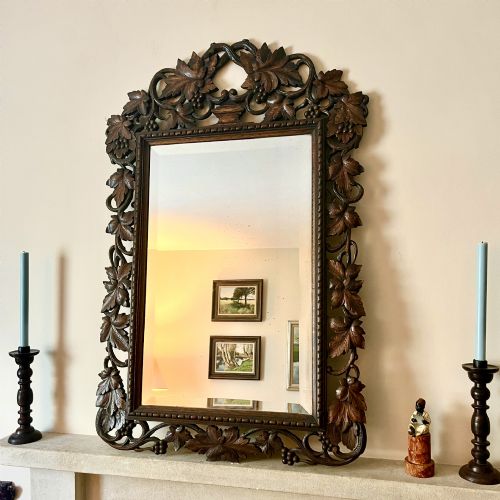
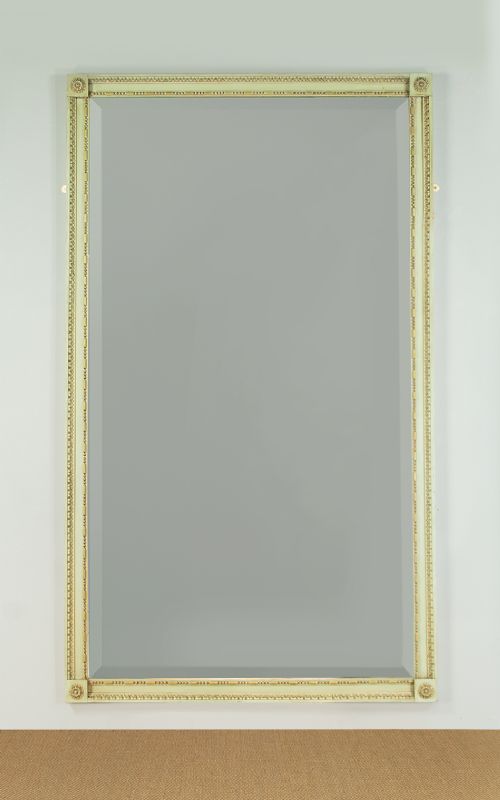
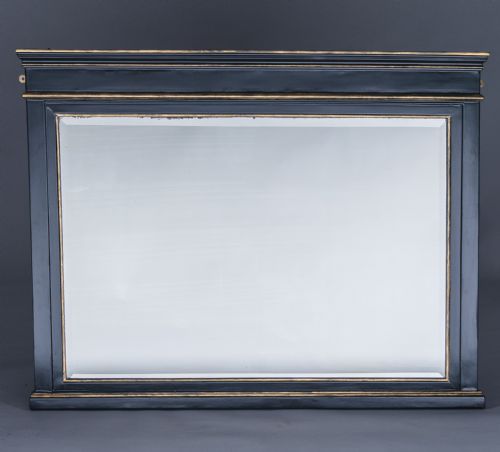
A bevelled mirror frame houses glass plates shaped with a sloping perimeter, creating a distinct optical border before meeting the surrounding structure. When searching for a bevelled mirror frame, buyers encounter diverse forms ranging from compact dressing table pieces to grand overmantle installations.
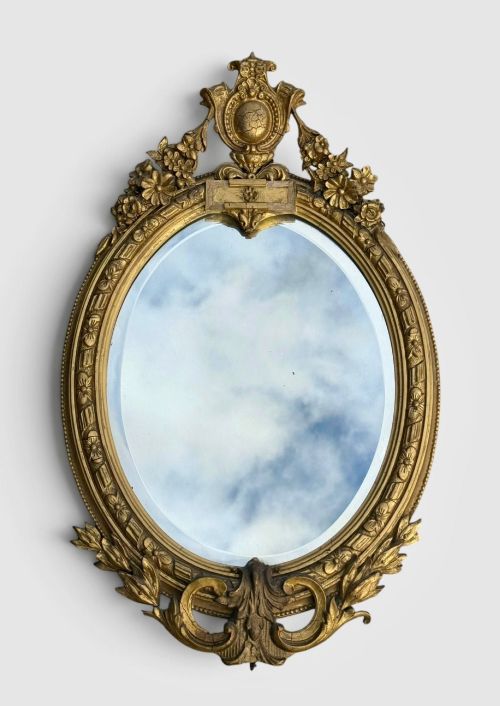
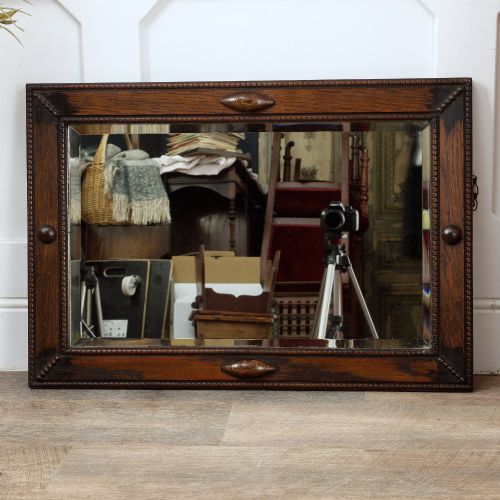
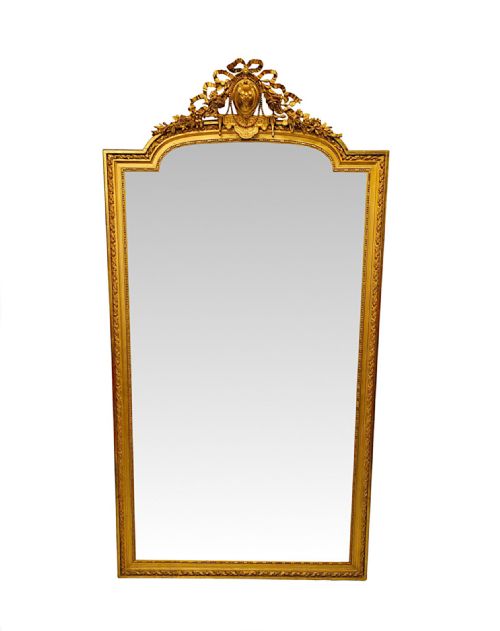
The selections span distinct historical eras, with Victorian, Edwardian, and Art Deco designs appearing regularly alongside nineteenth-century French and Italian examples. Oak, walnut, and mahogany provide solid wooden structures, while giltwood and gesso introduce ornate decorative surfaces.
Wall mirrors and overmantle mirrors dominate the available forms, accompanied by dressing table mirrors, cheval mirrors, and easel frames. These pieces function equally as practical daily items and as focal decorative statements within a interior.
Materials and construction
Makers shaped timber frames from native and exotic woods including oak, walnut, mahogany, and rosewood, often applying intricate hand-carved details or marquetry inlays. Giltwood and gesso constructions involved applying plaster layers onto a wooden base before gilding with metallic leaf.
Metal frames utilised cast and repoussé brass, bronze, and plated metals, sometimes incorporating specialised studs or decorative motifs like ram heads. Mirror plates were hand-bevelled along their edges to create an angled slope, occasionally featuring mercury glass or tinted peach and green glass variations.
Listings feature oak, walnut, mahogany, and rosewood timber frames, alongside giltwood, gesso, and cast brass compositions spanning Victorian, Edwardian, and Art Deco periods.
Distinctions in quality
Superior examples exhibit crisp, deep hand-carving on wooden and gesso frames, where botanical or scroll motifs retain sharp relief without softening from excessive wear or poor restoration. Lesser pieces display simpler moulded compositions or heavy, uniform machine shaping that lacks individual character.
The quality of the mirror plate itself marks a clear division, with thicker glass, clean bevelling, and well-preserved silvering or gentle patination representing superior craftsmanship. Original backing boards, secure structural joints, and intact period fixings further separate master-built pieces from standard utilitarian items.
Waring and Gillow
The Bevelled Mirror Frame Glossary
- Bevel
- The sloping edge ground along the perimeter of a mirror plate. This angled cut catches light and adds visual depth to the glass.
- Gesso
- A plaster-like mixture applied to wooden frames as a base for gilding or painting. It allowed carvers to achieve fine, high-relief decorative details.
- Overmantle
- A large mirror designed to hang specifically above a fireplace mantelpiece. These pieces often feature wide horizontal proportions to span the hearth.
- Repoussé
- A metalworking technique where the artisan hammers designs from the reverse side to form raised patterns on the front. Brass frames frequently display this textured ornamentation.
- Cheval mirror
- A full-length mirror hung in a frame that swivels vertically on supporting pillars and feet. This freestanding form allows the glass to tilt at various angles.
Bevelled Mirror Frame: Frequently Asked Questions
How do I date an antique mirror?
Dating relies on examining the construction methods of the frame, the type of wood utilised, and the characteristics of the mirror glass itself. Hand-beveled edges combined with period specific styles such as Arts and Crafts or Art Deco offer reliable chronological markers.
Secondary indicators include the condition of the backing boards, hand-cut screws, and original hanging hardware. Comparing these physical traits against documented manufacturing periods helps narrow down the decade of origin.
Are these mirrors suitable for bathrooms?
Many antique frames feature organic materials like wood, gesso, and gilt that react sensitively to high humidity and moisture fluctuations. Placing them in damp environments can cause the gilt surface to lift and the wooden structure to warp over time.
Dry hallways, living rooms, and bedrooms remain the ideal locations for preserving fragile antique frames and original silvered glass. If used near a basin, adequate ventilation and careful placement away from direct water splashes are essential.
What is mercury glass?
Older mirrors often utilised a silver and mercury amalgam poured between double-walled glass or applied to the rear surface. This technique created a warm, deep reflection with characteristic dark specking known as foxing.
As manufacturing shifted towards safer chemical silvering processes in the mid-nineteenth century, mercury backing became obsolete. Its presence on a plate helps confirm an earlier nineteenth century or antique origin.
How should I hang a heavy wall mirror?
Securing a heavy framed mirror requires locating solid wall anchors or direct wooden studs capable of supporting the substantial weight of glass and timber. Professional picture hangers or mirror plates screwed directly into the wall framework provide the necessary stability.
Wire hangers alone are rarely sufficient for large overmantle or floor-standing pieces. Utilising a sturdy two-point hanging system distributes the weight evenly and prevents the frame from tilting forward.