






Belle Epoque Pendant
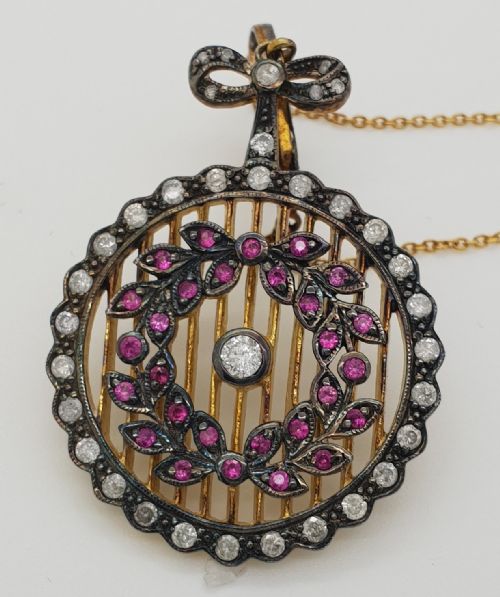
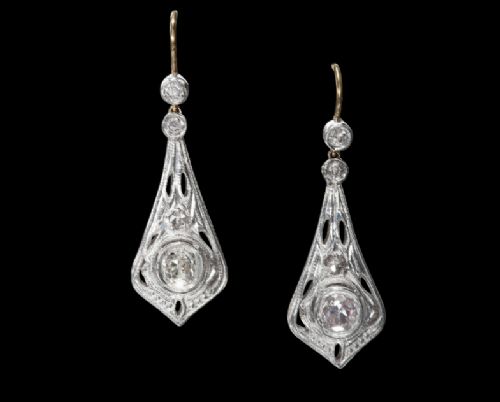
These pieces of belle epoque pendant design combine platinum and gold with old cut stones to bring unmistakable Edwardian elegance to your neck.
Belle Epoque Pendant
When you search for a belle epoque pendant, you enter the refined world of Edwardian jewellery made around nineteen ten. These items often appear as drop pendants, lockets, and convertible pendant brooches featuring delicate openwork frames.
The objects derive from French and British workshops of the period, carrying the characteristic lightness and floral or bow motifs of the style. Most examples combine platinum and gold settings designed to showcase diamonds, pearls, and coloured gemstones.
You will also find related pieces such as necklaces and earrings sharing the same period aesthetic, though the pendant remains the central focus of this group. The material evidence shows a distinct preference for platinum alongside yellow and white gold.
How they were made
The makers of a belle epoque pendant relied on platinum for its strength and malleability, allowing them to create intricate pierced galleries with minimal visible metal. This metal was frequently paired with gold backs or mounts, particularly in yellow and white carats, to support the structure.
Gems were cut by hand, yielding old European and rose cuts that scatter candlelight rather than the sharp brilliance of modern stones. Pearls, sapphires, rubies, and diamonds were then bead-set or millegrain-set into the metalwork, adding texture and colour to the intricate designs.
Some lockets from this era still hide tiny paper love notes inside, tucked behind the original glass compartments by their first owners.
What varies in quality
The distinction between standard and exceptional pieces rests on the finesse of the pierced metalwork and the integration of the stones. Finer examples display meticulous millegrain edging and balanced proportions that make the platinum mount appear almost lace-like.
Stone selection and matching also dictate the calibre of the piece, particularly where natural saltwater pearls or fine sapphires and rubies are involved. Superior construction ensures the pendant hangs true and secure, whether worn on a chain or adapted as a brooch.
The Belle Epoque Pendant Glossary
- Platinum
- A dense, white precious metal that gained widespread use in jewellery during the Edwardian era because its strength permitted delicate settings. It does not tarnish and holds small stones securely in intricate designs.
- Millegrain
- A decorative technique involving a row of tiny raised metal beads along the edges of a setting. This adds a soft texture that frames the stones.
- Old cut
- A diamond cutting style from the nineteenth and early twentieth centuries characterised by a smaller table, higher crown, and open culet. These cuts were shaped by hand to catch candlelight.
- Pendant brooch
- A versatile jewellery form fitted with both a loop for a chain and a pin on the reverse. This allows the wearer to display the piece on clothing or around the neck.
- Rose cut
- A historic gemstone cut with a flat base and a domed crown faceted into triangles. It produces a gentle, glassy lustre rather than deep scintillation.
Belle Epoque Pendant: Frequently Asked Questions
How do I wear a convertible pendant brooch?
These versatile pieces feature a hidden or fold-down loop alongside a secure pin fastening on the reverse. You can thread a fine chain through the bail to wear it as a traditional necklace.
Alternatively, remove the chain and fasten the pin securely to the lapel of a jacket or the front of a gown. Ensure the safety catch is engaged when wearing it as a brooch to prevent loss.
Are these pieces made of platinum?
Many examples from this era utilise platinum for the front setting where the stones are mounted. This metal allowed jewellers to create ultra-fine wirework and lace-like patterns that were impossible in heavier metals.
Some pieces combine platinum fronts with gold backs or utilise gold entirely depending on the workshop and the specific design requirements. Check the material descriptions for each item to confirm the exact metal combination.
What is the difference between Edwardian and Belle Epoque styles?
While Edwardian describes the British reigning period from nineteen hundred and one to nineteen ten, Belle Epoque refers more broadly to the beautiful era spanning the turn of the century in France and Europe. Both terms share an aesthetic of platinum lightness, garland motifs, and abundant diamonds.
Peculiarities in design often overlap, as French influence heavily shaped British jewellery workshops during these years. The terms are frequently used interchangeably by collectors to denote this specific period of refined craftsmanship.