



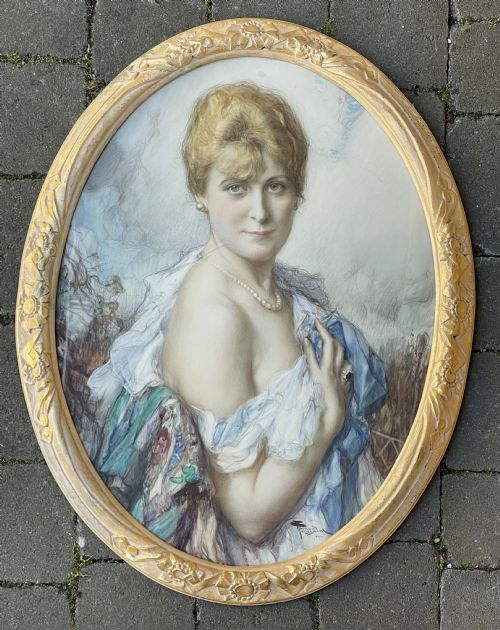


Belle Epoque Painting
A belle epoque painting captures the elegance and lightness of turn-of-the-century European life, offering buyers a window into an opulent era of artistic refinement.
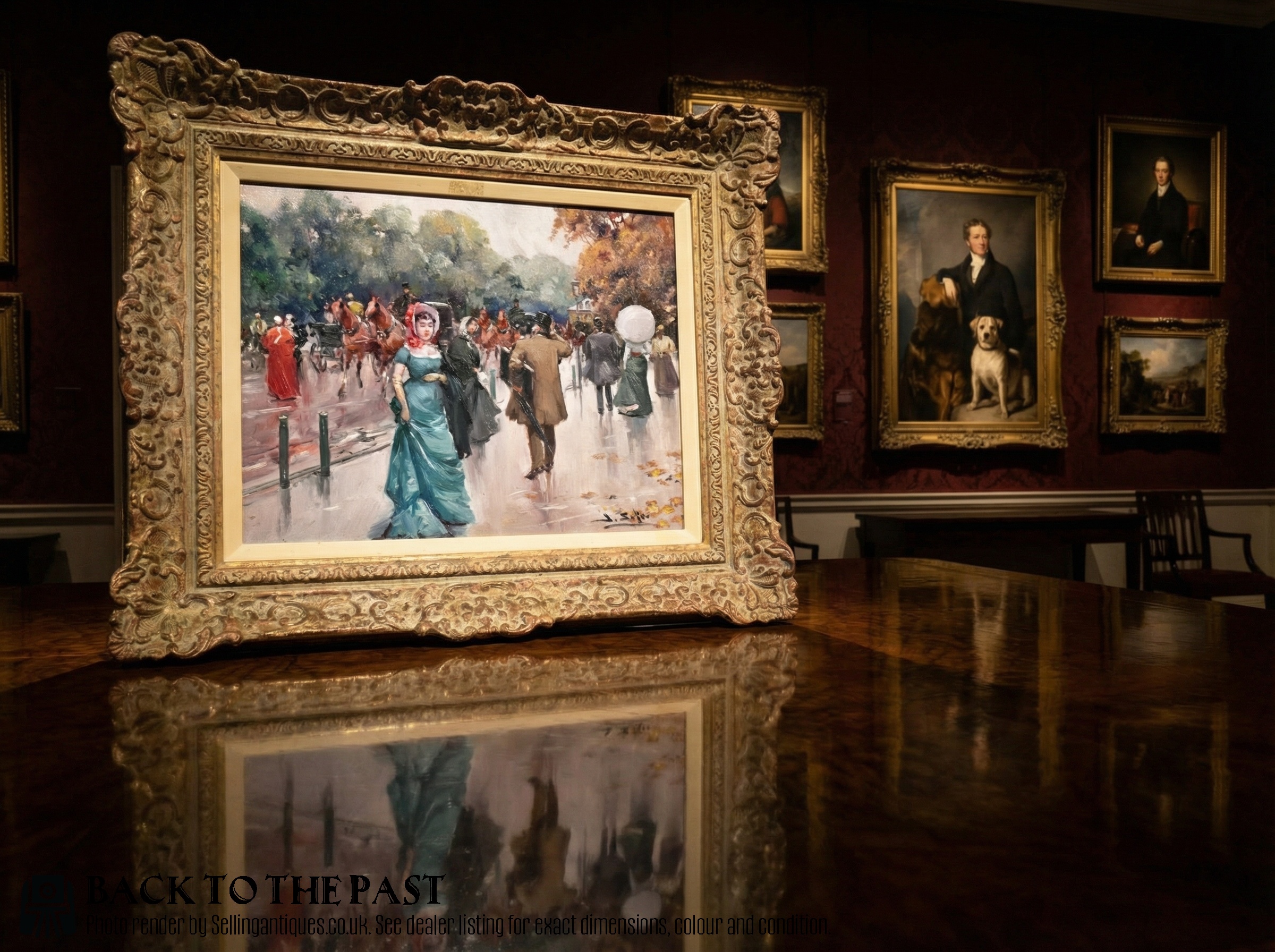
Belle Epoque Painting
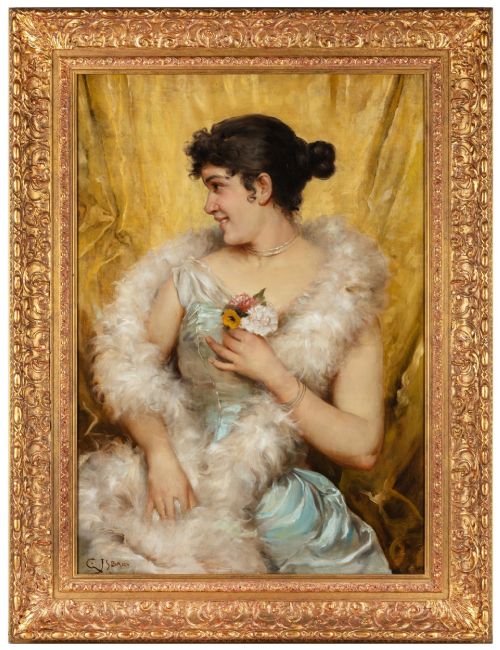
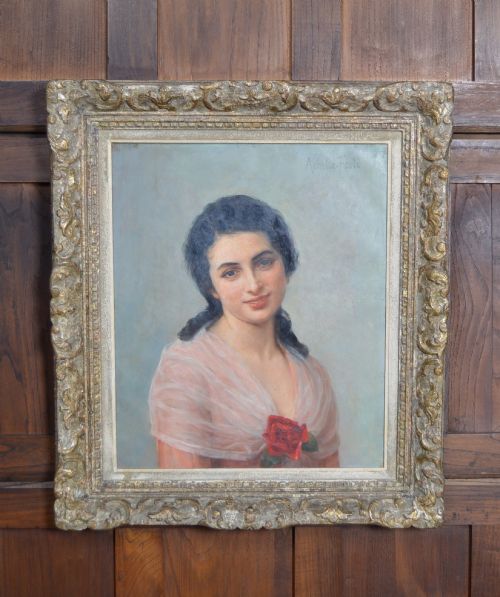
A belle epoque painting encompasses fine art and portraits created during the vibrant period spanning the late nineteenth century and the early decades of the twentieth century. These works frequently depict Parisian street scenes, elegant young beauties, and genre subjects that reflect the sophisticated urban culture of the era.
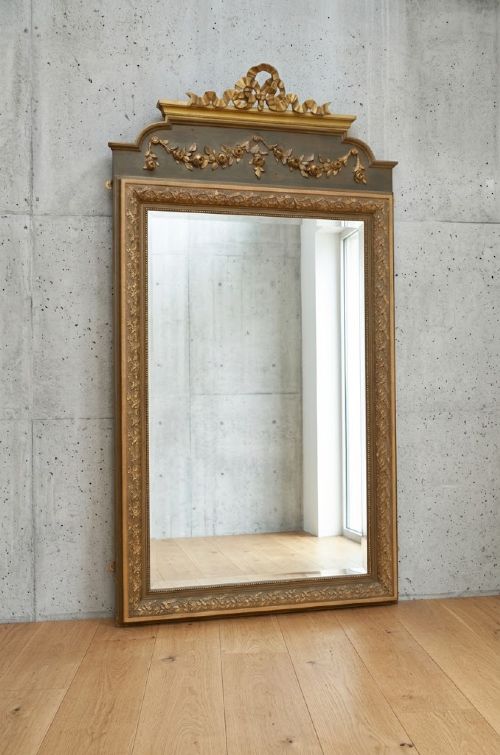
The pieces available in this category extend beyond traditional canvases to include watercolours and decorative items incorporating painted panels, mirrors, and clocks. Many of these artworks bear the distinct influence of French Impressionism, Art Nouveau, and French Academic styles.
Originating predominantly from French studios and makers, these paintings capture the optimism and aesthetic flair of the Belle Epoque era. Buyers encounter works signed by period artists alongside decorative objects that integrate fine painting with gilded frames, glass, and wood.
Materials and Techniques
Artists of this period relied primarily on oil on canvas and delicate watercolour on paper to achieve their expressive compositions. Pigments were skilfully applied to capture the play of light in Parisian streetscapes and the subtle textures of satin evening wear.
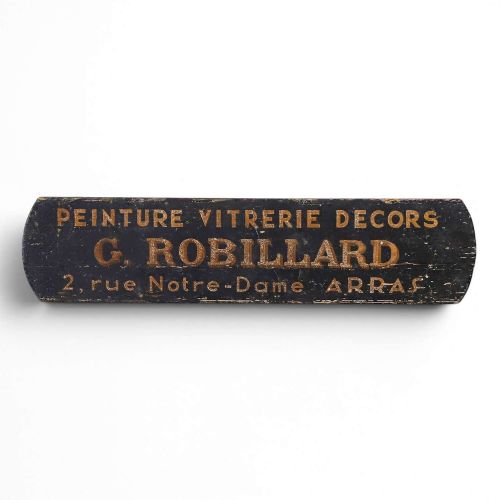
Frames and supportive elements frequently utilise wood, gold leaf, and giltwood, often detailed with intricate carving or ribbon crests. Decorative pieces such as wall mirrors and trade signs combine hand-painted surfaces with glass and original metallic finishes.
At least one trade sign managed to survive a century of commercial use while keeping its hand-painted charm entirely intact.
Evaluating Quality
The distinction between standard decorative items and exceptional fine art rests in the precision of the brushwork and the expressive capability of the artist. Masterful handling of light, particularly in cityscape and portrait subjects, elevates a piece significantly.
The integrity of the original materials, including authentic giltwood frames, period glass, and untouched hand-painted surfaces, contributes heavily to the desirability of each work. Provenance and clear signatures from established period artists further separate premier works from lesser examples.
G. J. S. Bary·L & F Moreau·Achille-Fould·Albert Ludovici Jnr·Victor Gabriel Gilbert·Albert Guillaume·Paul Viry·Fernand Toussaint·Emile Vernon·Gaston Bouy
The Belle Epoque Painting Glossary
- Belle Epoque
- A period of artistic and cultural refinement in Europe spanning the late nineteenth century up to the First World War. This era is celebrated for its flourishing painting styles and decorative arts.
- French Impressionism
- An art movement characterised by relatively small, thin, yet visible brush strokes and an emphasis on accurate depiction of light. It heavily influenced the outdoor and cityscape paintings of the era.
- Giltwood
- Wood that has been treated with gold leaf or gold paint to create a decorative metallic surface. It is frequently found on the ornate frames enclosing period canvases and wall mirrors.
- Genre Painting
- The pictorial representation of scenes from everyday life, typically depicting ordinary people in domestic interiors or busy urban settings. Albert Ludovici Jnr and Victor Gabriel Gilbert produced notable examples of this style.
- Watercolour
- A painting method in which the paints are made of pigments suspended in a water-based solution. Artists of the period used this medium on paper for intimate portraits and detailed studies.
Belle Epoque Painting: Frequently Asked Questions
What subjects appear in these paintings?
These artworks predominantly feature portraits of young women, Parisian street scenes, and daily urban life. Artists sought to capture the elegance of the period through detailed depictions of contemporary dress and architecture.
Cityscapes often focus on iconic Parisian locations, while portraits emphasise the graceful fashions and interior settings favoured by the upper classes of the era.
How do I date a belle epoque painting?
Dating relies on artist signatures, stylistic markers, and the physical construction of the canvas or frame. Many works bear inscriptions or dates from the late nineteenth century up to the early nineteen-twenties.
Examining the materials, such as the type of stretcher frames and the formulation of the oil paints or watercolours, also helps narrow down the exact period of creation.
Were these pieces used in homes?
Paintings and decorative panels served as central interior ornaments in wealthy European households. They were framed in ornate giltwood and displayed in drawing rooms alongside matching mirrors and clocks.
Smaller watercolours and oil paintings were often collected by urban residents wanting to bring the vibrant atmosphere of Parisian boulevards and salons into private spaces.
How should I care for an antique canvas?
Protection from direct sunlight and stable indoor humidity levels are essential for preserving oil paintings and watercolours on paper. Glass-fronted pieces like mirrors and clocks require gentle cleaning with non-abrasive cloths.
Avoiding extreme temperature fluctuations prevents the wooden frames and canvas supports from warping or cracking over time.