



Belle Epoque Jewellery
Belle epoque jewellery captures a golden age of lightness and intricate design, offering delicate platinum and diamond pieces that define early twentieth-century elegance.
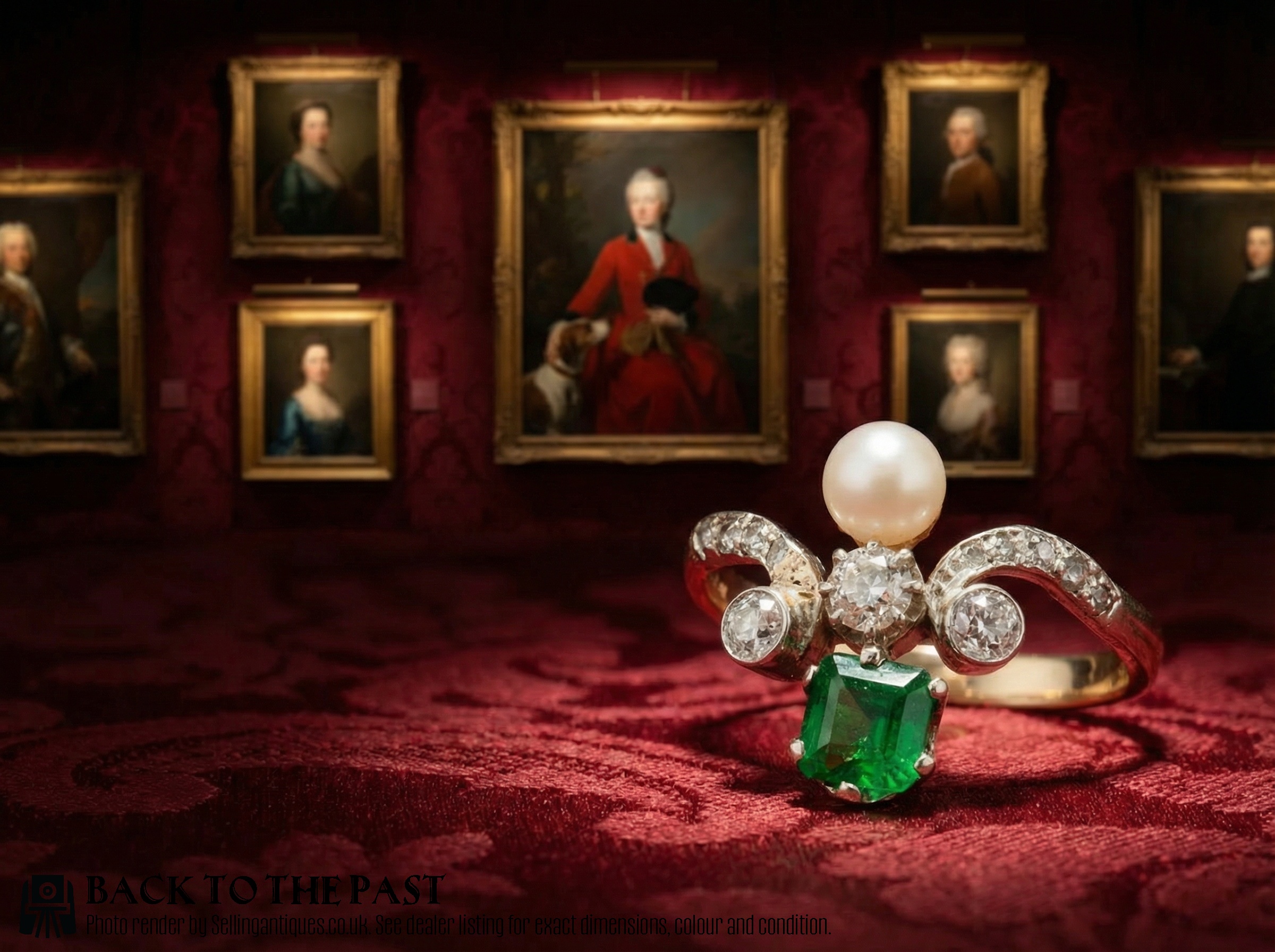
Belle Epoque Jewellery
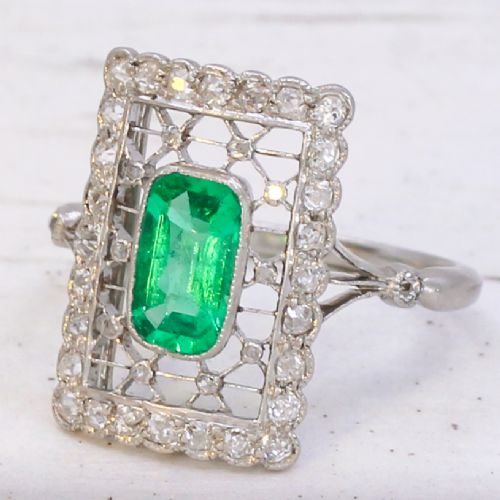
Belle epoque jewellery spans the Edwardian period and the turn of the twentieth century, bringing together French and English workshops in a shared aesthetic of refinement. These pieces encompass rings, drop earrings, brooches, bangles, necklaces, and lockets created between nineteen hundred and nineteen ten.
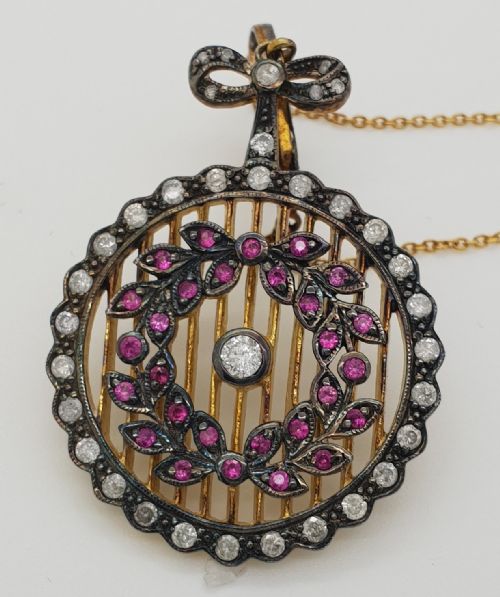
The most common survivors on this page are rings, pendants, and drop earrings that pair diamonds with pearls or coloured gemstones. Makers often utilised platinum alongside yellow or white gold to construct airy, lace-like settings that minimise visible metal.
Garland style motifs dominate this category, featuring bows, ribbons, and floral swags rendered in miniature scale. Buyers encounter distinct French pieces alongside Edwardian designs, reflecting a period of intense cross-channel artistic exchange.
How belle epoque jewellery was made
Goldsmiths pioneered the use of platinum during this era, harnessing its strength to support elaborate stone settings with minimal weight. This metal allowed artisans to fabricate knife-edge wires and millegrain borders that frame old-cut and rose-cut diamonds with precision.
Natural pearls and saltwater pearls were strung or mounted alongside rubies, emeralds, sapphires, and tourmalines in multi-part constructions. Yellow gold and white gold also appear frequently as foundational backs for platinum-topped settings.
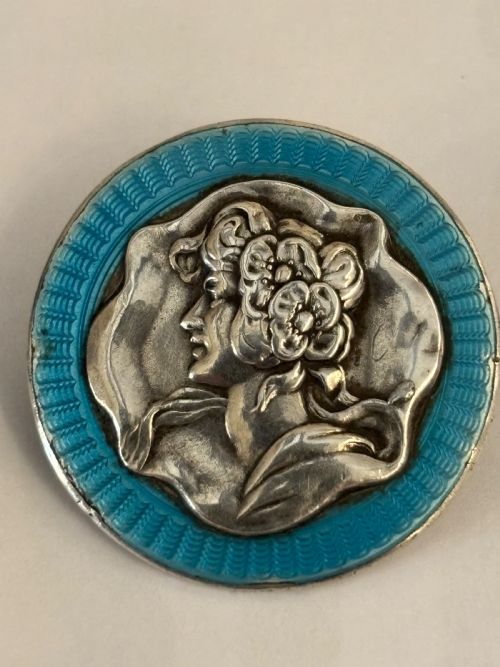
Enamelling techniques, including guilloché work, added translucent colour to cuffs, brooches, and trinket boxes. Jewelers pierced and carved the precious metals by hand, creating layered, three-dimensional forms such as coronets, tiara rings, and articulated line bracelets.
What varies in quality
The sophistication of the piercing and the delicacy of the millegrain work separate standard production from master craftsmanship. Superior examples display microscopic bead-work edges and seamless integration between the platinum surface and the gold backing.
Gemstone selection dictates the standing of individual pieces, particularly in the matching of natural saltwater pearls and certified stones with minimal treatment. The clarity and cutting style of old European-cut and rose-cut diamonds determine how effectively the piece captures candlelight and daylight.
Structural integrity in high-articulation items, such as drop earrings and flexible line bracelets, relies on robust box clasps and secure hinge construction. Workshops that executed complex multi-tiered pendants and tiara rings with balanced weight distribution achieve lasting durability.
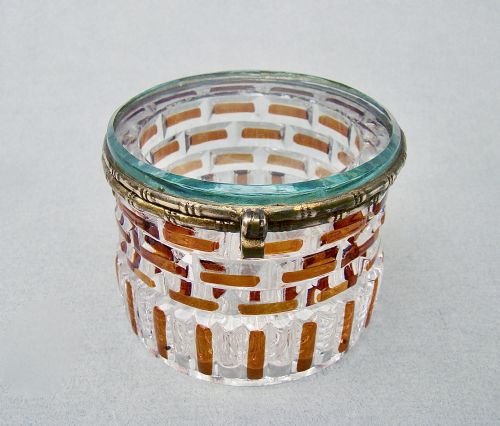
CARTIER·FRENCH BACCARAT
The Belle Epoque Jewellery Glossary
- Millegrain
- A decorative technique involving a row of tiny raised metal beads along the edge of a setting. It softens the transition between metal and stone.
- Old European Cut
- A round diamond cut popular in the late nineteenth and early twentieth centuries characterised by a small table, high crown, and large culet facet.
- Rose Cut
- A flat-bottomed diamond cut with a domed top covered in triangular facets. It produces a soft, translucent glow rather than sharp brilliance.
- Longuard Chain
- A long gold chain worn around the neck during the Edwardian era, often attached to a watch, locket, or pendant.
- Jabot Pin
- A decorative pin originally designed to fasten folds of fabric on a jabot necktie. These pieces often feature ornamental terminals at both ends.
Belle Epoque Jewellery: Frequently Asked Questions
What defines belle epoque jewellery?
These pieces originate from the decades surrounding nineteen hundred, known for an aesthetic of lightness, lace-like platinum mounts, and diamond ornamentation.
They reflect the social optimism and technical advancements of the Edwardian era and French ateliers.
How do I wear an antique jabot pin?
Original jabot pins secure lapels, scarves, or collars with their double-ended ornamental designs. Modern wearers often place them on jacket lapels or hats as statement brooches.
Their elongated pins require careful placement through heavier fabrics to avoid stretching delicate weaves.
Are pearls in these pieces natural?
Many examples from this period incorporate certified natural saltwater pearls rather than cultured alternatives. Testing confirms their organic origin and saltwater growth environment.
Jewelers paired them with old-cut diamonds to create high-contrast focal points in pendants and rings.
What is a tiara ring?
Tiara rings feature elevated central motifs that mimic the silhouette of royal headwear. Makers designed them to sit high on the finger, often incorporating emeralds, pearls, and diamonds.
They were popular choices for stacking or as alternative engagement rings during the early twentieth century.