



1910s Platinum Jewellery
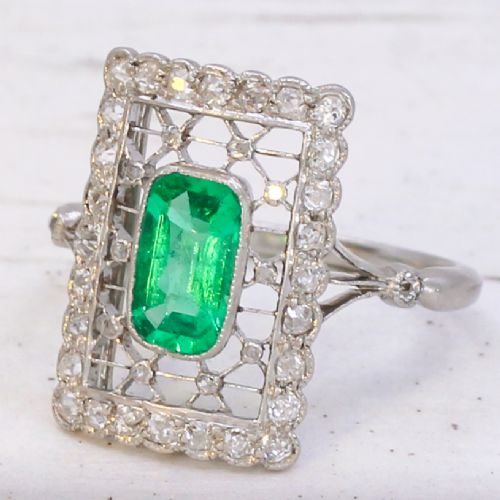
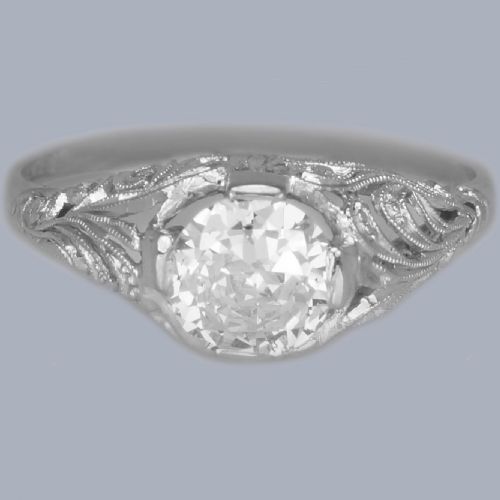
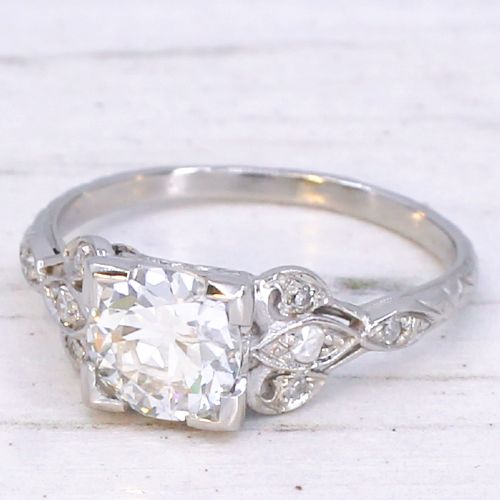
These pieces of 1910s platinum jewellery combine durable metal settings with old cut diamonds and coloured gemstones.
1910s Platinum Jewellery
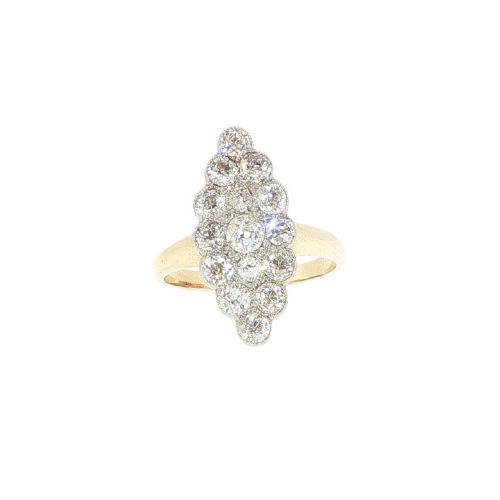
Buyers seeking 1910s platinum jewellery encounter rings, bracelets, earrings, pendant necklaces, and brooches dating from the Edwardian period, 1910, 1920, and Art Deco or Art Nouveau styles. The selection frequently includes engagement rings featuring solitaire, cluster, navette, floral daisy, and Toi et Moi motifs.
The objects combine precious stones with platinum and gold mounts. Solitaire and cluster rings dominate the current selection, alongside substantial diamond and gem-set pendants, bracelets, and drop earrings.
Materials and construction
Items rely on platinum paired with 18ct gold, 18ct yellow gold, 18ct white gold, 15ct yellow gold, and 9ct yellow gold to secure the stones. Platinum allowed artisans to create fine, intricate settings without sacrificing structural strength.
Gems such as old cut diamonds, old European cut diamonds, old mine cut diamonds, and rose cut diamonds are set alongside emeralds, sapphires, Ceylon sapphires, basaltic sapphires, aquramarines, natural pearls, and opals.
Even a modest bar brooch from this era likely spent decades pinned to heavy wool waistcoats before finding a modern lapel.
Judging the range
Quality separates through the selection and proportion of the central stones, such as certified emeralds, large aquramarines, or heavy carat diamonds, balanced against the delicacy of the metalwork. Pieces with matched natural pearls or high-carat coloured gemstones demonstrate superior craftsmanship.
The finesse of the platinum wirework and the symmetry of the surrounding diamond clusters dictate the overall refinement of each mounting.
The 1910s Platinum Jewellery Glossary
- Navette
- A boat-shaped ring setting featuring an elongated cluster of diamonds or gems. This pointed outline typifies Edwardian design.
- Toi et Moi
- A ring style featuring two main stones positioned side by side, translating to you and me. These pieces often pair a diamond with a natural pearl or sapphire.
- Old European Cut
- A round diamond cut popular during the late nineteenth and early decades of the twentieth century. It possesses a small table, heavy crown, and a large open culet.
- Rose Cut
- A historic diamond cut with a flat base and a domed, faceted top resembling an unopened rosebud. It yields a softer brilliance than modern brilliant cuts.
- Cluster
- An arrangement of smaller gemstones surrounding a larger central stone. This technique maximises the visual impact of the composition.
1910s Platinum Jewellery: Frequently Asked Questions
How do I identify 1910s platinum jewellery?
Examine the metalwork for the characteristic bright white appearance of platinum combined with yellow or white gold backs. Look for typical period motifs such as floral daisy clusters, navette outlines, and old cut diamonds.
Check for hallmarks or maker marks where present, though many antique mounts retain only minimal stamps due to their delicate construction.
Were these pieces worn daily?
Original owners wore these items for formal occasions, social calls, and evening events. The introduction of platinum allowed mounts to withstand regular wear while maintaining a slender profile.
Many pieces, particularly engagement rings and solitaire designs, transitioned into everyday personal adornment.
How should I care for these items?
Store each piece separately in a lined box to prevent scratching between harder diamonds and softer gems like opals or natural pearls. Avoid ultrasonic cleaners for pieces containing pearls or treated emeralds.
Consult a specialist jeweller periodically to check the security of the old cut stones within their platinum claws.
What styles define this era?
Edwardian, Art Nouveau, and early Art Deco aesthetics dominate these items. Edwardian pieces favour garland motifs, platinum lace, and delicate floral designs.
Art Nouveau brings flowing organic lines, while early Art Deco influences introduce geometric symmetry before the full transition to 1920s modernism.