
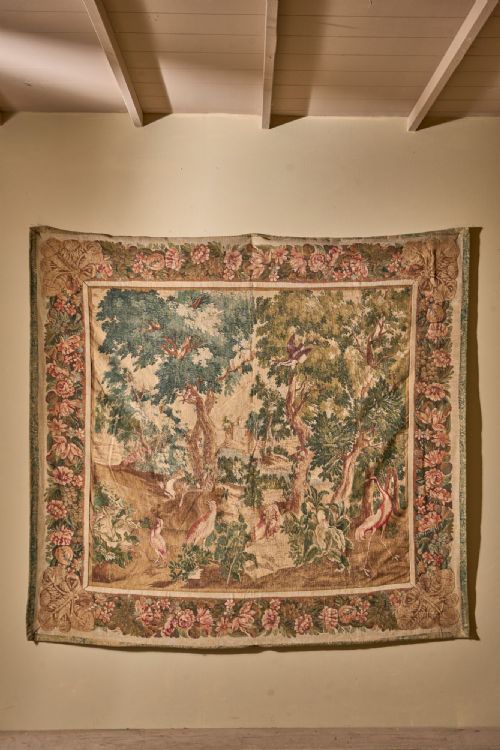
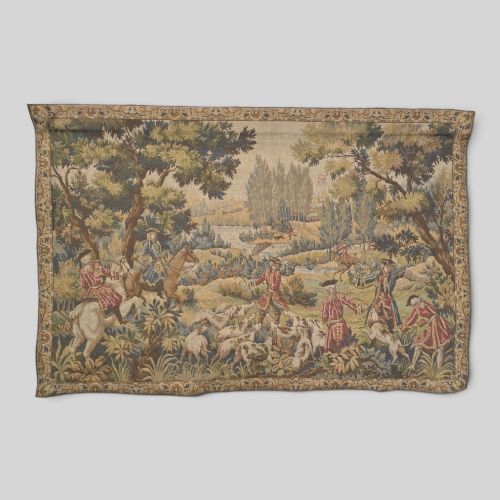
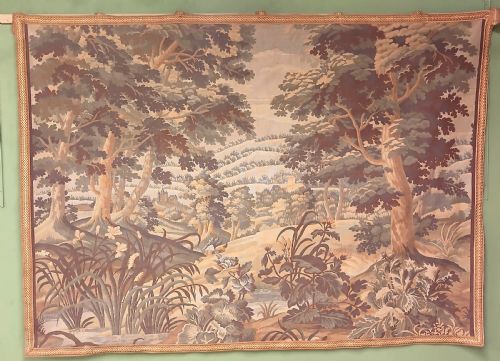
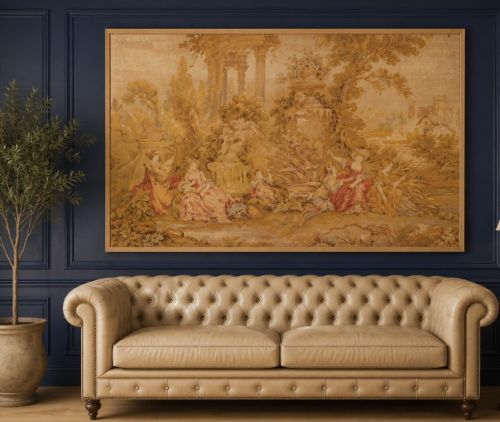




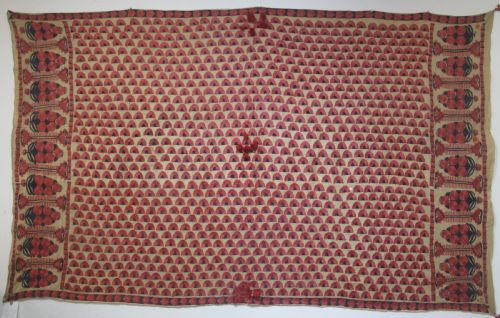


Beige Woven Textile
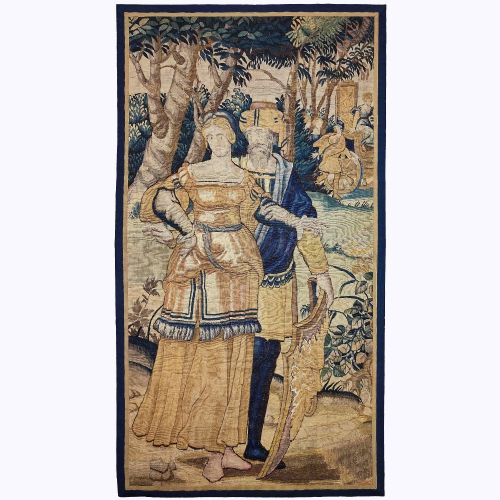
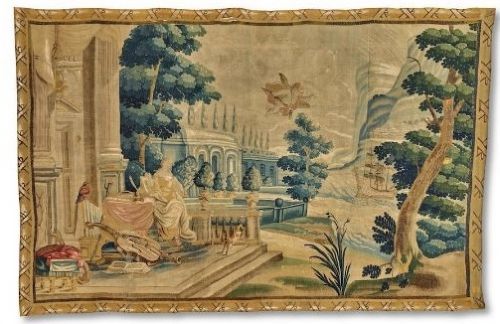
These beige woven textile pieces are substantial wall hangings and panels that bring historic texture and narrative warmth to a room.
Beige Woven Textile
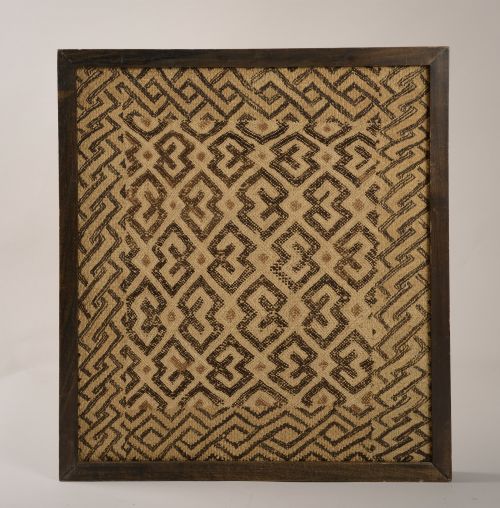
A beige woven textile search brings you face-to-face with historic wall tapestries, panels, and regional cloth spanning several centuries. The selections here centre heavily on large French and Flemish works alongside traditional African pieces and embroidered shawls.
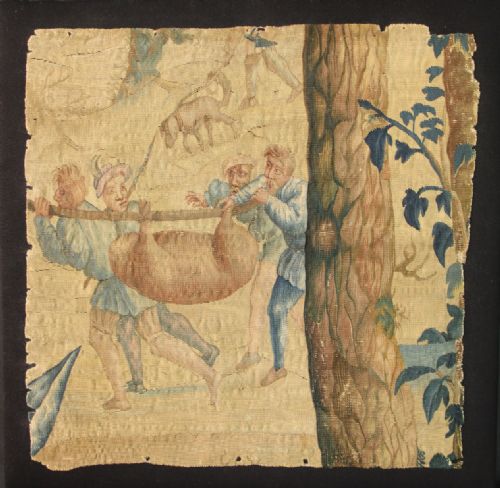
Most examples you meet on this page take the form of wall hangings, tapestry fragments, or framed panels. Makers from various periods utilised wool, silk, and cotton to construct these heavy decorative surfaces.
Originating from workshops in France and Flanders, as well as broader international contexts, these textiles served to insulate stone walls and display mythological or pastoral scenes. You will encounter everything from grand scale seventeenth-century Flemish compositions to nineteenth-century Aubusson pieces and early twentieth-century Kuba cloth.
How they were made
The construction of these textiles relies on fibre materials such as wool, silk, and cotton, often manipulated through weaving and needlework techniques. Artisans intertwined silk threads to catch the light and utilised heavier wool to build durable, textured backgrounds.
Many of the framed panels and wall hangings incorporate supportive timber frames or wood structures to maintain their shape over centuries. In other instances, such as the regional shawls and cloths, intricate embroidery decorates the base textile without additional framing.
A sturdy nineteenth-century stool lets you sit directly upon centuries of woven history without disturbing the wall.
What varies in quality
The distinction between ordinary and exceptional pieces rests in the density of the weave and the complexity of the narrative design. Grand scale mythologies and finely executed Aubusson works demonstrate superior pictorial depth compared to smaller fragments.
Materials also dictate the grade of the piece, with silk thread highlights adding a refined luminosity that simpler wool-only constructions lack. Preservation of the original textile structure and the clarity of the depicted pastoral or mythological scenes further separate standard panels from masterworks.
The Beige Woven Textile Glossary
- Tapestry
- A form of textile art traditionally woven on a vertical loom using coloured weft threads to create a pictorial design. These heavy wall hangings often depict pastoral or mythological scenes.
- Aubusson
- A style of tapestry originating from the town of Aubusson in France, known for smooth surfaces and architectural or floral motifs. These pieces often served as wall panels or entre-fenêtres.
- Entre-fenêtre
- A tall, narrow tapestry designed specifically to hang on the wall space between two windows. These panels match the vertical proportions of historic domestic architecture.
- Tapestry fragment
- A surviving section of a larger historic wall hanging, often salvaged and mounted for display. These pieces retain portions of the original woven narrative.
Beige Woven Textile: Frequently Asked Questions
How do I hang a heavy tapestry?
Large wall hangings require even distribution of weight across a timber batten or hidden mounting brackets rather than a single suspension point. This prevents strain on the historic textile fibres.
Ensure the piece hangs clear of direct heat sources and strong sunlight to protect the wool and silk materials from fading and drying out over time.
What is an entre-fenetre tapestry?
An entre-fenêtre is a narrow, elongated wall panel designed to fit precisely into the wall space between two windows in a traditional room layout. These pieces make use of vertical architectural areas.
They often share the same weaving techniques and pastoral or floral themes as larger grand scale tapestries from the same period.
How do I clean an antique textile?
Historic textiles require gentle surface maintenance such as very careful low-suction vacuuming through a protective mesh screen. Avoid washing or applying liquid cleaners directly to the wool and silk fibres.
For significant conservation work or deep cleaning, consult a professional textile conservator who understands seventeenth and eighteenth-century weaves.
How do I tell an Aubusson from a Flemish piece?
Flemish tapestries from the seventeenth century often lean towards dense, dramatic mythological or historic narratives with deep tonal contrast. Aubusson works tend towards lighter pastoral scenes and refined floral framing.
The choice of weave density and the regional characteristics of the figures help indicate where and when the textile was produced.