






Beige Wool Hanging
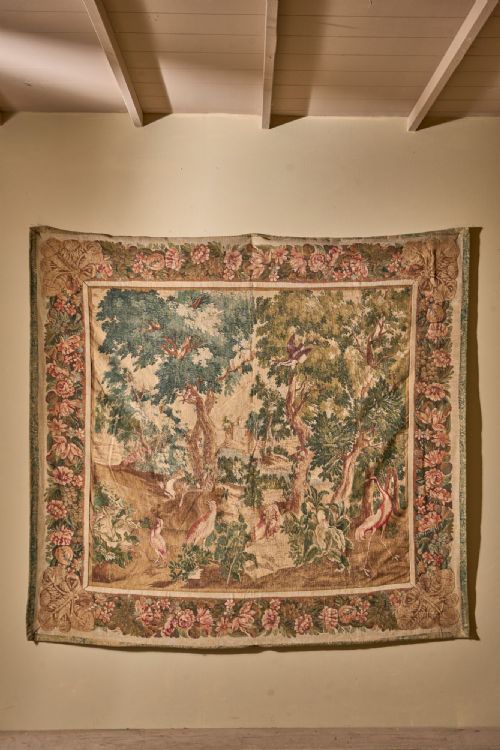
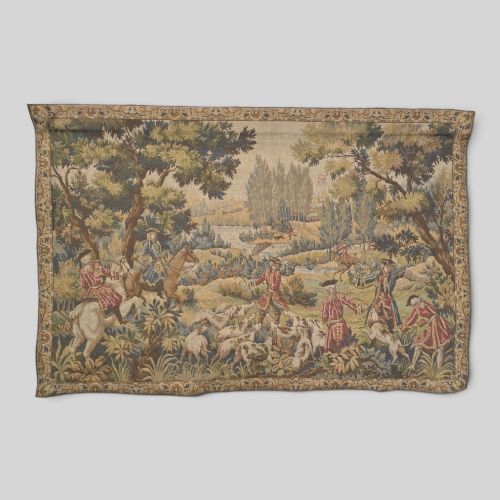
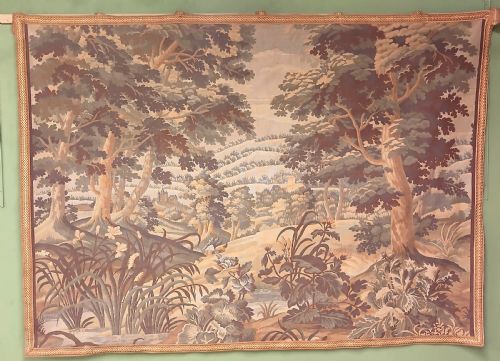
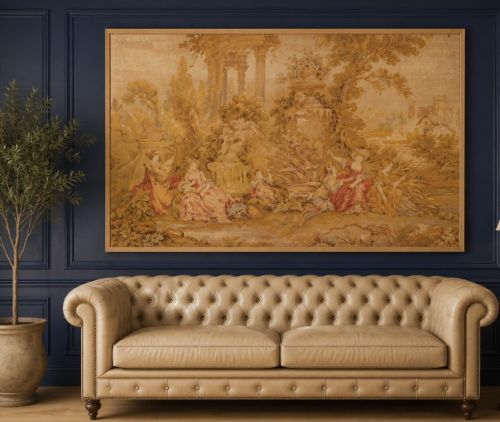
A beige wool hanging brings texture and historic weight to an interior, functioning as a substantial wall tapestry or textile panel.
Beige Wool Hanging
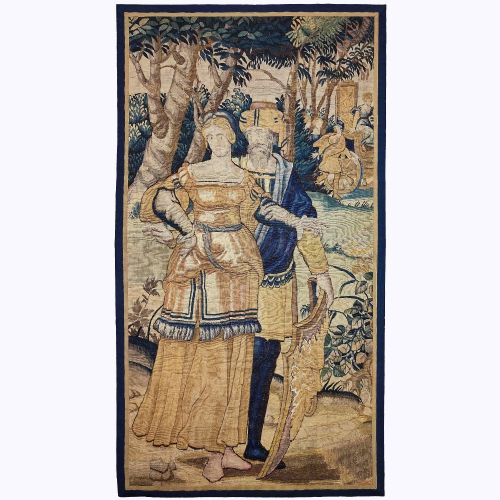
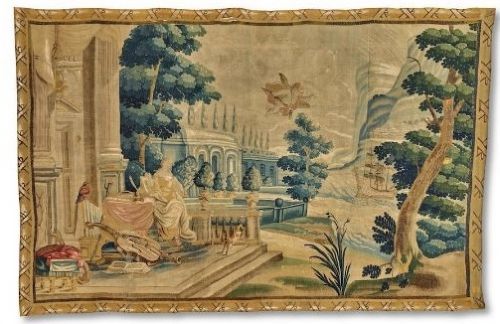
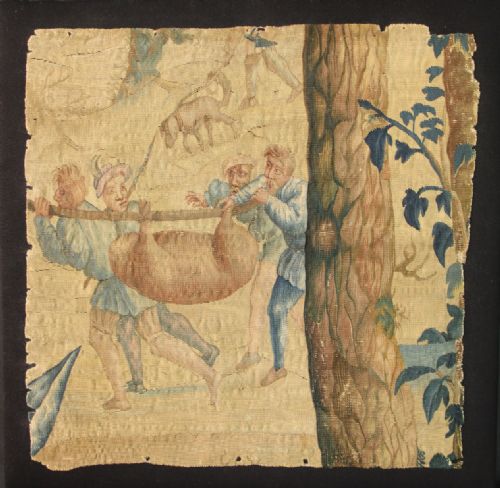
When you search for a beige wool hanging, you encounter large woven wall art, framed tapestry panels, and historic textile fragments. These pieces frequently originate from French workshops or Flemish looms, spanning centuries of production from the sixteenth century through to the twentieth century.
Format and scale vary considerably, ranging from long narrow entre-fenêtre panels designed for specific architectural spaces to grand scale horizontal wall hangings. Whether you require a delicate needlepoint panel or a robust wool weave, these textiles anchor a room with muted earthy tones.
Materials and construction methods
These textiles rely principally on wool, often combined with cotton and silk threads to create varied depth and tactile contrast within the woven design. Artisans constructed these wall hangings using traditional loom techniques, while needlework panels demonstrate intricate hand stitching across canvas grounds.
Structural support frequently involves timber frames, wood boards, or brass hanging mechanisms to distribute the weight of large fabric surfaces safely. The interplay of wool yarn against supporting natural fibres defines the tactile character of every piece in this category.
Listings feature wool, cotton, silk, canvas, and timber frames across periods spanning the sixteenth to the twentieth centuries.
Evaluating textile distinction
Quality in these hangings rests upon the fineness of the weave, the complexity of the pictorial composition, and the prestige of the originating weaving centre such as Aubusson or Brussels. Master weavers achieved intricate shading and lifelike figural detail that elevate a piece far beyond standard decorative wall coverings.
The integrity of the fibres and the retention of subtle beige and earth-toned palettes also dictate the standing of a textile. Pieces retaining their original proportions and structural framing demonstrate superior preservation compared to heavily altered fragments.
The Beige Wool Hanging Glossary
- Aubusson tapestry
- A woven wall hanging produced in the French town of Aubusson, known for floral and pastoral scenes. These pieces typically lack warp threads of gold or silver, distinguishing them from royal manufactories.
- Entre-fenêtre
- A tall, narrow tapestry specifically designed to hang on the wall space between two windows. This specific architectural format dictates the elongated proportions of the textile.
- Tapestry fragment
- A surviving portion of a larger historic wall hanging, often salvaged and mounted for display. These sections preserve detailed figural or botanical motifs from earlier centuries.
- Needlepoint panel
- A textile created by stitching yarn through a stiff canvas mesh rather than weaving on a traditional loom. These panels offer dense surface texture and distinct pictorial clarity.
Beige Wool Hanging: Frequently Asked Questions
How do I hang a heavy wool tapestry safely?
Distribute the weight evenly across a sturdy timber frame or use a specialised brass rod with multiple wall brackets. Avoid hanging textiles directly by a few isolated points to prevent distortion of the wool fibres over time.
Ensure the hanging is positioned away from direct sunlight and damp walls to preserve the natural wool and cotton materials.
What is the difference between a tapestry and a rug?
Wall hangings and tapestries are woven specifically for vertical display on interior surfaces, utilising lighter structures and pictorial designs meant to be viewed from a distance. Rugs feature denser pile or flatweave construction engineered to withstand foot traffic on the floor.
Pictorial wool rugs do appear in wall hanging contexts, but their foundation and backing remain designed for ground use.
How do I identify a 17th-century Flemish piece?
Seventeenth-century Flemish works typically depict complex mythological or dense woodland scenes with deep, muted tones and sophisticated border designs. The complexity of the narrative and the density of the wool and silk weave point toward these historic northern European workshops.
Examine the reverse side and the selvedge edges for clues regarding the hand-weaving techniques characteristic of the period.