



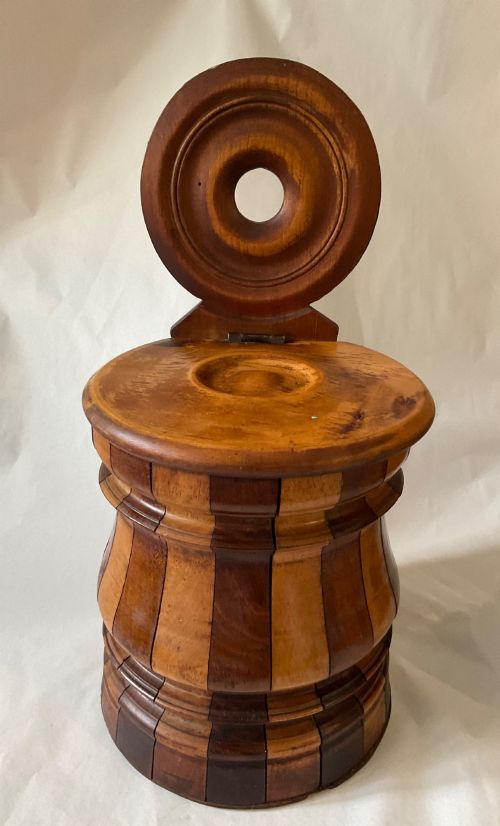
19th Century Wall Hanging
A 19th century wall hanging brings structural depth and period character to an interior through textiles, mirrors, and cabinetry.
19th Century Wall Hanging
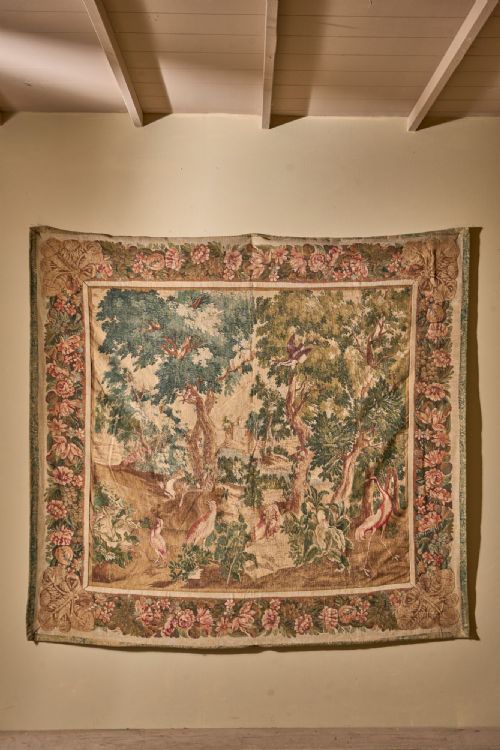
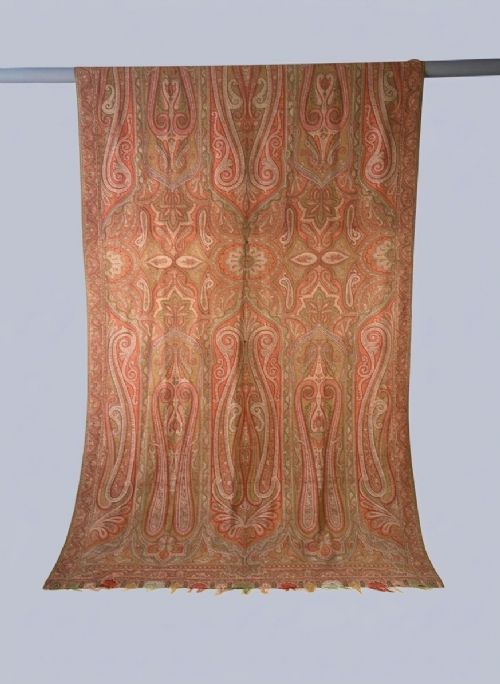
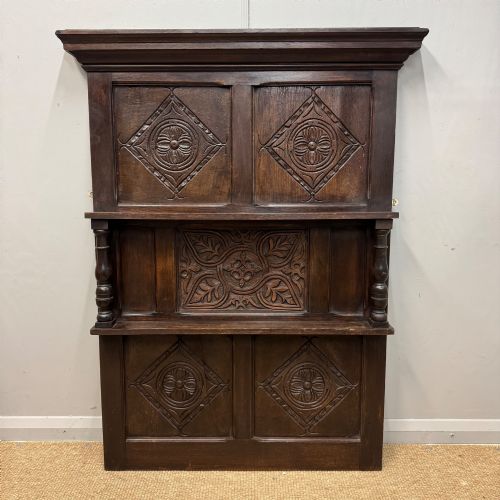
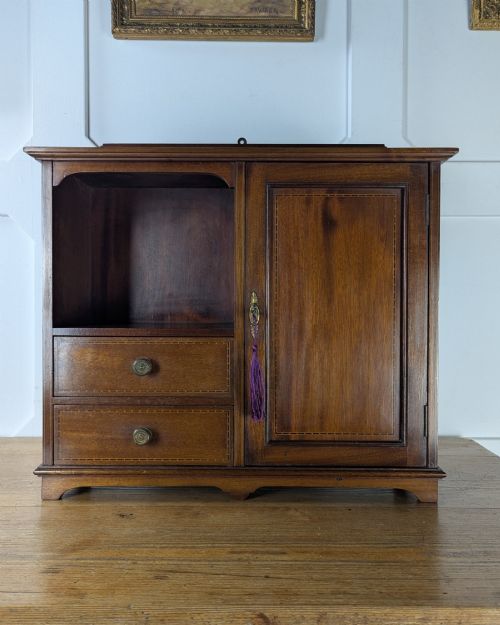
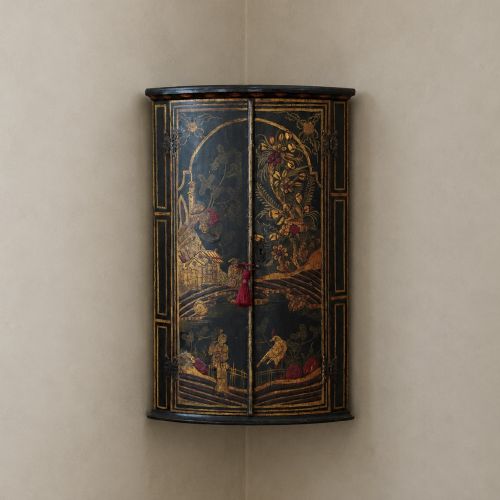
A 19th century wall hanging encompasses a diverse group of objects designed for vertical display, ranging from textiles and paintings to mirrors and small cabinets. You will frequently encounter mahogany and oak wall-hung cupboards, alongside giltwood mirrors and woolen shawls.
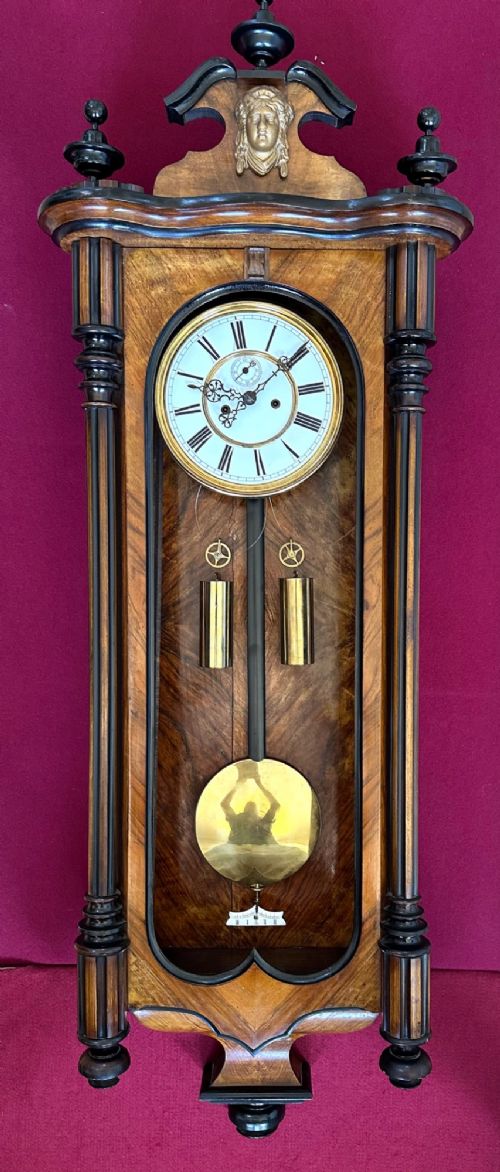
The category spans domestic utility and decorative display, pulling together items that were originally used for storage, timekeeping, or ornamentation. Pieces originate from British, French, and Asian workshops, reflecting the broad reach of nineteenth-century trade and taste.
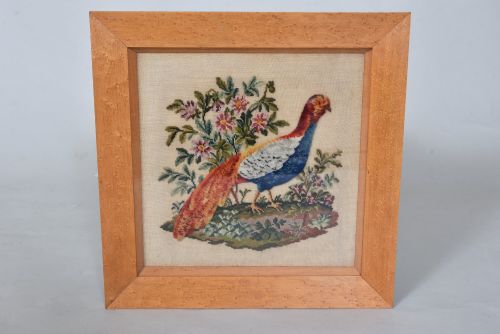
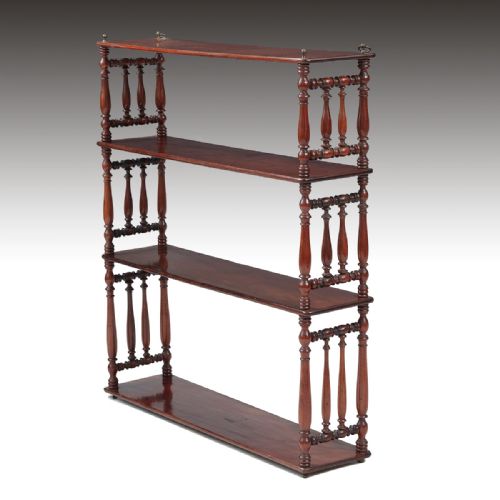
Shelves, corner cupboards, and barometers dominate the selection, offering practical wall storage alongside visual weight. Textiles such as Suzanis and embroidered panels provide softer textures against heavy timber frames.
Materials and Construction
Cabinetry and frames rely heavily on solid timbers like mahogany, oak, and walnut, frequently joined with traditional dovetailing. Turned elements, carved panels, and barley twist details show the hand of the carpenter and woodturner.
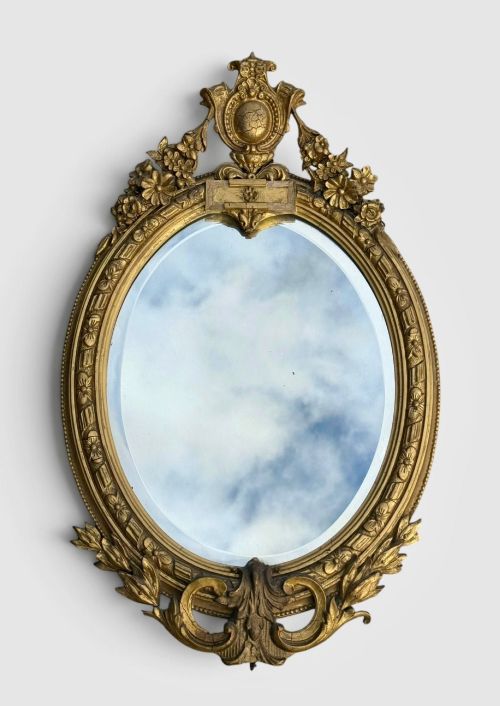
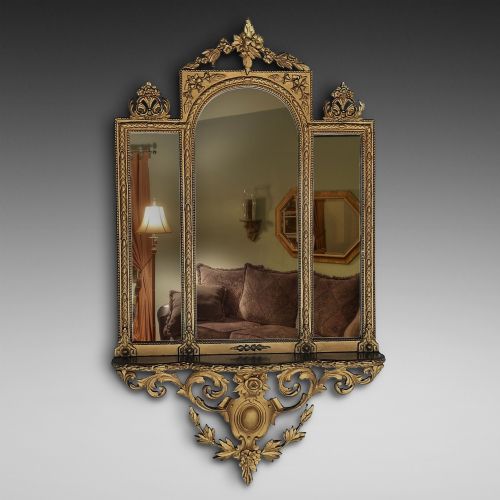
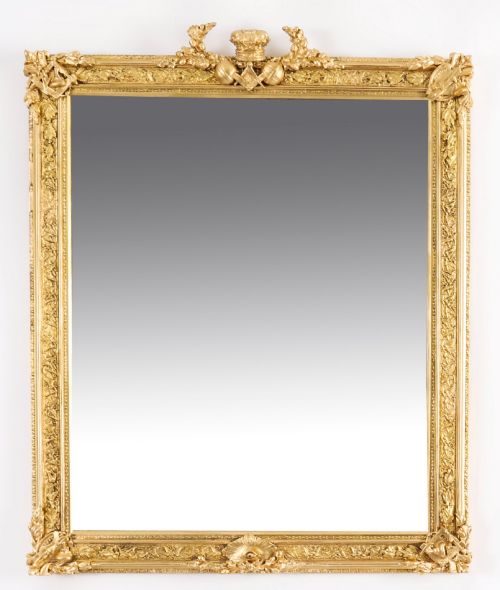
Mirrors and decorative pediments utilise gesso and carved wood finished with gold leaf or gilding. Textiles depend on natural fibres such as wool and silk, employing hand-woven and embroidered techniques seen in shawls and tapestries.
Brass fittings, hinges, and glazed panels add functional security to cabinets and letter racks, combining metalwork with timber construction.
Listings feature structural timber cabinets in oak, mahogany, and walnut alongside decorative giltwood mirrors and Asian wall hangings.
Assessing Quality and Craftsmanship
Quality reveals itself in the crispness of carved detail on giltwood frames and the structural integrity of timber joints in wall cabinets. Superior pieces maintain original bevelled mirror plates and intact hand-carved mouldings without heavy modern repairs.
In textiles, the density of the weave, the vibrancy of natural dyes, and the preservation of embroidered motifs distinguish finer examples from standard decorative pieces. Cabinetry demonstrates quality through matching timber veneer grains and original brass hardware.
The cohesion of decorative styles, such as Regency restraint or Rococo Revival exuberance, dictates how successfully a piece holds its historical integrity.
The 19th Century Wall Hanging Glossary
- Giltwood
- Timber that has been coated with gold leaf or gold paint for decorative effect. This finish is commonly found on nineteenth-century mirror frames and decorative wall brackets.
- Overmantle
- A large mirror or panel specifically designed to hang directly above a fireplace mantelpiece. These pieces frequently feature ornate gilt gesso moulding and landscape proportions.
- Suzani
- A type of embroidered tribal textile originating from Central Asia, often featuring bold floral motifs on a cotton or silk ground. They were traditionally made as part of a bride's dowry.
- Barometer
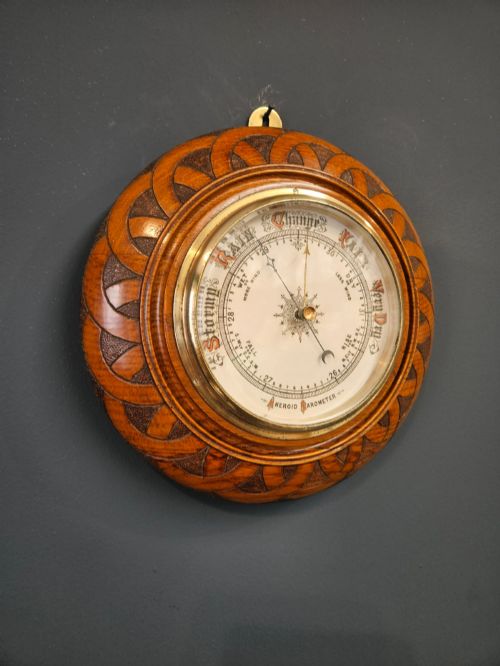
- An instrument used for measuring atmospheric pressure to forecast weather changes. Nineteenth-century examples are often housed in turned oak or mahogany wall-hung cases.
- Pediment
- The triangular or decorative architectural feature surmounting a door, cabinet, or mirror frame. It provides a classical architectural silhouette to wall-hung furniture.
19th Century Wall Hanging: Frequently Asked Questions
Can I clean the fabric on an antique textile?
Antique textiles such as wool shawls and silk wall hangings are fragile and sensitive to moisture, meaning traditional washing methods will cause damage. Gentle surface dusting with a soft brush or low-suction vacuum through a mesh screen helps remove loose debris.
Specialist textile conservators should handle deep cleaning or structural repairs. Avoid hanging delicate fabrics in direct sunlight to prevent fading of natural dyes.
How do I identify a Victorian mirror frame?
Victorian mirror frames often display heavy gesso mouldings over a wooden base, frequently finished with gilding or dark painted surfaces. Styles range from restrained architectural rectangles to elaborate Rococo Revival curves with floral and scroll motifs.
Examining the backboards, fixings, and the clarity of the glass plate helps confirm the period. Older mirrors may show slight silvering loss or distortion characteristic of nineteenth-century manufacturing.
Were wall-hung corner cupboards used in kitchens?
Corner cupboards and wall shelves served multiple domestic rooms, including kitchens, hallways, and parlours, for storing dry goods, tableware, or writing materials. Compact sizes allowed them to utilise dead corner space efficiently in smaller nineteenth-century homes.
Glazed doors protected prized china, while solid panel doors concealed general household provisions. Their survival in original condition reflects their enduring utility in domestic interiors.