
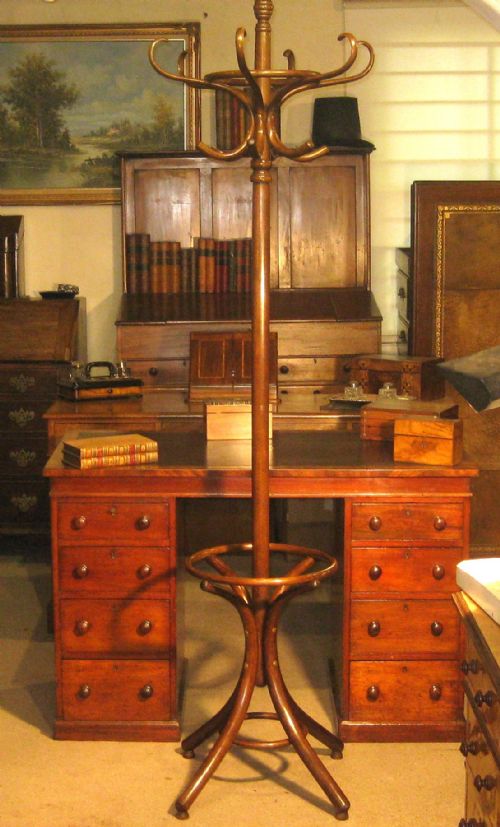


Beech Hall Stand
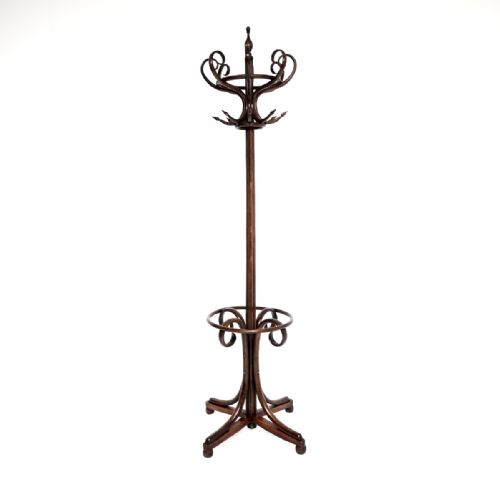
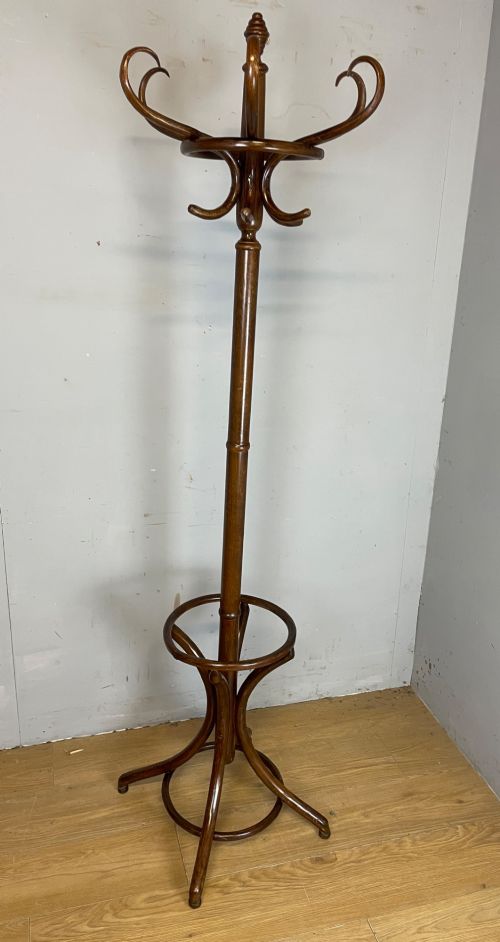
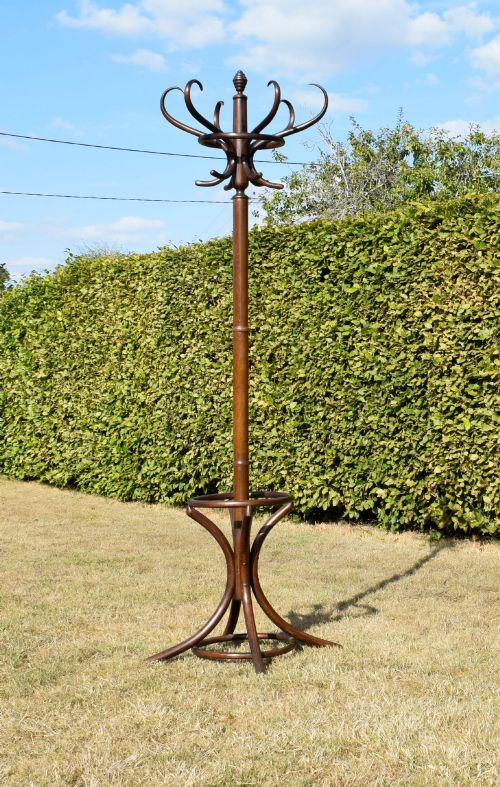
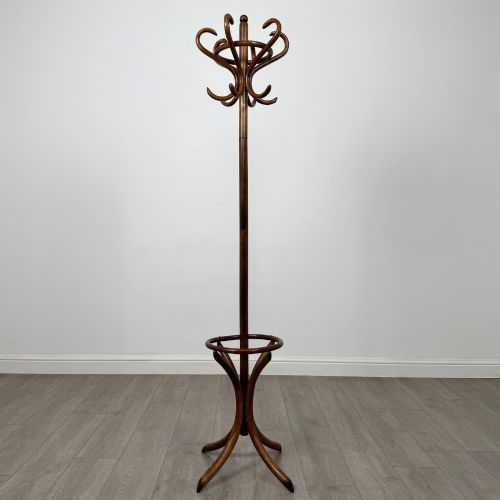
A beech hall stand brings practical hallway storage and sweeping organic curves to your entryway.
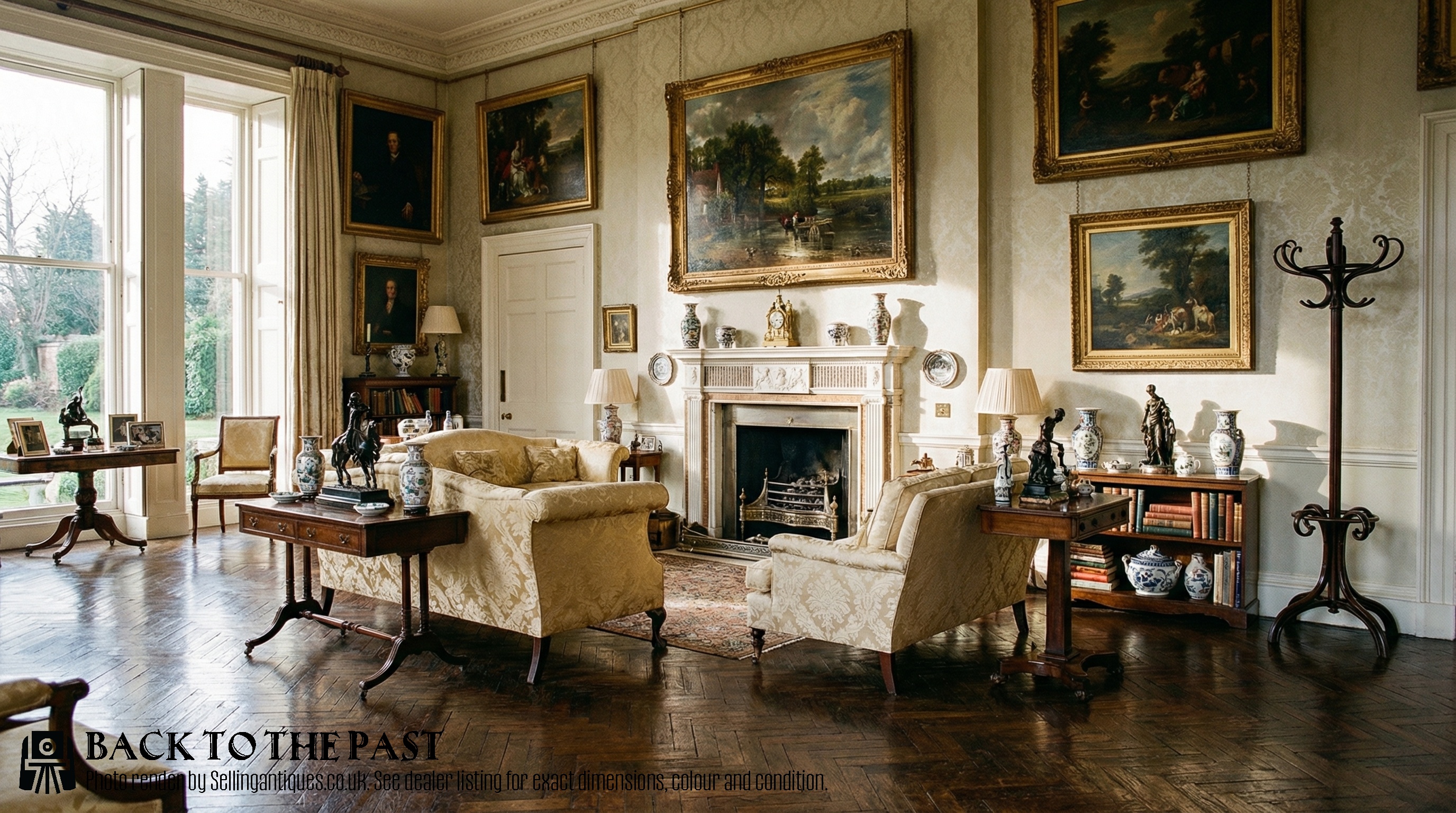
Beech Hall Stand
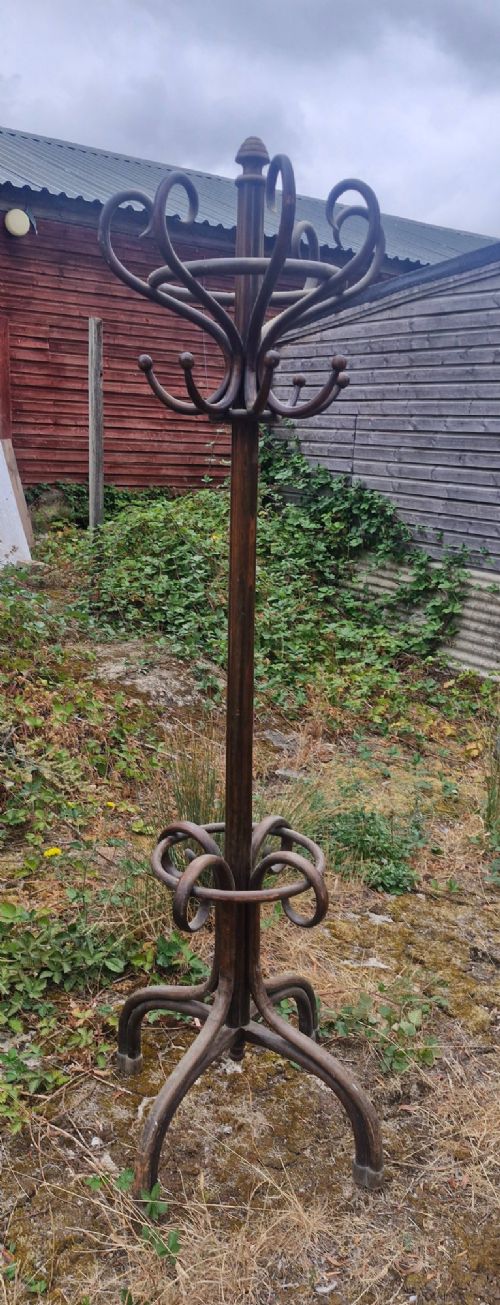
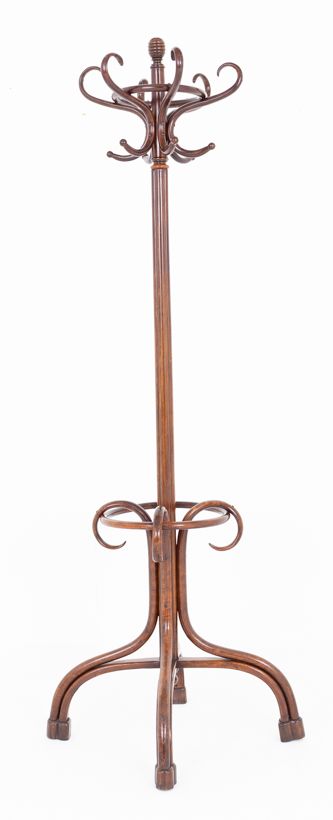
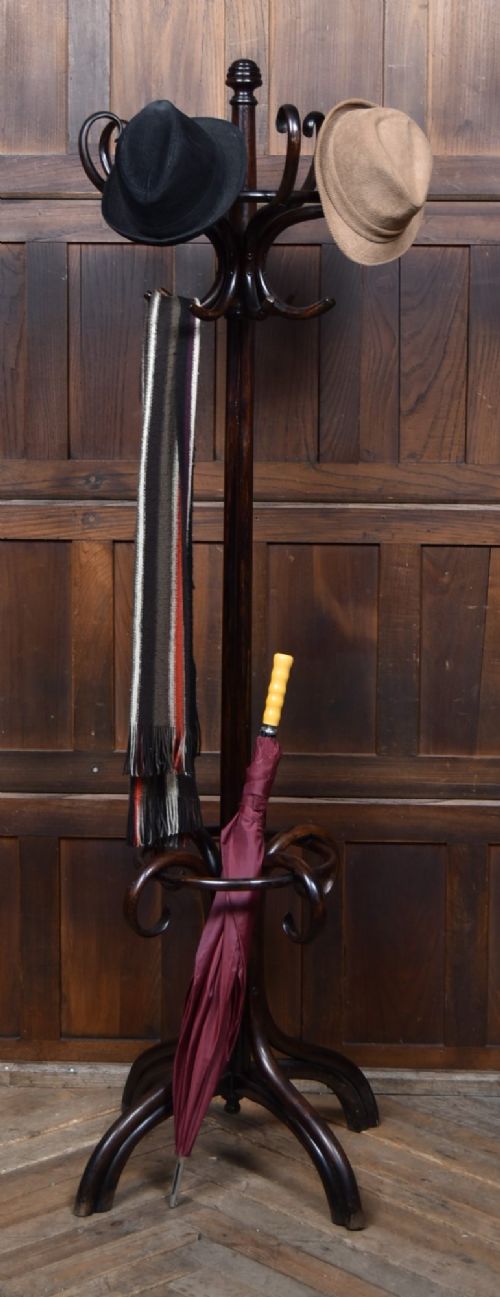
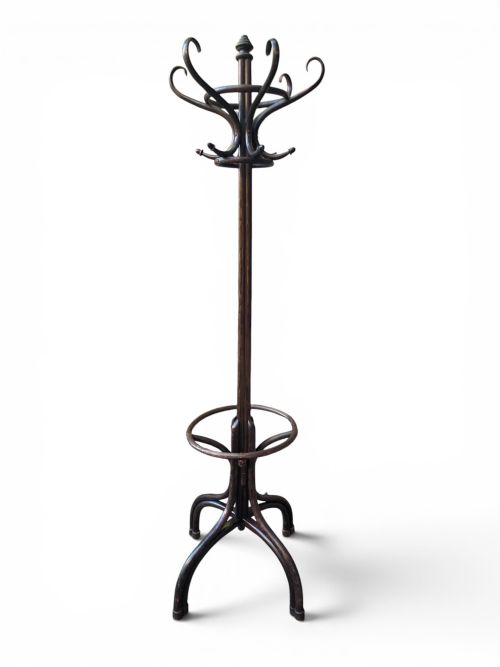
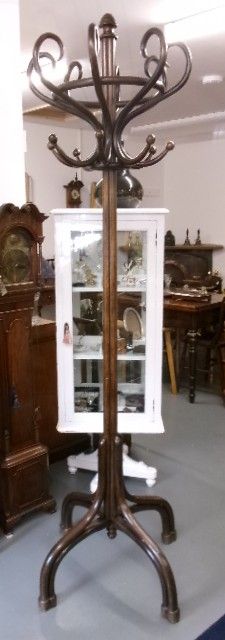
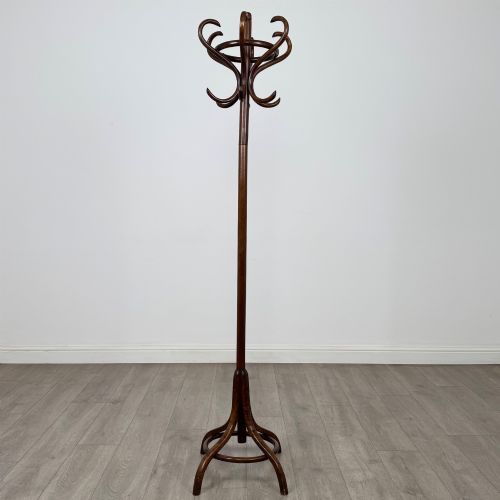
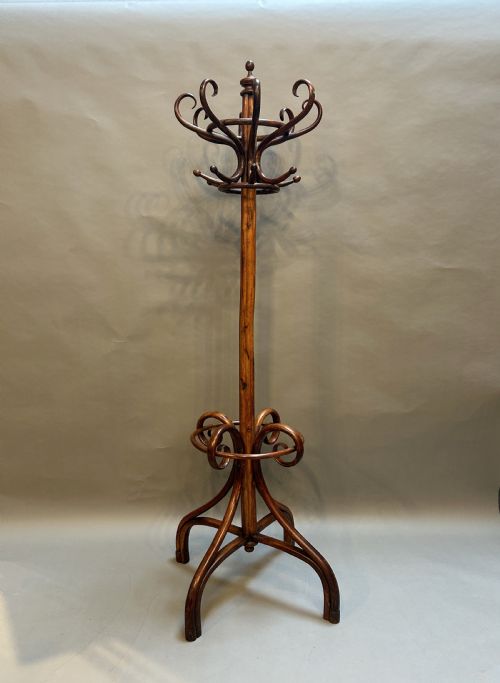
When you look for a beech hall stand, you encounter upright furniture designed for hats, coats, sticks, and umbrellas in entrance halls and vestibules. The pieces on this page span the Victorian, Edwardian, and early twentieth-century periods, showcasing the enduring appeal of bentwood design.
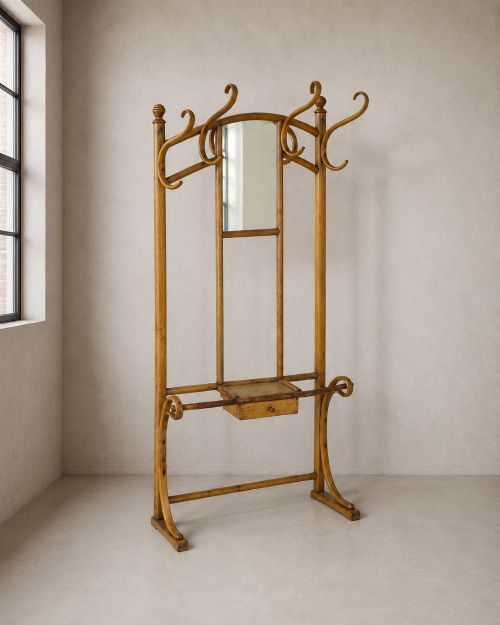
You find variations ranging from simple vertical hat and coat stands to larger hall stands incorporating umbrella rings and mirror elements. Most examples date from around eighteen eighty to nineteen thirty, reflecting the height of bentwood production by makers such as Thonet and Drevounia.
The dominant material across these listings is beech or beechwood, often steam-bent into characteristic circular and arched forms. These pieces serve as functional hallway furniture while displaying the distinct aesthetic of the Art Nouveau era.
What varies in quality
The distinction between standard examples and heavy quality pieces lies in the gauge of the beech timber and the complexity of the steam-bent framework. Robust proportions, sturdy double top sections, and smooth revolving mechanisms elevate the architectural presence of the stand.
Subtleties in finish and the execution of curved joints separate mass-produced items from finer workshop output. Well-preserved surfaces retain their original honey or dark stained lustre, demonstrating careful preservation over decades.
Some Edwardian stands include a clever revolving top, turning the mundane task of coat storage into an entertaining indoor merry-go-round.
Thonet·Drevounia
The Beech Hall Stand Glossary
- Bentwood
- Wood that has been heated with steam and bent into curved shapes. This technique defines the silhouette of nearly every piece listed here.
- Hall tree
- An alternative term for a hall stand that combines hooks for coats and hats with umbrella storage and sometimes a central mirror.
- Demi lune
- A half-moon shape used to describe the footprint of certain wall-standing hall stands. This curved profile allows the furniture to sit flush against an entryway wall.
- Revolving top
- A rotating crown section fitted with multiple bentwood hooks. This feature allows users to access coats and hats from any angle without moving the entire stand.
Beech Hall Stand: Frequently Asked Questions
How do I date a bentwood hall stand?
Dating relies on stylistic clues and construction methods found across Victorian and Edwardian examples. Pieces from around nineteen hundred often feature simpler profiles, while later twentieth-century versions introduce more complex revolving top sections.
Examining the metal brackets, screw types, and manufacturer stamps helps narrow the decade of production. Early pieces from firms like Thonet exhibit specific fastening techniques that distinguish them from later reproductions.
Can these stands hold heavy winter coats?
Bentwood construction distributes weight effectively through its curved wooden framework. Standard designs easily support daily outdoor garments, hats, and scarves.
Heavy quality variations provide additional structural reinforcement and sturdy double top tiers. Distributing weight evenly across the hooks ensures stability for everyday hallway use.
Where should I place a hall stand?
An entryway or spacious hallway provides the ideal setting for a wall-standing or freestanding coat rack. Placing the piece near the main entrance allows visitors to deposit coats and umbrellas immediately upon arrival.
Ensuring adequate clearance around the base prevents obstruction, particularly with models featuring umbrella rings and revolving crowns. Keeping the timber away from direct heat sources preserves the moisture balance in the beechwood.
What is the difference between a coat stand and a hall stand?
A coat stand focuses primarily on vertical storage for hats and coats using an arrangement of curved hooks. These pieces typically feature a slender profile designed to occupy minimal floor space.
A hall stand often incorporates additional elements such as umbrella wells, drip trays, and stick racks. Many Edwardian and Victorian versions also integrate mirror panels and lower storage compartments.