
Bedroom Storage Chest Drawers
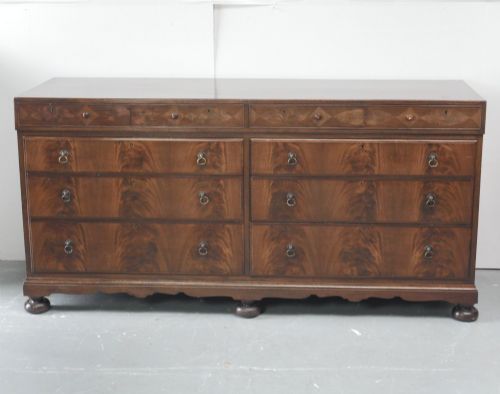
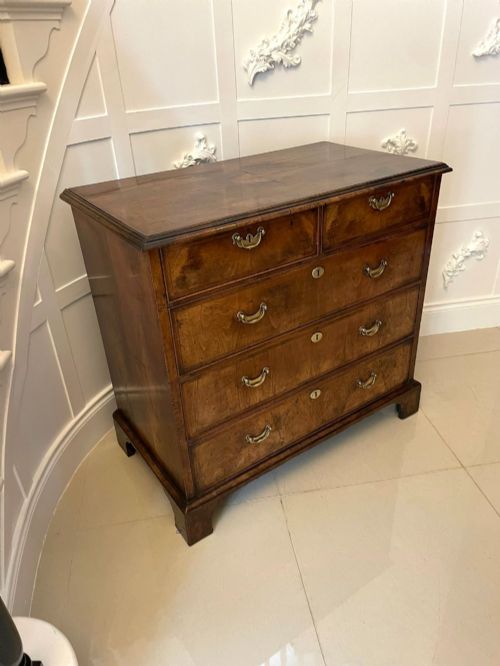
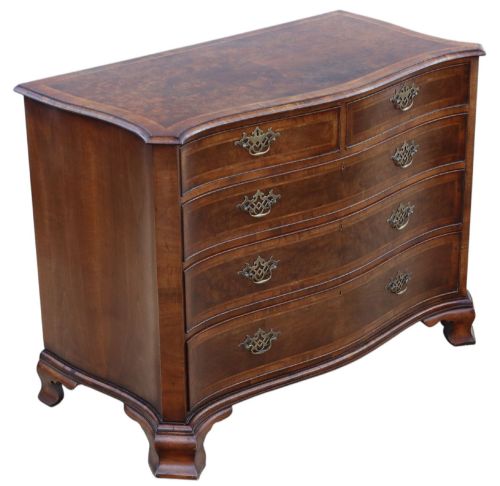
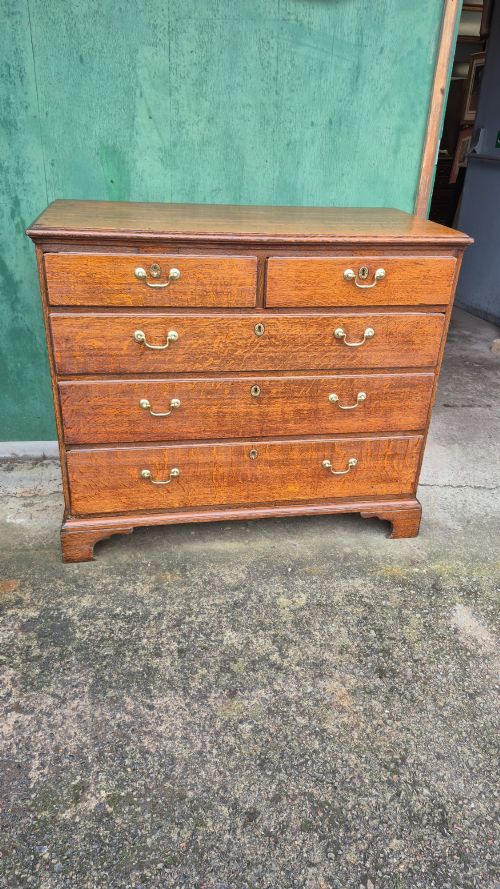
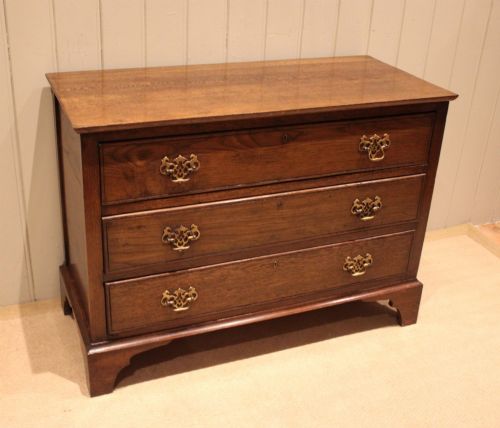
These bedroom storage chest drawers span centuries of cabinet making, offering robust timber construction and generous proportions to organise clothes.
Bedroom Storage Chest Drawers
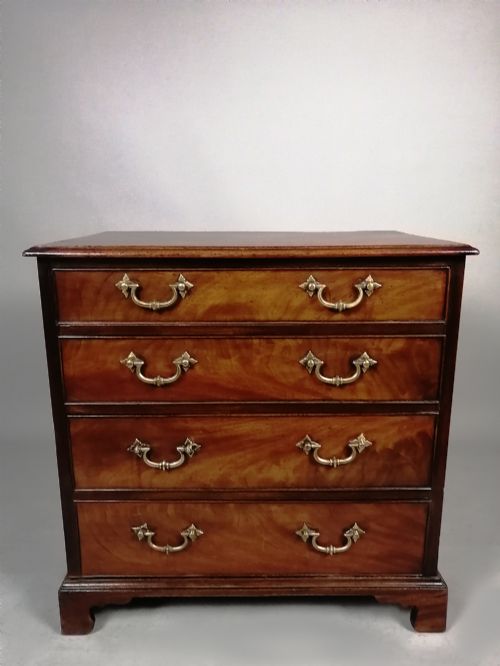
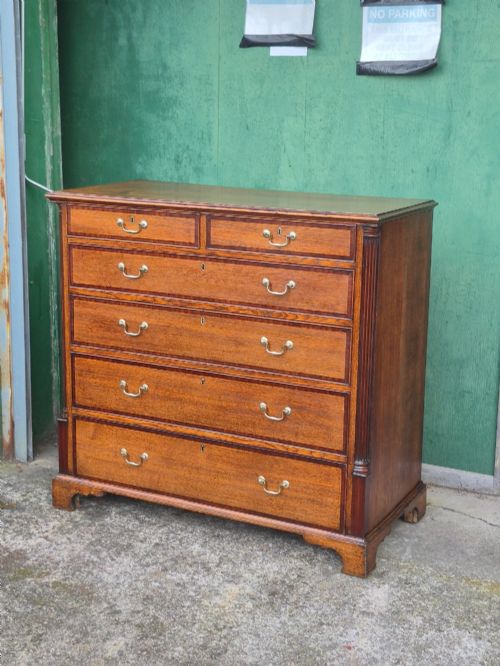
A bedroom storage chest drawers search leads to practical domestic furniture spanning the Georgian, Victorian and Edwardian eras. Pieces range from straightforward pine and oak utility items to formal mahogany and burr walnut case furniture designed for the best chambers.
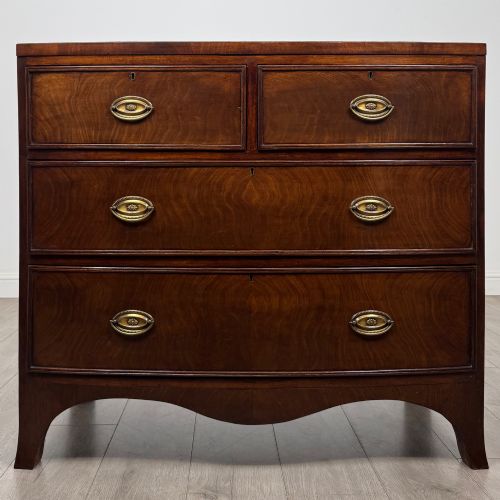
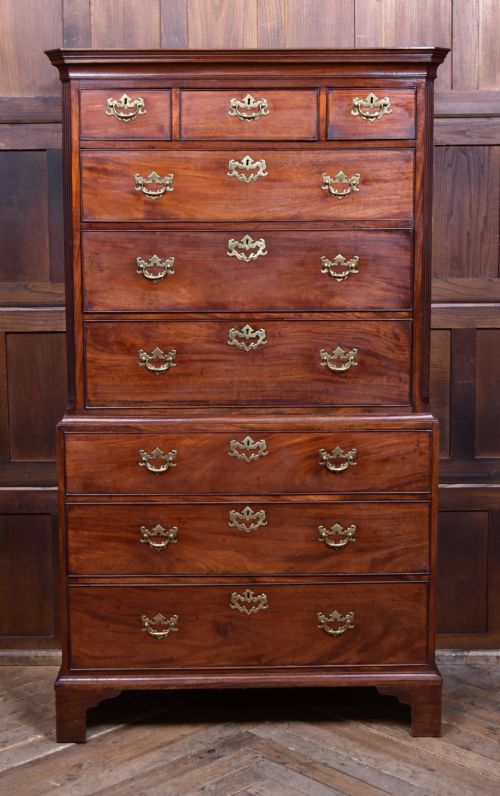
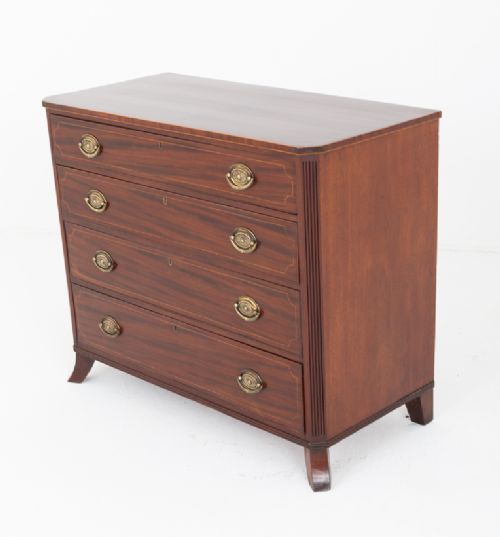
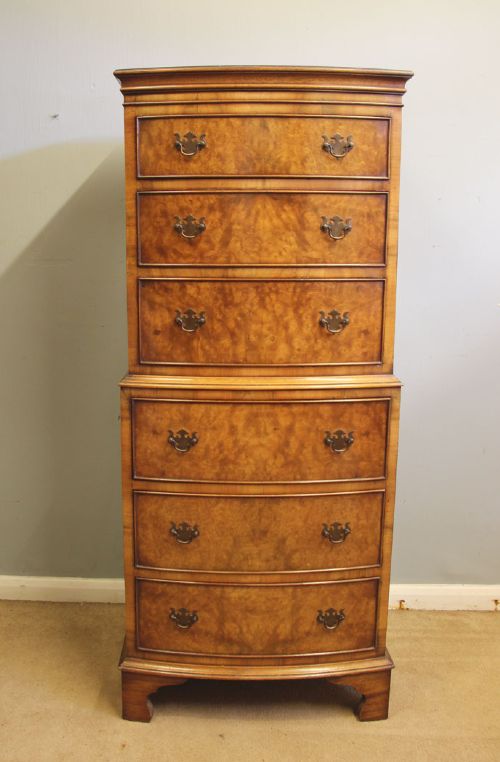
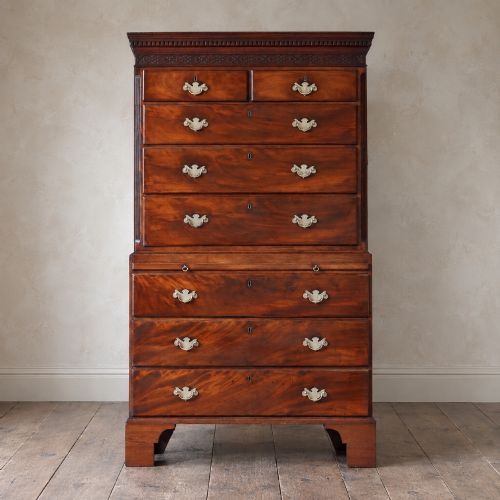
The standard form comprises stacked drawers, though variations include tallboys, chests on chests, linen presses and bow front configurations. Georgian and Regency iterations frequently employ mahogany or oak, whilst later decades introduce stencilled pine and Art Deco designs.
Materials and construction
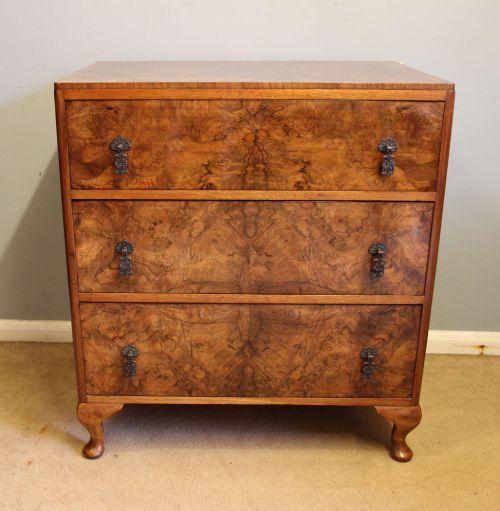
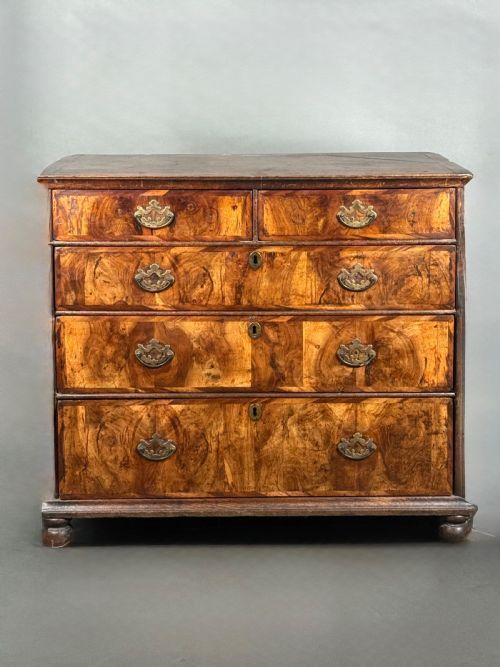
Cabinet makers utilised native and imported timbers, pairing solid oak, pine and Cuban mahogany with decorative veneers such as burr walnut, flame mahogany and satinwood. Drawer construction relies on hand cut dovetails, while carcases often incorporate brass hardware and escutcheons.
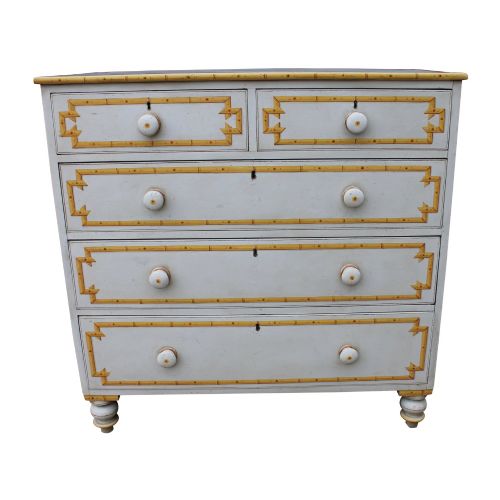
Surface finishes include polish and wax applied over crossbanding, stringing and hand painted or faux bamboo decoration. Secondary woods inside drawers typically consist of oak or pine depending on the workshop origin and period.
A delightfully bamboozling 19th century faux bamboo chest proves that Victorian cabinet makers possessed a playful streak.
Judging execution
Quality rests upon the selection of timber figure, the precision of veneer matching across drawer fronts, and the integrity of the underlying carcase construction. Pieces featuring figured walnut or Cuban mahogany with consistent grain patterns stand apart from utilitarian pine examples.
Refinement shows in details such as dust boards between drawers, well fitted original brass handles, and crisp mouldings. The handling of secondary timbers and the tightness of dovetail joints dictate the longevity and structural stability of each chest.
Whytock & Reid·T & G Seddon
The Bedroom Storage Chest Drawers Glossary
- Bow front
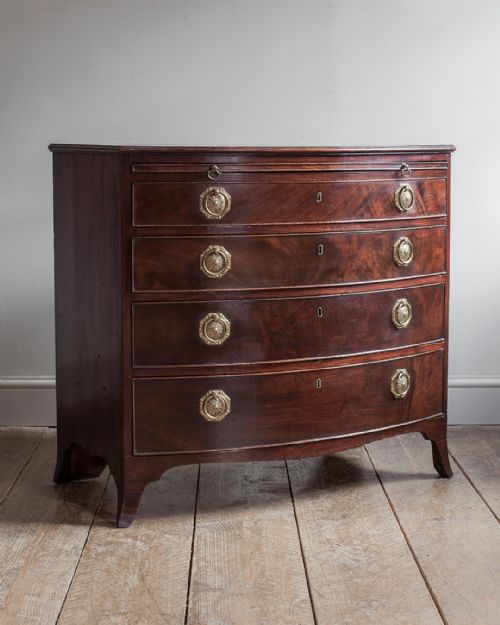
- A convex curved front profile popular on Georgian and Regency chests of drawers. This shape softens the room and provides extra depth in the centre.
- Chest on chest
- A tall case piece comprising a smaller chest stacked directly on top of a larger base chest. Also known as a tallboy.
- Brushing slide
- A pull out wooden shelf fitted above the top drawer used for folding clothes or writing. It slides flush into the carcase when not in use.
- Crossbanding
- A narrow strip of veneer laid around the border of a drawer front so the grain runs perpendicular to the main panel. This frames the timber figure.
- Satinwood
- A pale, dense exotic wood used for banding and stringing inlay on high status mahogany furniture. It gives a bright contrast against darker timbers.
Bedroom Storage Chest Drawers: Frequently Asked Questions
How do I date a chest of drawers?
Dating relies on timber choice, handle design, drawer construction methods and overall architectural style. Earlier pieces from the eighteenth century typically feature hand cut dovetails and solid mahogany or walnut construction.
Later Victorian and Edwardian examples introduce machine sawn elements, stencilled pine, or different secondary woods. Comparing moulding profiles and feet styles helps pinpoint the era of manufacture.
What is the difference between a chest and a tallboy?
A standard chest of drawers sits lower to the floor with three to five drawers arranged vertically or in a bow front shape. A tallboy, or chest on chest, stacks a narrower upper section onto a wider lower section.
Tallboys were developed to maximise vertical storage space in bedrooms without increasing the floor footprint. They often incorporate upper brushing slides and decorative cornices.
Are these chests suitable for modern bedrooms?
These pieces provide deep and sturdy drawer capacity that matches or exceeds modern furniture standards. Their varied dimensions allow them to fit into both spacious period rooms and compact contemporary layouts.
Maintenance involves regular waxing and avoiding placement against damp walls or direct heat sources. The solid timber construction ensures they handle daily use reliably.