
Bedroom Storage Armoire
A bedroom storage armoire provides substantial hanging space and internal drawers, bringing character and order to a room.
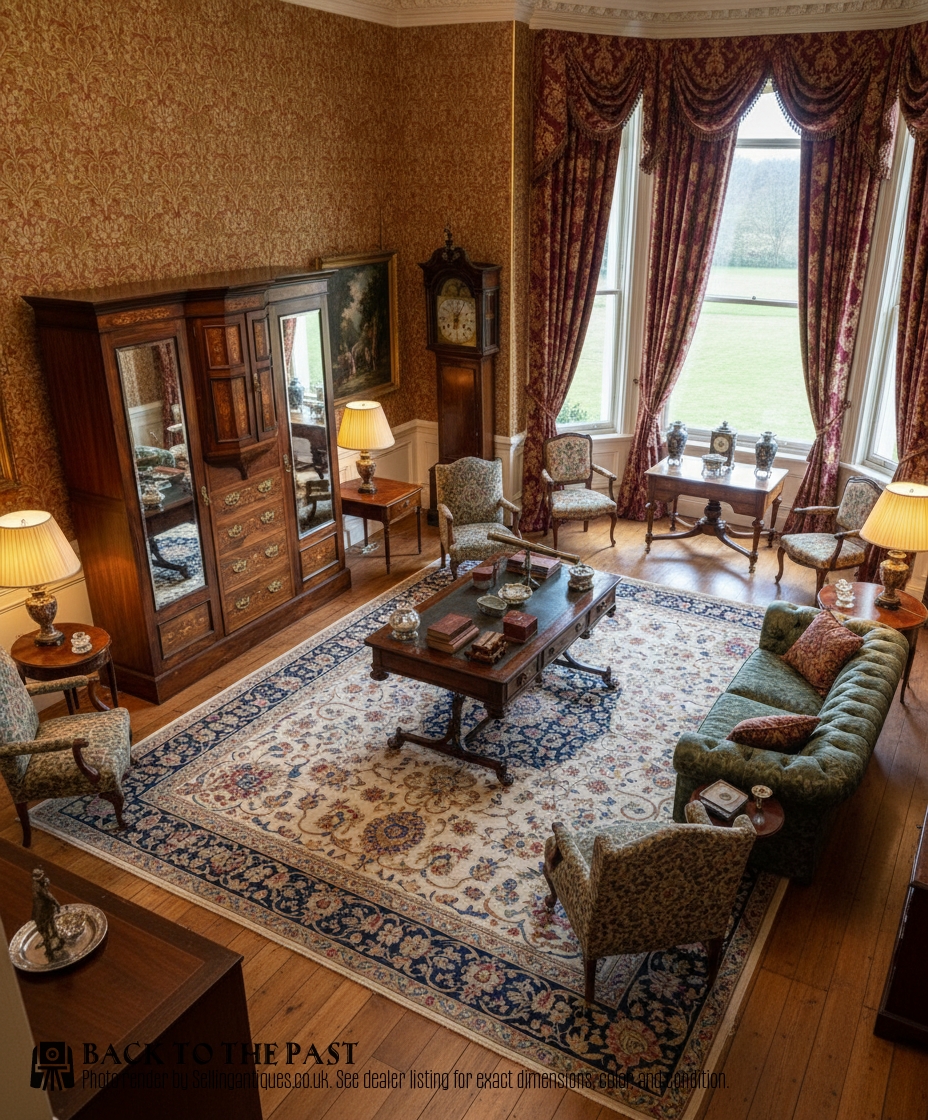
Bedroom Storage Armoire
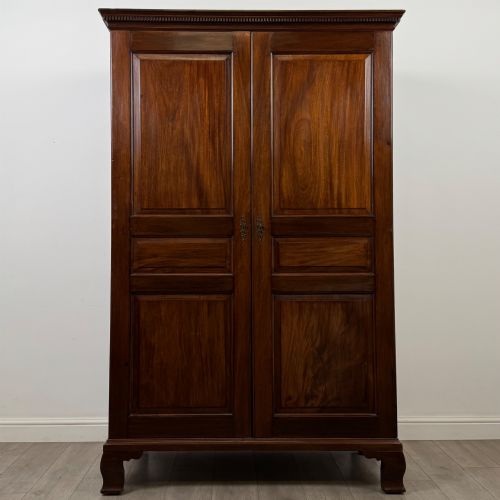
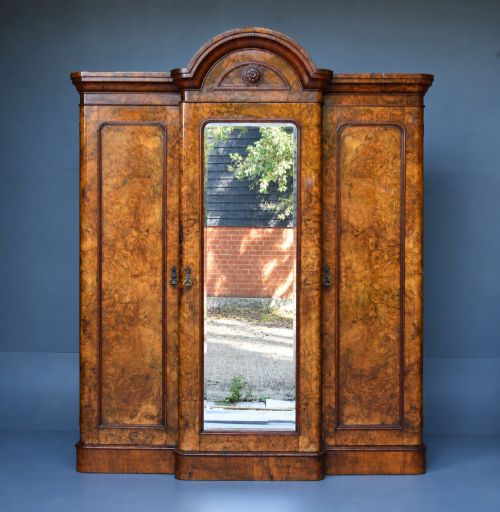
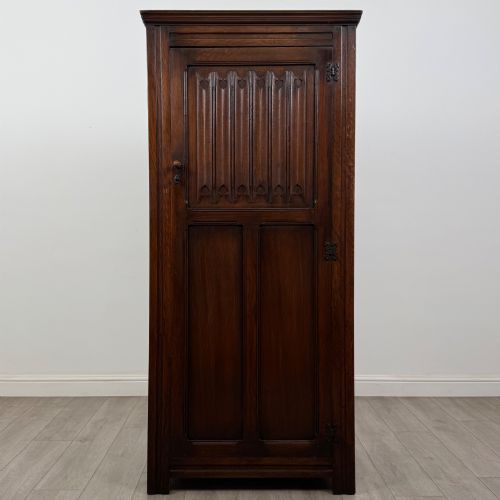
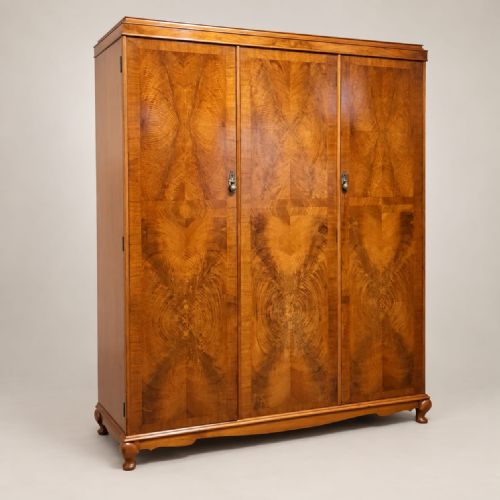
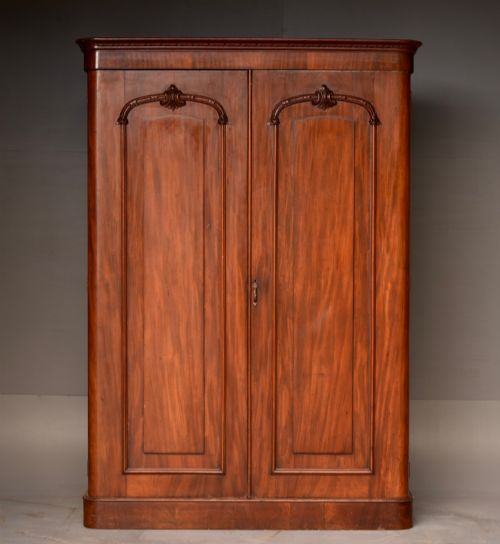
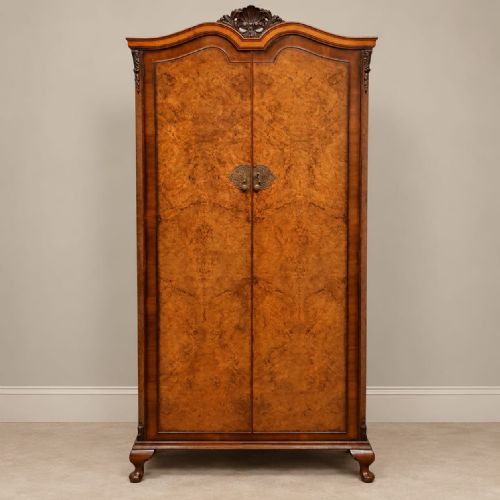
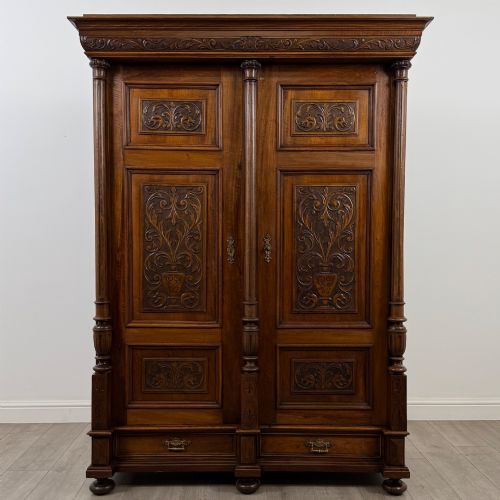
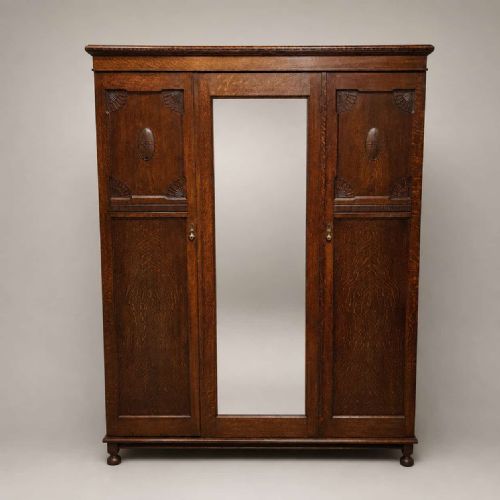
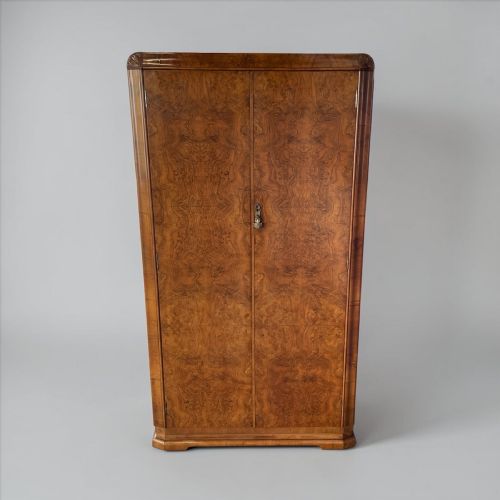
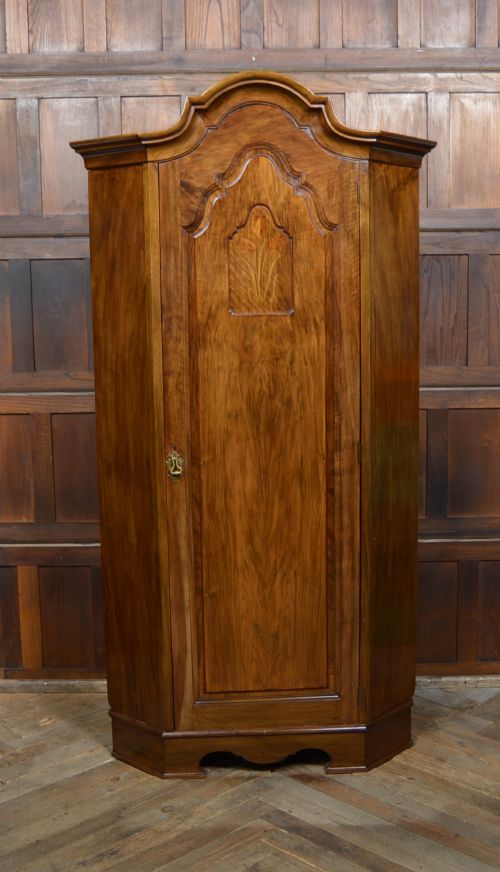
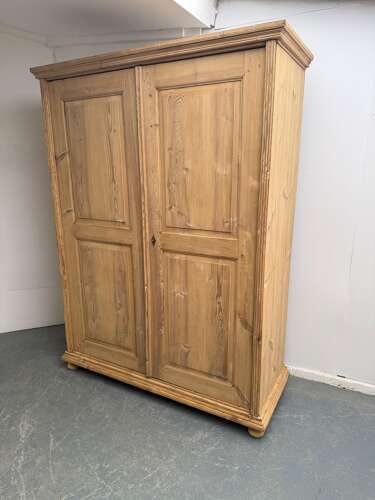
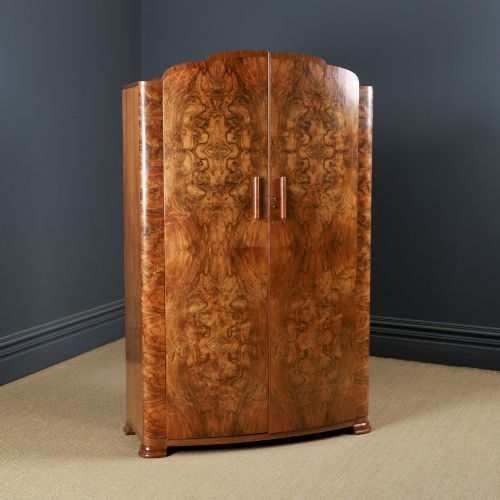
A bedroom storage armoire encompasses large freestanding timber cupboards designed for garments and linen, spanning Georgian elegance through to Art Deco geometry. The examples met most frequently on this page belong to the Victorian and Edwardian eras, alongside pieces from the nineteen twenties and nineteen thirties.
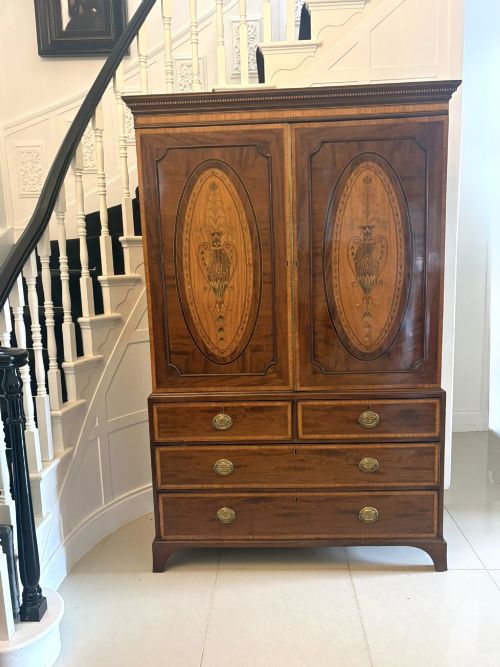
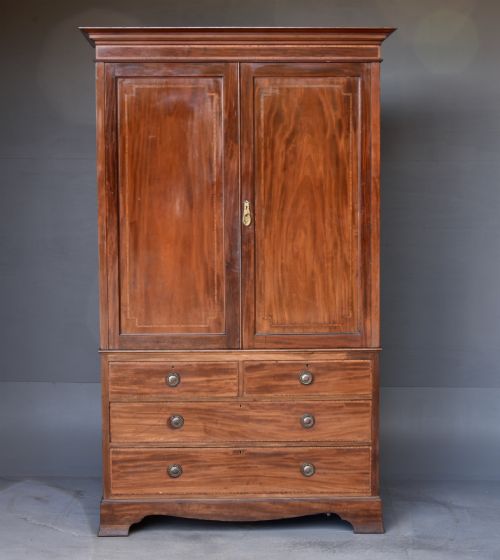
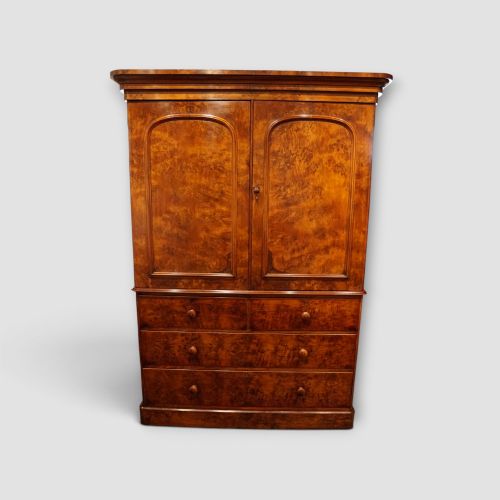
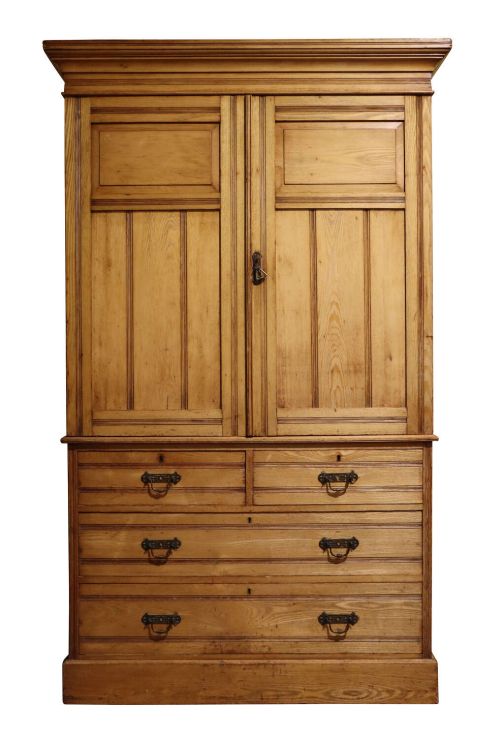
Makers configured these items as double or triple wardrobes, linen presses with sliding trays, compactums and gentlemen's cabinets. Timber choices shape their presence, moving from dense mahogany and figured burr walnut to practical pine and warm oak.
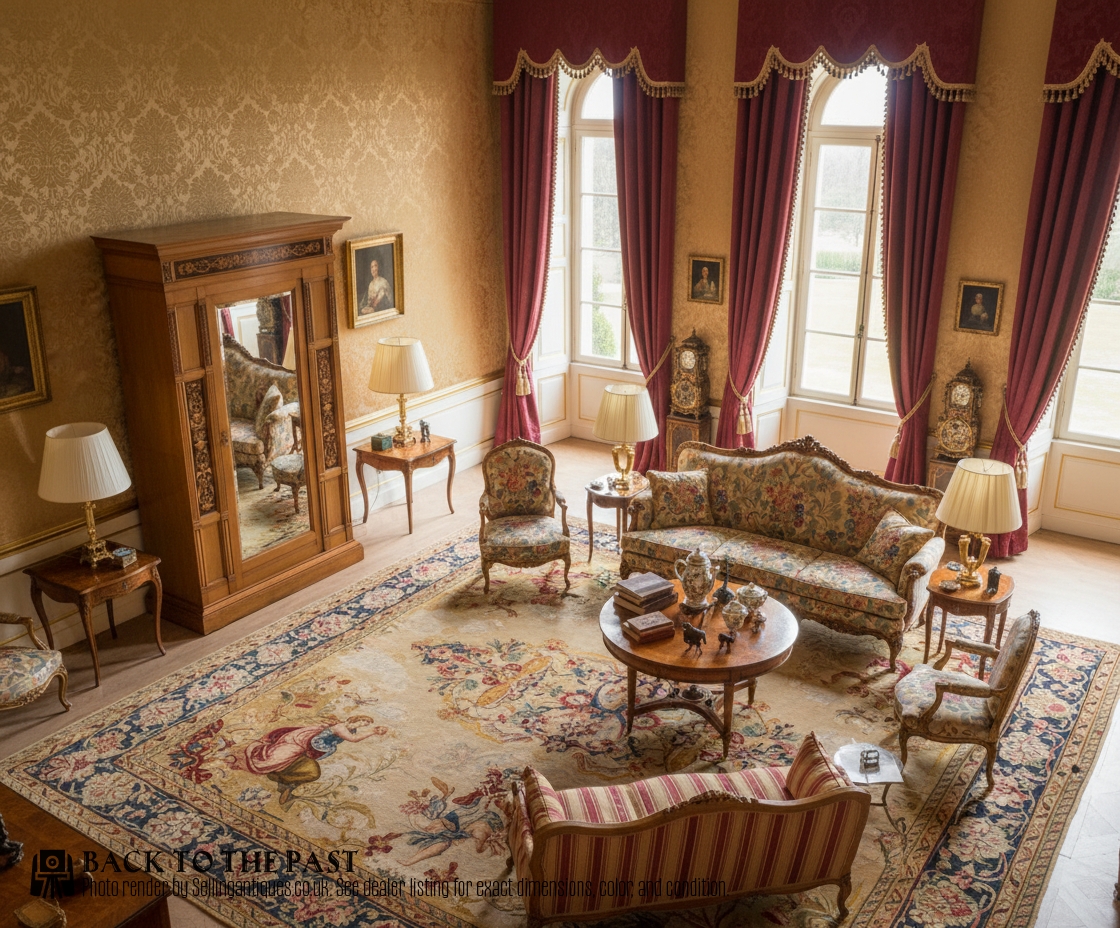
Materials and construction
Cabinetmakers constructed these pieces primarily in solid mahogany, oak, walnut and pine, frequently applying decorative veneers such as burr walnut and flame mahogany to door panels and drawer fronts. Satinwood and brass provided inlay and hardware details.
Traditional joinery methods governed the assembly, utilising panelled doors, dovetailed internal drawers and cornices featuring blind fretwork or simple moulded profiles. Many large carcases incorporated knockdown construction to facilitate movement between rooms.
Listings feature mahogany, walnut, burr walnut, oak, pine, satinwood and ash alongside brass hardware and glass.
Judging execution
Quality rests upon the selection of timber figures and the precision of the cabinetmaker's joins. Grain matching across multiple doors and the crispness of inlaid satinwood distinguish finer examples from standard production items.
Internal organisation also differentiates the tier of manufacture, separating simple hanging compartments from fitted interiors featuring sliding linen trays, compartmented drawers and original brass hanging hooks.
maples & co·Druce & Co.
The Bedroom Storage Armoire Glossary
- Linen Press
- A dual-purpose piece featuring hanging space or sliding trays enclosed by upper doors, sitting above a chest of base drawers. These items traditionally stored folded textiles before modern wardrobes became common.
- Compactum
- A multi-functional wardrobe combining hanging space, linen drawers and shelving within a single unified carcase. This configuration maximises storage efficiency in smaller bedroom footprints.
- Blind Fretwork
- Carved ornamental patterning applied to cornices or friezes without cutting entirely through the timber. It provides subtle surface texture on Georgian and revival pieces.
- Burr Walnut
- Timber taken from walnut tree growths, producing swirling, highly decorative grain patterns. Cabinetmakers sliced this wood into veneers for high-status furniture doors.
- Knockdown Construction
- A carcass designed to dismantle into separate panels and posts using internal bolts or pegs. This method allowed large wardrobes to be transported up stairwells and assembled on site.
Bedroom Storage Armoire: Frequently Asked Questions
How do I fit modern clothes inside?
Many older wardrobes feature shallow hanging depths designed for past fashions. Modern slimline hangers or repositioned rails allow contemporary garments to fit comfortably.
Alternatively, pieces configured with internal trays or shelves serve well for folded knitwear and accessories.
Can these wardrobes be dismantled?
Pine examples frequently utilise knockdown construction with pegged or bolted corners. This allows the heavy carcase to move easily between rooms.
Mahogany and walnut editions often remain rigid as single units due to glued primary joints.
What is a linen press?
A linen press combines upper cupboard doors enclosing sliding wooden trays with a chest of drawers below. They originated for storing household textiles flat.
Over time, many of these presses had their internal trays removed to accommodate hanging clothes.
How do I identify a Georgian piece?
Georgian furniture relies on solid mahogany timbers, architectural cornices and understated proportions. Drawer linings typically consist of oak or pine with hand-cut dovetails.
Revival editions from later decades often display heavier mouldings and machine-cut elements.