

Bedroom Slipper Chair
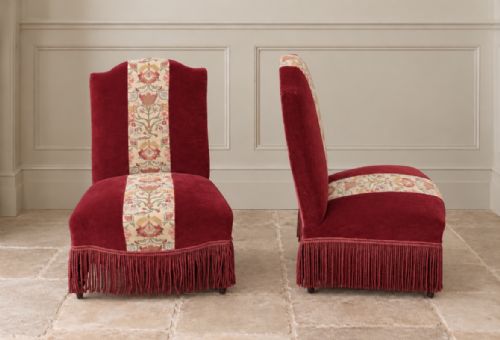
A bedroom slipper chair is a low-slung seat designed for comfort and ease of dressing, appearing here mostly in Victorian and Edwardian forms.
Bedroom Slipper Chair
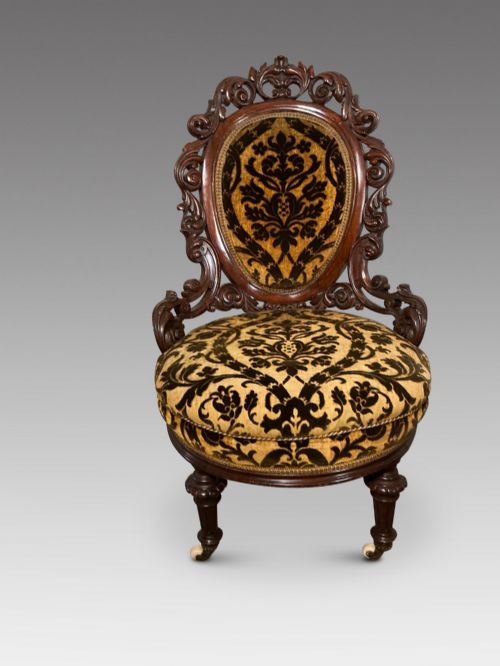
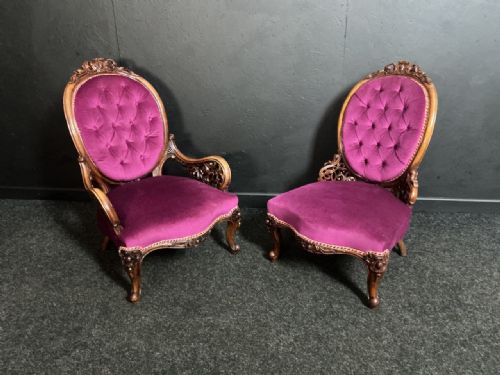
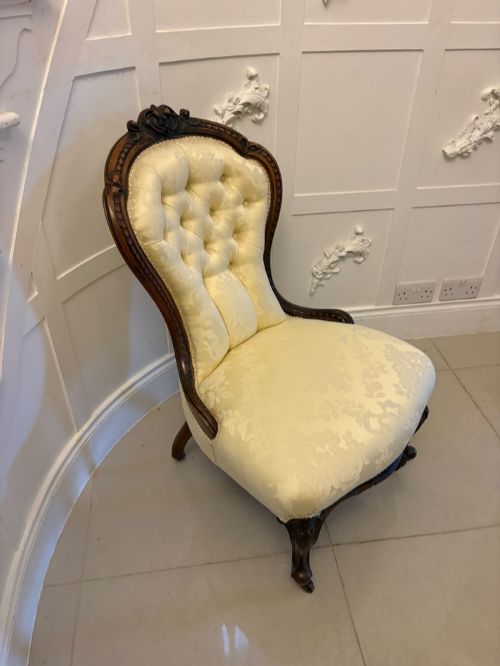
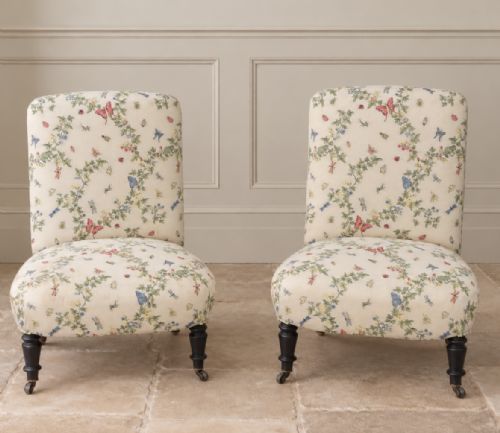
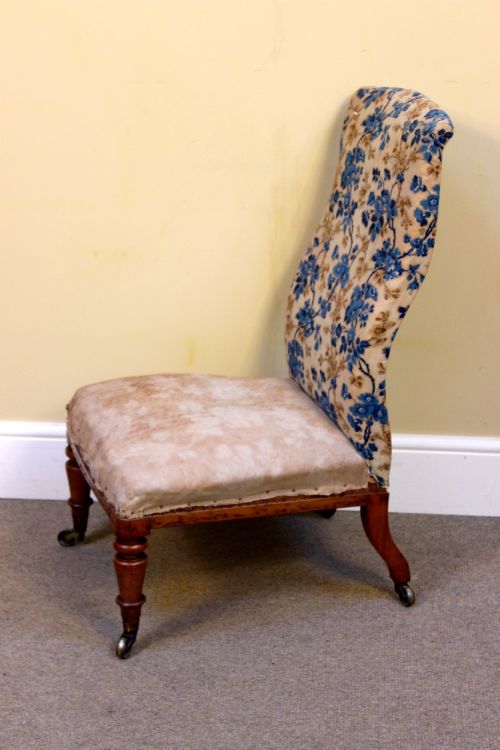
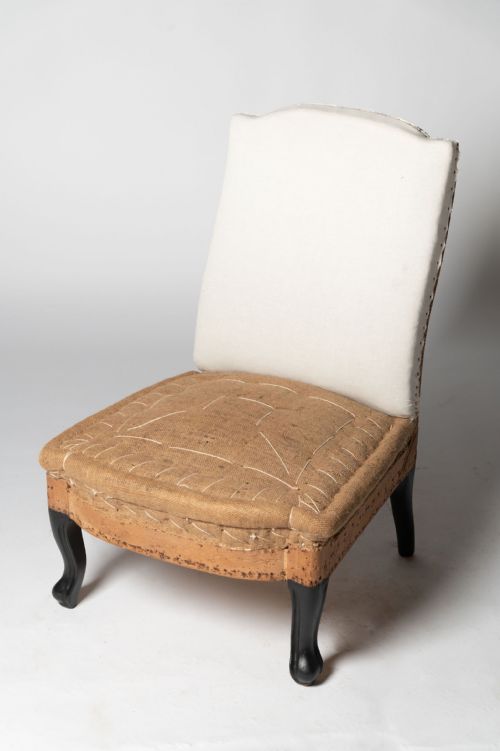
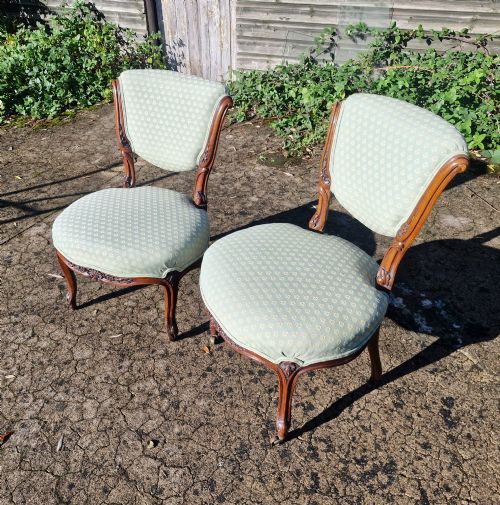
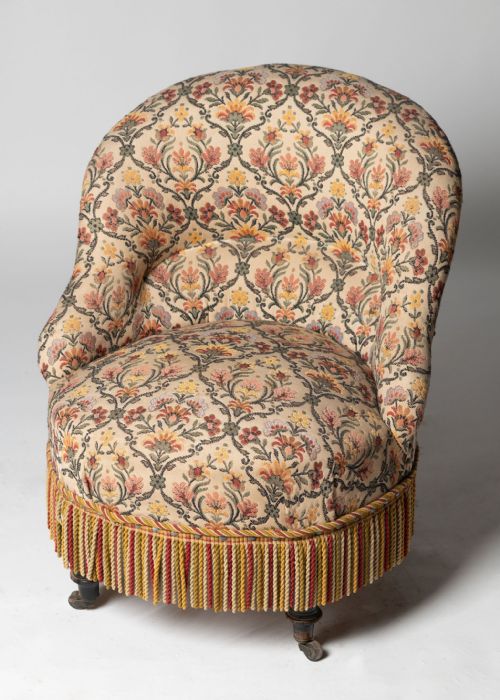
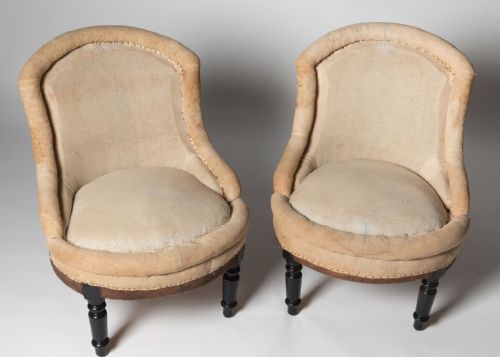
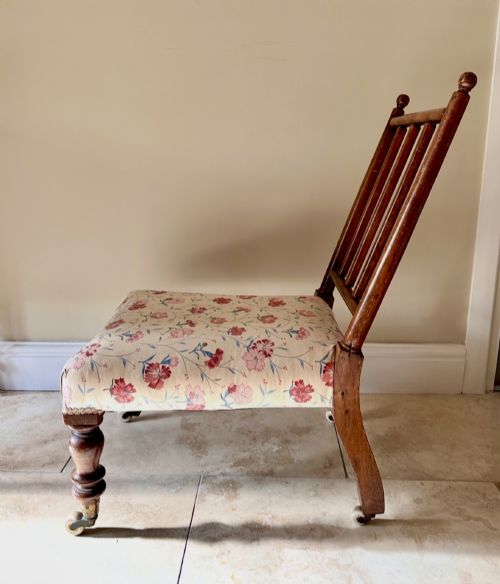
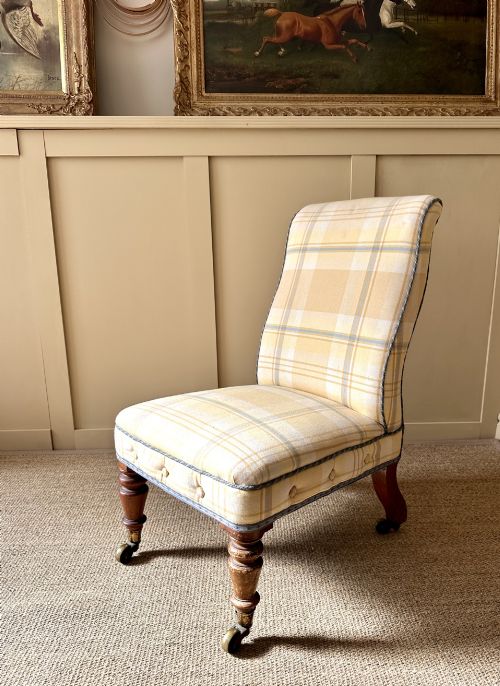
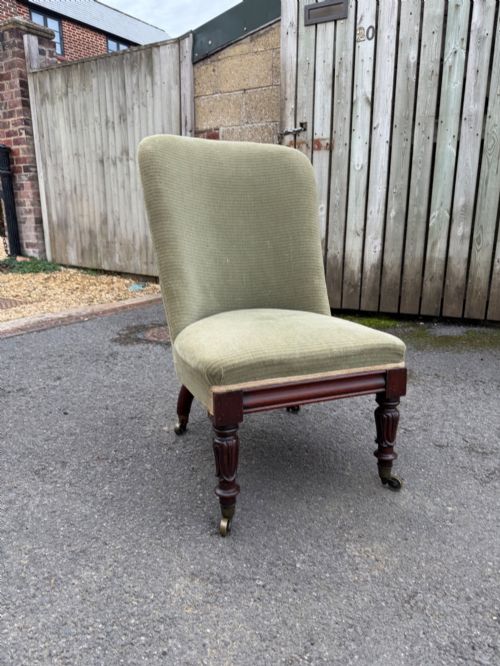
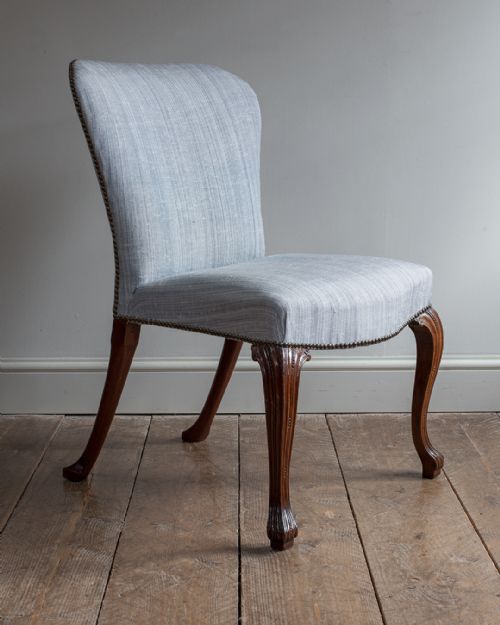
A bedroom slipper chair sits low to the ground to allow someone to put on shoes or stockings without obstruction, taking the form of armchairs, nursing chairs, and side chairs. The pieces found here span the nineteenth century, including Georgian precursors, Victorian iterations in walnut and mahogany, and Edwardian examples.
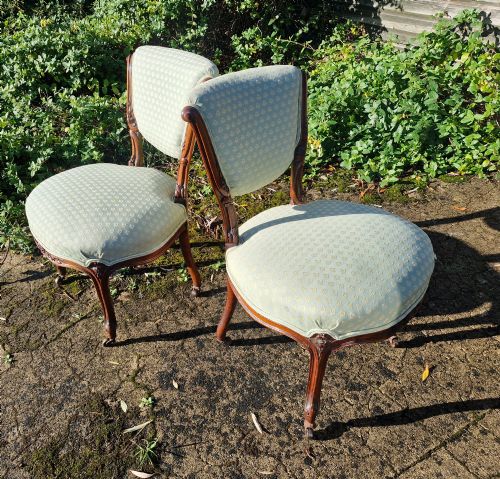
Victorian walnut and mahogany versions dominate the selection, often featuring upholstered backs, low seats, and turned or cabriole legs. Alongside dedicated slipper chairs, buyers encounter related low seating types such as nursing chairs, salon chairs, and occasional chairs from similar eras.
Materials and construction methods
Frames rely principally on hardwoods like mahogany, walnut, rosewood, and ebonised wood, occasionally incorporating birds eye maple, brass, and iron supports. Carved details, mother of pearl inlay, and gilded finishes appear across various styles from French Rococo Revival to the Aesthetic Movement.
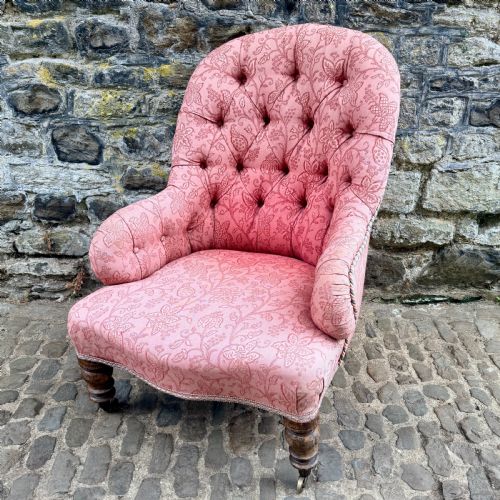
Upholstery defines the character of these seats, utilising fabrics such as velvet, tapestry, leather, and patterned textiles like Robert Kime Avebury fabric. Button-backed cushioning and fringing frequently complete the traditional padding.
Bedroom Slipper Chair Retail Price Guide 2026
Typical asking prices for bedroom slipper chair among the pieces listed under this phrase on Sellingantiques today, from the lower quarter to the upper quarter. They describe what is for sale here now, not the wider market.
Early inhabitants needed low seats so their heavy petticoats would not drag on the floorboards while fastening delicate slipper buckles.
Factors determining quality
The integrity of the hardwood frame dictates the structural merit, with dense timbers like walnut and rosewood holding up better than softer alternatives. Crispness in hand-carved woodwork and the subtlety of turned legs separate standard workshop output from finer cabinet-making.
Original upholstery methods and the quality of secondary materials such as brass castors or mother of pearl inlay influence overall execution. Pieces retaining intact period fabric or sound internal webbing demonstrate superior preservation.
Charles Hindley And Sons·Howard And Sons·Gillows
The Bedroom Slipper Chair Glossary
- Cabriole leg
- A furniture leg that curves outward and then tapers inward, mimicking an animal's leg. This form is common in French and Victorian revival pieces.
- Ebonised wood
- Timber stained or treated to resemble ebony, popular in Aesthetic Movement and nineteenth-century design for a dark finish. It provides a striking contrast against bright upholstery fabrics.
- Nursing chair
- A low-seated chair historically designed to assist with infant feeding, closely related in form to the slipper chair. These seats often feature padded backs and short legs.
- Button back
- An upholstery technique where depressions are created in the padding by stitching buttons deep into the fabric. This method secures the filling and adds texture to the chair back.
Bedroom Slipper Chair: Frequently Asked Questions
What is a bedroom slipper chair?
A bedroom slipper chair is a low-slung seat traditionally kept in a dressing room or bedroom to make putting on footwear easier. Their compact dimensions and lack of high arms allowed full freedom of movement while dressing.
These pieces emerged strongly during the Victorian period, often built as nursing chairs or low salon seats. Today, they function well as decorative accent chairs in modern living spaces.
How do I date a Victorian chair?
Dating a Victorian chair involves examining the timber, construction methods, and stylistic influences present in the frame. Walnut and rosewood were favoured in the mid-nineteenth century, while ebonised finishes often point towards the later Aesthetic Movement.
Hardware such as brass castors and the style of hand-carving provide further clues to the decade of manufacture. Comparing the turning on the legs with dated examples helps narrow down the period.
Are these chairs comfortable for daily use?
Many nineteenth-century slipper chairs offer surprising comfort due to their sprung seats and padded backrests. Their low posture suits lounging, though the upright Victorian stance differs from modern low-slung armchairs.
Buyers intending to use them daily often have the internal webbing and padding restored while retaining the antique wooden frame. Fabric choices can be tailored to match contemporary interiors.
What is the difference between a nursing chair and a slipper chair?
Nursing chairs and slipper chairs share a low profile, but nursing chairs traditionally accommodated the wide skirts and crinolines worn by women in the nineteenth century. Slipper chairs focused specifically on the lower height needed for dressing feet.
In practice, makers and sellers often used the terms interchangeably for low-seated Victorian bedroom furniture. Both types were designed to sit comfortably away from main dining tables.