




Bedroom End of Bed Bench
A bedroom end of bed bench provides a practical seat at the base of sleeping quarters, drawing on centuries of craftsmanship in mahogany, walnut and upholstery.
Bedroom End of Bed Bench
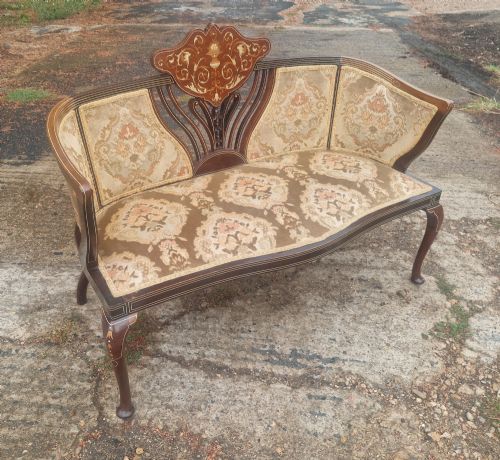
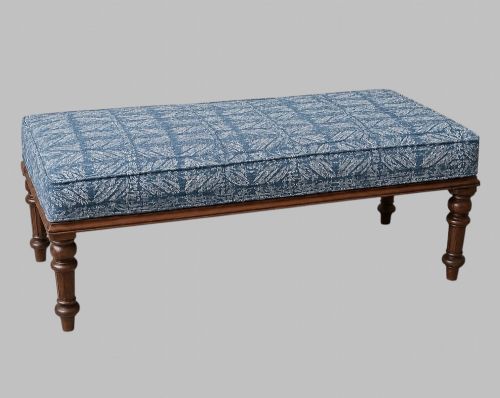
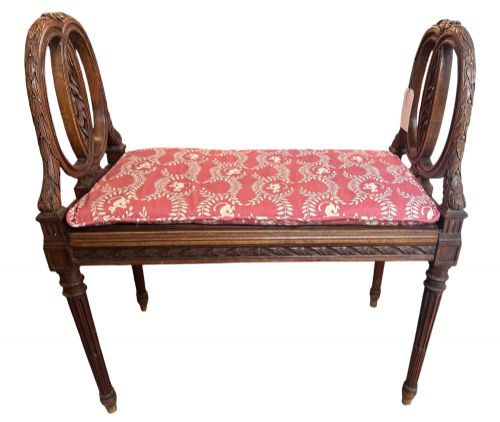
A bedroom end of bed bench appears in various forms across multiple periods, ranging from Edwardian inlaid sofas and late Victorian window seats to walnut hall benches and long dressing stools. Buyers searching for a bedroom end of bed bench will encounter pieces originating from the nineteenth century through to the early twentieth century, including French and English designs.
The selection includes specific seating types such as ottomans, duet piano stools, and open-framed window seats, often utilising durable woods like mahogany, walnut, and satinwood. These seating options serve functional purposes at the foot of a bed, combining practical utility with traditional cabinet-making styles.
Materials and construction methods
Pieces in this category rely heavily on solid hardwoods like mahogany and walnut, frequently accented with satinwood inlay, bone details, or carved ball and claw elements. Upholstery techniques employ fabrics such as linen, velvet, and various patterned textiles.
Construction methods range from French carved frames and painted finishes to deep buttoning and traditional joinery. Brass fittings and fluted legs appear alongside open-framed structural designs to ensure stability and aesthetic appeal.
Listings feature Edwardian, Victorian, and early twentieth-century periods, utilising mahogany, walnut, velvet, and linen materials.
Distinctions in construction and material standard
The standard of a piece depends on the depth of hand-carving, the precision of wood inlay, and the integrity of the underlying timber frame. Finer examples display superior joinery in woods like solid mahogany or walnut rather than secondary veneers.
Upholstery execution also dictates overall character, where professional re-covering using specialist textiles enhances the longevity and visual balance of the frame.
Gillows of Lancaster
The Bedroom End of Bed Bench Glossary
- Cabriole leg
- A furniture leg that curves outward and tapers downward to a foot, typical of period seating. This design originates from classical motifs and appears frequently on window seats.
- Ottoman
- A low, upholstered seat or footstool without a back or arms, often used for storage or at the foot of a bed. These items feature deep buttoning or plain fabric covers.
- Satinwood
- A durable, yellowish wood used for fine furniture inlay and decorative banding. It provides a bright contrast against darker timbers like mahogany and walnut.
- Window seat
- A long, narrow bench designed to fit into a window recess or serve as bedroom seating. They often incorporate open frames, carved wooden rails, and upholstered pads.
- Duet stool
- A wider seat designed to accommodate two people, commonly associated with piano or music use but utilised elsewhere in the home. They feature solid wood frames and padded tops.
Bedroom End of Bed Bench: Frequently Asked Questions
Where should I place a bedroom end of bed bench?
These benches sit naturally at the foot of a bed, providing a convenient surface for resting clothes or sitting while dressing. They fit equally well against a bedroom wall or beneath a window.
Positioning the bench depends on the length of the room and the clearance needed to move around the bed frame comfortably.
How do I identify a Victorian bench?
Victorian pieces often display heavier timber construction, darker walnut or mahogany frames, and sometimes deep button upholstery. Details like carved scrollwork and robust proportions help distinguish them from lighter Edwardian items.
Examining the underside of the wood and the joinery methods will confirm nineteenth-century manufacturing techniques.
Can I use a piano stool as a bed bench?
Duet piano stools share similar dimensions with small bedroom benches and fit neatly at the base of a bed. Their sturdy construction and padded tops make them practical for everyday seating.
Ensure the length of the stool matches the width of your mattress for a balanced arrangement.