
Bedroom Dressing Table Mirror
These bedroom dressing table mirror pieces range from compact toilet glasses to substantial swivel plates mounted on pedestals, offering practical elegance for the dressing room.
Bedroom Dressing Table Mirror
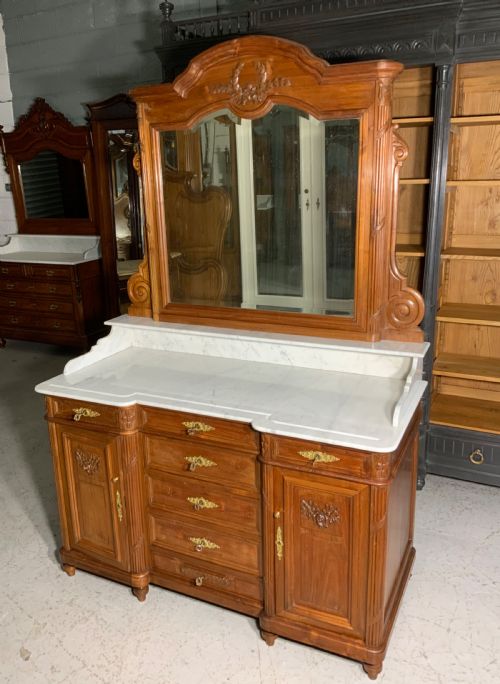
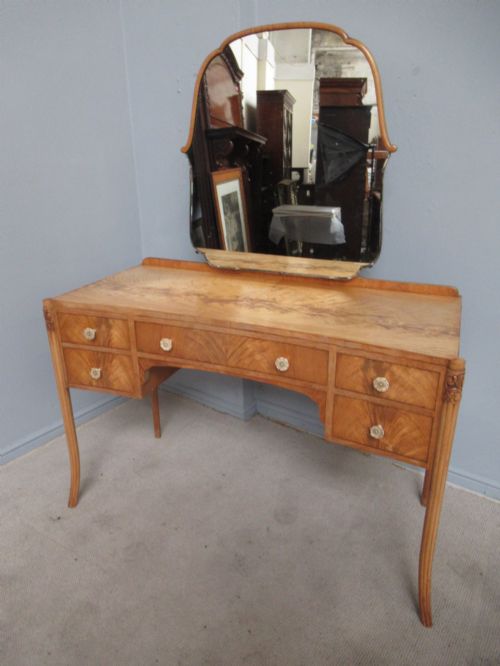
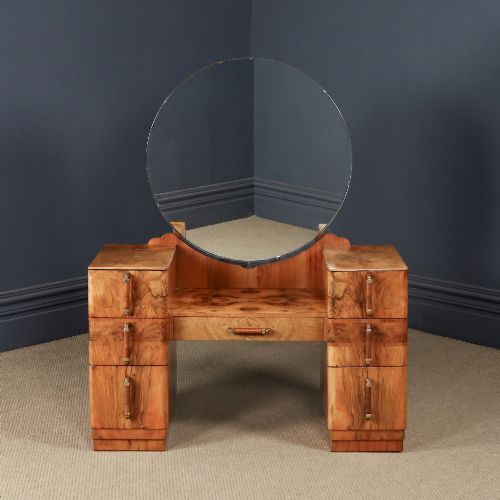
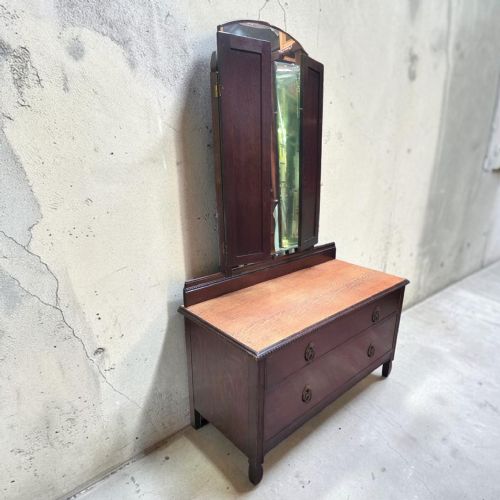
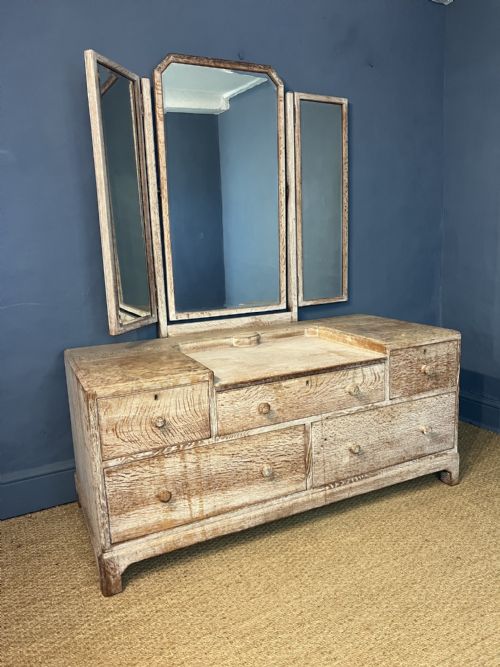
A bedroom dressing table mirror serves as both a functional grooming glass and a decorative centrepiece for dressing tables, chests, and washstands. The pieces on this page span the Georgian, Victorian, Edwardian, and Art Deco eras, reflecting shifting domestic habits.
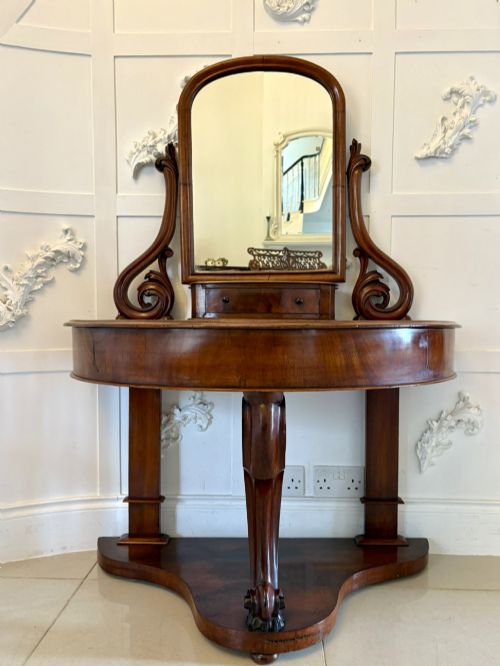
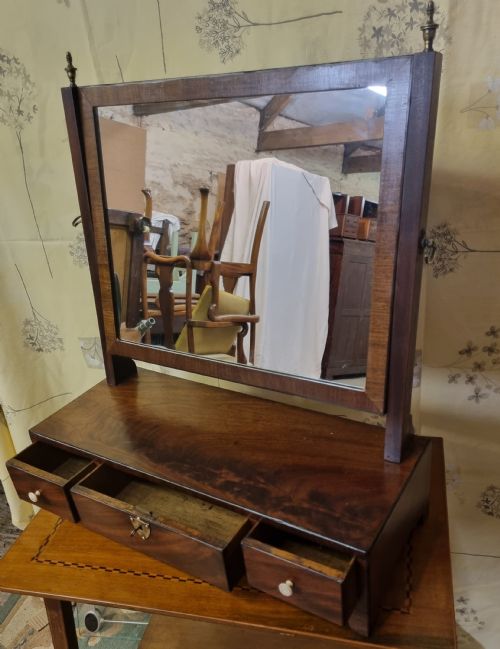
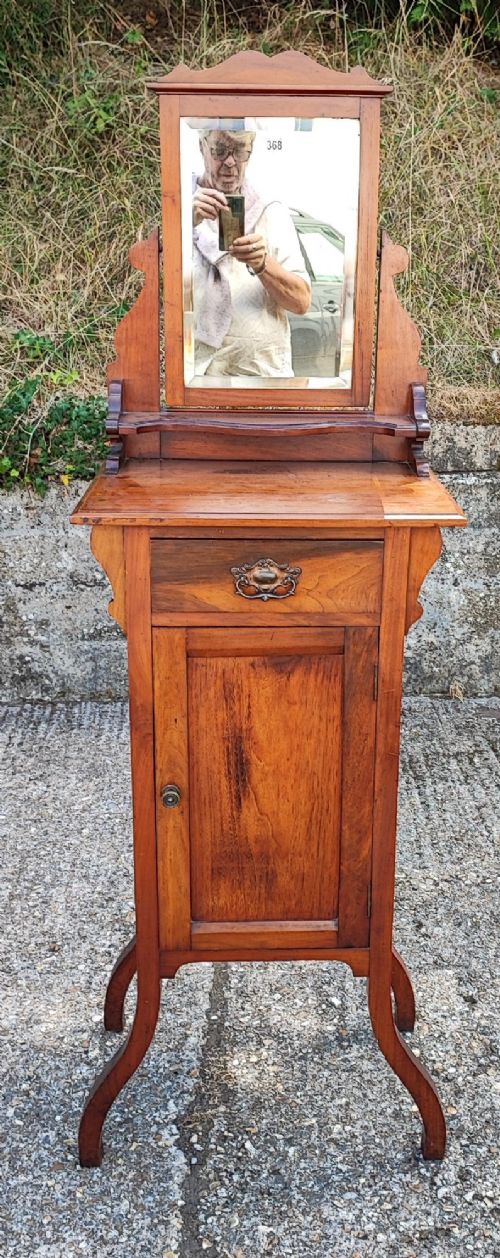
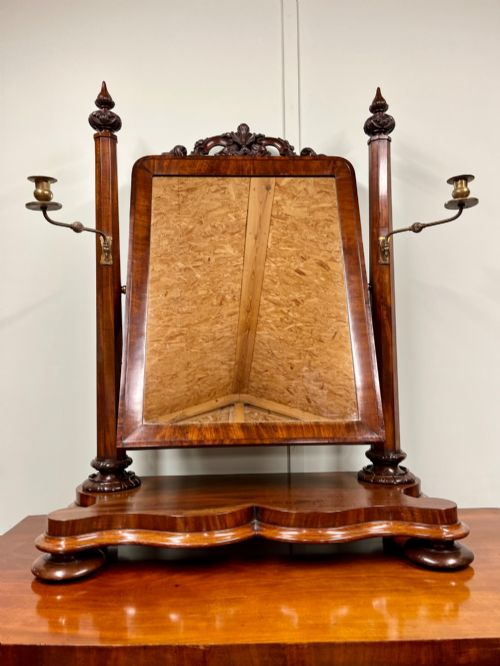
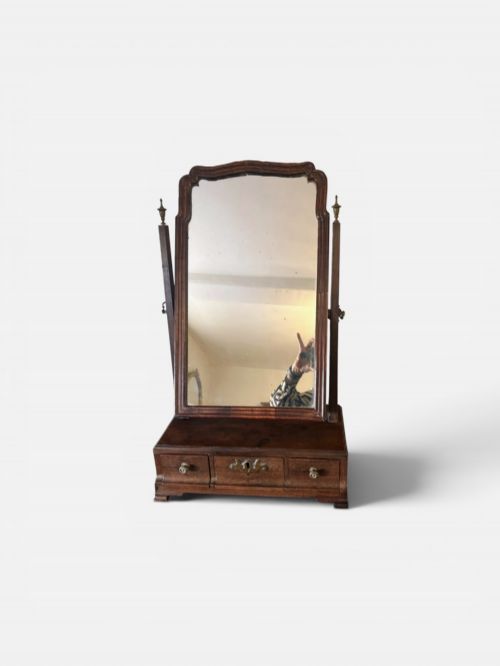
Smaller examples include portable toilet mirrors resting on small drawer bases, designed to sit atop existing furniture. Larger iterations emerge as standing or pedestal dressing tables with fixed or swivelling mirror plates attached directly to the timber framework.
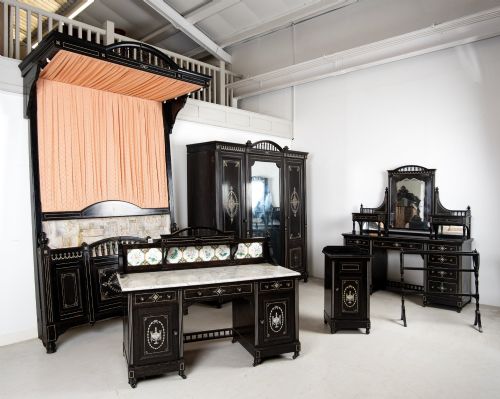
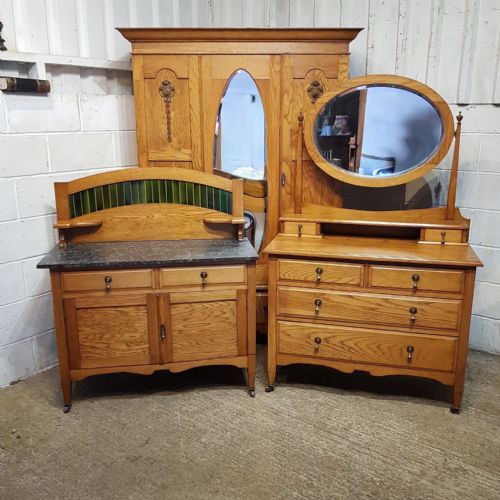
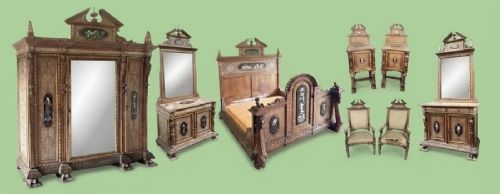
Surviving examples appear in woods like mahogany, walnut, oak, and maple, sometimes accompanied by decorative ebonising, painted finishes, or chinoiserie details. Many originate as part of larger bedroom suites or dressing chests produced by prominent cabinet makers.
How they were made
Cabinet makers constructed these frames using solid timbers and decorative veneers such as burr walnut, mahogany, and maple applied to secondary woods. Joinery relies on traditional dovetail construction for drawers and secure tenon joints for mirror uprights and support arms.
Mirror glass of earlier centuries was silvered with mercury or tin amalgams, while later Victorian and Edwardian pieces utilise modern chemical silvering processes. Brass pivot screws, hinges, and candle sconces provide the hardware required to tilt the glass and support daily use.
Several Victorian dressing tables include concealed secret drawers tucked beneath the trinket boxes for hiding midnight chocolates and love letters.
What varies in quality
The refinement of the timber selection dictates the visual impact, from plain stock to highly figured burr walnut and book-matched veneers. Carved ornamentation, inlaid banding, and the crispness of mouldings separate standard production items from workshop pieces made for prominent retailers.
Hardware integrity also signals grade, with heavy cast brass brackets, original bevelled mirror plates, and secondary drawer linings of solid mahogany or oak indicating superior manufacture. The retention of maker stamps, paper labels, or branded signatures confirms workshop provenance.
Heals·Waring & Gillows·Shapland & Petter·Lamb of Manchester·maples of London and Paris
The Bedroom Dressing Table Mirror Glossary
- Toilet mirror
- A small mirror set into a wooden frame with a box base or drawers, designed to sit on a table. These portable glasses were common in Georgian and Victorian bedchambers.
- Swivel mirror
- A glass plate mounted on vertical pivots between two upright arms, allowing the user to tilt the angle. This mechanism is standard on dressing tables and toilet glasses.
- Triplate
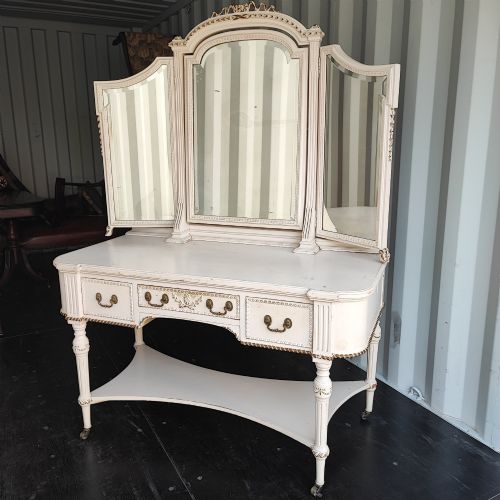
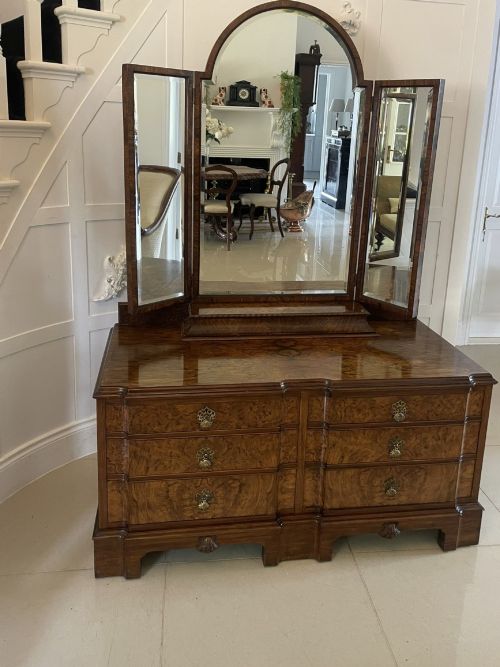
- A dressing table mirror featuring three separate glass panels, with hinged side wings that angle inward. This arrangement permits profile views during grooming.
- Burr walnut
- Timber taken from the gnarled growths of a walnut tree, yielding complex, swirling grain patterns. Cabinet makers prized this veneer for high-status Victorian and Art Deco furniture.
- Duchess dressing table
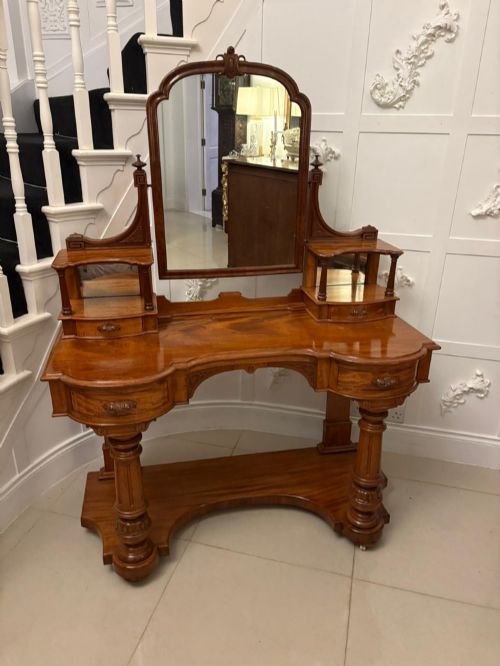
- A large Victorian dressing table style featuring a large central mirror, often oval or horseshoe-shaped, flanked by small trinket drawers.
- Compactum
- A large fitted wardrobe or combination piece incorporating cupboards, drawers, and hanging space, frequently matched with a dressing table in bedroom suites.
Bedroom Dressing Table Mirror: Frequently Asked Questions
How do I date a dressing table mirror?
Dating relies on timber choices, construction methods, and the style of the mirror frame and supports. Georgian pieces often feature simple mahogany box bases with ogee bracket feet, while Victorian examples introduce heavy carved walnut or pine.
Later Edwardian and Art Deco pieces show lighter oak, limed finishes, or geometric walnut veneering. Plate glass characteristics, such as bevelling width and silvering oxidation, also offer clues to age.
Are dressing table mirrors fixed or removable?
Most period dressing table mirrors detach from the base or supporting pedestals for transport. They connect via vertical wooden arms secured with brass thumbscrews or wooden pegs.
Smaller toilet mirrors stand independently on their own drawer bases as singular units. Larger modern or fixed bedroom suites may secure the mirror frame directly to the rear of the dressing chest.
What is a duchess dressing table?
A duchess dressing table is a grand Victorian form featuring a large, ornate mirror frame mounted above a tiered arrangement of small trinket drawers. The main desk surface often has a shaped front and sits atop pedestal drawers or cabriole legs.
These pieces were centrepieces of Victorian and Edwardian master bedrooms. They offered ample surface space for perfumes, brushes, and ornamental porcelain.
How should I care for antique mirror glass?
Antique mirror glass requires gentle cleaning with a soft microfibre cloth and mild, ammonia-free glass cleaner applied to the cloth rather than directly to the glass. This prevents moisture from seeping behind the silvered backing.
Avoid placing the mirror in direct sunlight to protect the wooden frame and prevent further degradation of the historic silvering.