
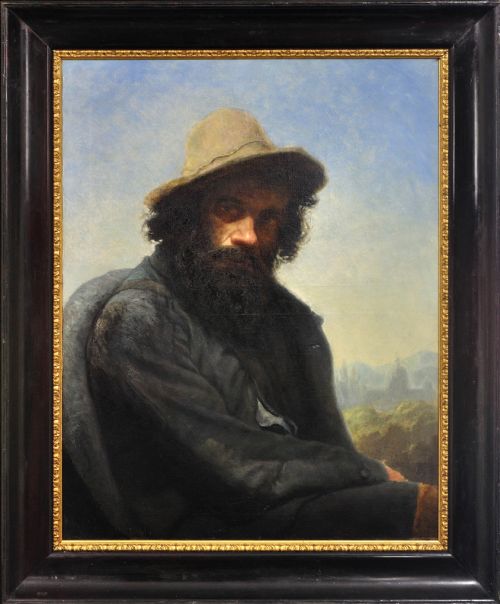
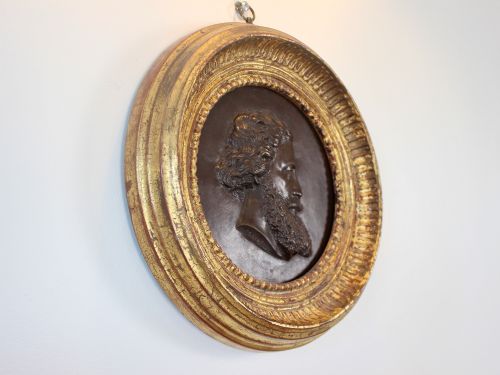
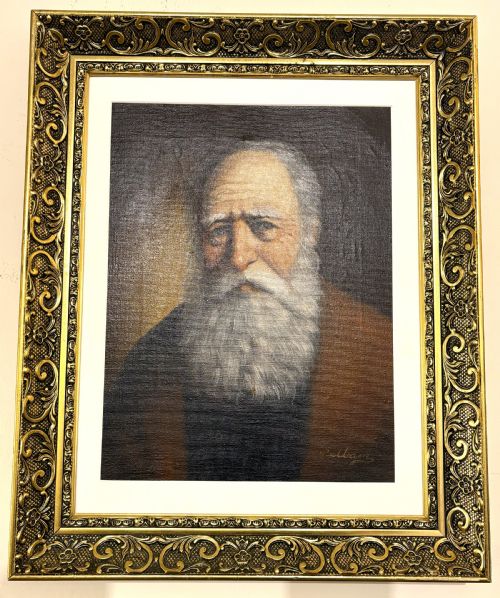


Bearded Man Portrait
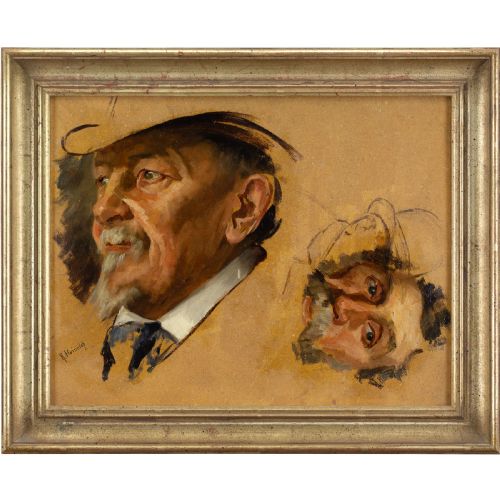
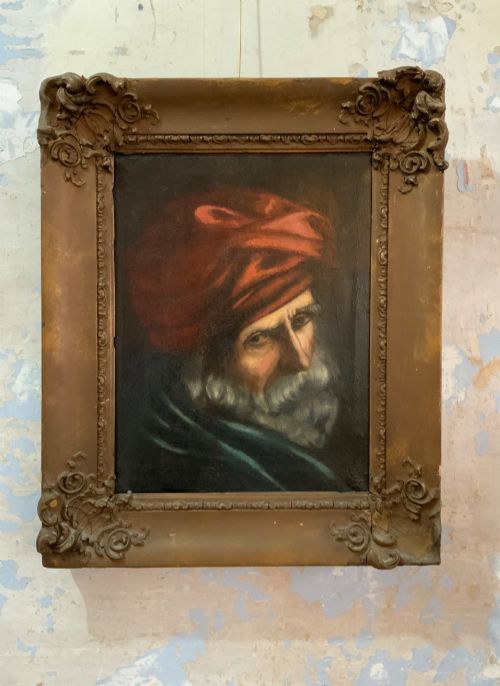
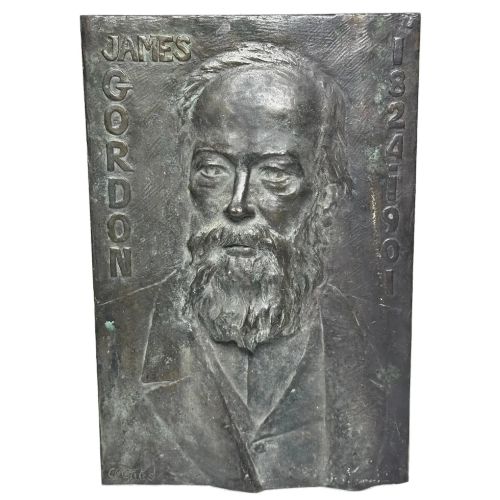
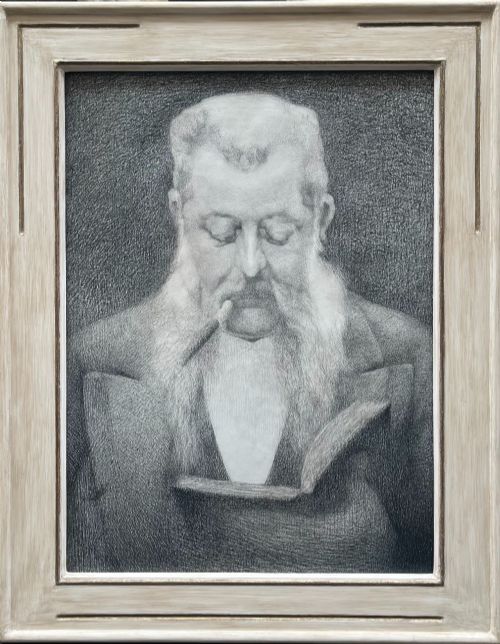
These bearded man portrait pieces capture character and presence through centuries of fine portraiture.
What they are
When you search for bearded man portrait, you encounter a focused range of historic depictions spanning the eighteenth and nineteenth centuries. These works present male subjects with notable facial hair, captured through various artistic lenses from Victorian formality to symbolist interpretation.
The pieces appearing on this page most commonly take the form of oil paintings on canvas and framed works on paper. Portraiture from this category ranges from intimate elderly studies to formally named engineers and professors.
Geographic origins extend across British, French, Danish, Hungarian, and Bolognese schools, offering diverse approaches to facial structure and lighting. Buyers find both monumental oil paintings and delicate charcoal or pastel drawings within this specific genre.
How they were made
Artists built these portraits using oil paint on stretched canvas or applied graphite, charcoal, and pastel to paper. Layers of pigment established skin tones and the texture of beards, while fine brushes handled the intricate details of eyes and expression.
Many works retain their original period framing, utilising carved and gilt gesso wood to complement the canvas. Glass protects works on paper, while heavy oil paintings remain unglazed to show the direct brushwork of the painter.
Retail Price Guide 2026
Typical UK retail prices for bearded man portrait, calculated from the Sellingantiques database of over a million retail prices indexed since 2003. This retail price guide relies exclusively on Sellingantiques data; no external sources or auction records are used, so the figures do not describe the wider market.
Several gentlemen in these portraits sport extraordinarily elaborate facial hair, ranging from neat Victorian trims to dramatic philosopher beards.
What varies in quality
Quality rests in the handling of light and anatomy, where accomplished artists render bone structure and the tactile nature of hair with conviction. Weaker examples rely on formulaic shading and stiff posture that lack psychological depth.
The preservation of the ground layer and original stretcher frames dictates the physical integrity of the piece. Superior works display confident draftsmanship and stable pigment adhesion without heavy overpainting.
William Biscombe Gardner·Henry John Dobson·Fritz Reusing·Georg Achen·Frederik Vermehren·Y Merigault
The Bearded Man Portrait Glossary
- Oil paint
- A medium consisting of pigments suspended in a drying oil, usually linseed, allowing for rich blending and deep colour saturation. This material dominated portraiture throughout the eighteenth and nineteenth centuries.
- Charcoal
- A form of dry carbonised wood used for drawing, producing dark, expressive lines and soft tonal gradations. It appears frequently in preparatory sketches and finished portrait drawings.
- Gilt gesso
- A plaster-based material applied to wood frames and carved before being covered in thin metal leaf. It provides ornate decorative borders for traditional paintings.
- Symbolist
- An artistic movement from the late nineteenth century that rejected realism in favour of spiritual and metaphorical expression. Works from this school emphasise inner emotion over strict physical likeness.
- Provenance
- The documented history of ownership surrounding an artwork, establishing its authenticity and passage through time. Clear records enhance the historical value of a portrait.
Frequently Asked Questions
How do I date a bearded man portrait?
Dating relies on costume, hair fashion, and painting technique visible in the canvas or paper. Frame styles also offer clues to the period of creation.
Evidence from signatures and biographical details of the sitter further narrows the timeline of production.
Are these portraits usually signed by the artist?
Many works bear artist signatures, monograms, or studio inscriptions, though a significant portion remain anonymous or attributed to specific schools.
Unsigned pieces are judged by handling, material quality, and stylistic similarities to known hands.
How should I care for an antique oil painting?
Keep paintings away from direct sunlight and dramatic fluctuations in temperature and humidity to prevent canvas slackening and paint cracking.
Dust the surface gently with a soft, dry brush and avoid using liquid cleaners on the paint layer.