




Beaded Silver Mirror
These beaded silver mirror pieces bring unmistakable nineteenth-century presence to a room, offering the reflective depth and patinated surfaces collectors seek.
Beaded Silver Mirror
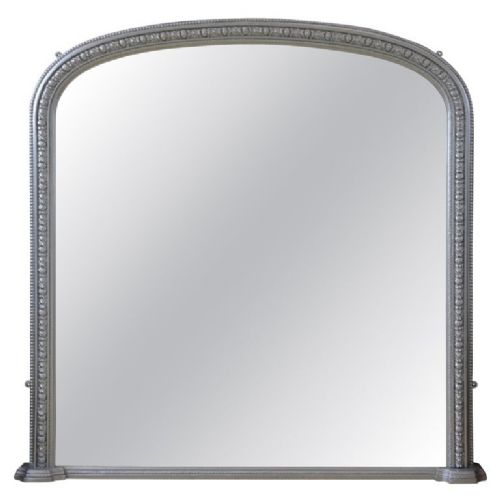
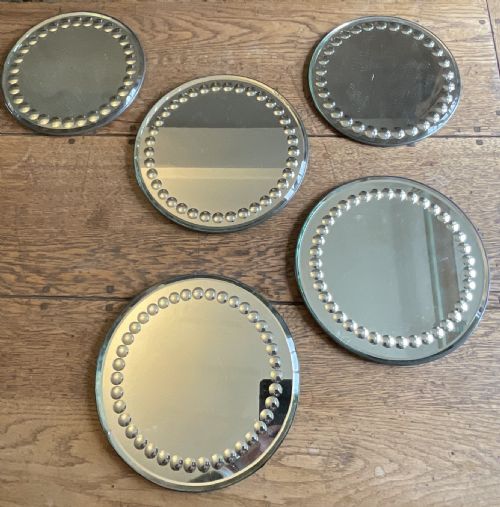
When you search for a beaded silver mirror, you encounter substantial nineteenth-century wall, overmantel, and plateau forms shaped by Victorian, Edwardian, and French Louis Philippe influences. These objects range from expansive gilt wall pieces and large overmantels to smaller plateau mirrors and sorcerer types designed to catch the light.
The pieces most frequently met on this page date from the nineteenth century, including specific items from around eighteen-eighty and nineteen-hundred. They appear in grand wall-hanging formats, table-standing plateau designs, and curved convex configurations associated with sorcerer styles.
Originating largely from French and British design traditions, these mirrors serve both functional and decorative purposes within period interiors. Their forms vary from simple geometric profiles to ornate gilt-wood frames carrying historic silver leaf applications.
How they were made
Maker construction relies on timber frameworks, notably mahogany and underlying gesso, which provide the structural foundation for the decorative surfaces. Artisans applied silver leaf, silvered glass, and mercury glass to achieve the characteristic reflective quality and metallic sheen seen across the listings.
Frames frequently combine carved wood with gesso layers before receiving their silver gilt or silvered finishes. The integration of traditional mercury glass or silvered glass plates within these wooden and gesso structures defines the manufacturing technique of the period.
Sorcerer mirrors were originally believed by superstitious Victorians to ward off evil spirits by trapping them in their curved glass.
What varies in quality
Quality differences emerge in the finesse of the frame moulding and the depth of the silver leaf or gilt application. Pieces described as fine quality or featuring simple design demonstrate superior restraint and precision in their historic construction.
The integrity of the glass plate itself distinguishes examples, particularly where original mercury glass or silvered glass retains its characteristic historic speckling and age. The harmony between the substantial wooden carcase, the gesso preparation, and the surface finish determines the overall standing of the piece.
The Beaded Silver Mirror Glossary
- Louis Philippe
- A mid-nineteenth-century French style characterised by restrained classical proportions, gentle ogee curves, and often generous expanses of glass. It balances decorative warmth with architectural simplicity.
- Overmantel mirror
- A large horizontal mirror designed specifically to hang on the wall directly above a fireplace mantelpiece. These pieces visually anchor a room and amplify natural light.
- Plateau mirror
- A mirrored tray traditionally placed on dining tables to display centrepieces, silver, or glassware. They lift objects into reflection and were popular in various forms through the nineteenth and early twentieth centuries.
- Mercury glass
- A blown double-walled glass filled with a silvering liquid through a pontil mark, then sealed. It produces a distinctive soft, mottled reflection rather than a clear modern mirror image.
- Gesso
- A plaster-like mixture applied to wood frames to create a smooth base for gilding or silvering. Its build-up allows for crisp moulding details.
Beaded Silver Mirror: Frequently Asked Questions
Where should an overmantel mirror hang?
These large horizontal mirrors belong above a fireplace mantelpiece, where they historically sat to reflect room light and architectural details.
They also function effectively on principal living room walls when hung securely to bear their substantial nineteenth-century weight.
What is a sorcerer mirror?
Sorcerer mirrors are convex or curved reflective pieces, sometimes called witch mirrors, designed to capture a wide-angle view of an interior space.
Victorian makers produced these in wall-hanging and plateau formats to distort and encompass the entire room in a single curved glass surface.
How do I date a nineteenth-century mirror?
Dating relies on examining the framing materials, the backboards, and the manufacturing characteristics of the glass plate itself. Nineteenth-century pieces typically show period-specific gesso application, mahogany construction, and traditional silvered or mercury glass finishes.
Stylistic cues such as Louis Philippe curves or Edwardian proportions further narrow the active production period.
How do I clean antique silvered glass?
Historic glass and silvered surfaces require minimal intervention, using only a dry microfibre cloth to remove surface dust. Avoid modern chemical glass cleaners, which can seep behind the plate and damage the original silver leaf, mercury backing, or gesso frame.